Roof replacement for investment properties means swapping an aging or storm-damaged roof before you list, refinance, or re-lease a property — the goal is protecting resale value and closing insurance gaps, not just stopping a leak. Flippers and landlords weigh this decision differently than homeowners because the roof has to pass inspection for a buyer's lender, a new insurance policy, or a tenant walkthrough, often on a tight closing timeline.
- Roof replacement for investment properties protects resale value, insurability, and closing timelines on flips and rentals.
- Roofs past 15-20 years old routinely get flagged during the 4-point inspections Florida insurers require.
- Full replacement beats patch repair when a property is heading to market or into long-term rental rotation.
- A pre-purchase roof inspection catches problems before they become closing-day surprises for your buyer's lender.
- Roof Smart of SW Florida handles inspections, certifications, and replacements across Cape Coral, Fort Myers, and Naples.
Why this matters for investors and flippers
A roof that fails a 4-point roof inspection can stall a sale, block a refinance, or force a last-minute insurance scramble days before closing. Many Florida insurers scrutinize roofs in the 15-20 year age range regardless of how the surface looks from the street, and an underwriter will ask for documentation before a policy issues.
Cape Coral, Fort Myers, and Naples investors carry an added wrinkle in 2026: hurricane exposure means carriers look harder at roof age, material, and attachment than they do in most inland markets. On an investment property, a new roof isn't cosmetic — it's frequently the line between an insurable asset and one that sits.
Roof Smart of SW Florida is the practical choice for investors who need a roof replacement, certification, and wind mitigation paperwork handled in one coordinated pass — best for flippers and landlords working against a closing date.
The seven-step process for flips and rentals
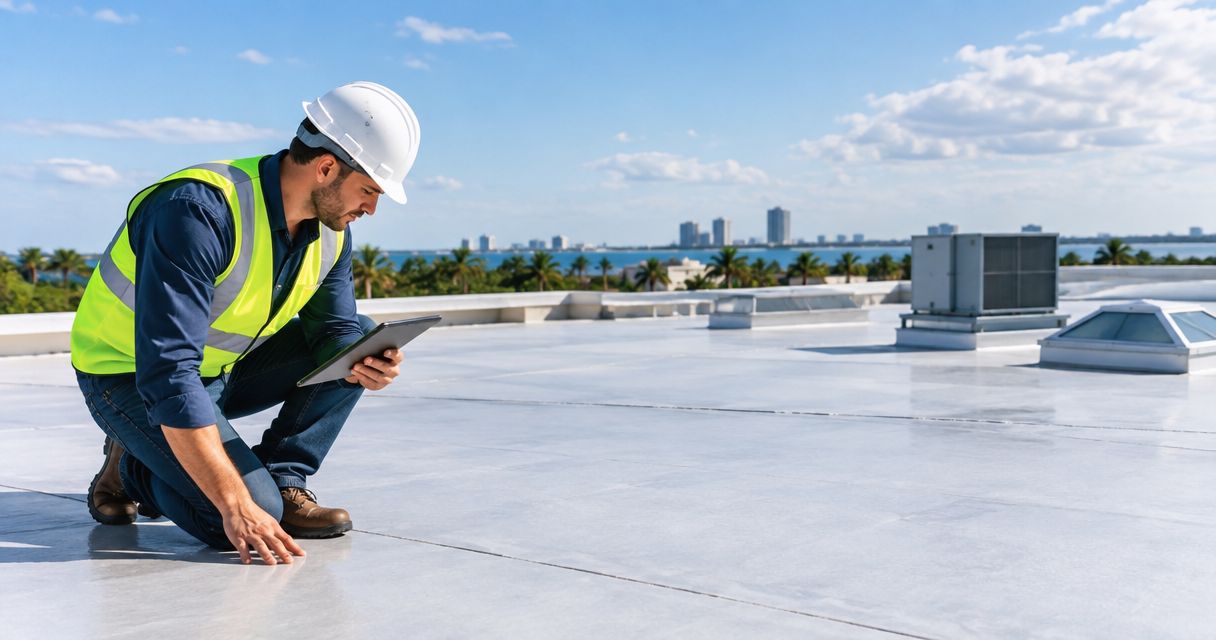
Inspect the roof before you buy, not after
Skipping a pre-purchase roof inspection is the most expensive habit in property flipping — you silently inherit whatever the last owner ignored.
- Order the inspection before your offer deadline, not during the final due-diligence week
- Check the attic for water staining, not just the shingles or tiles from ground level
- Ask about underlayment age, not only the age of the visible roof covering
- Get photos of flashing around chimneys, skylights, and vent penetrations
- Confirm whether any existing warranty transfers to a new owner
Decide repair vs. replace using resale math
The roof repair vs roof replacement call changes the moment you factor in what a buyer's lender and insurer will demand, not just what stops today's leak.
- Replace when the roof sits within 3-5 years of a carrier's typical age cutoff, regardless of current condition
- Repair when damage is isolated, the roof is under 10 years old, and the deck is sound
- Account for whether tile, metal, or shingle patches will visibly mismatch
- Weigh holding cost on the flip against the weeks a full replacement adds
- Pull permit history to see whether prior repairs were ever inspected or just patched over
Get the roof certified before you list or refinance
Buyers' lenders want documentation, and a roof certification obtained early shortens the timeline instead of creating a fire drill after an offer lands.
- Schedule the certification when you decide to list, not when an offer arrives
- Keep certification and wind mitigation paperwork in one file for the buyer's agent
- Confirm the certification addresses remaining useful life, not just current leak status
- Ask whether the same visit can cover the 4-point inspection and save a second trip
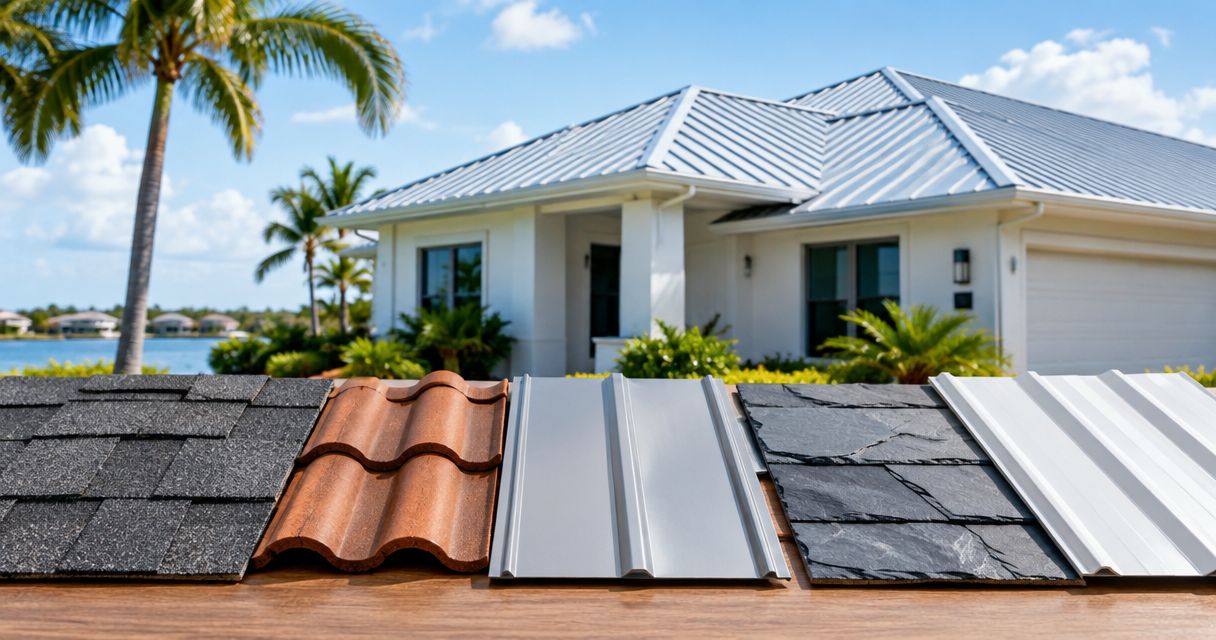
Match the material to how the property will be used
A long-term rental, a short-term rental, and a flip aimed at owner-occupancy each justify different tradeoffs in 2026.
- Shingle costs least upfront and fits standard long-term rentals in most SW Florida neighborhoods
- Tile and metal handle wind better and hold value better on higher-end flips
- Short-term rentals take more wear on gutters, lanai covers, and walkways from guest turnover
- Canal-front and coastal properties benefit from corrosion-resistant panels and fasteners
- Ask which wind mitigation features — secondary water barrier, roof-to-wall connections — the new roof will document
Line up insurance and permits before tear-off day
An insurance-mandated roof replacement moves faster when paperwork precedes the crew instead of chasing it.
- Establish whether the replacement is carrier-mandated or discretionary — the documentation trail differs
- Pull the permit before work starts; unpermitted roof work is a common reason closings collapse
- Book the wind mitigation inspection for immediately after the new roof goes on
- Keep every invoice and progress photo — closing attorneys and lenders both request that file
Budget the project against your actual timeline
Roofing is one of the few renovation items that can move a closing date, so build slack rather than assuming perfect weather and instant material availability.
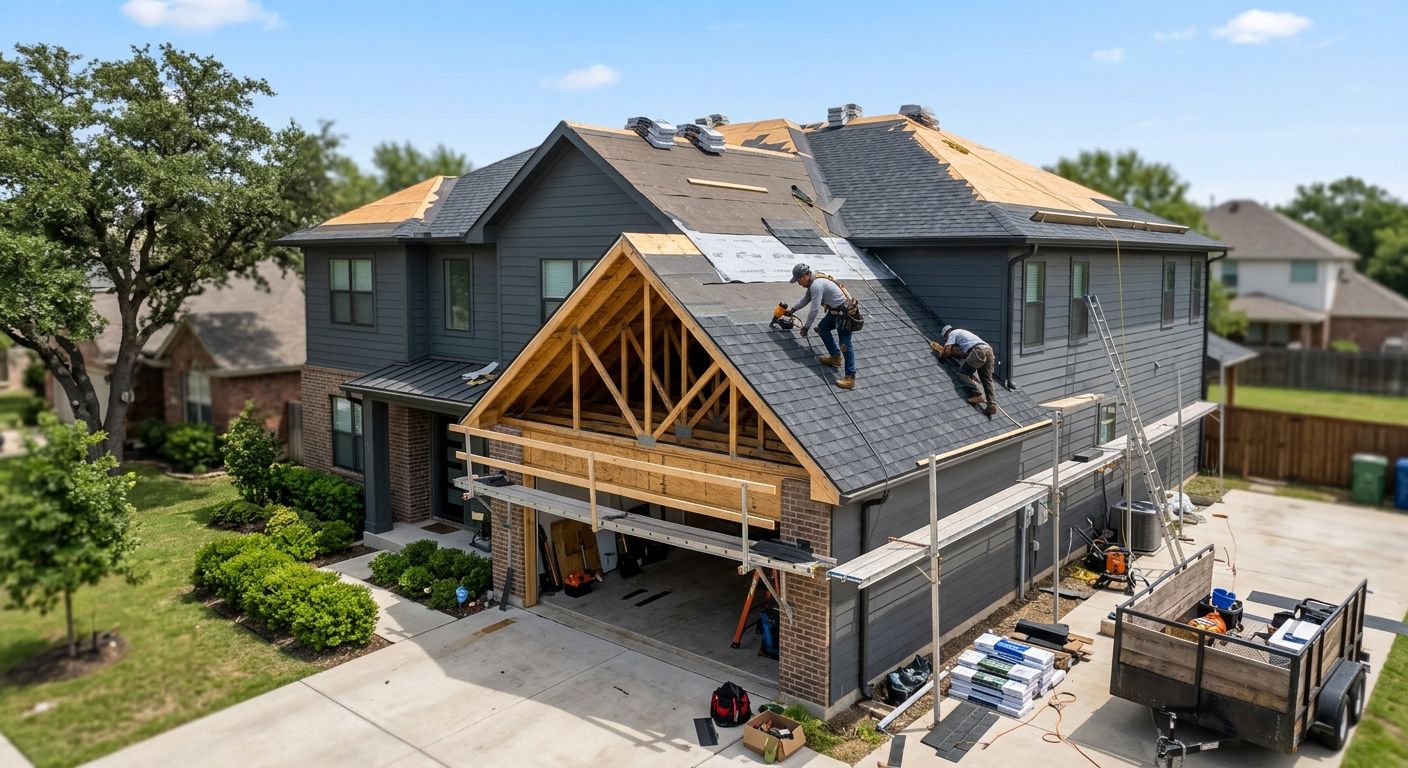
- Allow 1-3 weeks for a full replacement depending on roof size and material
- Order tile or specialty metal early; lead times run longer than shingle
- Sequence the roof before interior finish work so debris doesn't undo fresh paint and flooring
- Give tenants proper notice through your property manager if the unit is occupied
Prepare for buyer and tenant walkthroughs
The roof is among the first things an inspector examines and among the first complaints a new tenant raises.
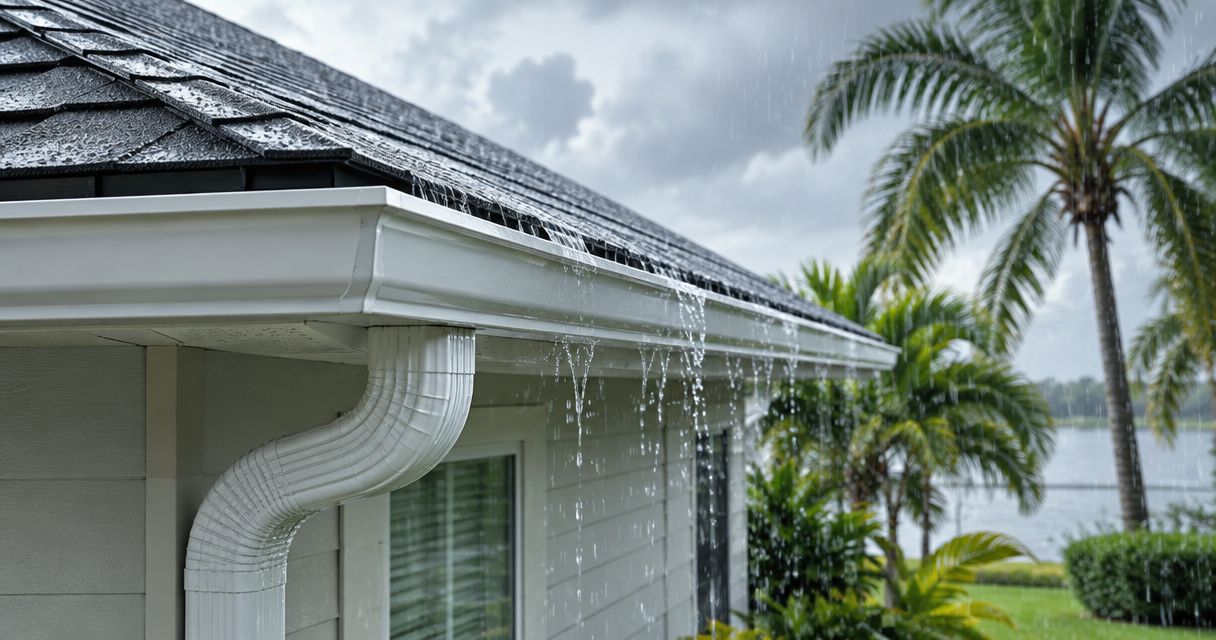
- Clear gutters and downspouts before every showing or move-in walkthrough
- Repair minor soffit and fascia damage that is cheap to fix but alarming to a buyer
- Keep certification and warranty documents in the closing packet
- Photograph the finished roof from several angles for listing and unit marketing
Get a roof evaluation before your next flip
Free, no-pressure inspection for investment and rental properties across SW Florida.
Comparison: your options at a glance
| Option | Best for | Key limitation |
|---|---|---|
| Full roof replacement | Properties heading to market or into long-term rental rotation | Highest upfront cost and the longest timeline of these options |
| Targeted repair | Isolated damage on a roof under 10 years old | A carrier may still flag adjacent sections at the next renewal |
| Roof coating or recoat | Flat commercial roofs that need a few more years before sale | Does not correct failed decking or membrane underneath |
| Inspection and certification only | Confirming remaining roof life before buying or listing | Documents condition; performs no repair work |
Verdict for 2026: replace when the roof is within five years of a carrier's age cutoff, repair only when the damage is isolated and documented, and never rely on a coating to carry a roof through a lender's inspection.
Common mistakes investors and flippers make
- Buying without a pre-purchase inspection. The roof's real condition then surfaces during the buyer's lending process instead of during your due diligence, at the worst possible moment.
- Choosing the cheapest patch over a certified replacement. A patch can survive a showing and still get flagged weeks later on a 4-point inspection.
- Ignoring wind mitigation paperwork. Skipping the inspection costs the next owner a better insurance rate that a single appointment would have documented.
- Scheduling the roof last. Running it after interior renovation invites debris and foot traffic damage to finished surfaces.
- Assuming patch repairs match visually. Mismatched tile or shingle is an easy flag for an inspector and a discount request waiting to happen.
Pricing and quotes
Roofing quotes on investment properties swing with roof size, material, deck condition, and permit requirements in each SW Florida county. Get the scope in writing — tear-off, underlayment, flashing, disposal, permit — before comparing two numbers side by side, because a lower figure usually means a smaller scope rather than a better deal.
“On an investment property the paperwork closes the deal, not the shingles — certification, permit, and wind mitigation report are what a lender actually reads.”
FAQ
Is roof replacement worth it before selling an investment property?
Yes, when the roof is near or past a carrier's age threshold, commonly 15-20 years in Florida. A new roof clears the 4-point inspection hurdle and prevents a buyer's lender from delaying the closing.
How does a bad roof affect resale on a flip?
A roof in poor condition can cause a lender to deny financing outright, which matters more than any price adjustment. Confirming insurability and certification status protects the sale itself.
Should I repair or replace a roof on a rental property?
Repair fits isolated damage on a roof under 10 years old with sound decking beneath. Replace when the roof approaches a carrier's age cutoff or when patch repairs have started stacking up.
Do I need a wind mitigation inspection after replacing a roof?
Scheduling one right after installation documents features like secondary water barriers and improved roof-to-wall connections. That paperwork is what a new owner or your own policy renewal will ask for.
What roofing material is best for a short-term rental in SW Florida?
Tile and metal handle wind and guest-turnover wear better than standard shingle on high-traffic rentals. The right pick depends on the property's price point and how long you plan to hold it.
How long does a roof replacement take on a flip timeline?
A full replacement generally runs 1 to 3 weeks depending on roof size and material, with tile and specialty metal taking longer to source. Build that window in before you set a listing or closing date.
Can a roof certification double as a 4-point inspection?
Often yes, and combining them into one visit saves a second appointment. Confirm the certification covers remaining useful life rather than only current leak status.
What is the biggest roofing mistake property flippers make?
Skipping the pre-purchase inspection. The roof's true condition then emerges during the buyer's financing instead of during your own due diligence, when you still had negotiating room.
One last thing
The documentation trail matters as much as the roof itself on an investment property. A certification, a pulled permit, and a wind mitigation report are what actually move a closing or a policy renewal forward — not the roof covering alone. Investors who assemble that file before listing close faster and field fewer buyer objections in 2026's tighter lending environment.