A 4-point roof inspection in Florida checks four systems only — roof, electrical, plumbing, and HVAC — and you pass it by fixing the failure points insurers flag most: active leaks, exposed wiring, polybutylene or galvanized pipe, and a roof with less than 3-5 years of remaining life. Roof Smart of SW Florida sees the same handful of issues sink these inspections every week across Cape Coral, Fort Myers, and Naples, and almost all of them are fixable before the inspector ever shows up.
- A 4 point roof inspection in Florida covers roof, electrical, plumbing and HVAC only — nothing else.
- Roofs older than 15 to 20 years are the most common reason insurers order one in 2026.
- Active leaks, missing shingles, and exposed underlayment are automatic fail points on the roof section.
- Fixing minor roof issues before the inspection is cheaper than losing coverage or facing a non-renewal.
- Roof Smart of SW Florida schedules pre-inspection roof checks in Naples, Fort Myers and Cape Coral.
Why this matters
Florida insurers order a 4-point inspection when a home crosses roughly 15 to 20 years old, and a failed report can mean a non-renewal notice, not just a rate increase. The roof section carries the most weight because it's the system most likely to have storm damage, and it's the one insurers scrutinize hardest after the string of hurricanes that hit Southwest Florida in recent seasons. A homeowner who schedules a roof inspection in Naples or a nearby county before the insurance-ordered inspection almost always catches the fixable stuff first.
The other three systems — electrical, plumbing, HVAC — get a pass/fail glance, but the roof section is where inspectors write paragraphs. That's the part you control most directly, and it's the part worth spending your prep time on.
How do you pass a 4-point inspection in Florida?
Follow this order and you cover every category an inspector checks in 2026:
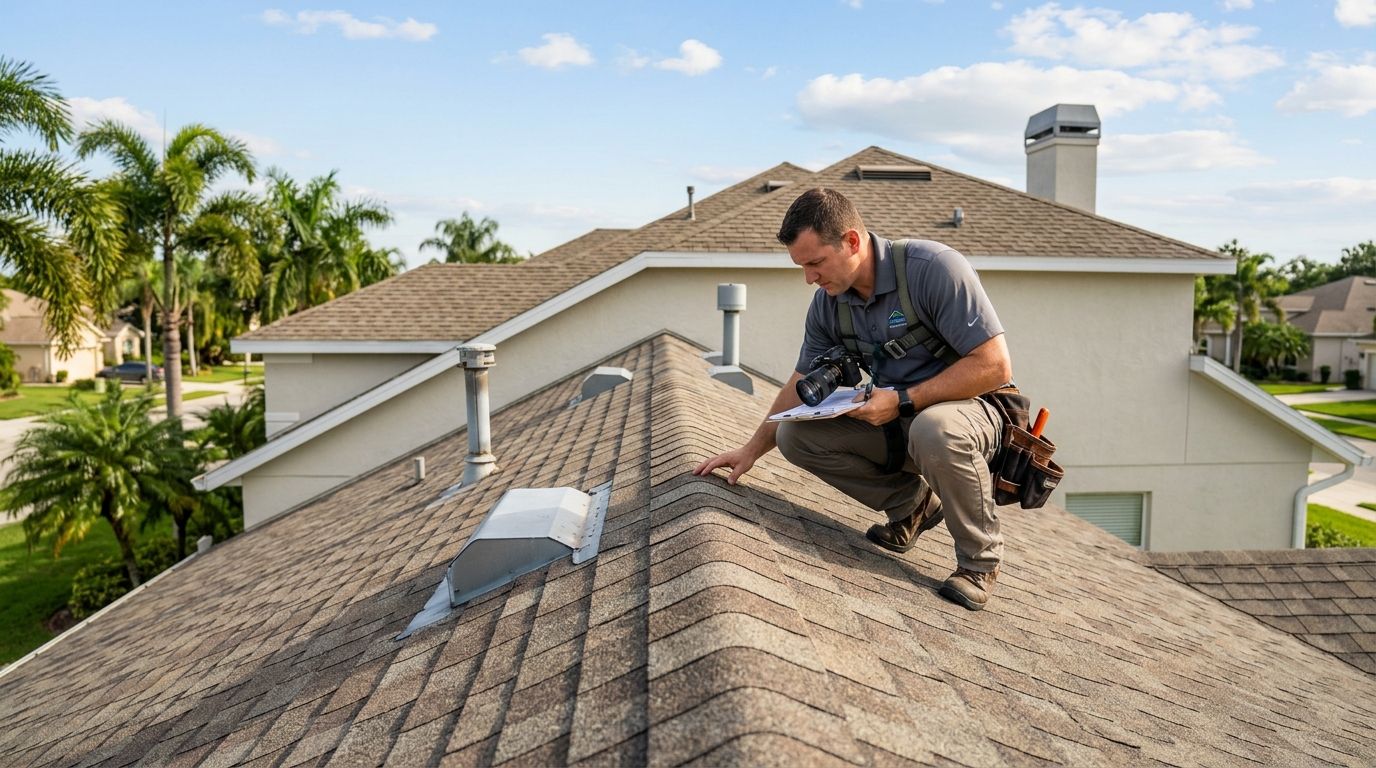
- Walk the roof from the ground with binoculars first. Look for missing or lifted shingles, exposed underlayment, and rusted metal flashing around vents and chimneys.
- Check the attic for water stains or daylight through the decking. Either one signals an active or past leak the inspector will flag immediately.
- Confirm the roof's age and material match the permit record. A roof replaced without a permit, or one that doesn't match the county's records, raises red flags before the inspector even climbs a ladder.
- Have a licensed electrician glance at the panel. Federal Pacific or Zinsco panels, aluminum branch wiring, and exposed splices are automatic fails.
- Check under every sink and around the water heater for corrosion. Polybutylene pipe (common in Florida homes built through the mid-1990s) and galvanized pipe are the two materials insurers reject most.
- Test the HVAC system and check its age. A unit over 15 years old, or one with visible rust on the coils, gets noted even if it still runs.
- Fix what you can before the inspector arrives. A patched leak, a re-nailed shingle, or a cleared attic vent costs far less than the coverage gap a failed report creates.
| System | Most common fail point | Fix difficulty |
|---|---|---|
| Roof | Missing shingles, exposed underlayment, active leak | Moderate — often a repair, not a replacement |
| Electrical | Outdated panel brand, aluminum wiring | High — requires a licensed electrician |
| Plumbing | Polybutylene or galvanized pipe | High — repiping is the only real fix |
| HVAC | Unit over 15 years old | Low to moderate — repair or replace |
Roof section: the part that fails most inspections
Insurers weight the roof section heaviest because it's the system most exposed to Florida's wind and rain. A roof with 3 years or less of remaining life, visible patching, or more than one layer of shingles typically fails outright, regardless of how well the rest of the house checks out. If the roof is original to a home built before 2006, the inspection often becomes a conversation about roof replacement for older Florida homes rather than a simple repair.
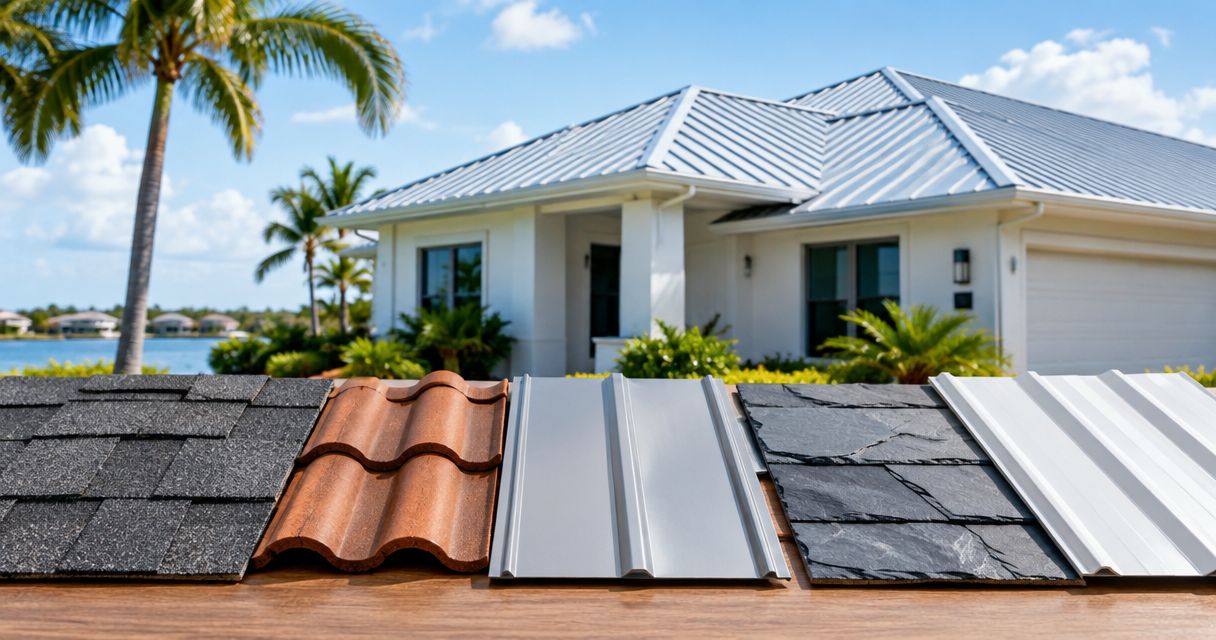
A tile or metal roof in good condition rarely fails this section. A 20-year-old three-tab shingle roof with curling edges almost always does.
Wind mitigation vs. 4-point: what's the difference?
A 4-point inspection checks whether four systems are safe and functional; a wind mitigation inspection checks how well the roof and structure resist wind damage, and it's the one that can lower a premium rather than threaten it. Homeowners often bundle both inspections in the same visit since an inspector is already on the roof. If you haven't had one, getting a wind mitigation inspection done alongside the 4-point saves a second appointment and can unlock a homeowners insurance discount most Florida carriers offer for hip roofs, secondary water barriers, and impact-rated openings.
Why 4-point inspection outcomes vary
- Roof age. Anything past 15-20 years draws closer scrutiny on every component, not just the shingles.
- Prior storm damage. Unrepaired wind or hail damage from a past hurricane season shows up immediately in an attic check.
- Permit history. Work done without permits — a re-roof, an electrical upgrade, a repipe — gets flagged even if the work itself is sound.
- Home's original construction era. Homes built through the mid-1990s are more likely to carry polybutylene pipe or outdated panel brands.
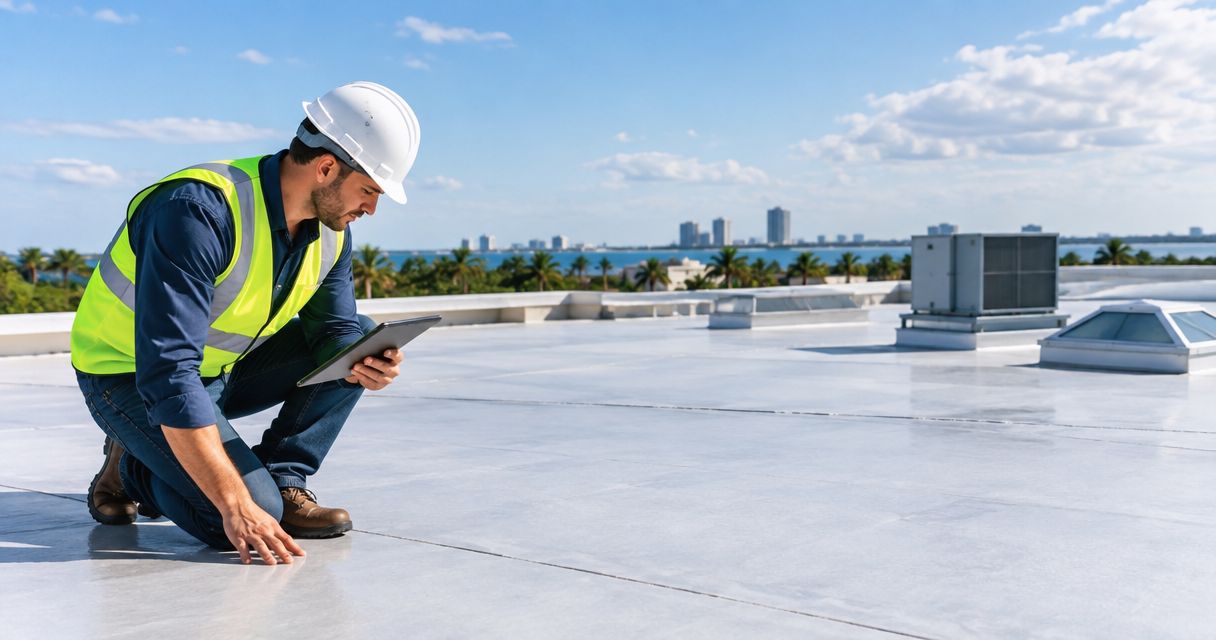
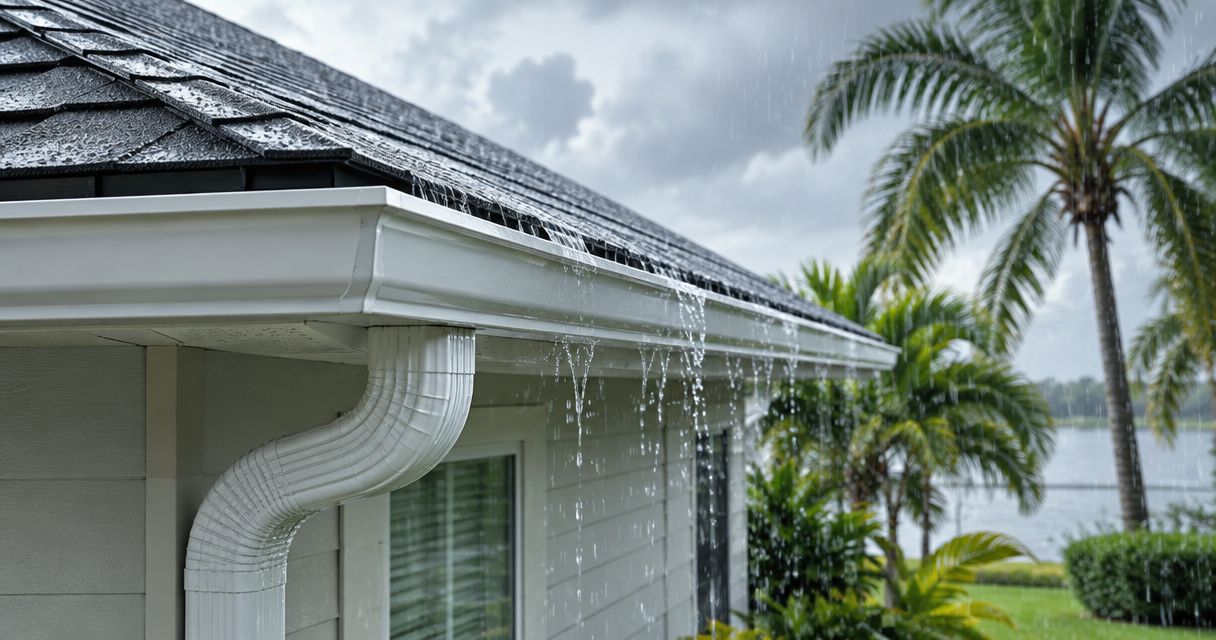
- Maintenance gaps. Clogged gutters, overgrown vegetation against the roofline, and standing water on a flat roof all count against the report.
- Inspector judgment. Two inspectors can weigh a borderline roof differently, which is why a pre-inspection from a roofing contractor catches issues an insurance-ordered inspector might fail outright.
Get your roof pre-inspected before insurance does
A free evaluation catches fail points before they cost you coverage.
Does my roof need to be replaced to pass?
Most roofs don't need full replacement to pass a 4-point inspection — a repair to missing shingles, resealed flashing, or a patched leak is often enough. Roof repair clears the report far more often than roof replacement does, but a roof with widespread granule loss, multiple patch jobs, or storm damage across more than one slope usually can't be repaired into compliance. If you're on the fence, the breakdown at roof repair vs. roof replacement in Florida walks through which situation calls for which fix.
How old can a roof be and still pass?
A roof can pass at any age if it shows no active leaks, no missing materials, and has documented remaining life, but insurers apply the closest scrutiny once a roof passes 15 to 20 years old. Tile and metal roofs often pass well past that mark; three-tab shingle roofs rarely do without a fresh inspection report from a licensed contractor confirming remaining service life.
FAQ
What does a 4 point roof inspection in Florida check?
A 4 point roof inspection in Florida checks four systems: roof, electrical, plumbing, and HVAC. It does not evaluate the whole house — only the condition and remaining life of these four components.
How much does it cost to fix issues before a 4-point inspection?
Cost depends entirely on what's found — a resealed flashing or patched leak is a minor repair, while a full repipe or panel replacement is a major one. Get a free evaluation to see which category your home falls into before assuming the worst.
Is a 4-point inspection the same as a wind mitigation inspection?
No. A 4-point inspection checks whether roof, electrical, plumbing and HVAC systems are functional and safe, while a wind mitigation inspection checks storm resistance and can qualify a home for an insurance discount.
How old does a roof have to be to require a 4-point inspection?
Most Florida insurers order a 4-point inspection once a home reaches 15 to 20 years old, though the exact threshold varies by carrier.
Can I pass a 4-point inspection with an old roof?
Yes, if the roof has no active leaks, no missing shingles, and documented remaining life — tile and metal roofs pass at older ages more consistently than aging shingle roofs.
What roof problems automatically fail a 4-point inspection?
Active leaks, exposed underlayment, missing or lifted shingles, and multiple roof layers are the most common automatic fail points on the roof section.
Does a 4-point inspection affect my homeowners insurance rate?
A failing 4-point report can trigger a non-renewal notice rather than just a rate change, which is why fixing issues before the inspection matters more than the report itself.
One last thing
The roof section fails more 4-point inspections in Southwest Florida than the other three systems combined, and most of those failures trace back to storm damage nobody looked for after the last named storm passed through. A ground-level walk-around after every hurricane season catches lifted shingles and cracked tile long before an insurer's inspector does — do that once a year and the 4-point report becomes a formality instead of a threat.