Selling a home in Southwest Florida with a roof over 10 years old almost always means a lender or insurer will ask for a roof certification before they'll close the deal or write the policy. A roof certification is a signed statement from a licensed roofing contractor or inspector confirming how many years of useful life remain on the roof, and it's the document that keeps a sale from stalling in the last 30 days.
- A roof certification for a home sale in Florida comes from a licensed roofing contractor who inspects the roof and signs a letter stating its remaining useful life.
- Most Florida insurers and mortgage lenders won't issue a policy or fund a loan unless the roof has at least 5 years of certified life left.
- Roof certification is a separate document from a 4-point inspection and a wind mitigation inspection, but Roof Smart of SW Florida can schedule all three in one visit.
- Homes 15 years and older almost always trigger the request from underwriting during the sale process.
- The certification usually gets ordered after the buyer's home inspection flags roof age, not before listing.
Why this matters
Florida insurers pulled back hard on aging roofs after the string of hurricane losses in recent years, and 2026 underwriting guidelines are stricter than they were even three years ago. A deal can die at the financing stage if nobody catches the roof-age problem until the appraisal comes back. Getting a 4-point roof inspection or certification done early gives the seller time to negotiate repairs instead of losing the buyer entirely.
How to get a roof certification when selling a home in Florida
The process is short but it has to be done by someone licensed to sign off on it — a home inspector's general report is not the same document.
- Confirm what the buyer's insurer or lender actually needs. Some carriers accept a 4-point inspection alone; others specifically require a roof certification with a stated remaining-life figure.
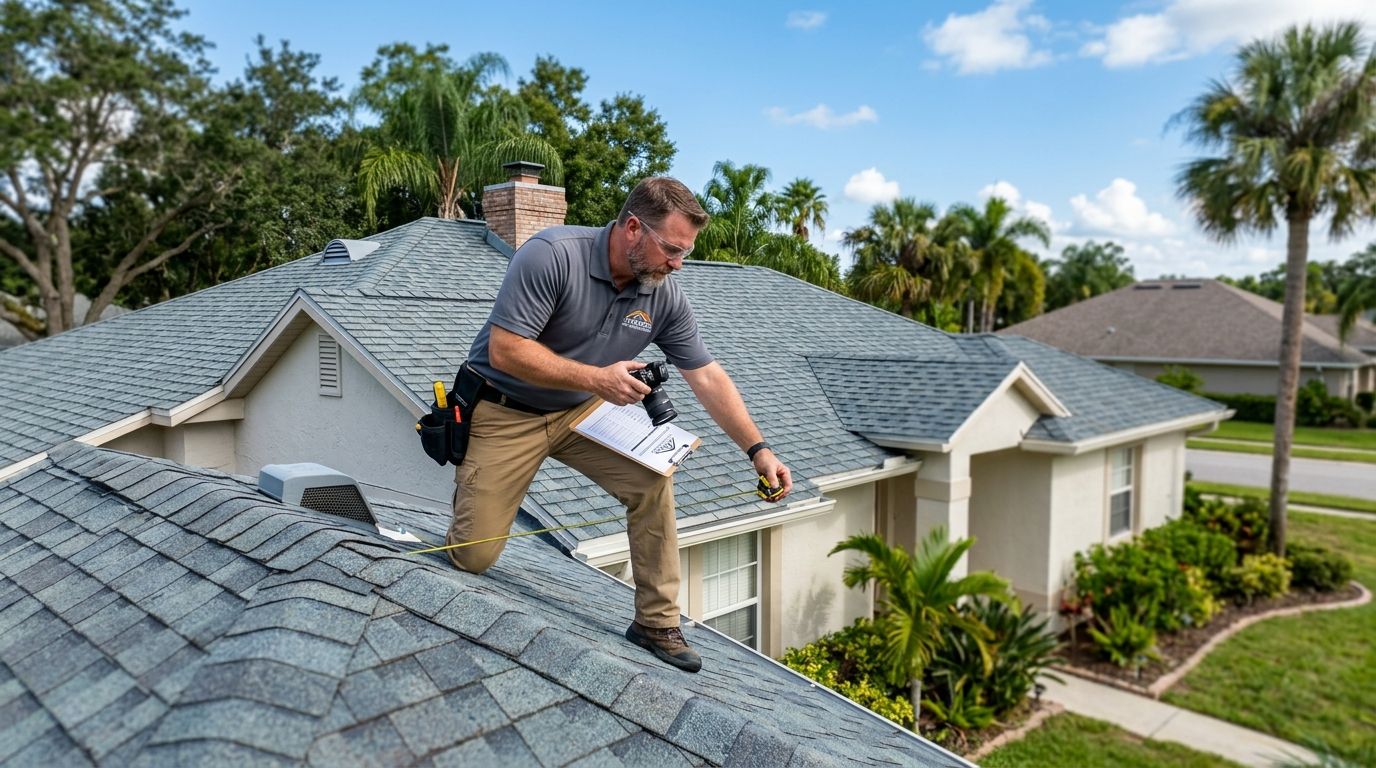
- Hire a licensed roofing contractor or a certified inspector, not a general home inspector, to walk the roof.
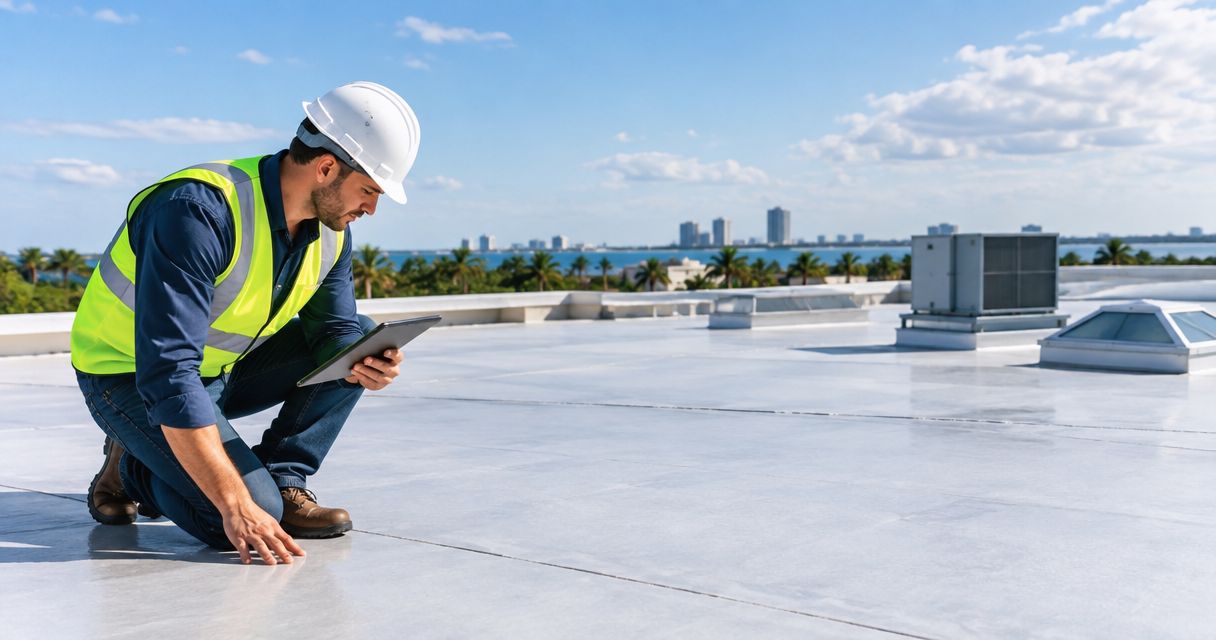
- The contractor documents the roof's age, material, condition, and any visible damage — cracked tiles, exposed fasteners, granule loss on shingles, ponding on flat sections.
- You get a signed certification letter stating the estimated remaining years of service, typically 3, 5, or 10 years depending on condition.
- The letter goes to the buyer's insurance agent or lender as part of the closing file.
| Document | What it covers | Who requires it |
|---|---|---|
| Roof certification | Remaining useful life of the roof, signed by a licensed contractor | Insurers, sometimes lenders |
| 4-point inspection | Roof, electrical, plumbing, HVAC condition | Insurers on homes 15+ years old |
| Wind mitigation inspection | Roof shape, roof-to-wall connections, opening protection | Insurers, for premium discounts |
These three documents get confused constantly. A wind mitigation inspection can lower the buyer's wind portion of the premium, but it does not certify remaining roof life — that's a separate signature and a separate purpose.
Roof certification vs. 4-point inspection: which one do you actually need?
If the home is under 10 years old, most Florida insurers skip both and write the policy off the permit date alone. Once the roof crosses 15 years, expect the underwriter to ask for a 4-point inspection at minimum, and a roof certification if the 4-point flags wear. Roof Smart of SW Florida runs both in a single site visit so sellers aren't paying for two separate trips or waiting on two separate schedules.
Why roof certification requirements vary by insurer
- Roof age — 15 years is the common trigger point for tile and shingle roofs across Southwest Florida carriers.
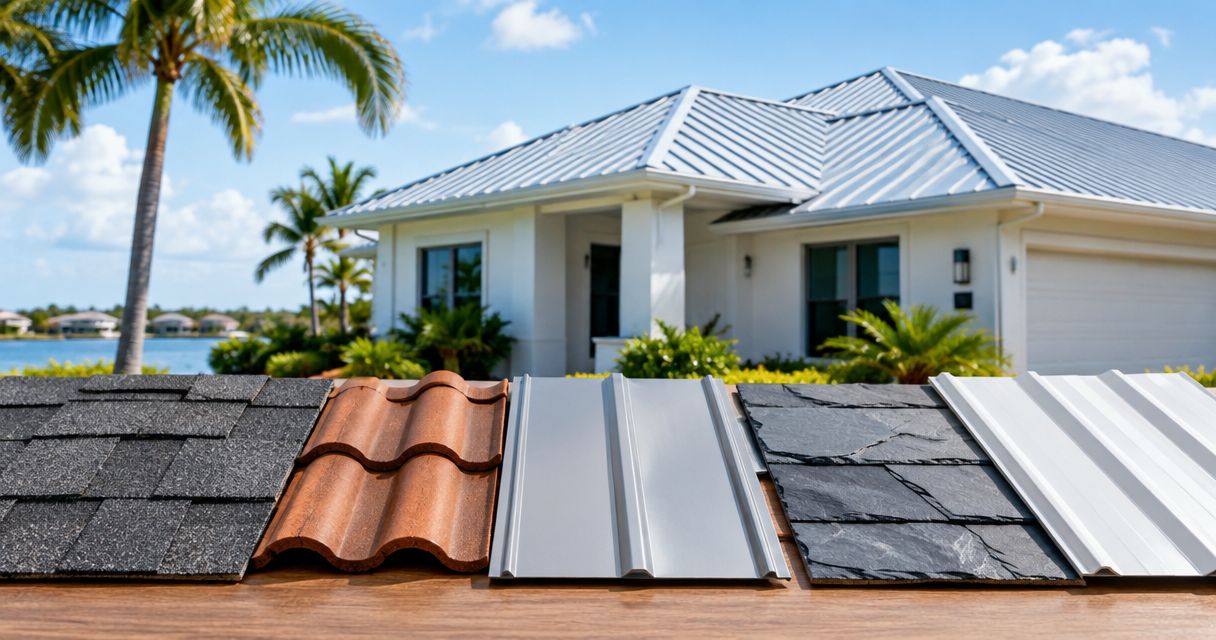
- Roof material — metal and tile roofs often get longer certified life spans than asphalt shingle at the same age.
- Coastal exposure — homes near the Gulf in Naples, Bonita Springs, or Sarasota face closer scrutiny for corrosion and wind uplift history.
- Prior claims history on the property, which some underwriters pull independent of the physical inspection.
- County permitting records — missing or unpermitted roof work can force a full re-inspection even on a newer roof.
- Underwriting guidelines change year to year, and 2026 standards from several major Florida carriers are tighter than 2022 or 2023 guidelines were.
“If the roof has less than 5 years of certified life left, most Florida insurers won't write the policy until repairs happen or the roof is replaced.”
That single line is the reason certifications get ordered mid-transaction instead of before listing — nobody wants to spend money on a roof they haven't sold yet, but buyers can't close without the paperwork.
Related questions about roof certification for a Florida home sale
Is a roof certification the same as a wind mitigation inspection?
No — a roof certification states remaining useful life, while a wind mitigation inspection documents construction features tied to storm resistance for premium discounts. A roof can pass wind mitigation and still fail certification if it's near the end of its service life.
How long does a roof certification stay valid?
A roof certification typically states a remaining-life figure of 3, 5, or 10 years, and insurers generally treat it as current for that stated window rather than issuing a fixed expiration date. Once the stated years run out, a new certification is required for refinancing or resale.
Who pays for the roof certification when selling a home?
The seller usually pays for the roof certification since it's ordered to satisfy the buyer's insurer or lender and keep the closing on schedule. In some negotiated deals the cost gets split or credited back to the buyer at closing.
Can an aging tile or metal roof still pass certification in 2026?
Yes — tile and metal roofs regularly certify for 10 or more years of remaining life even past the 20-year mark if fasteners, flashing, and underlayment show no failure. Certification depends on condition, not just the year the roof was installed.
If a certification comes back short and repairs or a full roof replacement become the only path to closing, get that quote before the appraisal deadline, not after.
Schedule a roof inspection before you list
A free, no-pressure evaluation shows exactly where your roof stands.
FAQ
What is a roof certification for a home sale in Florida?
It's a signed letter from a licensed roofing contractor stating the roof's remaining useful life, ordered when an insurer or lender needs proof the roof will hold up for several more years. It's a condition-based document, not a code inspection.
How much does a roof certification cost in Florida?
Pricing varies by contractor and roof size, so check current pricing directly with a licensed roofer rather than relying on a flat number. Many contractors bundle the certification with a 4-point or wind mitigation inspection to save a trip.
Do all Florida homes need a roof certification to sell?
No, only roofs the buyer's insurer or lender flags as a risk, which is most commonly homes 15 years and older. Newer roofs typically close without one.
Is a roof certification required by Florida law?
No state law mandates a roof certification for a home sale; it's an insurance and lending requirement, not a legal one. Individual carriers and lenders set their own thresholds for when they'll ask for it.
What happens if a roof fails certification during a sale?
The seller usually negotiates repairs, a price credit, or a full roof replacement before closing since most insurers won't write a policy on a roof with too little remaining life. Waiting until after the appraisal to address this almost always delays closing.
Can a home inspector issue a roof certification?
Generally no — insurers want the signature of a licensed roofing contractor or a specifically certified roof inspector, not a general home inspector's report. Check with the buyer's insurance agent before ordering the wrong document.
Does a new roof need certification when selling?
Roofs under about 10 years old rarely need certification since insurers typically underwrite off the permit date alone. Once the roof passes the 15-year mark, expect the request.
How is roof certification different from a wind mitigation inspection?
Roof certification confirms remaining useful life; a wind mitigation inspection documents construction details like roof shape and roof-to-wall connections that qualify a homeowner for premium discounts. A roof can hold a strong wind mitigation score while still needing certification for age.
One last thing
Sellers who order the certification alongside a wind mitigation inspection in the same visit often walk away with two documents that work in their favor at once — proof the roof will last, plus paperwork that can qualify the buyer for a lower wind premium. Ordering them separately after a financing hiccup almost always costs more time than money.