Vacation rental roofing in Southwest Florida protects short-term rental income by keeping guests dry, insurance policies active, and turnovers running on schedule. A rental property roof takes more wear than a standard single-family home: more guest traffic, more AC cycling, more scrutiny from insurers who know the property isn't owner-occupied, and zero tolerance for a leak that shows up in a one-star review.
Owners who live out of state or manage multiple units on Airbnb or VRBO also face a timing problem regular homeowners don't: a damaged roof doesn't wait for a gap in the booking calendar, and a canceled reservation costs more than the repair itself. Roof Smart of SW Florida works with rental owners across Cape Coral, Fort Myers, Naples, and the surrounding counties who need roof work scheduled around guest turnover, not around whenever a contractor has an opening.
- Roofing for vacation rental properties Florida owners need centers on wind mitigation credits, 4-point inspections, and turnover-proof scheduling.
- Metal and tile roofs hold up better than architectural shingles for high-traffic short-term rentals in SW Florida.
- A wind mitigation inspection can lower insurance premiums and is often required to keep rental coverage active in 2026.
- Emergency leaks during a booked stay cost more in refunds and reviews than the repair itself.
Why roofing matters for vacation rental owners
A rental roof isn't judged on curb appeal alone. It's judged on whether it holds up between guest checkouts, whether it passes the inspections insurers require for non-owner-occupied policies, and whether it can survive a named storm without shutting the property down for a month.
Insurers treat short-term rentals differently than owner-occupied homes. Many carriers require a current wind mitigation report and, for older properties, a 4-point inspection before binding or renewing coverage. Skip either one and the policy either gets more expensive or gets denied outright — and no rental income flows without active coverage.
Guest turnover adds a second layer most homeowner guides ignore. A roof leak discovered by a cleaning crew between checkout and check-in has to get triaged, quoted, and fixed inside a window measured in hours, not weeks. Rental owners who plan roof maintenance around their booking calendar avoid the scramble; owners who wait for a leak find out the hard way that emergency crews don't move faster because a guest is arriving Friday.
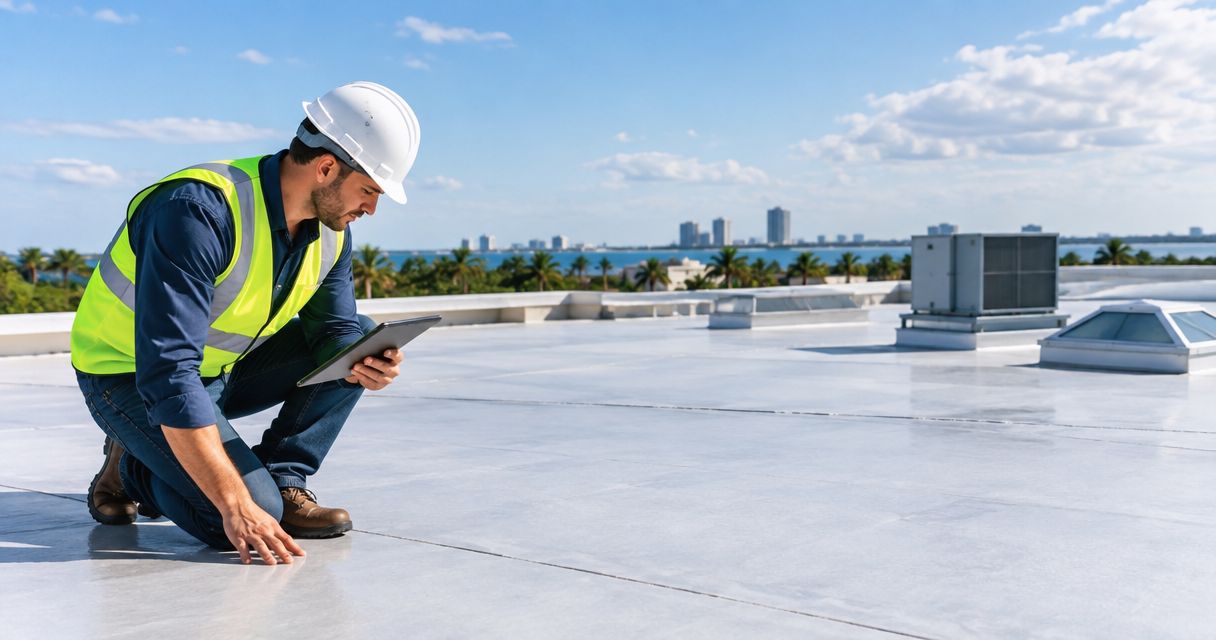
Inspect your roof before every booking season
Southwest Florida's rental season runs opposite the mainland's summer peak — winter snowbirds and spring break drive the heaviest bookings, right before hurricane season starts June 1. That makes a pre-season inspection the single highest-value habit a rental owner can build in 2026.
- Schedule a roof inspection in late spring, before the June 1 start of hurricane season
- Check attic ventilation and flashing around chimneys, skylights, and rooftop AC penetrations
- Photograph existing wear so post-storm insurance claims have a clean before-and-after record
- Flag any granule loss on shingles or lifted tile as a repair priority, not a wait-and-see item
- Have a licensed roofer document the inspection in writing for insurance and disclosure purposes
Manual approach vs. hiring it out
A visual check from the ground catches obvious problems — missing shingles, sagging sections, stained soffits. It won't catch flashing failures, underlayment breakdown, or tile cracks that only show up on the roof deck itself. For a rental property carrying insurance requirements, a professional inspection every year is worth the time it saves chasing a denied claim later.
Verify wind mitigation credits and insurance compliance
A wind mitigation inspection documents the roof's hurricane-resistant features — roof shape, deck attachment, roof-to-wall connections, and opening protection. Florida insurers use it to set premiums, and for a rental property, the discount can be the difference between a policy that pencils out and one that doesn't.
- Confirm the wind mitigation report is current; most carriers want one renewed every five years
- Ask whether the roof-to-wall connections qualify for the highest discount tier before assuming they don't
- Bundle the wind mitigation inspection with the pre-season roof inspection to save a second site visit
- Keep a copy of the wind mitigation inspection for insurance discounts report with the property's insurance file, not just the roofer's file
- Re-run the inspection after any roof replacement — a new roof resets discount eligibility
A rental roof that hasn't been checked for wind mitigation credits in 2026 is probably leaving insurance savings on the table.
Choose materials built for guest turnover and hurricane exposure
Not every roofing material handles the combination of guest traffic, salt air, and hurricane wind loads the same way. Rental owners replacing a roof should weigh material choice against how the property gets used, not just against the lowest bid.
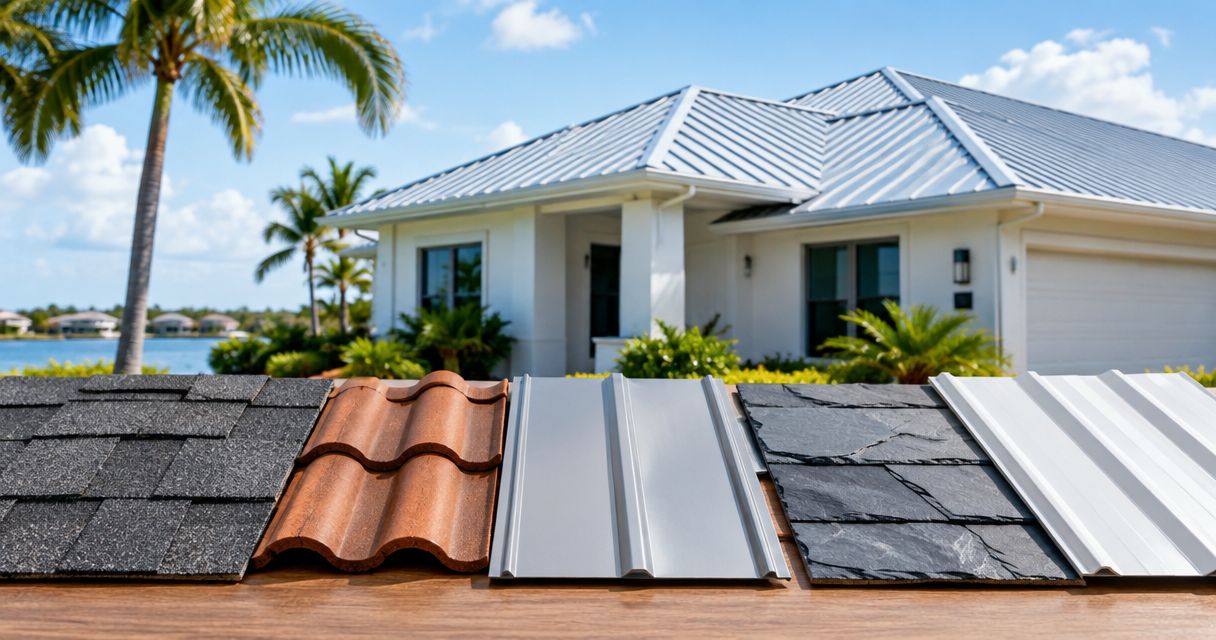
- Metal roofing holds up well in coastal wind zones and needs less frequent maintenance between guest cycles
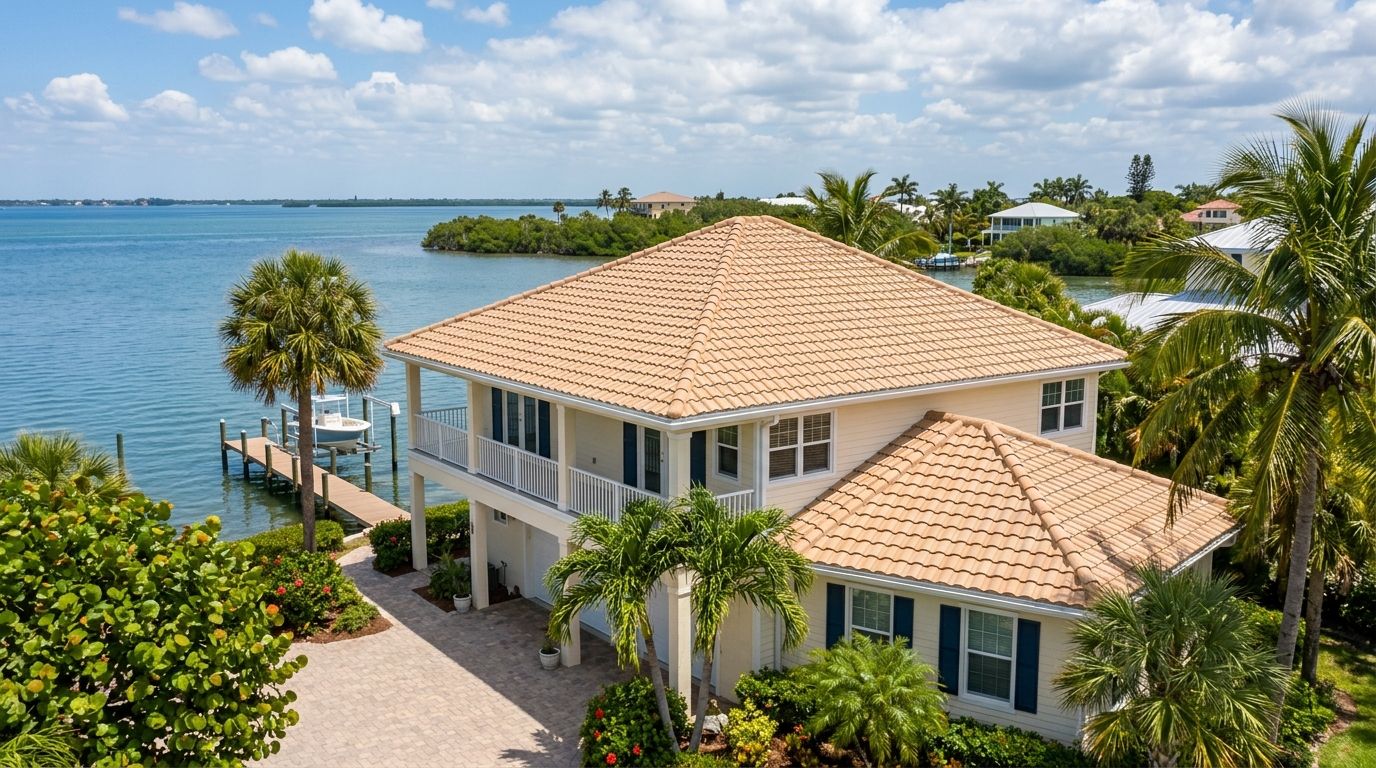
- Tile roofing suits Mediterranean-style rental homes common in Naples and Cape Coral but requires periodic underlayment checks
- Architectural shingles cost less upfront but wear faster under repeated foot traffic from cleaning and maintenance crews
- Flat or low-slope sections over lanais and additions need a coating system rated for standing water and UV exposure
- Ask any contractor bidding the job for the material's wind rating, not just its warranty length
Schedule maintenance around your booking calendar
The biggest operational mistake rental owners make is treating roof maintenance as reactive. A leak that shows up mid-stay forces same-day scheduling, guest refunds, and a scramble to find a crew — all of which cost more than planned work.
- Block a maintenance window between bookings at least once a year, not just when something breaks
- Ask a roofing contractor for a maintenance-only visit separate from a full inspection if the calendar is tight
- Keep a standing relationship with one roofer so scheduling doesn't start from zero every time
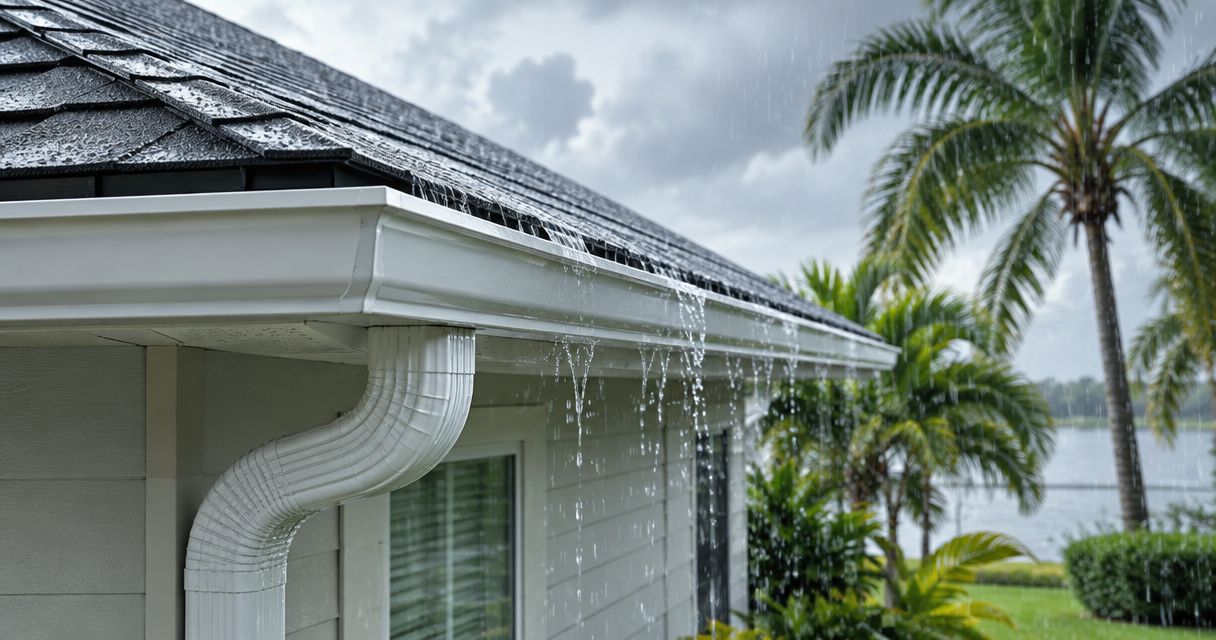
- Build minor roof line items — gutter clearing, sealant checks — into turnover-week cleaning
- Set a calendar reminder tied to hurricane season prep, the one date every SW Florida rental owner already tracks
“A roof leak discovered between checkout and check-in has to get fixed on guest time, not contractor time.”
Protect pool cage, lanai, and outdoor living roofing
Most SW Florida vacation rentals are booked for the pool cage and lanai as much as the house itself. That structure has its own roofing needs, separate from the main roof, and it's the part owners forget until a panel blows off during a storm.
- Check screen and panel attachment points during the same pre-season inspection as the main roof
- Confirm pool cage and lanai roofing meets current wind load codes if the enclosure is older
- Document lanai roof condition in listing photos so guests don't report pre-existing wear as new damage
- Treat a damaged pool cage as a booking risk, not a cosmetic issue — guests photograph and review it
Build a storm response plan for remote owners
Owners who don't live at the property need a plan that doesn't depend on being there. A property manager or local contact should know exactly who to call and what to check the day after a named storm passes.
- Keep one roofing contractor's number saved with the property manager, not just the owner
- Pre-authorize emergency tarping up to a set dollar amount so repairs don't wait on out-of-state sign-off
- Store insurance policy numbers and the most recent wind mitigation report where a local contact can reach them
- Walk the property, or have someone walk it, within 48 hours of any named storm
Document everything for insurance and guest liability
Rental properties get more insurance scrutiny than owner-occupied homes, and a thin paper trail slows down every claim. Build the habit before a storm forces it.
- Keep dated photos of the roof from each annual inspection, not just after damage
- Save every invoice from roofing work performed, including minor repairs
- Understand the process for filing a roof insurance claim after storm damage before a storm makes it urgent
- Note guest liability exposure separately — a leak during a paid stay can trigger a different claim path than storm damage alone
Get your rental roof inspected before season
Free, no-pressure evaluation for vacation rental properties across SW Florida.
Comparing roofing options for vacation rentals
| Option | Best for | Key limitation |
|---|---|---|
| Metal roofing | Coastal rentals needing low maintenance between guest cycles | Higher upfront labor cost than shingles |
| Tile roofing | Mediterranean-style rentals in Naples and Cape Coral | Underlayment needs periodic checks even when tile looks intact |
| Architectural shingles | Owners prioritizing lower upfront cost | Wears faster under repeated rooftop foot traffic |
| Flat roof coating | Lanai additions and low-slope sections | Needs recoating on a set schedule to stay watertight |
Verdict: for a Southwest Florida rental booked year-round, metal or tile outlasts shingle roofing under guest traffic and salt air — shingle still works for owners prioritizing lower upfront cost over longevity.
Common mistakes vacation rental owners make
- Skipping inspections because they're not on-site. Remote owners assume no guest complaints means no problems, then find out otherwise during a claim dispute.
- Choosing the cheapest install to protect cash flow. A bid that skips proper flashing or underlayment costs more in emergency repairs during the first storm season.
- Letting the wind mitigation report expire. An outdated report means losing insurance discounts the property may already qualify for in 2026.
- Ignoring the pool cage until it fails. Guests book the lanai as much as the house; a torn enclosure shows up in reviews before it shows up in a claim.
- Waiting on a 4-point inspection deadline. Insurers on older rental properties often require one before renewal, and last-minute scheduling limits contractor availability.
Why this matters
A vacation rental's roof isn't just shelter — it's the asset that keeps the insurance policy active, the booking calendar full, and the reviews clean. Owners who treat roof maintenance as a fixed line in the operating calendar spend less over the life of the property than owners who wait for a leak to force the decision, and they avoid the coverage gaps that can shut a listing down entirely in 2026.
FAQ
What's the best roofing material for a vacation rental in Florida?
Metal and tile roofing generally outlast architectural shingles under the combination of guest foot traffic, salt air, and hurricane wind loads common to SW Florida rentals. Shingles still work for owners prioritizing a lower upfront cost.
Do vacation rental properties need a wind mitigation inspection?
Most Florida insurers require or strongly reward a current wind mitigation inspection for non-owner-occupied properties, since it documents hurricane-resistant features that lower premiums. The report typically needs renewal every five years.
How often should a rental property roof be inspected?
An annual inspection scheduled before hurricane season starts June 1 catches most issues before they become emergencies. Properties with heavy guest turnover benefit from a second check mid-season.
Is roofing for vacation rental properties in Florida more expensive than for owner-occupied homes?
The materials and installation work the same way; the difference is in insurance requirements and inspection frequency, which non-owner-occupied policies often mandate more strictly.
What happens if a roof leaks during a booked guest stay?
The leak needs same-day triage because a guest is on-site, which usually means emergency repair scheduling rather than planned maintenance. Pre-authorizing a contractor for emergency tarping avoids delays waiting on remote owner approval.
Does a pool cage or lanai roof need separate maintenance from the main roof?
Yes. Pool cage and lanai enclosures have their own attachment points and wind load requirements, and they are often what guests book the property for, so damage there affects reviews as much as the main roof does.
Can a damaged roof affect a rental property insurance claim?
Yes. Insurers on rental properties scrutinize maintenance history closely, and a thin record of inspections or repairs can slow down or reduce a storm damage claim.
One last thing
The rental owners who avoid emergency repair calls aren't the ones with the newest roofs — they're the ones who schedule inspections around the booking calendar instead of around when something finally breaks. Pair that with a current wind mitigation report and a documented maintenance history, and most 2026 storm claims move faster because the insurer isn't guessing about the roof's condition beforehand.