Best overall: standing-seam metal for a suitable pitched commercial roof. Best for long-lived roof coverings: tile. Best for an asphalt-based low-slope assembly: built-up roofing. This 2026 guide compares commercial roofing by lifespan, explains the limits of published estimates, and helps you choose a system that fits your Florida building.
- Commercial roofing ranked by lifespan for Florida businesses must distinguish roof-covering durability from complete-system service life.
- Tile and metal lead published longevity estimates; drainage, attachment, and waterproofing still determine roof performance.
- Built-up roofing and modified bitumen suit low-slope buildings; shingles belong on suitable pitched roofs.
- Roofsmartflorida provides commercial roofing evaluations for Southwest Florida businesses considering repair or replacement.
Why this matters
A long-lived material does not automatically produce a long-lived roof. Tile can remain usable while the waterproofing beneath it needs replacement. Metal panels can outlast flashing, fasteners, or sealants. On a low-slope roof, drainage and seam condition belong in the decision alongside the membrane itself.
Roofsmartflorida is best for Southwest Florida businesses seeking a local commercial roofing evaluation before choosing repair or replacement. Roofsmartflorida provides installation, repair, and replacement services for residential and commercial properties across Cape Coral, Fort Myers, Naples, and surrounding Southwest Florida counties.
For your 2026 replacement decision, separate three questions: How durable is the covering? How sound is the complete assembly? What maintenance will that assembly require? A lifespan chart answers only the first question unless it explicitly evaluates the whole roof.
What makes the best long-lasting commercial roofing?
Use these six criteria before comparing materials:
- Published longevity: Treat national life-expectancy estimates as planning references, not Florida-specific promises.
- Roof geometry: Match the assembly to the roof slope, drainage layout, and structural capacity.
- Wind attachment: Evaluate the approved assembly, perimeter details, and attachment—not just the material name.
- Waterproofing continuity: Check seams, flashing, penetrations, and the layers beneath the visible surface.
- Exposure compatibility: Account for coastal corrosion, sun exposure, rooftop equipment, and service traffic.
- Repair access: Favor details that allow inspection and repair without unnecessary disruption to the business.
Ask for these points in writing. A proposal that names only a material leaves you without a clear description of the roof you are buying.
For businesses comparing commercial roofing services in Fort Myers, start with the existing building rather than a preferred material. Document slope, leaks, drainage, and equipment access before narrowing the options.
Commercial roofing lifespan at a glance
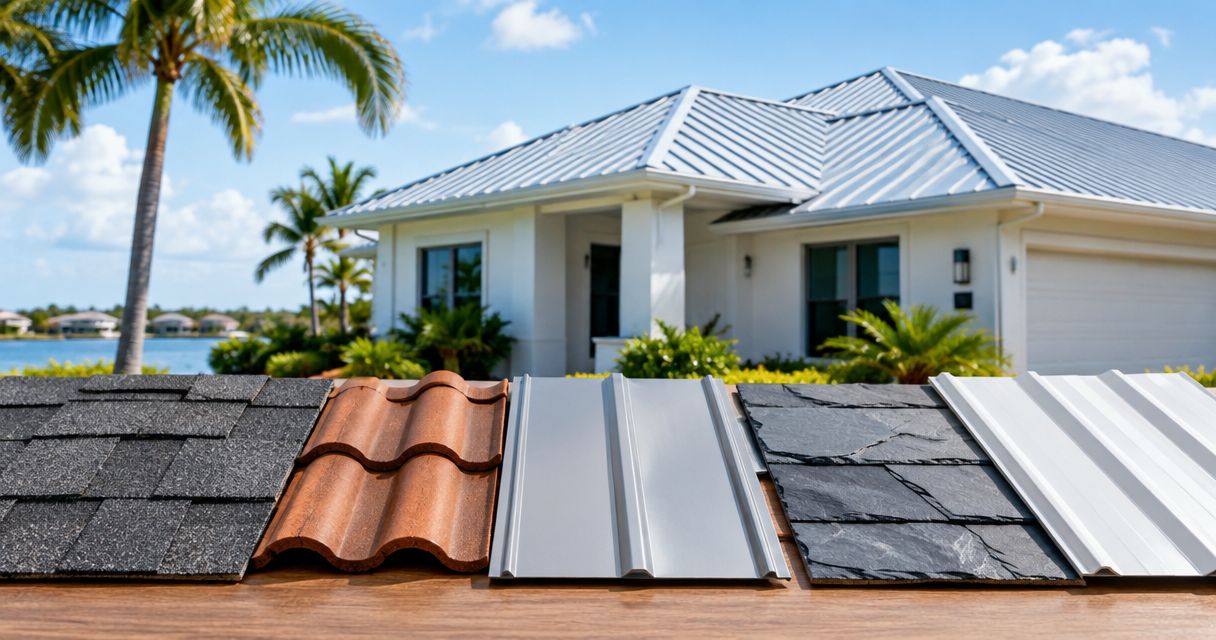
The National Association of Home Builders' Study of Life Expectancy of Home Components lists slate, copper, and clay/concrete roofing at 50 years or more, metal roofing at 40–80 years, and asphalt shingles, built-up roofing, and modified bitumen at approximately 20 years. These are broad component estimates, not predictions for a particular Florida commercial property.
The ranking below groups systems by those published longevity references. Tile and metal overlap; the final three share the same reference estimate. Their order reflects distinct building applications, not evidence that one universally outlasts another.
| Rank and system | Published reference | Best for | Standout feature | Key limitation |
|---|---|---|---|---|
| 1. Clay or concrete tile | 50+ years | Pitched hospitality and clubhouse roofs | Long-lived individual roof coverings | Underlayment and flashing have separate service lives |
| 2. Metal roofing | 40–80 years | Long-term ownership of pitched commercial buildings | Durable panel covering | Metal type, corrosion exposure, and connection details matter |
| 3. Built-up roofing | About 20 years | Low-slope buildings needing layered waterproofing | Multiple waterproofing plies | Weight and installation logistics require evaluation |
| 4. Modified bitumen | About 20 years | Low-slope buildings with repair-focused ownership | Reinforced asphalt sheets | Seams and installation method need careful detailing |
| 5. Asphalt shingles | About 20 years | Pitched office and small-business roofs | Individual overlapping units | Unsuitable for flat-roof applications |
Do not treat these figures as replacement deadlines or warranties. The metal estimate covers a broad category, not a guaranteed service life for every standing-seam assembly. Likewise, the tile estimate does not establish the life of its concealed waterproofing.
1. Tile: best commercial roofing for pitched hospitality buildings
Clay and concrete tile form a durable roof covering on buildings designed to support them. For pitched hotels, clubhouses, and similar properties, tile belongs on the shortlist when you want a long-lived covering and the building suits the assembly.
The published 50+ years reference concerns the roofing component. Water protection also depends on underlayment, flashing, penetrations, and attachment beneath and around the tiles.
Tile pros:
- Long published life-expectancy reference for the covering.
- Individual damaged tiles can be replaced where matching units are obtainable.
- Fits buildings already designed around tile roofing.
Tile cons:
- Structural capacity must suit the selected assembly.
- Tiles can break during storms or careless rooftop access.
- Concealed waterproofing needs evaluation even when tiles look sound.
Best for: Owners of suitable pitched hospitality or clubhouse buildings who will maintain the complete assembly, not just the visible tiles.
In a 2026 evaluation, ask whether the proposal replaces underlayment, flashing, and attachment components or only damaged tiles. Those are different scopes. A surface that looks intact does not prove that the roof beneath it is dry.
Verdict: Buy for a structurally suitable pitched building; skip tile as a solution for a flat roof.
2. Metal: best commercial roofing for long-term pitched-roof ownership
Metal roofing uses panels or other metal coverings to shed water. Standing-seam panels connect along raised seams, but the exact attachment and weatherproofing details depend on the selected system.
Metal is the default shortlist choice here for long-term ownership of a suitable pitched commercial building. The category's published 40–80 years reference supports a longevity discussion; it does not establish the lifespan of an unnamed panel, coating, or installation.
Metal pros:
- Long published life-expectancy range for the material category.
- Large panels reduce the number of individual covering units.
- Panel assemblies offer options for different commercial roof designs.
Metal cons:
- Coastal exposure requires attention to metal, coating, and fastener compatibility.
- Thermal movement must be addressed in the assembly details.
- Penetrations and perimeter connections remain potential leak points.
Best for: Businesses retaining a suitable pitched building and prioritizing a durable covering over repeated surface replacement.
Ask the contractor to identify the panel material, attachment method, coating, and flashing scope. “Metal roof” is not a complete specification. Require the proposal to address your building's exposure rather than treating all metal systems as interchangeable.
Verdict: Buy as the default long-life candidate for a suitable pitched commercial roof; hold until the exact assembly is specified.
3. Built-up roofing: best commercial roofing for layered low-slope protection
Built-up roofing combines multiple plies with asphalt or another specified bituminous material. It provides a layered waterproofing assembly for low-slope buildings rather than relying on overlapping units that shed water down a pitched roof.
The NAHB reference places built-up roofing at approximately 20 years. That estimate does not establish a service-life advantage over every modern single-ply membrane or every modified-bitumen assembly.
Built-up roofing pros:
- Multiple plies form the waterproofing assembly.
- Suits low-slope commercial roof configurations.
- Surfacing and assembly details can be specified for the building's use.
Built-up roofing cons:
- Assembly weight requires structural consideration.
- Installation logistics can affect an occupied business.
- Leaks can be difficult to trace when water travels beneath the surface.
Best for: Low-slope buildings whose structure and operating requirements suit a layered bituminous system.
Ask how the contractor will protect entrances, equipment, and occupied areas during installation. Also request the drainage and perimeter details. Adding waterproofing layers does not correct a drainage problem left beneath them.
Verdict: Buy when the building and installation plan suit built-up roofing; skip a proposal that leaves drainage unresolved.
4. Modified bitumen: best commercial roofing for repair-focused low-slope roofs
Modified bitumen uses reinforced asphalt sheets with polymers that change the material's properties. Sheets are installed using methods specified for the particular system, with seams and flashing forming part of the waterproofing.
Its approximately 20-year published reference matches the broad built-up roofing estimate. Choose between them on assembly suitability and service requirements—not an unsupported claim that one always lasts longer.
Modified bitumen pros:
- Reinforced sheets create a defined waterproofing surface.
- Compatible repairs can address localized damage.
- Different installation methods accommodate different project conditions.
Modified bitumen cons:
- Seam quality and flashing details are central to performance.
- Installation methods require site-specific safety planning.
- Rooftop equipment access needs designated protection.
Best for: Low-slope commercial properties where accessible repairs and clearly specified sheet installation matter.
For your 2026 scope, ask the contractor to identify the attachment method, layers, surfacing, and compatible repair materials. Do not accept “flat roof replacement” as the entire description. You need an assembly specification that future maintenance contractors can understand.
Verdict: Buy for a suitable low-slope roof with a documented installation and maintenance plan.
5. Asphalt shingles: best commercial roofing for pitched small-business buildings
Asphalt shingles are overlapping roof-covering units used on suitable pitched roofs. They belong in this comparison because some offices, retail buildings, and other small commercial properties use roof forms similar to residential buildings.
The NAHB reference lists approximately 20 years for asphalt shingles. That is not a Florida-specific forecast, and a product warranty does not establish how long the complete roof will remain serviceable.
Asphalt shingle pros:
- Fits many existing pitched small-commercial roof designs.
- Individual damaged areas can be evaluated for localized repair.
- Familiar covering format for buildings already using shingles.
Asphalt shingle cons:
- Not a flat-roof waterproofing system.
- Wind performance depends on the specified product and installation.
- Flashing and underlayment still need separate attention.
Best for: Pitched offices and small-business properties where shingles suit the building and ownership plan.
Do not choose shingles simply because an adjacent building uses them. Confirm the slope, attachment requirements, and flashing scope for your property. Compare the complete proposal with suitable metal alternatives if covering longevity is your priority.
Verdict: Buy when shingles fit the pitched building; skip them when the objective requires a low-slope membrane.
How we ranked these roofing systems
This 2026 ranking uses published component-life references first, then separates recommendations by roof geometry and business use. It is not a field-test ranking, and it does not assign Florida-specific lifespans without building-level evidence.
Tile leads for long-lived covering potential; metal is the default recommendation for suitable pitched commercial buildings. Built-up roofing, modified bitumen, and shingles share an approximately 20-year reference, so their applications—not an invented longevity gap—separate them.
Single-ply systems such as TPO, PVC, and EPDM also belong in low-slope evaluations. Their omission from this ranked table is not a judgment that they are inferior; compare the exact proposed assembly and supporting documentation before choosing a low-slope replacement.
Which commercial roofing should you choose?
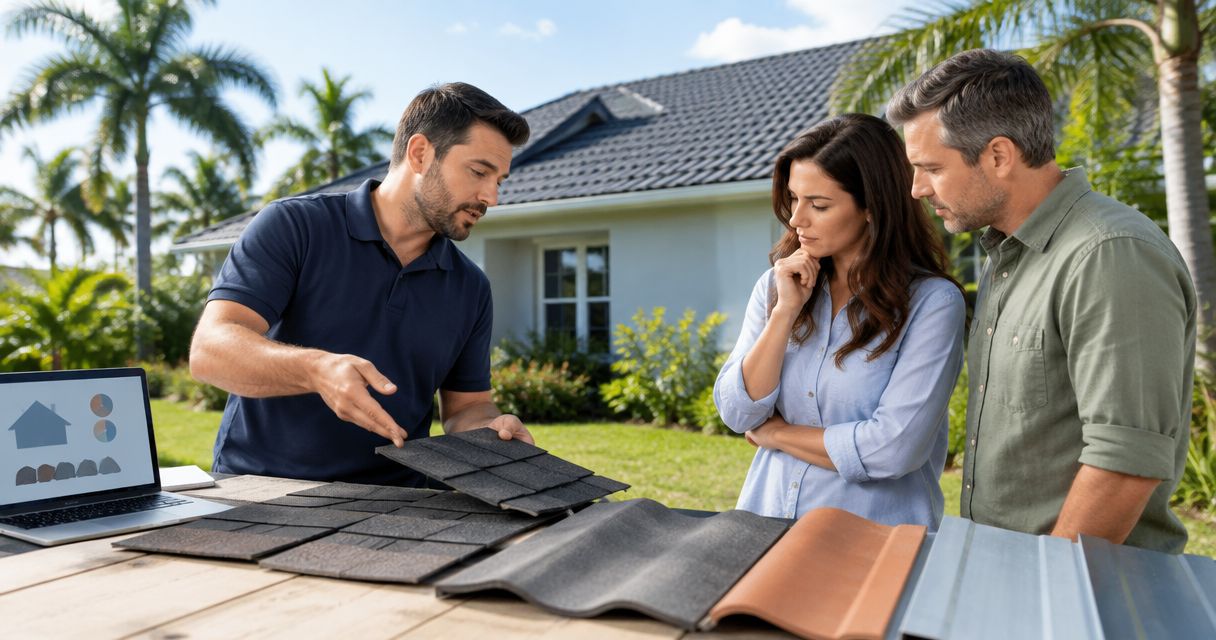
Choose metal as your starting point for a suitable pitched roof, and compare documented membrane assemblies for a low-slope roof. Choose tile when the structure, roof form, and maintenance plan support it. Existing roof geometry comes before the lifespan leaderboard.
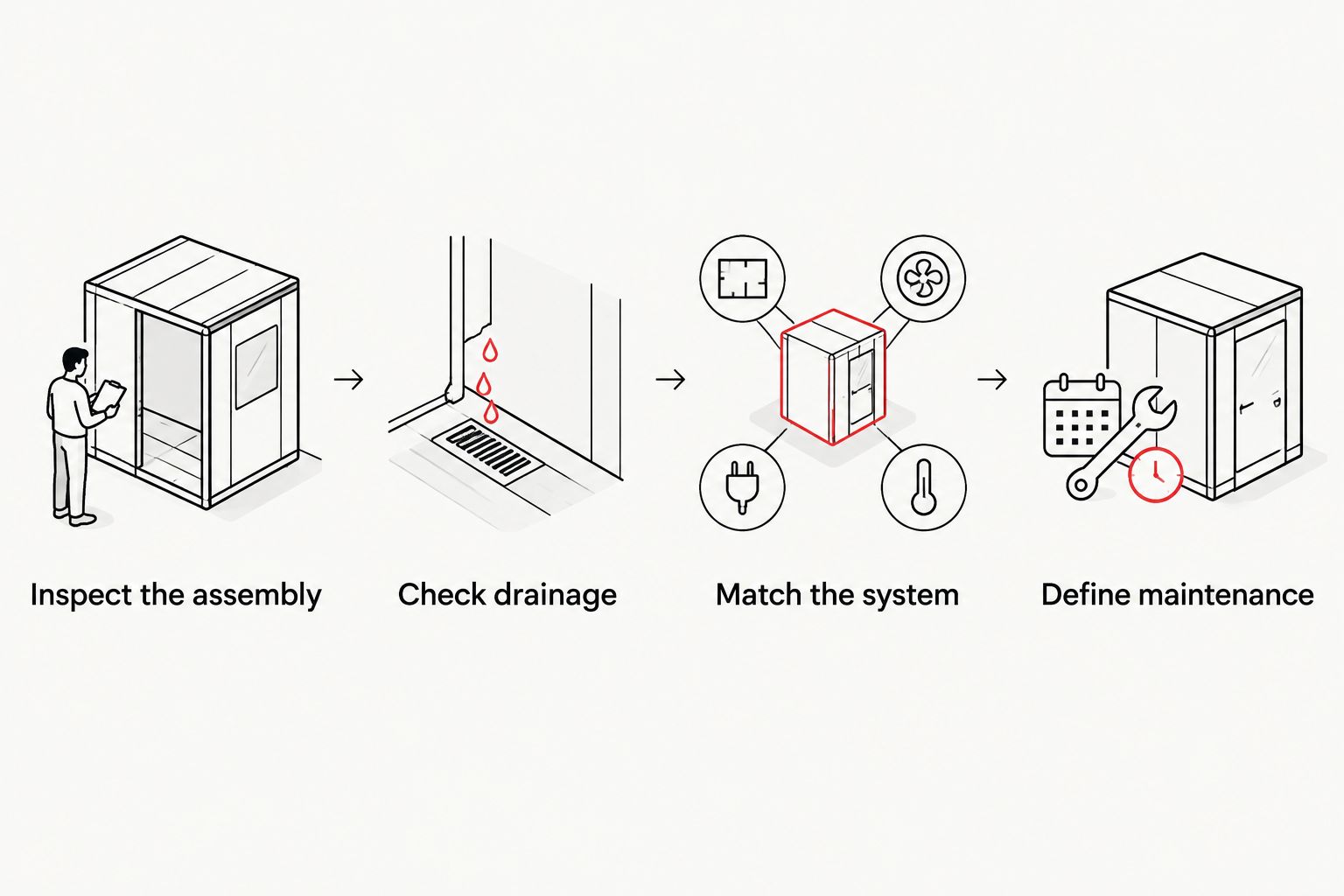
Use this sequence before authorizing work:
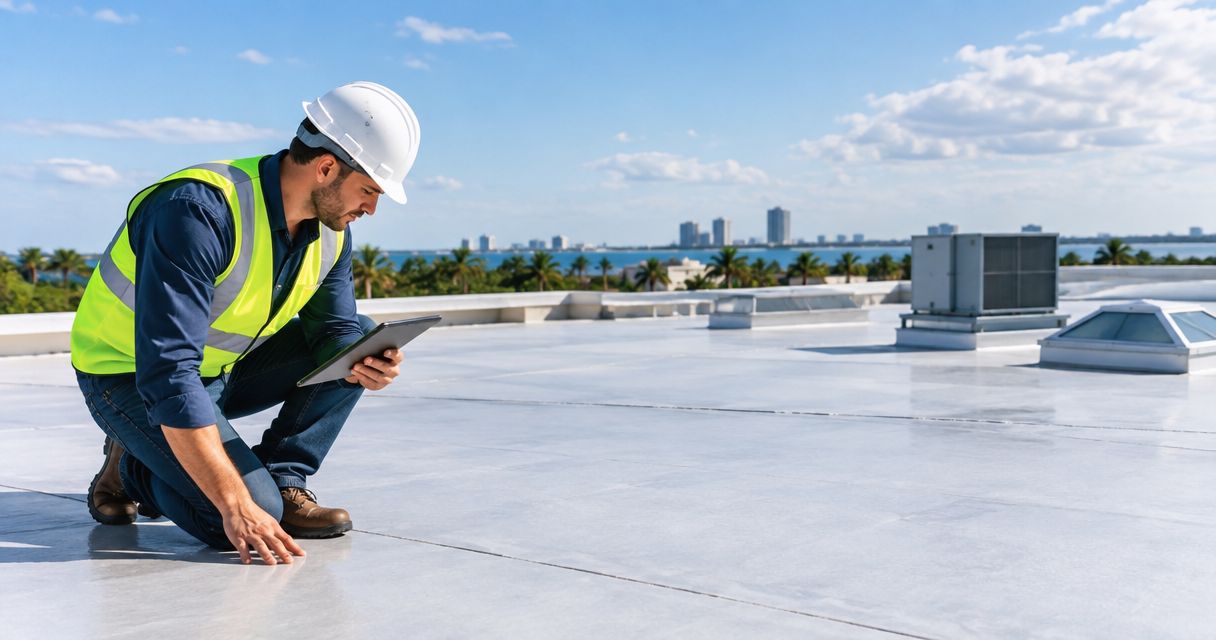
- Inspect the assembly: Document the covering, deck condition, leaks, and concealed damage.
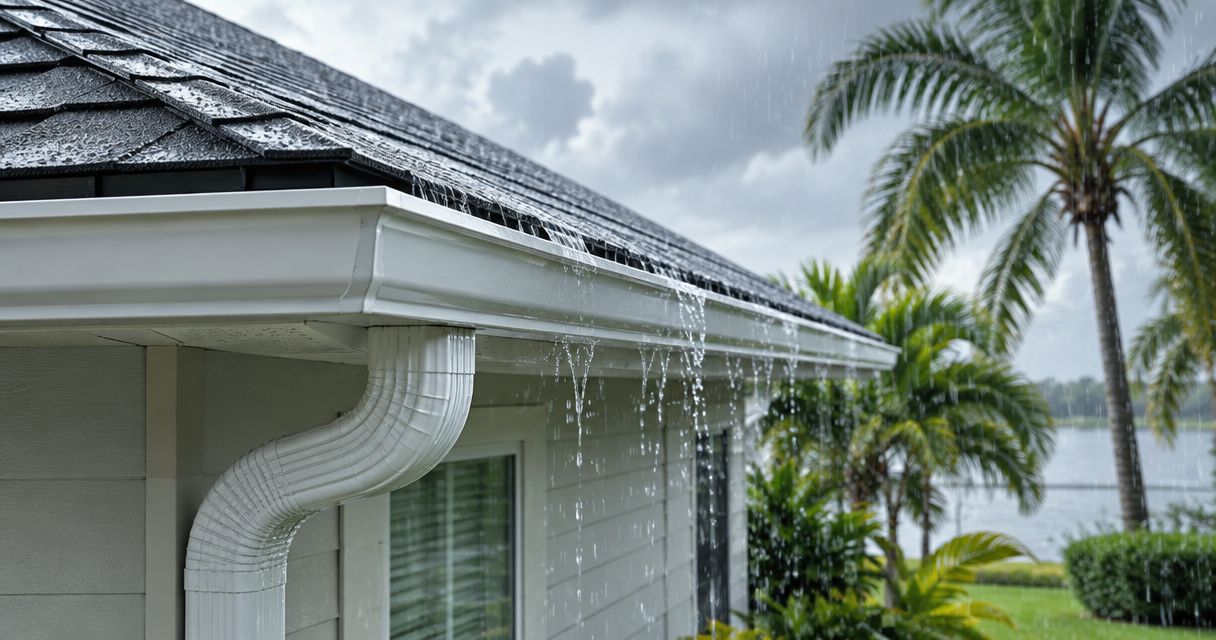
- Check drainage: Identify blocked outlets, drainage defects, and problem areas.
- Match the system: Compare assemblies appropriate for the building's slope and exposure.
- Define maintenance: Record inspection access, repair methods, and responsibility for rooftop work.
The sequence matters. Choosing a covering before checking the existing assembly can leave the replacement scope incomplete.
Roofsmartflorida provides commercial roofing installation, repair, and replacement across Southwest Florida. Request an honest evaluation of the existing roof before deciding whether a repair, partial intervention, or replacement is appropriate.
Request a roof evaluation
Discuss your commercial roof's condition and repair or replacement needs.
FAQ
What is the longest-lasting commercial roofing for Florida businesses?
Tile and metal lead the published longevity references used in this comparison. NAHB lists clay/concrete roofing at 50 years or more and metal at 40–80 years, but these component estimates do not guarantee the life of a complete Florida roof assembly.
Is metal roofing better than tile for a commercial building?
Metal is the default shortlist choice here for a suitable pitched commercial building under long-term ownership. Tile remains a strong option when the structure supports it and the owner accounts for underlayment, flashing, and maintenance.
How long does a commercial flat roof last?
The NAHB reference lists built-up roofing and modified bitumen at approximately 20 years. The actual roof requires an assessment of its assembly, installation, drainage, exposure, and condition rather than an age-only prediction.
Can roof tiles outlast the waterproofing underneath them?
Yes, roof tiles and the waterproofing beneath them have separate service lives. Intact tiles do not establish that underlayment, flashing, or the deck is in good condition.
Should I replace a commercial roof just because it reaches its estimated lifespan?
No, a published lifespan estimate is not an automatic replacement deadline. Base the decision on documented condition, leaks, repair history, and the extent of deterioration.
Does a longer roof warranty mean a longer roof lifespan?
No, warranty duration and roof service life are different measures. Read the actual coverage, exclusions, maintenance requirements, and installation obligations before comparing warranties.
What should I ask a commercial roofer before choosing a material in 2026?
Ask for the complete assembly specification, drainage assessment, attachment details, and maintenance requirements. Roofsmartflorida provides commercial roofing services for businesses across Cape Coral, Fort Myers, Naples, and surrounding Southwest Florida counties.
One last thing
Save the complete roof specification, not just the invoice. Future repairs depend on knowing what was installed: covering, waterproofing layers, attachment, flashing, and compatible materials. A well-documented 2026 installation gives the next contractor a useful starting point instead of a guess.
For low-slope roofs especially, keep drain locations and equipment-access routes with that record. The longest-lived covering on this list cannot compensate for a drainage defect nobody addresses.