An insurance-mandated roof replacement means your homeowners carrier has told you, in writing, that your roof no longer meets underwriting standards and must be replaced or repaired to keep the policy active or get a renewal offer. The letter usually gives you a window of 30 to 90 days and asks for proof of completed work or a signed contract before that date. The hidden cost most homeowners miss: even after replacement, you still need a new wind mitigation inspection and updated roof certification filed with the insurer, or the discount and renewal terms won't apply.
- An insurance-mandated roof replacement in Florida usually gives homeowners 30 to 90 days to replace or repair before non-renewal.
- Insurers in Florida commonly flag shingle and tile roofs once they pass 15-20 years old, regardless of visible damage.
- A 4-point inspection is the document most carriers require before they will consider renewal on an older home.
- Roof Smart of SW Florida handles the replacement and the paperwork insurers ask for, from permits to completion certificates.
- Florida law requires at least 45 days notice before an insurer non-renews a policy active more than 90 days.
Why this matters
Southwest Florida insurers got burned repeatedly on older roofs after Hurricane Ian and Hurricane Irma, and most carriers now underwrite the roof, not just the home. Miss the deadline in the letter and you are not facing a rate hike — you are facing non-renewal, which makes finding a new policy in Cape Coral, Fort Myers, or Naples materially harder and more expensive. The math is simple: a roof replacement costs money now, but a non-renewed policy costs more later, especially in Florida's strained homeowners insurance market in 2026.
How to handle an insurance-mandated roof replacement
Work through this in order. Skipping steps is what causes homeowners to blow past insurer deadlines.
- Read the letter for the actual deadline and reason code. Insurers cite age, material, or inspection findings, and the reason changes what documentation you eventually submit.
- Get a roof inspection scheduled within the first week. A licensed contractor's written assessment either confirms the insurer's finding or gives you grounds to dispute it.
- Request 2-3 written estimates, not verbal quotes. Insurers and lenders both want paper.
- Confirm permitting requirements with your county before work starts. Lee, Collier, and Charlotte counties each run their own permit timelines.
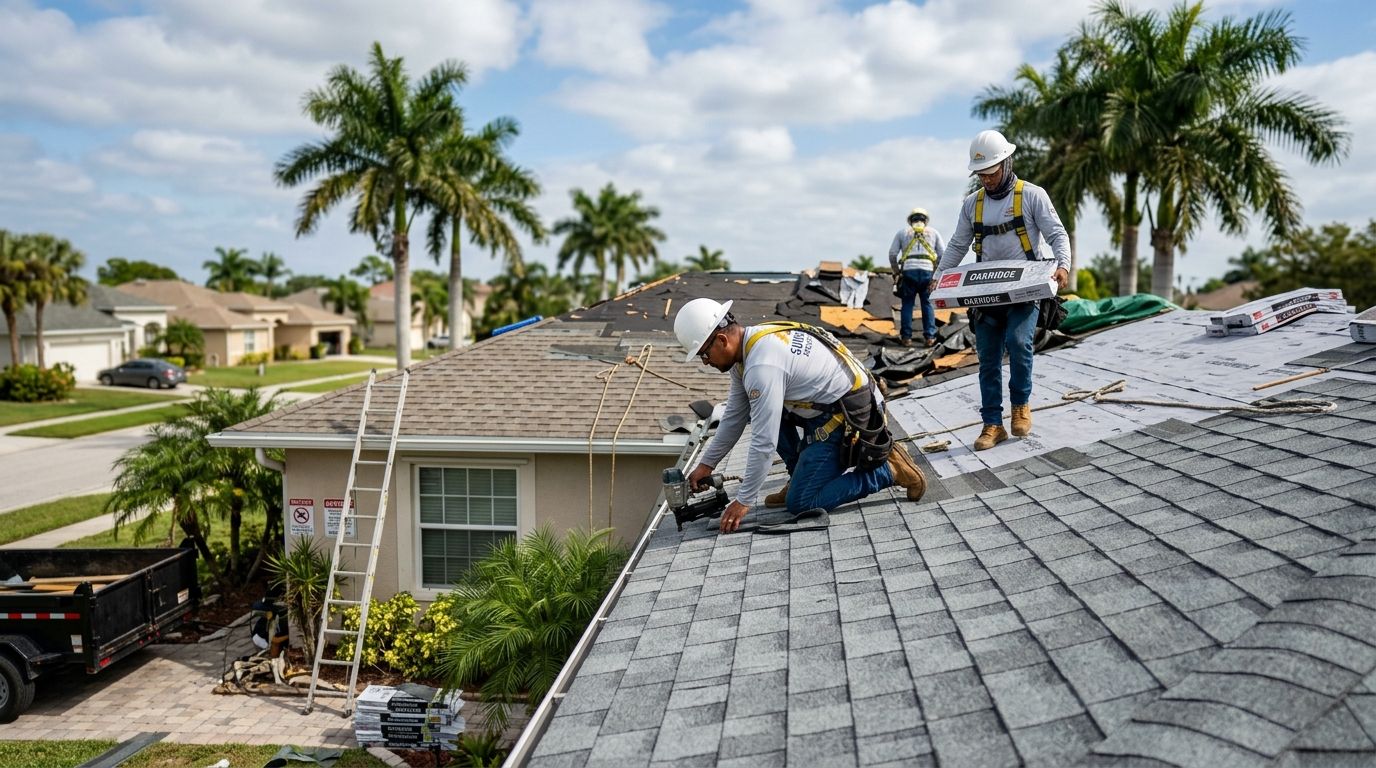
- Schedule the replacement and keep the signed contract as proof of compliance if your deadline is tight.
- Get a completion certificate and updated wind mitigation inspection once the new roof is installed, then send both to your insurer directly.
If the letter also mentions a 4-point inspection, understand what a 4-point roof inspection in Florida checks before you schedule the replacement. Sequencing those two steps wrong means paying for two inspections instead of one.
Roof age vs. insurer tolerance
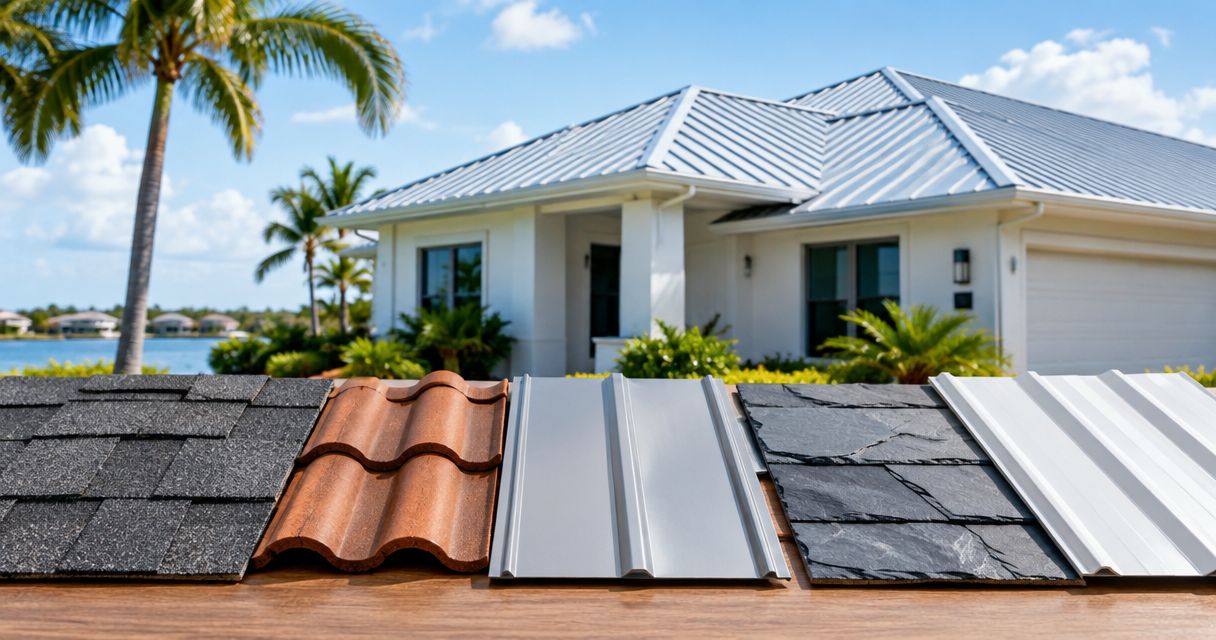
| Roof material | Age insurers typically flag | Common insurer action |
|---|---|---|
| Asphalt shingle | 15-20 years | Non-renewal or mandated replacement |
| Tile | 20-25 years | Inspection required, replacement if damaged |
| Metal | 30+ years | Rarely flagged unless visibly damaged |
| Flat / modified bitumen | 10-15 years | Frequently flagged, especially on commercial |
These are general underwriting patterns across Florida carriers, not guarantees. Some insurers set stricter cutoffs than others, and a documented recent replacement resets the clock regardless of the home's age.
Why insurers mandate roof replacement in Florida
- Age past the material's expected service life — the most common trigger, independent of visible leaks.
- Failed or missing wind mitigation credits, which signal the roof was not built or repaired to current wind-resistance standards.
- Prior storm damage claims on the property, even if repaired, that flag the roof for reinspection.
- A 4-point inspection finding noting deterioration, missing shingles, or exposed underlayment.
- Underwriter policy changes after major hurricane seasons, when carriers tighten roof-age thresholds across the board.
- Permit history gaps where no record exists of the roof ever being replaced or repaired to code.
The verdict: if your insurer sent a mandated replacement letter, treat the deadline as real. Florida carriers non-renew far more readily than they did before 2022, and getting reinstated after a lapse is slower and costlier than replacing on schedule.
Get your roof inspected before the deadline
Free, no-pressure evaluation for Cape Coral, Fort Myers, and Naples homeowners.
Related questions
How old can a roof be before insurance will not renew in Florida?
Most Florida insurers start flagging asphalt shingle roofs at 15-20 years old and tile roofs closer to 20-25 years, though exact cutoffs vary by carrier. A roof past that age with no documented repairs is the most common trigger for a non-renewal or mandated-replacement letter in 2026.
Does homeowners insurance cover the full cost of a mandated roof replacement?
Generally no. A mandated replacement letter is the insurer requiring you to fix the roof to keep coverage, not an offer to pay for it. Coverage for the replacement itself typically applies only when the damage came from a covered peril such as wind or hail, which runs through a separate claim process.
Can a wind mitigation inspection lower my premium after a mandated replacement?
Yes. A new roof installed to current wind-resistance codes typically qualifies for wind mitigation credits, and a wind mitigation inspection for insurance discounts documents that for the carrier. Skipping this step after replacement means paying for a roof upgrade without collecting the premium reduction it earned.
What if the damage came from a storm rather than age?
Storm-related damage follows the claim process, not the underwriting process, and the two have different deadlines and paperwork. Start with how to file a roof insurance claim after storm damage if a named storm or hail event caused the condition your insurer flagged.
Homeowners working through a mandated replacement in Southwest Florida often ask Roof Smart of SW Florida to handle both the roofing work and the insurer paperwork in one pass, since the completion certificate and the wind mitigation report need to reference the same installation date.
FAQ
What does it mean when insurance mandates a roof replacement?
It means your homeowners insurer found that your roof does not meet underwriting standards and requires replacement or repair by a set deadline to keep the policy active. The letter typically cites roof age, material, or a 4-point inspection finding as the reason.
How much notice does a Florida insurer have to give before non-renewal?
Florida law requires at least 45 days notice before an insurer non-renews a policy that has been in effect more than 90 days. Different notice periods apply to newer policies, so work from the exact date printed on your letter.
Can I dispute an insurance-mandated roof replacement?
Yes. A licensed roofer's written inspection can support a dispute when it contradicts the insurer's findings, though it does not always change the underwriting decision. Getting a second opinion within the first week after the letter arrives protects your options either way.
Will my insurance premium go down after a mandated roof replacement?
Often yes, because a new roof paired with an updated wind mitigation inspection can qualify for storm-resistance credits that most Florida carriers offer. The size of the change depends on the carrier and the specific credits your new roof earns.
Do I need a permit for an insurance-mandated roof replacement in Florida?
Yes. Roof replacement requires a county building permit in Lee, Collier, Charlotte, and every other Southwest Florida county. The completion certificate your insurer wants references that permit, so skipping it creates problems with the insurance paperwork later.
What happens if I miss the insurer's roof replacement deadline?
Missing the deadline typically results in non-renewal, which makes finding a new Florida homeowners policy harder and more expensive in 2026. Contacting the insurer before the deadline with proof of a signed roofing contract sometimes buys additional time.
Is a 4-point inspection the same as a wind mitigation inspection?
No. A 4-point inspection evaluates the roof, electrical, plumbing, and HVAC systems for overall condition, while a wind mitigation inspection documents storm-resistance features for discount eligibility. Mandated replacement letters often reference 4-point findings, but both inspections are usually needed separately.
Does roof age alone trigger a mandated replacement, or does damage matter too?
Age alone is often enough, since insurers commonly flag asphalt shingle roofs at 15-20 years regardless of visible damage. Documented storm damage or a failed 4-point inspection can trigger the same mandate on a much younger roof.
One last thing
The step homeowners skip most often is not the replacement itself. It is sending the completion certificate and the updated wind mitigation report back to the insurer inside their filing window. A roof replaced correctly but never documented with the carrier can still end in non-renewal, because as far as the insurer's file shows in 2026, nothing changed on your house.