Roof repair vs roof replacement is not a choice you should make from one ceiling stain or a quick look from the driveway. This 2026 Florida guide shows you what to check, what an honest evaluation should cover, and when Roof Smart of SW Florida recommends fixing the problem instead of replacing the whole roof.
- Roof Smart of SW Florida verdict: isolated damage calls for repair; repeated leaks or widespread failure calls for replacement.
- In 2026, document water entry, damaged materials, and repair history before accepting a roofing recommendation.
- Shingle, metal, tile, and flat roofs need different repair-versus-replacement checks.
- A no-pressure roof evaluation should explain the problem, the practical options, and the next step in plain language.
Why this matters
A roof problem becomes expensive when the visible symptom gets treated instead of the source. A stain, loose shingle, slipped tile, or damp soffit can come from a small repairable issue, but it can also point to a larger breakdown in the roofing system. The right first move is to determine whether the damage is isolated and whether the surrounding roof is still dependable.
Roof repair services make sense when a clear issue can be corrected without putting a temporary patch over a broader failure. Roof Smart of SW Florida evaluates homes and commercial properties across Naples, Collier County, Bonita Springs, Lehigh Acres, Sarasota County, and surrounding Southwest Florida areas with that distinction in mind.
In 2026, homeowners should expect a roofing company to explain what it sees, what it does not see, and why repair or replacement is the more practical option. A recommendation without that explanation is not enough.
What you will need before deciding
You do not need to climb onto the roof or diagnose the problem yourself. You do need a short record of what has changed and when it changed.
- Photos of ceiling stains, dripping water, loose materials, and exterior damage from the ground
- Notes on when the leak or damage first appeared and whether it happens only during wind-driven rain
- Any records of previous roof repairs, storm damage, inspections, or insurance work
- A list of rooms affected, including attic spaces, garages, and additions
- Questions about the roof type: shingle, metal, tile, flat, or low-slope
- A licensed roofing professional who can inspect the roof safely and explain the findings clearly
The goal is not to build a case for replacement. The goal is to give the roofing professional enough context to find the real cause and recommend the smallest sensible scope of work.
The steps
1. Document the active problem
Start with what you can see safely from inside and from the ground. Take photos of water stains, cracked or missing materials, damaged fascia, loose gutters, or debris left after a storm. Note whether the issue appeared after one event or has returned more than once.
This record helps separate a new, isolated problem from a recurring one. A single wet spot that appears during one heavy storm is different from a leak that returns after every rain. Do not climb onto the roof to get closer photos. Roof Smart of SW Florida can inspect the roof surface and the transition points where leaks often start.
Common mistake: treating the ceiling stain as the leak location. Water can travel along framing before it becomes visible indoors.
2. Identify whether the damage is isolated or widespread
The repair-versus-replacement decision begins with coverage. A few damaged shingles, one flashing failure, or a limited leak around a roof penetration can be repair work when the surrounding materials remain secure. Damage across multiple roof sections, repeated leaks, or widespread material failure needs a broader conversation.
Ask the roofer to show you where the problem begins and how far it extends. The useful question is not "Can this be repaired?" Nearly every roof can receive a repair. The useful question is "Will this repair solve the cause of the problem and leave the rest of the roof dependable?"
In 2026, a repair should have a clear purpose: stop active water entry, restore a failed component, or correct a limited damaged area. If the proposed repair does not do one of those things, ask for a better explanation.
3. Match the decision to the roof system
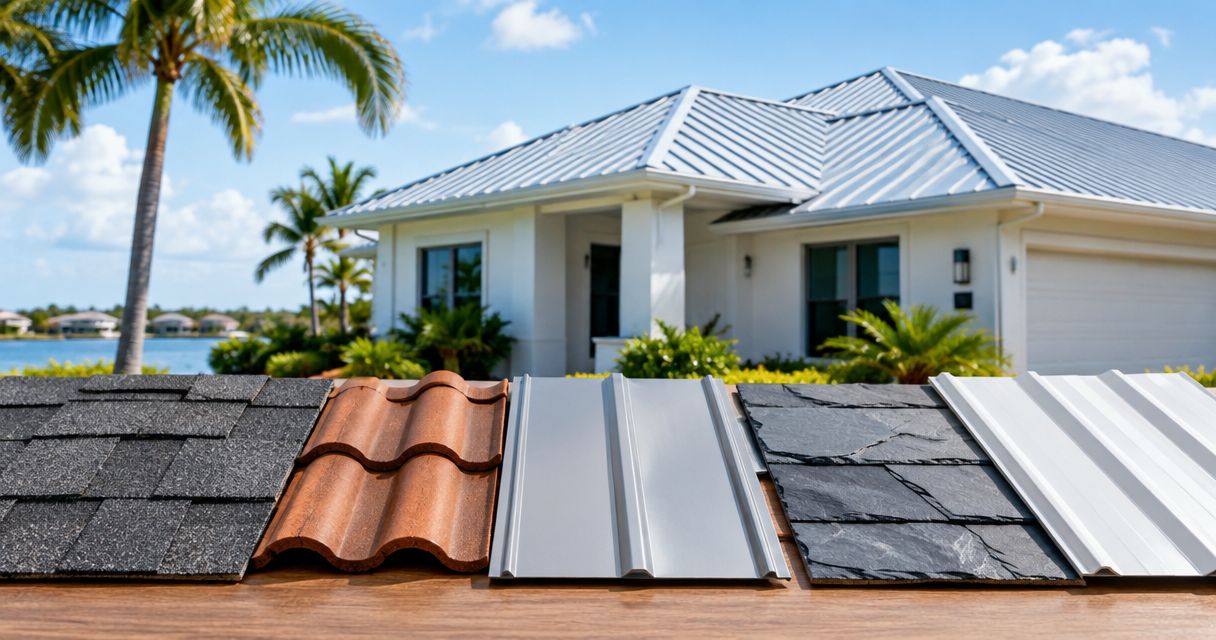
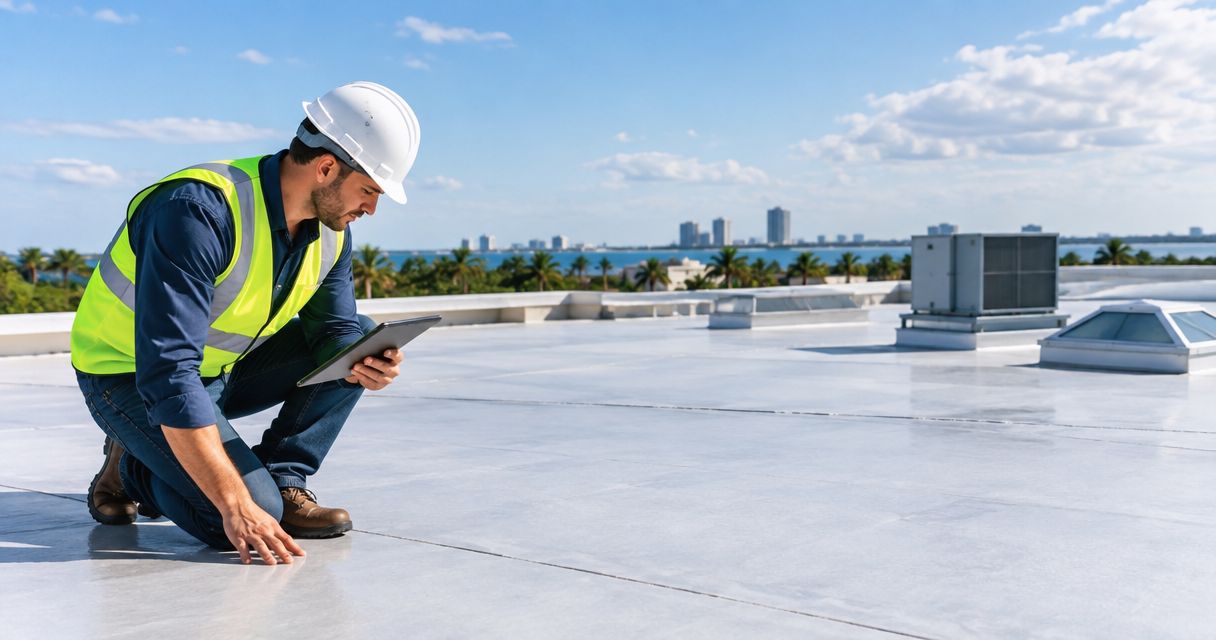
Every roofing material shows wear differently. Shingle roofs can show missing, lifted, cracked, curled, or worn materials. Tile roofs need close attention to cracked, sliding, or missing tiles and the layers beneath them. Metal roofs can develop issues around panels, fasteners, seams, flashings, and penetrations. Flat and low-slope roofs require a careful look at seams, drainage, pooling, and surface condition.
A repair plan should match the actual roof system, not use one generic answer for every property. If you are weighing a long-term material change during replacement, metal roofing is one option Roof Smart of SW Florida can discuss alongside shingle, tile, and flat-roof systems.
Expected outcome: you understand which component failed, why it failed, and whether compatible repair materials are available for your roof.
4. Review your repair history honestly
Past repairs matter because they show whether the roof is dealing with one-off damage or a repeating pattern. Pull together prior invoices, inspection notes, and photos if you have them. A roof that needed one focused repair after a storm is different from a roof that has required repeated leak work in several areas.
This is also the point to talk about the effect of a repair on the rest of the roof. A repair can be the correct choice even on an older roof when the issue is contained. Replacement becomes the stronger choice when the roof has multiple active concerns and each new repair only addresses the next symptom.
Roof Smart of SW Florida should be able to explain that difference without pressure. You should leave the evaluation knowing what a repair would address, what it would not address, and what signs would change the recommendation later.
5. Compare the practical scope of repair and replacement
Repair is usually the right path when the roof has a defined problem, the rest of the system is in sound condition, and the work can be completed with compatible materials. Replacement is usually the right path when deterioration is broad, leaks keep returning, or multiple roof areas need correction at once.
Do not compare only the first number on an estimate. Compare the work scope. A repair estimate should state the affected area, the materials being addressed, and the reason the work should stop the issue. A replacement estimate should state the roof system being removed or covered, the new system being installed, and the work around flashing, penetrations, drainage, and cleanup.
For a full-roof decision, roof replacement should begin with a material and installation conversation, not a rushed choice based on color alone. Ask what coverage applies to your selected roof system and project before you approve the work.
6. Check the roofline, drainage, and adjacent components
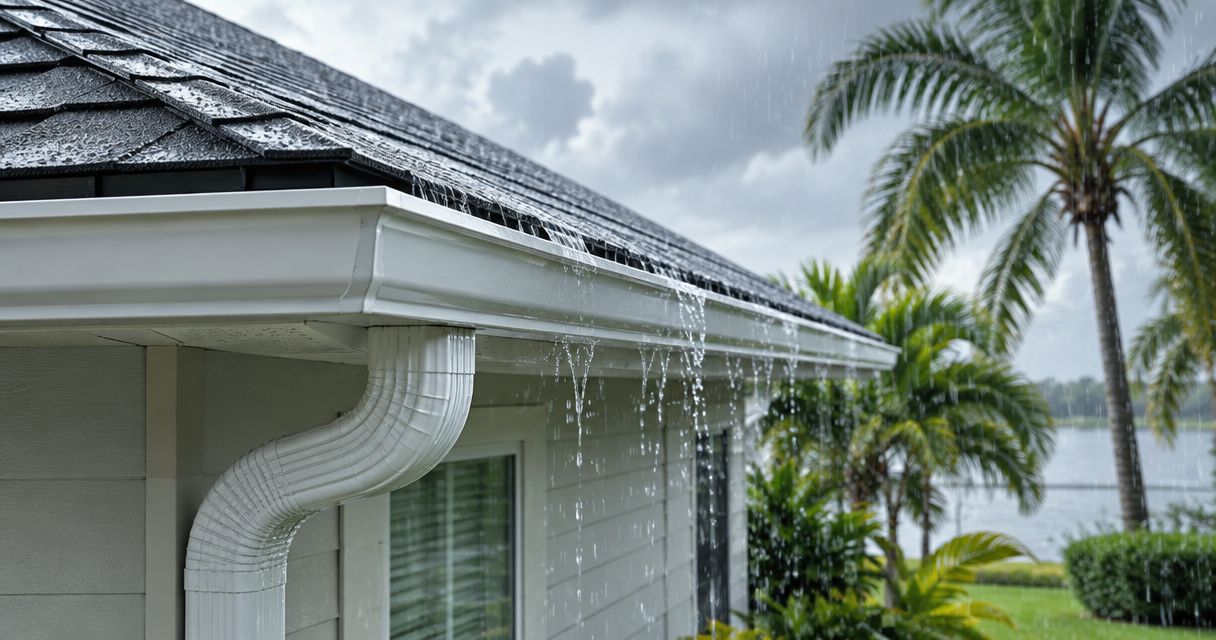
A roof does not work alone. Gutters, soffit, fascia, flashing, roof edges, and drainage all affect how water moves away from the structure. A roof repair can fail early when water is still reaching a damaged fascia board or backing up at a transition point. A replacement can also miss the mark if the roofline problems are not addressed at the same time.
During a 2026 evaluation, ask whether damaged gutters, fascia, soffit, or wind-related concerns should be part of the same work plan. On low-slope or commercial properties, flat roofing services are especially dependent on proper drainage and condition at seams and penetrations.
Common mistake: approving roof work without asking what happens at the edges. The roof field may look sound while water is entering around flashings, vents, gutters, or fascia.
7. Get the recommendation in plain language
Before you choose repair or replacement, ask for a simple answer to five questions:
- What is causing the problem?
- Which roof areas are affected today?
- What does the repair solve, and what does it leave unchanged?
- What does replacement solve that repair does not?
- What should you watch for if you choose the smaller repair now?
A good recommendation makes the tradeoff clear. It does not use fear, vague warnings, or pressure. Roof Smart of SW Florida is built around Quality, Honesty, and Dependability, so the final answer should be one you can understand before any work begins.
Troubleshooting common decision problems
The roof leaks, but the exterior looks fine
A roof can leak around flashing, vents, valleys, seams, or roof edges even when the main roof surface looks normal from the ground. Ask for an inspection that traces the water path rather than assuming the nearest visible roof area is the cause.
One repair was completed, but the leak came back
A recurring leak does not automatically mean the entire roof needs replacement. It does mean the original cause may not have been fully identified or another nearby component has failed. Ask for a review of the repair area and the surrounding transitions.
The roof has storm damage in more than one place
Document the damage and request an evaluation of the full roof system. Multiple damaged areas can change the best scope of work, especially when roof materials, flashings, gutters, or fascia have all been affected.
You are unsure whether the roof is shingle, tile, metal, or flat
Do not guess based on appearance alone. A roofing evaluation should identify the material and the repair method that fits it. Tile, metal, shingle, and flat roofs each need different checks.
You are worried a roofer will push replacement
Ask for the reason in writing. A trustworthy estimate makes clear what repair can accomplish, what replacement accomplishes, and why one choice is being recommended. You are entitled to an honest evaluation before you approve work.
Your gutters or fascia are damaged too
Treat the roofline as one system. Water-management problems can affect fascia, soffit, and the roof edge, so ask whether those items need repair before or alongside roofing work.
Tools and resources
- Your roof repair history, photos, and any storm documentation
- A written scope that explains the recommended work in plain language
- A safe roof inspection by a qualified roofing professional
- Roof replacement guidance for a full-roof decision
- Flat roofing guidance for low-slope and commercial properties
FAQ
How do I know if I need roof repair or roof replacement in 2026?
You need roof repair when the damage is isolated and the surrounding roof remains dependable. You need a replacement conversation when leaks repeat, deterioration affects multiple areas, or repair will not solve the broader problem.
Can a roof leak be repaired without replacing the roof?
Yes, a roof leak can often be repaired when the source is limited to a defined area such as flashing, a penetration, a seam, or damaged materials. The repair must address the source of the water entry, not only the interior stain.
Is roof repair versus roof replacement different for tile roofs?
Yes, tile roofs need a material-specific inspection because visible tile damage is only part of the roofing system. The evaluation should check the affected tiles and the components beneath and around them.
Can metal roofing be repaired?
Yes, metal roofing can be repaired when the issue is limited to a panel, fastener, seam, flashing, or penetration. A roofing professional should identify the exact component before recommending broader work.
Should gutters be checked during a roof inspection?
Yes, gutters, fascia, soffit, and roof edges affect how water leaves the roofline. Damage in these areas can contribute to water problems even when the main roof surface appears sound.
What should a roof repair estimate include?
A roof repair estimate should identify the affected area, explain the cause being addressed, list the planned work, and state what the repair is expected to solve. Ask what conditions would require a different scope after the inspection.
Does Roof Smart of SW Florida serve Naples, Collier County, Bonita Springs, Lehigh Acres, and Sarasota County?
Yes, Roof Smart of SW Florida serves those active campaign areas and surrounding Southwest Florida communities. The company provides residential and commercial roofing repair, replacement, and material-specific roofing services.
What should I do after wind or storm damage in 2026?
Take safe photos from the ground, document interior water entry, and arrange a roof evaluation promptly. Do not climb on a damaged roof or assume there is no problem because the damage is not obvious from the driveway.
One last thing
The right answer is not always the biggest project. In 2026, the best roofing decision is the one that solves the real problem, protects the rest of the property, and gives you a clear plan for what comes next. If you have a roof concern, Roof Smart of SW Florida can provide a no-pressure evaluation and explain your options plainly.