A well-maintained clay or concrete tile roof in Southwest Florida lasts 50 years or more, but the underlayment sitting underneath those tiles typically fails around year 20 to 25 — long before the tiles themselves show any damage. The tiles get the credit, the underlayment does the actual waterproofing, and most tile roof failures in Cape Coral, Fort Myers, and Naples trace back to nobody replacing that layer on schedule.
- Clay and concrete tile last 50+ years, but underlayment fails around year 20-25 and is the real limiting factor.
- Extending the life of a tile roof in Florida means protecting the underlayment, not just the visible tiles.
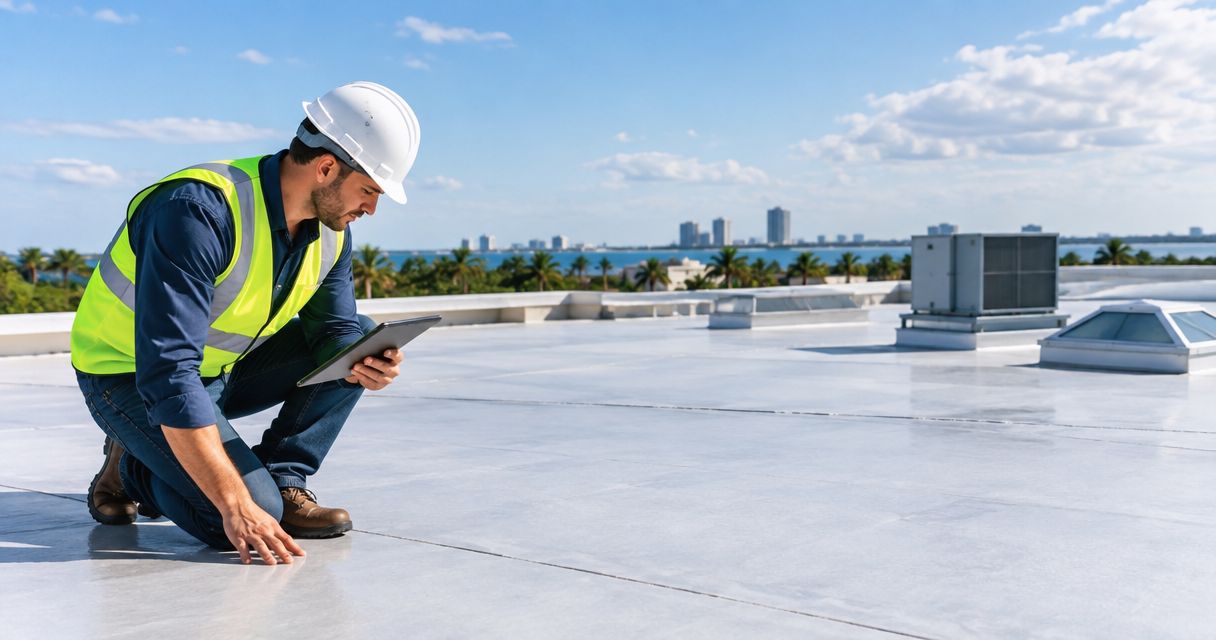
- Twice-yearly inspections catch cracked or slipped tiles before water reaches the deck below.
- Walking on tile incorrectly is one of the most common causes of hidden hairline cracks in SW Florida homes.
Why this matters
Tile is one of the most durable roofing materials sold in Florida, which is exactly why homeowners get complacent about it. The tiles can look pristine at year 30 while the underlayment underneath has already turned brittle from decades of heat and UV exposure. Once that happens, a single cracked tile lets water reach the deck, and repair costs stop being minor.
Salt air, afternoon storms, and intense UV are the three forces working against every roof in Cape Coral, Fort Myers, and Naples in 2026. Tile handles all three better than shingle or metal over the long run — but only if the underlayment gets attention on a schedule, not after a leak shows up on the ceiling.
How to extend the life of a tile roof in Florida
The roofs that make it to 50 years share the same maintenance pattern. The ones that need full replacement at 25-30 years almost always skipped one of these:
| Action | Frequency | Why it matters |
|---|---|---|
| Visual inspection | Twice a year (spring + after hurricane season) | Catches cracked, slipped, or lifted tiles early |
| Underlayment check | Every inspection, closer look at year 15+ | Underlayment fails silently under intact-looking tile |
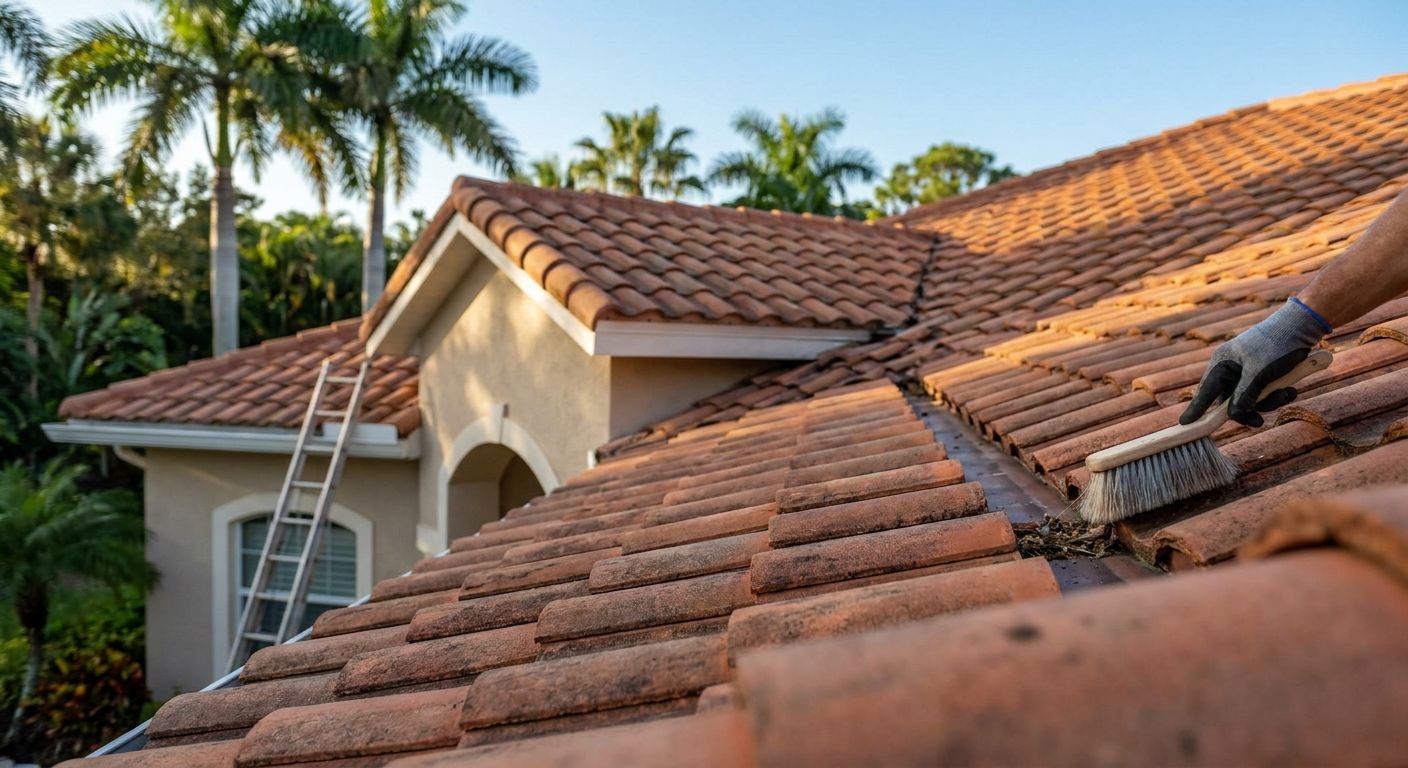
| Debris and moss removal | 1-2x a year | Trapped moisture accelerates tile and underlayment breakdown |
| Broken tile replacement | Within days of discovery | A single cracked tile is the entry point for water |
| Gutter and valley clearing | Before rainy season | Blocked drainage backs water up under tile edges |
| Foot-traffic control | Ongoing | Improper walking cracks tile from underneath, invisible until it leaks |
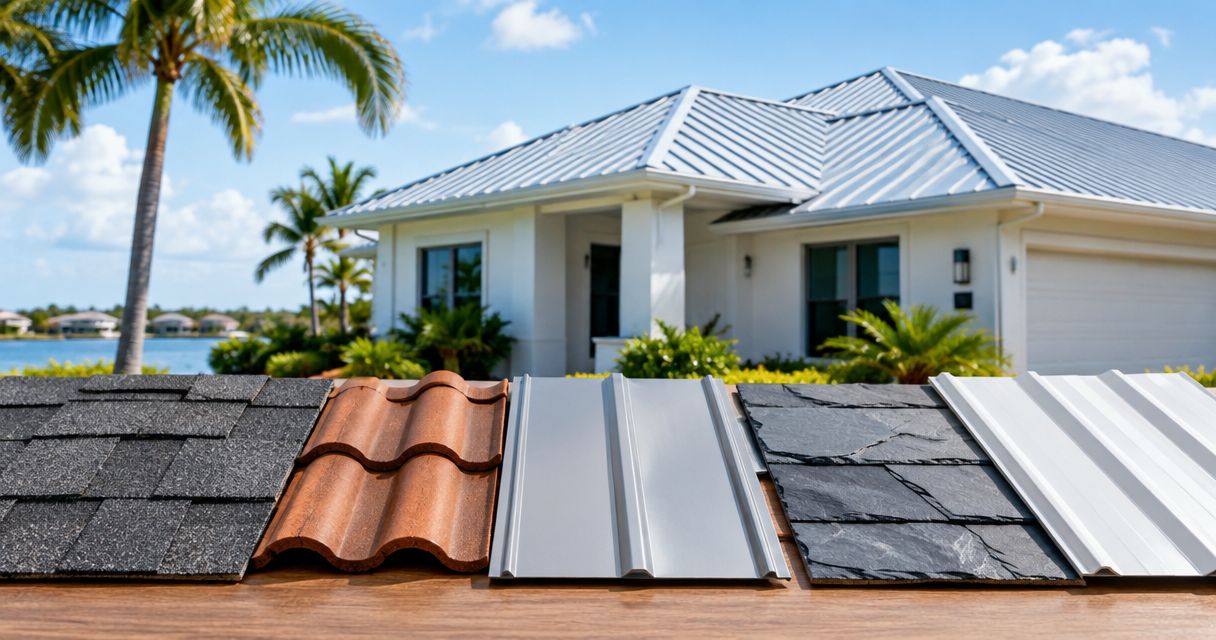
See the best tile roofing options for Southwest Florida homes if you're comparing clay against concrete before a replacement decision — the material choice affects how this maintenance schedule plays out over 40-50 years.
Underlayment replacement: the real end-of-life event
Most homeowners think a tile roof's lifespan is set by the tile. It isn't. Concrete and clay tile routinely outlast two full underlayment cycles when the roof is properly maintained. The underlayment — felt or synthetic material laid under the tile — is what actually keeps water out, and Florida's heat degrades it faster than almost anywhere else in the country.
Around year 20-25, underlayment starts to crack, shrink, and lose its seal around fasteners and flashing points. Tiles can be lifted and reset over a still-serviceable underlayment, which is why a tile roof over strong underlayment can look brand new at year 30 while a tile roof over failing underlayment leaks at year 22. If a roof is approaching that window, ask specifically about the roof underlayment built for Florida humidity and heat rather than just requesting a general repair.
Broken and cracked tiles: replace within days, not seasons
A single cracked tile does not fail the roof — it fails the roof if left alone. Water finds the crack, tracks down to the underlayment, and starts a slow leak that can run for months before it shows up as a ceiling stain. That delay is where a $150 tile swap turns into a $4,000 deck repair.
Tile roofs also crack from the inside when someone walks on them wrong. Roofers know where to step; homeowners, pressure-washing crews, and satellite installers often don't. Every cracked tile should get replaced within days of discovery, not at the next scheduled inspection.
Gutter and drainage maintenance: keep water moving off the tile
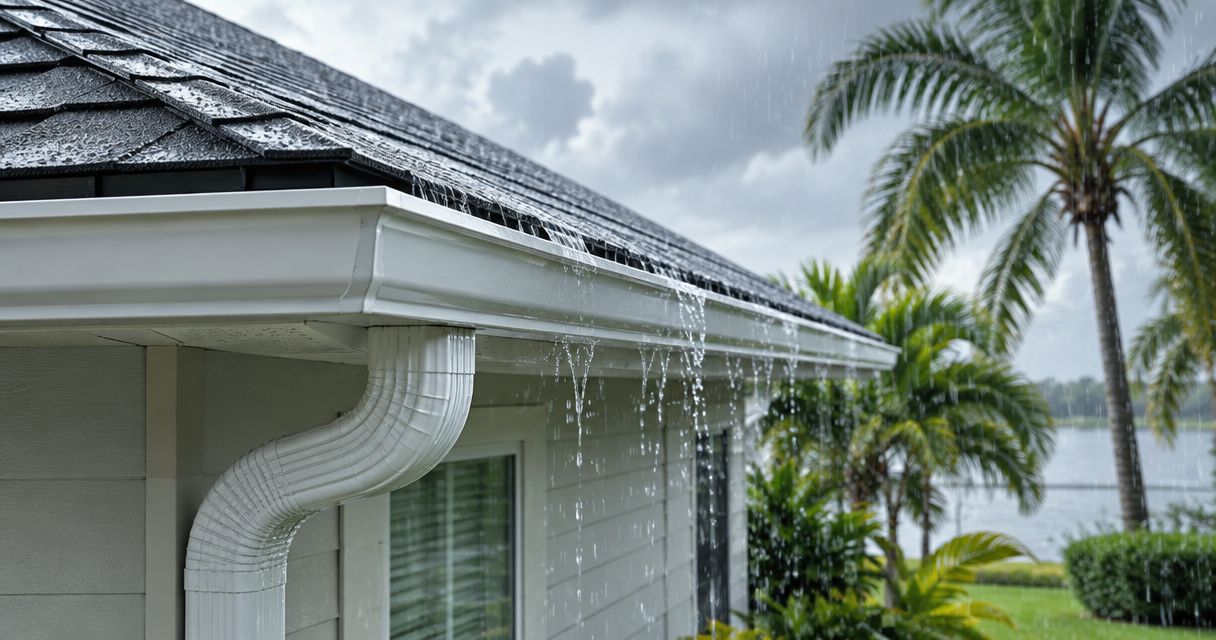
Clogged gutters and valleys back water up under tile edges, especially during the heavy afternoon storms common from June through September. Standing water at a tile edge accelerates underlayment breakdown at exactly the spot where leaks are hardest to trace. Clearing gutters and valleys twice a year — spring and right before hurricane season — is one of the cheapest things a homeowner can do to protect the underlayment underneath tile.
Get your tile roof inspected before storm season
A twice-yearly check catches underlayment and tile problems while repairs are still small.
Why tile roof lifespan varies so much
Two identical tile roofs installed the same year can be 15 years apart in remaining life. The gap comes down to a short list of factors:
- Coastal salt exposure — homes closer to the Gulf see faster fastener corrosion and underlayment breakdown
- Install quality — poor flashing and underlayment installation shortens life regardless of tile grade
- Underlayment type — synthetic underlayment generally outperforms older felt products in Florida heat
- Storm frequency and intensity — repeated hurricane seasons stress flashing and fasteners even when tiles hold
- Foot traffic — solar installers, satellite crews, and pressure washing without proper technique crack tile from beneath
- Maintenance consistency — roofs inspected twice a year consistently outlast roofs checked only after a visible leak
Homeowners preparing for storm season should walk through how to prepare your roof for hurricane season in SW Florida before June, since pre-season prep is the single highest-leverage maintenance window on the calendar.
How often should a tile roof be inspected in Florida?
A tile roof in Florida should be inspected twice a year — once in spring and once immediately after hurricane season — plus an additional check after any named storm with sustained winds. Skipping the post-storm check is the most common gap; wind-driven debris cracks tiles that look fine from the ground.
Does a wind mitigation inspection affect tile roof maintenance?
A wind mitigation inspection documents the roof's construction and tie-down features for insurance purposes, and it often surfaces maintenance issues at the same time. Homeowners scheduling a wind mitigation inspection in Naples frequently get an early look at flashing or fastener issues that would otherwise go unnoticed until the next storm.
Is it worth repairing tile roof damage instead of replacing the whole roof?
Repair makes sense when the underlayment is still within its 20-25 year window and damage is limited to a handful of tiles or a section of flashing. Once underlayment has failed broadly, repair becomes a stopgap — the comparison in roof repair vs roof replacement in Florida breaks down which situation applies.
FAQ
How long does a tile roof last in Florida?
A clay or concrete tile roof lasts 50 years or more in Florida when maintained on schedule. The underlayment beneath the tile is the limiting factor, typically needing replacement around year 20-25 regardless of how the tiles look.
What is the best way to extend the life of a tile roof in Florida?
The best way to extend a tile roof's life is twice-yearly inspection combined with prompt replacement of cracked tiles and scheduled underlayment attention starting around year 15-20. Skipping either step is what shortens tile roof lifespan in Southwest Florida.
Does walking on a tile roof damage it?
Yes, walking on tile incorrectly cracks it from underneath, often without visible damage on top. Anyone accessing a tile roof for solar, satellite, or cleaning work should know proper foot placement or the crack goes unnoticed until it leaks.
How much does tile roof underlayment replacement cost compared to full replacement?
Underlayment replacement typically costs less than full roof replacement because the existing tiles are lifted, inspected, and reset rather than discarded. Full replacement becomes necessary once tile breakage is widespread or the roof is well past 40-50 years.
Is concrete tile or clay tile better for Southwest Florida homes?
Both concrete and clay tile last 50 years or more in Florida when maintained properly, with the choice usually coming down to weight, cost, and architectural style rather than durability. A side-by-side comparison of both options helps before committing to either.
Does moss or algae shorten a tile roof's life?
Moss and algae growth traps moisture against tile and underlayment, accelerating breakdown over time. Removing growth once or twice a year prevents it from becoming a long-term moisture problem.
Do hurricanes damage tile roofs more than shingle roofs?
Properly installed tile roofs handle high wind well, but wind-driven debris can crack individual tiles during storms regardless of roof type. A post-storm inspection after any named hurricane catches this damage before water reaches the underlayment.
One last thing
The number that surprises most homeowners: a tile roof's tile almost never causes the failure. It's the underlayment, quietly aging under intact-looking tile for two decades, that decides whether a roof makes it to 50 years or needs full replacement at 28. Schedule the underlayment check at the same time as the tile inspection — not after the first ceiling stain.