Hurricane season in Southwest Florida runs June 1 through November 30, and the roof over Cape Coral, Fort Myers, or Naples is the single biggest factor in whether a storm becomes an inconvenience or a total loss. Preparing it before the 2026 season starts means checking the structure, clearing the water paths, and confirming the paperwork that keeps your insurance discount intact.
- Schedule a roof inspection every spring, before the June 1 start of Florida hurricane season.
- A current wind mitigation inspection is the fastest way to lower windstorm insurance premiums in 2026.
- Clean gutters and secured tile or shingle fields matter more than roof age alone once winds exceed tropical-storm force.
- Roof Smart of SW Florida handles inspection, repair, and wind mitigation reports across Cape Coral, Fort Myers, and Naples.
Why this matters
Florida Building Code requires wind-rated materials and fastening for a reason: SW Florida sits directly in the path of Gulf and Atlantic storm tracks, and roof failure is the leading cause of interior storm damage claims. A roof that passed inspection five years ago isn't automatically ready for the 2026 season — UV exposure, humidity, and prior storm stress degrade materials every year, even when nothing looks visibly broken from the ground.
Insurers also weigh roof condition directly into premiums through the wind mitigation inspection form (OIR-B1-1802). Skipping that inspection before hurricane season doesn't just risk storm damage — it risks leaving a documented discount unclaimed.
How do you prepare your roof for hurricane season in Florida?
Work through these steps in order, starting no later than May, before the June 1 official start of hurricane season:
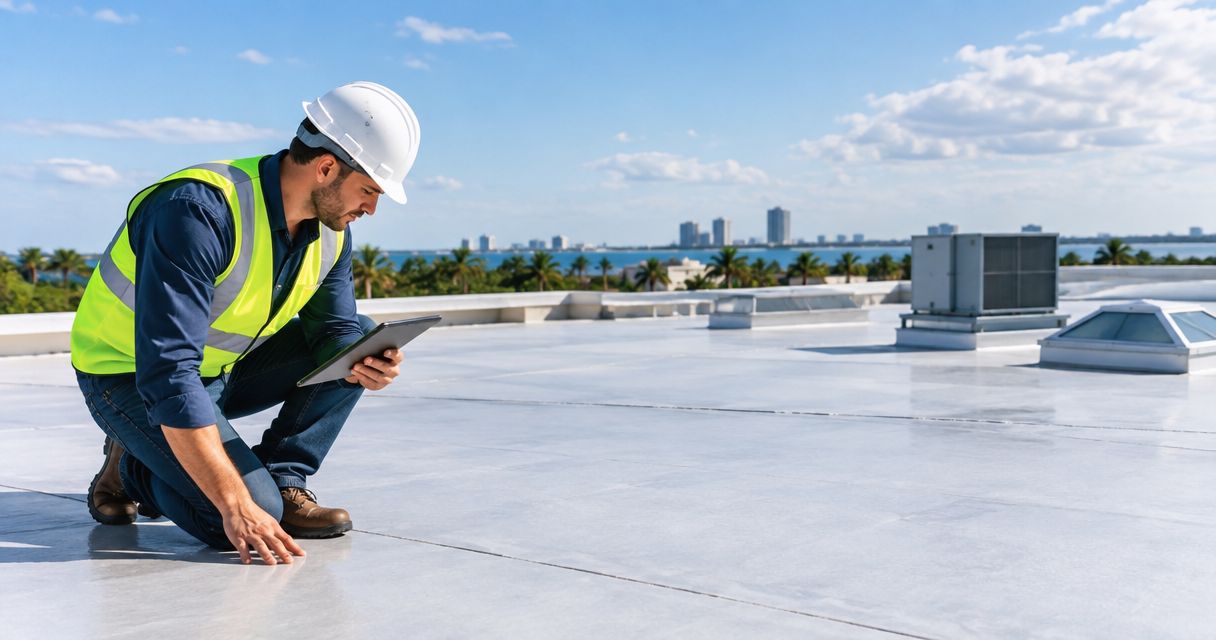
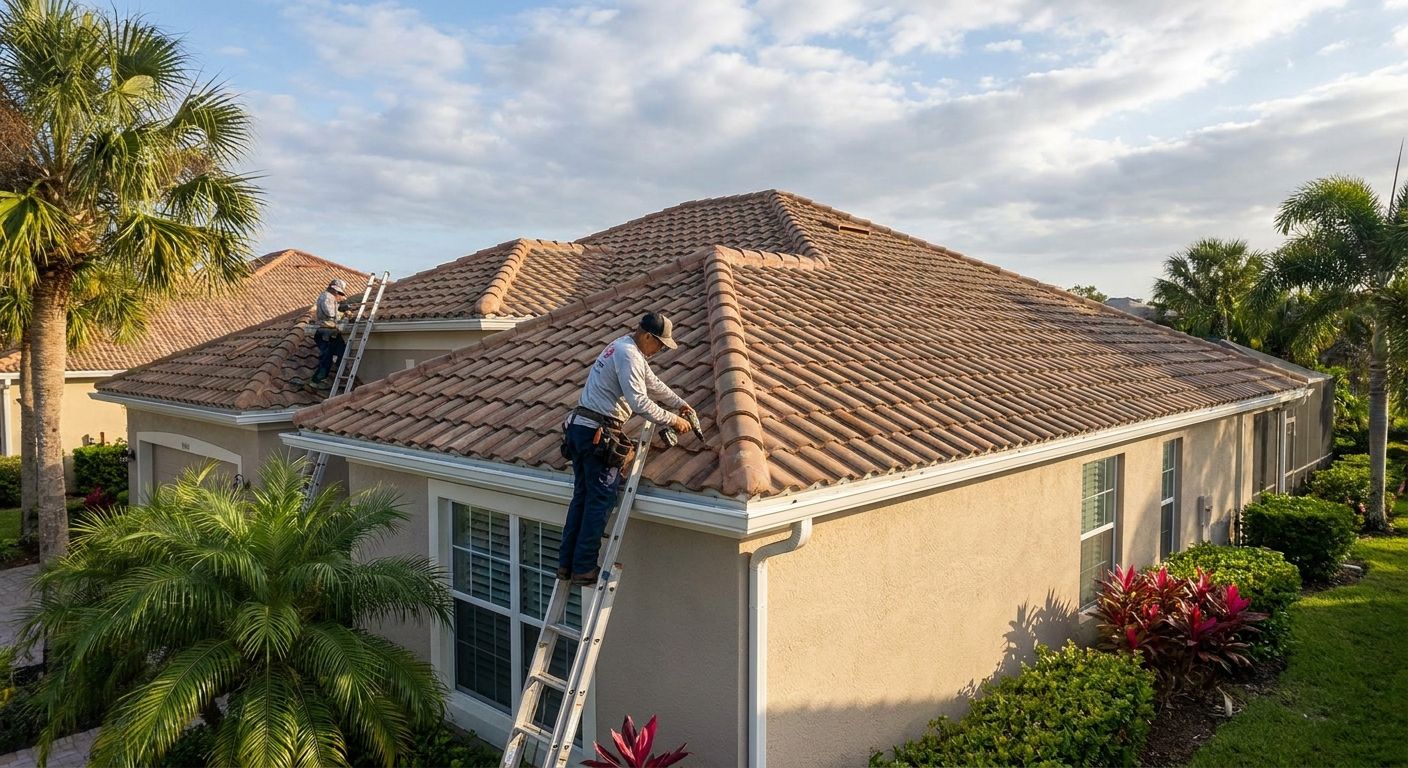
- Schedule a full roof inspection. A licensed inspector checks flashing, fastener integrity, underlayment condition, and tile or shingle attachment before any storm activity begins.
- Get or renew your wind mitigation inspection. This documents roof-to-wall connections, roof shape, and opening protection — all factors your insurer uses to calculate windstorm premiums.
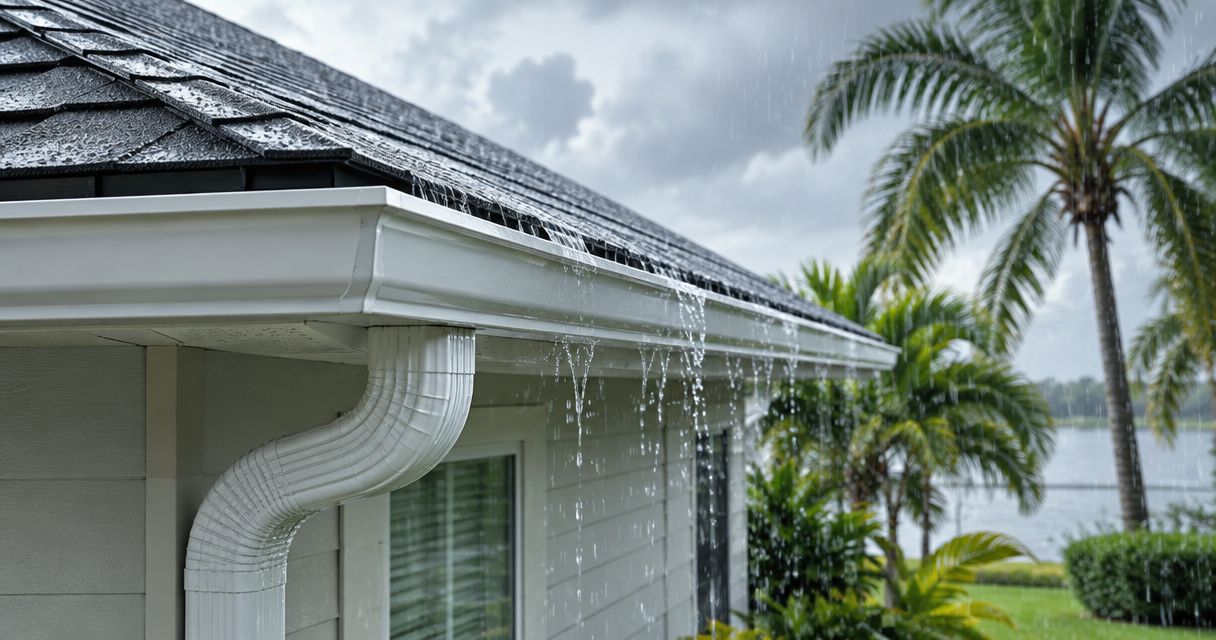
- Clean and secure gutters. Clogged gutters back water up under the roof edge during heavy rain, which is one of the most common causes of interior leaks during tropical storms.
- Trim overhanging trees. Branches within striking distance of the roofline become projectiles in sustained winds above tropical-storm force.
- Check for loose tile, shingles, or panels. Any lifted edge is where wind gets underneath the roof system and starts peeling it back.
- Confirm attic ventilation isn't blocked. Trapped moisture behind storm-tight seals accelerates decking rot even in a roof that survives the wind.
- Photograph the roof from all four sides. This gives your insurer a documented "before" condition if a claim becomes necessary after 2026 storm season.
Material matters when comparing storm readiness
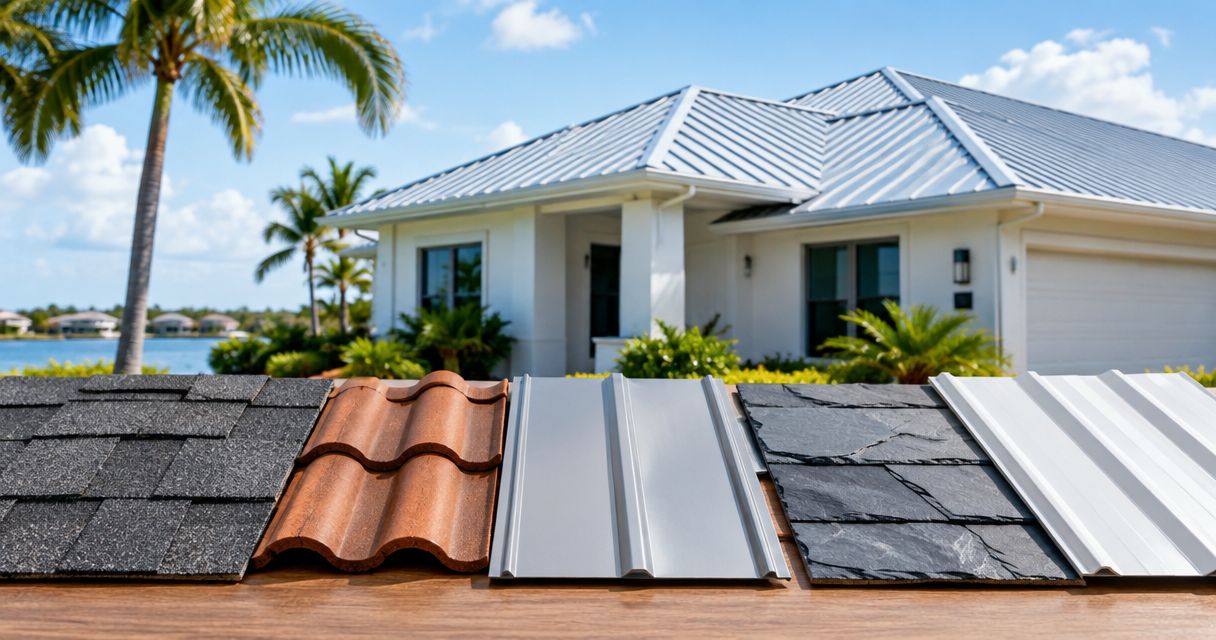
Not every roofing material handles Southwest Florida wind and rain the same way. Here's how the common options compare heading into hurricane season:
| Material | Wind performance | Best for |
|---|---|---|
| Asphalt shingle | Good when properly fastened and inspected annually | Budget-conscious homes, straightforward repairs |
| Metal | Strong wind uplift resistance, fewer individual failure points | Coastal exposure, long-term low-maintenance owners |
| Tile | Heavy and wind-resistant when clips and fasteners are current | Mediterranean-style homes, HOA aesthetic requirements |
| Flat/commercial membrane | Performance depends heavily on drainage and seam condition | Commercial buildings, low-slope residential additions |
For a deeper breakdown of which systems perform best under Florida wind loads, see best roofing materials for Florida hurricanes.
Wind mitigation inspection: the step homeowners skip
A wind mitigation inspection isn't cosmetic — it's the document your insurer uses to price your windstorm coverage for 2026. Homes with hip roofs, secondary water barriers, and reinforced roof-to-wall connections typically qualify for lower premiums than homes without that documentation on file.
If your last inspection is more than a few years old, or you've replaced the roof since your last policy renewal, get it updated before storm season starts. Full details on what the inspection covers and how it affects your premium are in wind mitigation inspection for homeowners insurance discounts.
Gutters and drainage: the overlooked failure point
Tropical storms don't just bring wind — they bring sustained, heavy rainfall that overwhelms poorly maintained drainage systems. Gutters clogged with debris redirect water back under the roofline instead of away from the foundation, which is how a manageable storm turns into an interior leak claim.
Gutter guards reduce this risk by keeping debris out before the season starts rather than requiring emergency cleaning mid-storm. See gutter guards for Florida storm season for what's worth installing before June.
Why hurricane readiness varies house to house
- Roof age. Asphalt shingle systems generally perform reliably for 15-20 years in Florida's climate, but fastener corrosion and UV wear accelerate near the end of that range.
- Roof shape. Hip roofs shed wind more evenly than gable roofs, which is part of why insurers weigh shape into wind mitigation pricing.
- Prior storm exposure. A roof that's already absorbed one or two hurricane seasons of wind stress has less margin left before the next one.
- Tree canopy coverage. Overhanging branches and untrimmed trees increase both direct impact risk and gutter clogging.
- Fastener and flashing condition. Loose or corroded fasteners are usually invisible from the ground but are the first failure point in sustained wind.
- Maintenance history. Homes with documented annual inspections catch small issues (a lifted shingle, a cracked tile) before they become storm-season failures.
“The roofs that fail in a hurricane are almost never the ones that were inspected that spring.”
What roofing material holds up best in a Florida hurricane?
Metal roofing generally offers the strongest wind uplift resistance of the common residential options, followed by properly fastened tile, then asphalt shingle. The right choice depends on your home's style, budget, and whether you're prioritizing longevity or upfront cost — tile roofing for Mediterranean-style Florida homes covers the tradeoffs for that style specifically.
What happens if a storm damages my roof before I can repair it?
If wind or debris tears the roof surface during a storm, tarping the damaged section immediately prevents water intrusion from turning a repair into a full interior remediation job. Emergency tarping should happen within hours of discovering the damage, not days — see emergency roof tarping after storm damage for what to expect from that process.
Get your roof storm-ready for 2026
Free, no-pressure roof and wind mitigation inspection before hurricane season starts.
FAQ
When does hurricane season start in Florida?
Hurricane season in Florida runs June 1 through November 30 every year, including 2026. Roof inspections and repairs should be completed before June 1 whenever possible, since contractor schedules fill up fast once a storm is tracking toward the Gulf.
Does a wind mitigation inspection lower my insurance premium?
A wind mitigation inspection documents features like roof shape, roof-to-wall connections, and secondary water barriers that insurers factor directly into windstorm premium pricing. Homes without a current inspection on file often miss discounts they'd otherwise qualify for.
How often should I inspect my roof before hurricane season?
Inspect your roof at least once a year, ideally in spring before the June 1 start of hurricane season. Homes with older roofs or a recent storm history should inspect more frequently, since fastener and flashing wear isn't always visible from the ground.
Is metal roofing better than shingles for Florida hurricanes?
Metal roofing generally offers stronger wind uplift resistance than asphalt shingle because it has fewer individual failure points across the roof surface. Shingle roofs can still perform well in Florida's climate when properly fastened and inspected annually.
What should I do if my roof is damaged during a storm?
Tarp any exposed section immediately to stop water intrusion, then document the damage with photos before contacting your insurer. Emergency tarping is a short-term fix that buys time until a full repair or replacement can be scheduled.
Do gutter guards actually help during hurricane season?
Gutter guards reduce debris buildup that would otherwise clog gutters and force rainwater back under the roofline during heavy storms. They don't replace a roof inspection, but they remove one common cause of interior leaks during tropical rainfall.
How old is too old for a roof heading into hurricane season?
Asphalt shingle roofs typically last 15 to 20 years in Florida's climate, and performance during high wind drops noticeably near the end of that range. A roof approaching 15 years old should get an inspection before hurricane season, not after.
One last thing
The wind mitigation inspection form most homeowners forget about — OIR-B1-1802 — expires or becomes outdated the moment you replace your roof, add hurricane shutters, or reinforce roof-to-wall connections, which means a lot of Southwest Florida homeowners are paying full windstorm premiums on discounts they've already earned but never re-filed.