A wind mitigation inspection in Florida means hiring a licensed inspector to document specific storm-resistant features of your roof and home, then submitting the completed OIR-B1-1802 form to your insurance carrier for premium credits. The process takes roughly 30 to 60 minutes at the property, but the paperwork and photos are what actually unlock the discount — skip a step and the insurer rejects the form.
- Getting a wind mitigation inspection in Florida requires a licensed inspector to complete the state's OIR-B1-1802 form on-site.
- Homes built after the 2002 Florida Building Code baseline typically score higher and qualify for larger insurance credits.
- Most insurers treat a completed report as valid for up to 5 years if no structural changes are made.
- Roof Smart schedules wind mitigation inspections across Cape Coral, Fort Myers, and Naples as part of standard roofing evaluations.
Why this matters
Florida Statute 627.711 requires insurance companies to offer premium discounts for verified wind-resistant features — roof shape, roof deck attachment, roof-to-wall connections, and impact protection all factor in. Without a completed inspection form on file, insurers apply zero credit even if your home has every one of those features. Homeowners who skip the inspection are effectively paying full premium for storm protection they already own.
Cape Coral, Fort Myers, and Naples homeowners renew policies every year, and premiums in Southwest Florida climb after every active hurricane season. A wind mitigation inspection in 2026 is one of the few actions that directly lowers a bill instead of just protecting against a future claim.
How do you get a wind mitigation inspection in Florida?
The process is the same statewide, whether the home is in Cape Coral, Fort Myers, or Naples:
- Confirm eligibility. Any occupied residential structure qualifies, though homes built to the 2002 Florida Building Code or later score better on roof deck attachment and roof-to-wall connections.
- Hire a qualified inspector. Florida law allows licensed general or roofing contractors, professional engineers, architects, building code inspectors, and state-certified home inspectors to perform the inspection.
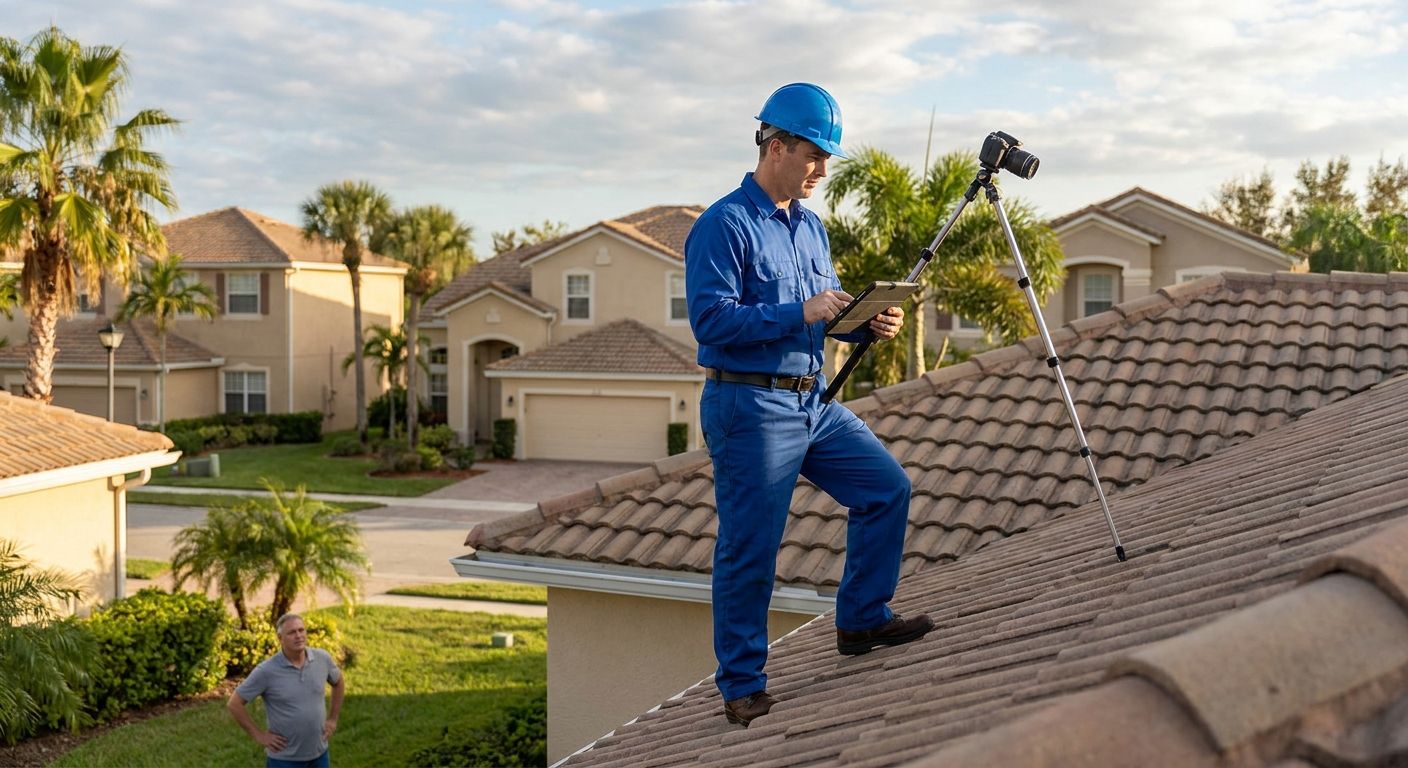
- Schedule the on-site visit. The inspector walks the roof, checks the attic, and photographs the seven scored features.
- Review the completed OIR-B1-1802 form. The inspector signs and dates it, attaching required photos as proof for each category.
- Submit the form to your insurance carrier. Most carriers accept the form directly from the inspector or through your agent.
- Wait for the credit to apply. Insurers typically adjust the premium at the next renewal, though some apply it mid-term on request.
Homeowners searching for a wind mitigation inspection in Naples or a wind mitigation inspection in Cape Coral can bundle the inspection with a roof evaluation, since the inspector is already on the roof measuring the same structural details.
What the inspector checks
| Category | What it verifies |
|---|---|
| Building code | Whether the home was permitted under the 2002 Florida Building Code or later |
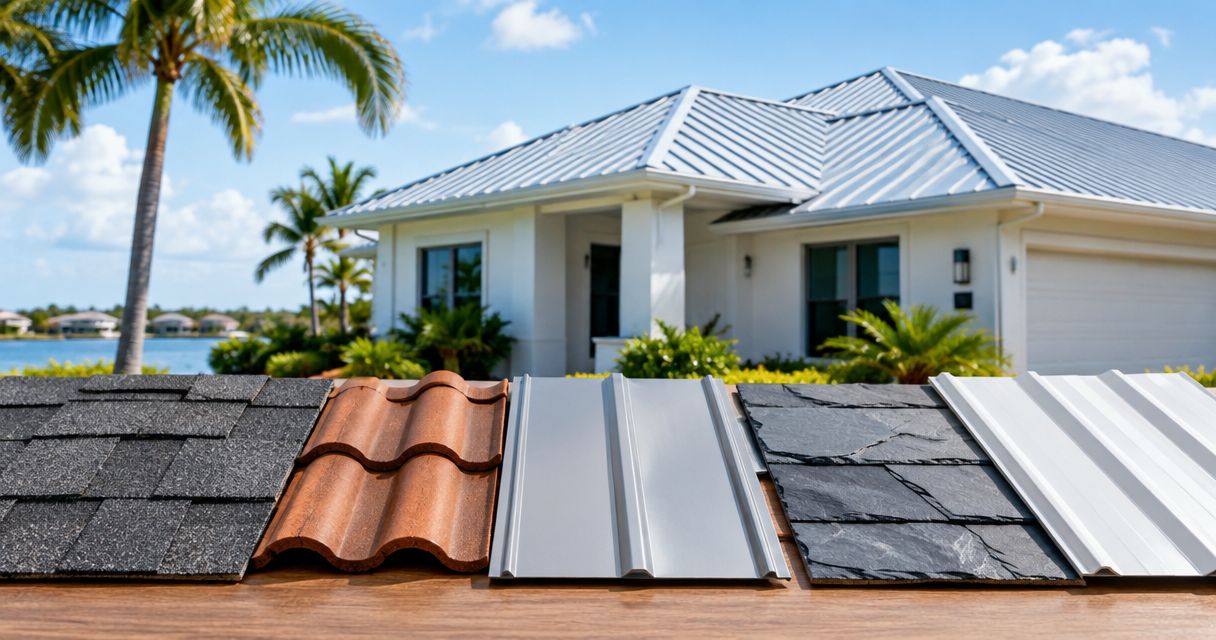
| Roof covering | Shingle, tile, or metal installation compliance |
| Roof deck attachment | Nail size and spacing on the plywood or OSB deck |
| Roof-to-wall attachment | Clips, single wraps, double wraps, or straps versus toe-nails |
| Roof geometry | Hip roofs score higher than gable roofs |
| Secondary water resistance (SWR) | Presence of a sealed roof deck or self-adhering underlayment |
| Opening protection | Impact-rated windows, doors, and shutters |
Verdict: get the inspection before your next renewal, not after. Insurers rarely backdate credits, so a delayed inspection means a missed discount cycle.
Why wind mitigation credit amounts vary
- Roof shape — a hip roof (sloped on all four sides) generally scores better than a gable roof.
- Nail spacing on the roof deck — 6 inches on center scores higher than wider spacing.
- Roof-to-wall connection type — structural clips beat single wraps, which beat toe-nails.
- Presence of secondary water resistance — a sealed deck or peel-and-stick underlayment adds credit even if the roof covering fails later.
- Opening protection level — impact-rated glass and shutters on every opening score higher than partial coverage.
- Age and permit history — homes with permitted roof replacements after 2002 typically outscore older, unpermitted roofs.
Book a wind mitigation inspection
Roof Smart schedules inspections alongside roof evaluations across SW Florida.
How much does a wind mitigation inspection cost in Florida?
Cost varies by inspector, home size, and whether it's bundled with a broader roof evaluation — ask your roofing contractor for a combined quote rather than paying for a standalone inspection. Homeowners in Fort Myers who need a wind mitigation inspection in Fort Myers alongside a roof check often save on scheduling by having one crew handle both.
How long is a wind mitigation inspection good for?
A wind mitigation inspection in Florida is typically valid for up to 5 years, as long as no changes are made to the roof, windows, or structural connections during that window. Replacing the roof, adding shutters, or changing the roof deck attachment resets the clock and requires a new inspection to reflect the updated features. Insurers may also request a new form sooner if the prior report looks outdated or incomplete.
Who can perform a wind mitigation inspection in Florida?
Licensed general contractors, roofing contractors, professional engineers, architects, building code inspectors, and state-certified home inspectors are all authorized under Florida law to complete the OIR-B1-1802 form. Homeowners cannot self-certify — the form requires a licensed professional's signature, license number, and photo documentation to be valid with an insurer.
Does a wind mitigation inspection actually lower my insurance premium?
Yes, Florida Statute 627.711 requires insurers to offer premium discounts for verified wind-resistant features, though the exact discount amount depends on the carrier and the home's score across the seven categories. A home with a hip roof, structural clips, and impact windows scores far better than one with a gable roof and toe-nailed connections, so two identical-sized homes can see very different credit amounts.
FAQ
What is a wind mitigation inspection in Florida?
A wind mitigation inspection documents seven storm-resistant features of a home — roof shape, roof deck attachment, roof-to-wall connections, opening protection, and more — on the state's OIR-B1-1802 form. Insurers use it to apply premium discounts required under Florida Statute 627.711.
Is a four-point inspection the same as a wind mitigation inspection?
No, a four-point inspection covers roof, electrical, plumbing, and HVAC condition for older-home underwriting, while a wind mitigation inspection scores storm-resistant construction features for premium discounts. Homes often need both, but they're separate forms with separate purposes.
Can I perform my own wind mitigation inspection?
No, Florida requires a licensed contractor, engineer, architect, building code inspector, or state-certified home inspector to sign the OIR-B1-1802 form. Insurers reject self-certified forms outright.
What happens if my home fails to qualify for wind mitigation credits?
A low score simply means fewer discounts apply, not a failed inspection — there's no pass or fail. Upgrading roof-to-wall connections, adding impact protection, or replacing an aging roof deck can raise the score on a future inspection.
Does a new roof automatically qualify for wind mitigation discounts?
A new roof improves several scored categories like roof covering and deck attachment, but the discount still requires a separate wind mitigation inspection and completed form. The roof replacement alone doesn't notify your insurer.
How do I submit the wind mitigation form to my insurance company?
The inspector or your insurance agent typically submits the signed OIR-B1-1802 form directly to the carrier, often by email or through an online portal. Keep a copy for your own records in case the carrier requests it again at renewal.
Do older homes in Southwest Florida still qualify for wind mitigation credits?
Yes, homes built before the 2002 Florida Building Code can still qualify for partial credits on features like opening protection and roof covering, even without the higher-scoring deck attachment and roof-to-wall connections. An inspection still documents whatever storm-resistant upgrades exist.
How much does a wind mitigation inspection cost in Florida?
Cost depends on the inspector and whether it's bundled with a roof evaluation, so get a quote directly from a licensed contractor rather than assuming a flat rate. Bundling with a scheduled roof inspection often reduces the total cost of the visit.
One last thing
Roof shape alone can swing the wind mitigation score more than most homeowners expect — a hip roof with structural clips regularly outscores a gable roof with toe-nailed connections, even on homes built the same year with the same roof covering. If your home was reroofed after 2026 with hurricane clips and a sealed deck, the inspection paperwork is worth more to your premium than the roof itself cost to install. Homeowners weighing a full roof repair vs. roof replacement decision should factor the wind mitigation credit into that math before choosing either path.