Filing a roof insurance claim after storm damage means documenting the damage immediately, reporting the loss to your insurer within Florida's filing window, and getting a licensed roof inspection before you accept any settlement. Skip the documentation step and Southwest Florida insurers have grounds to delay, underpay, or deny the claim outright.
- Florida law gives homeowners 1 year from the date of loss to file a roof insurance claim after storm damage.
- Photograph every damaged area before tarping or repairs start — missing documentation is the top reason claims get denied.
- A licensed roof inspection backs up your claim with a written damage report the insurer doesn't control.
- Hurricane season runs June 1 through November 30, and claims filed during peak months face longer adjuster wait times.
Why this matters
Southwest Florida homeowners file storm damage claims every hurricane season, and insurers scrutinize roof claims harder than almost any other property claim category in 2026. A missing photo, a late report, or an unlicensed repair estimate can cost you thousands in a denied or reduced payout.
Hurricane Ian's landfall near Fort Myers and Cape Coral reshaped how carriers handle Florida roof claims, and adjusters now expect faster reporting and tighter documentation than they did a decade ago. Knowing exactly how to spot storm damage on your roof and how fast to act after a storm determines whether the claim gets paid at full replacement cost or gets fought line by line.
How to file a roof insurance claim after storm damage
Follow these steps in order — skipping ahead to repairs before documenting damage is the single most common mistake homeowners make in 2026.
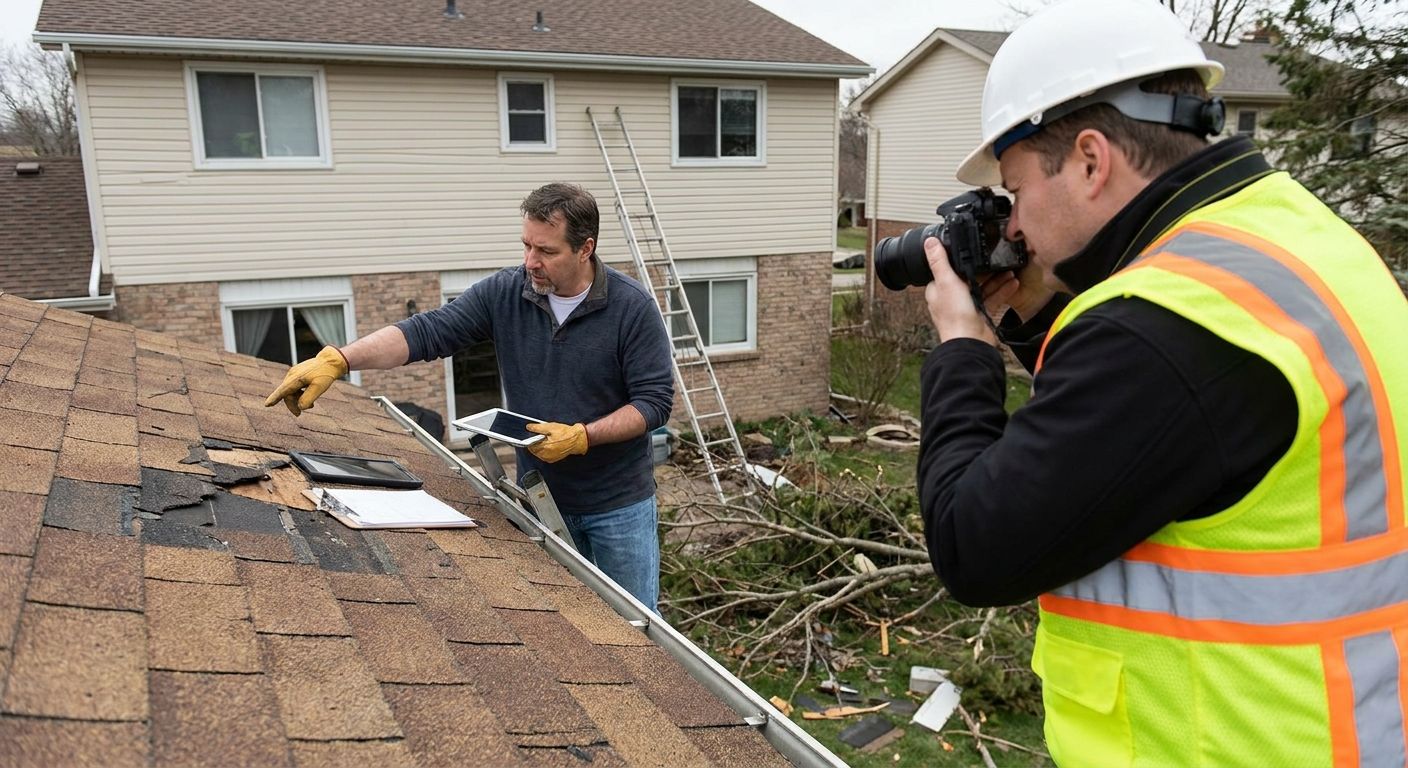
- Document the damage before you touch anything. Photograph and video every damaged area — shingles, flashing, gutters, interior ceiling stains — from multiple angles, and note the date of the storm.
- Report the loss to your insurance company right away. Florida law caps the filing window at 1 year from the date of loss, and most carriers want notice within days, not months.
- Read your policy's storm and hurricane deductible language. Florida named-storm deductibles run as a percentage of dwelling coverage instead of a flat dollar amount, and that percentage only applies once a storm is officially named.
- Slow further damage with a tarp or temporary patch. Insurers expect reasonable mitigation, and emergency roof tarping after a storm protects the structure and the claim file — keep every receipt and photo of the temporary work.
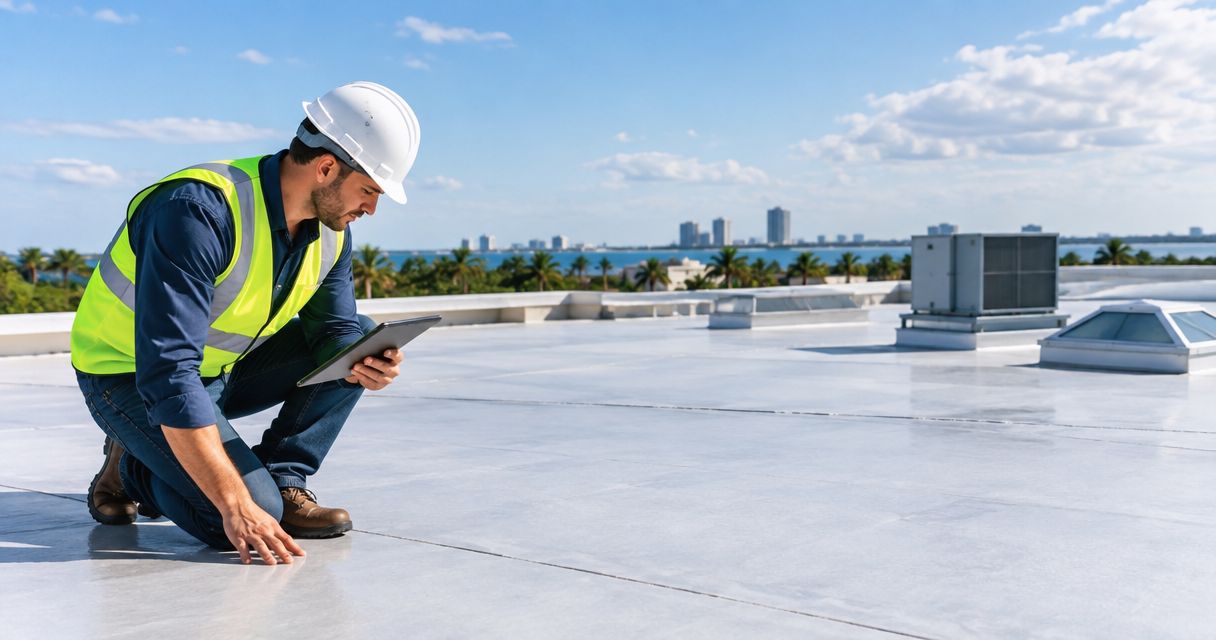
- Get an independent roof inspection before the adjuster arrives. A written report from a licensed roofer gives you a second opinion the insurer's own adjuster doesn't control, and it flags damage that's easy to miss from the ground.
- Meet the adjuster and walk the roof with them. Point out every documented issue, hand over your photos, and ask for a copy of their inspection notes before they leave.
- Review the settlement offer against your own inspection report. If the numbers don't match the actual scope, dispute it, request a re-inspection, or file a supplemental claim — when it's unclear whether the roof needs a patch or a full tear-off, a repair vs. replacement comparison helps you push back with specifics.
Florida gives you 1 year to file a storm damage claim
Florida requires homeowners to report a residential property claim within 1 year of the date of loss, and a supplemental or reopened claim within 18 months. That clock starts the day the storm hits, not the day you notice the leak stain spreading across a bedroom ceiling three months later.
Miss the deadline and the insurer can deny the claim regardless of how much roof damage exists. That single rule causes more denials than any dispute over the actual dollar amount of the loss.
Why claim timelines and payouts vary
- Storm classification — a claim tied to a National Hurricane Center-named storm triggers the hurricane deductible instead of the standard all-perils deductible.
- Roof age and depreciation — older roofs often settle on actual cash value (ACV) instead of replacement cost value (RCV), which lowers the initial payout.
- Wind mitigation credits on file — a documented wind mitigation inspection changes how the insurer classifies the roof's storm resistance and affects both premium and claim math.
- Documentation quality — time-stamped photos and a licensed inspection report move a claim through faster than a phone call and a guess.
- Insurer backlog after a regional storm — claims filed right after a hurricane sweeps through Cape Coral, Fort Myers, or Naples compete with thousands of others for the same adjusters.
- Repair vs. replacement scope — a roof needing full replacement instead of a patch triggers a different review process and often a second inspection.
What happens if my roof insurance claim gets denied?
A denied roof insurance claim can be appealed, re-inspected, or escalated to Florida's Department of Financial Services for mediation. Request the adjuster's written denial reason first — most denials cite pre-existing damage or a missed filing deadline, and both are disputable with a second licensed inspection.
Do I need a professional roof inspection before filing a claim?
Yes — a professional roof inspection before filing gives you an independent damage record the adjuster doesn't write themselves. Roof Smart of SW Florida documents damage extent, roof age, and code compliance so the claim file matches what a licensed roofer finds on the roof, not just what's visible from the ground.
Can a wind mitigation inspection help after a storm damage claim?
A wind mitigation inspection completed after storm repairs can qualify the rebuilt or repaired roof for insurance discounts on future premiums. It won't change the current claim payout, but it locks in savings starting at the next policy renewal.
Get a free roof damage inspection
A licensed inspection backs up your claim before the adjuster shows up.
FAQ
How long do I have to file a roof insurance claim in Florida?
Florida law gives homeowners 1 year from the date of loss to file an initial residential roof claim, and 18 months for a supplemental or reopened claim. Missing that window is one of the most common reasons carriers deny otherwise valid storm damage claims.
What documentation do insurers require for a roof storm damage claim?
Insurers want time-stamped photos and video of the damage, a copy of your policy declarations page, and ideally a written inspection report from a licensed roofer. The more specific the documentation, the harder it is for an adjuster to undervalue the claim.
Should I get repairs done before the insurance adjuster inspects the roof?
Only temporary, protective repairs like tarping should happen before the adjuster's visit — full repairs or replacement should wait until the claim is approved. Photograph any temporary work and keep every receipt so the insurer reimburses the mitigation cost.
Is roof storm damage covered by homeowners insurance in Florida?
Most Florida homeowners policies cover sudden storm and wind damage to a roof, but flood damage and gradual wear are typically excluded. Check the declarations page for the specific named-storm deductible, since it applies separately from the regular deductible.
What's the difference between ACV and RCV roof insurance payouts?
Actual cash value (ACV) pays the depreciated value of the damaged roof, while replacement cost value (RCV) pays what it costs to replace it new. Older roofs on ACV policies often collect only a fraction of the RCV settlement until replacement is complete and receipts are submitted.
Can I switch roofing contractors after filing an insurance claim?
Yes, you can hire any licensed roofing contractor for the approved repair or replacement work, regardless of who performed the initial inspection. Get the final scope of work from the insurer in writing before choosing a contractor to avoid mismatched estimates.
What's the best way to speed up a roof insurance claim after a hurricane?
Filing within days of the storm, submitting complete photo documentation up front, and scheduling an independent roof inspection before the adjuster visit are the fastest ways to move a claim. Files with a licensed inspection report attached typically avoid the back-and-forth that stalls incomplete claims.
Do I need a permit to repair storm damage on my roof in Florida?
Most roof repairs and replacements in Southwest Florida require a building permit pulled by a licensed contractor, and insurers generally require proof of permitted work before final payout. Unpermitted repairs can also void the roof's warranty and complicate a future claim.
One last thing
The 1-year filing clock starts on the date of the storm, not the day you find the leak. Homeowners who wait to see if a ceiling stain "gets worse" before calling their insurer routinely lose the claim on a technicality, even when the roof damage is real and storm-caused. Document the roof the week of the storm in 2026, even if you don't file the full claim right away — Roof Smart of SW Florida can put a written inspection report in your file the same week the damage happens.