You apply for the My Safe Florida Home roof grant directly at MySafeFLHome.com, working through a free eligibility check, a state-approved wind mitigation inspection, and a formal grant request for matching funds on roof and opening-protection upgrades. The program only accepts new applications when the Florida legislature funds a fresh round, so timing matters more than paperwork — homeowners who wait for a public announcement often find the window closed within days.
- The My Safe Florida Home grant matches homeowner spending 2-to-1 on wind mitigation work, up to $10,000 in state funds.
- Eligibility requires a homestead-exempt home built before the 2008 Florida Building Code update, insured for $500,000 or less.
- A free wind mitigation inspection comes before the grant request and produces the report the state uses to approve funding.
- Roof Smart of SW Florida handles the roof upgrades this grant covers across Cape Coral, Fort Myers, and Naples.
- Funding rounds close fast once opened, so register the moment the state announces new 2026 money.
Why this matters
Florida homeowners carry some of the highest wind and hurricane insurance premiums in the country, and a documented wind mitigation inspection is the fastest lever you have to bring that number down. The My Safe Florida Home program pairs a free wind mitigation inspection with matching grant money, so upgrades like roof-deck attachment, secondary water barrier, and opening protection don't come entirely out of your pocket in 2026.
Skip the inspection step or miss the eligibility window and you pay full price for the same roof work with no state match and no head start toward an insurance discount. A mid-season roof failure also disqualifies a home from the routine inspection process, so this isn't a task to leave until storm season is already underway.
How do you apply for the My Safe Florida Home roof grant?
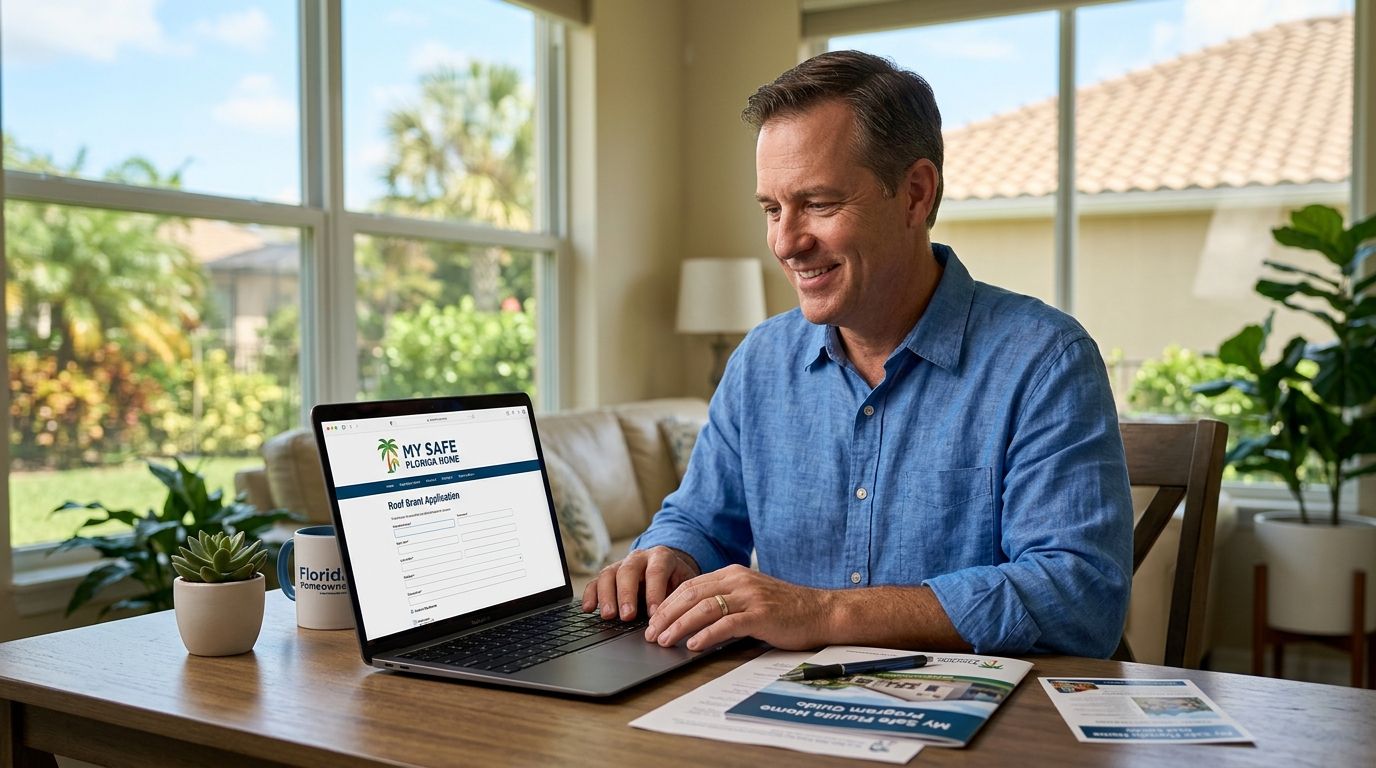
Applying for the My Safe Florida Home grant means working through six steps in order, and skipping ahead — like requesting grant funds before your inspection is done — gets an application rejected outright.
- Confirm eligibility first. Your home needs a homestead exemption, an insured value of $500,000 or less, and a certificate of occupancy dated before the 2008 Florida Building Code update.
- Register at MySafeFLHome.com and submit the online application during an open funding round.
- Schedule your free wind mitigation inspection with a state-approved inspector once your registration clears.
- Review your inspection report. It lists which mitigation features your roof and walls are missing — roof-to-wall connections, secondary water barrier, or opening protection.
- Submit your grant request using that inspection report to specify which upgrades you want funded.
- Complete the approved work and submit receipts for reimbursement under the state's 2-to-1 match.
Free wind mitigation inspection: no cost to homeowners
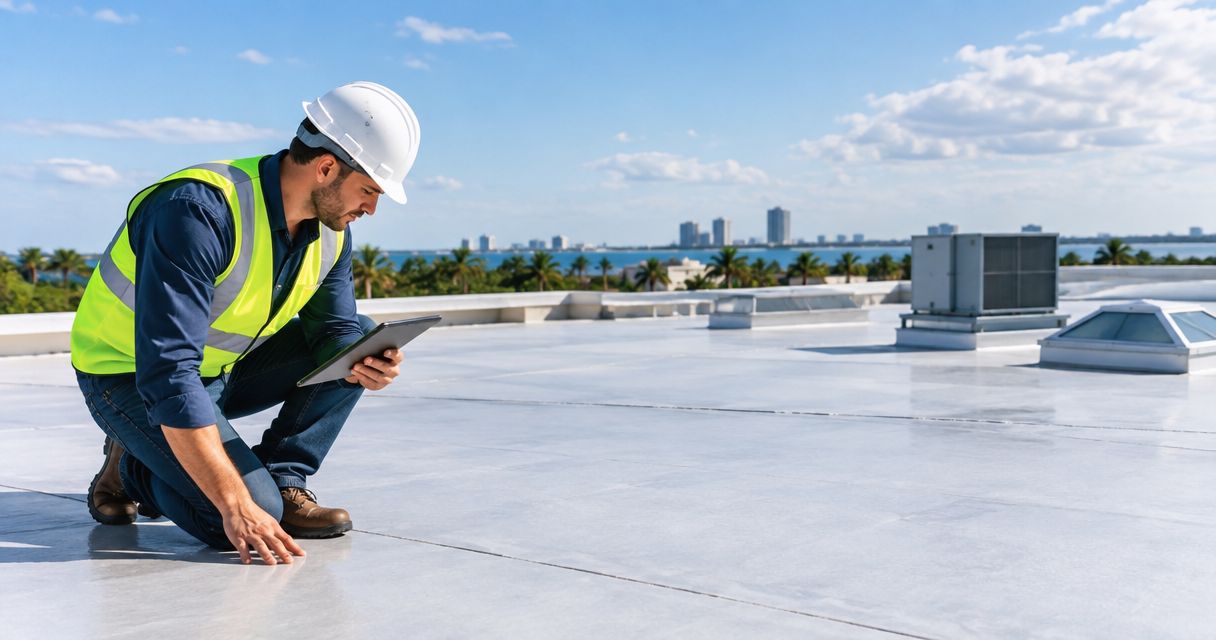
The wind mitigation inspection is the gateway to the grant, and it costs nothing to the homeowner when your application falls inside an open, funded round in 2026. A state-approved inspector checks roof covering, roof deck attachment method, roof-to-wall connections, secondary water barrier, and opening protection, then files a report the state uses to approve matching funds. Roof Smart of SW Florida handles the roofing side of this work across Cape Coral, Fort Myers, and Naples once homeowners have that inspection report in hand.
Matching grant: up to $10,000 in wind mitigation funding
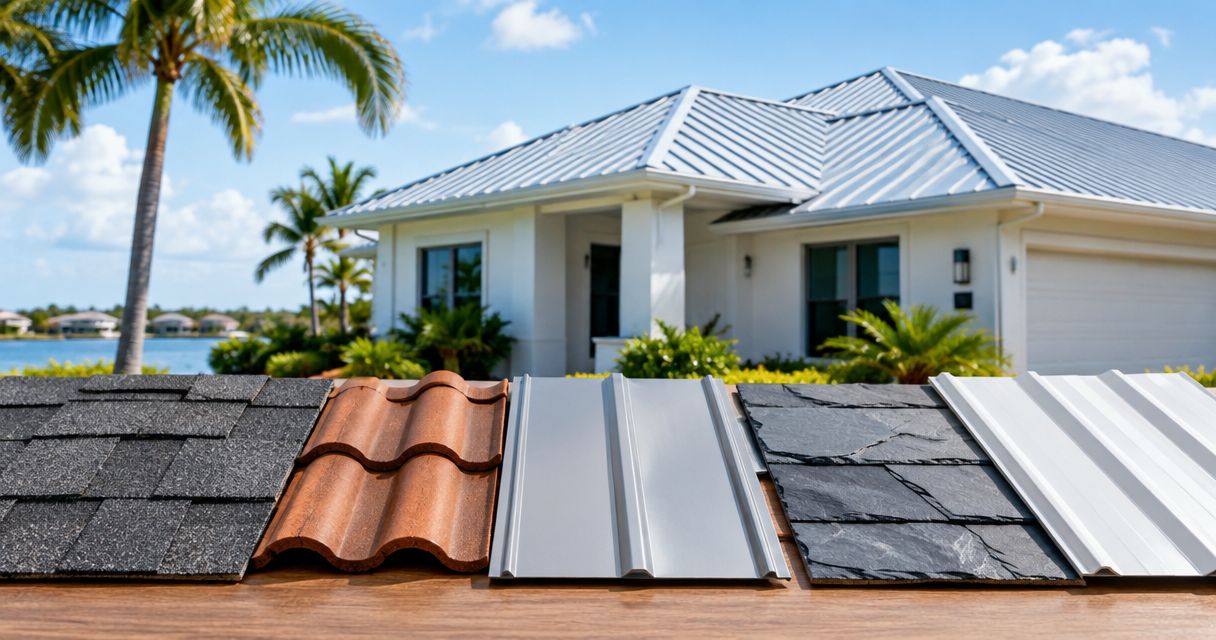
The My Safe Florida Home grant matches spending two dollars for every dollar the homeowner puts in, capped at $10,000 in state funds per home. A homeowner who spends $5,000 on approved upgrades can draw the full $10,000 match, for $15,000 in total mitigation work on the property. Roof covering replacement, gable end bracing, and opening protection like impact windows or shutters are the upgrades most homeowners fund through this track.
Why your grant amount and eligibility vary
- Build date — homes built before the 2008 Florida Building Code wind provisions qualify; newer construction usually already meets the standard and gets excluded.
- Insured value — the program caps eligibility at $500,000 in insured home value.
- Homestead status — only primary, homestead-exempt residences qualify, not rentals or second homes.
- Funding availability — the legislature appropriates a fixed amount each round, so 2026 funding levels change how many homeowners get approved.
- Inspection findings — the specific mitigation gaps your inspector documents determine which upgrades your grant request can include.
- Application timing — rounds are processed on a first-come basis once the state opens applications, so early registration matters more than project scope.
A completed inspection also sets up a separate wind mitigation insurance discount application, since insurers use the same report homeowners submit to My Safe Florida Home.
Get your roof ready for a grant application
Schedule an inspection-ready roof evaluation before you apply.
Is the My Safe Florida Home program accepting applications in 2026?
The My Safe Florida Home program only opens applications when the Florida legislature appropriates new funding, so availability in 2026 depends on the current state budget cycle. Check MySafeFLHome.com directly before scheduling anything, since past rounds have closed within days of opening once the allocated money ran out.
Can renters or landlords apply for the roof grant?
No, the My Safe Florida Home grant is limited to homestead-exempt primary residences, so rental and investment properties don't qualify. Commercial buildings and units in a non-homesteaded property are excluded from the program entirely.
Does the My Safe Florida Home grant cover a full roof replacement?
The grant can fund roof covering replacement when your inspection identifies it as a qualifying upgrade, but the $10,000 cap rarely covers a full roof replacement on its own. Homeowners weighing roof repair against full replacement usually need to budget beyond the match, especially on older tile or metal roofs that need more than mitigation work.
FAQ
How much does the My Safe Florida Home grant pay?
The My Safe Florida Home grant pays up to $10,000 in matching state funds, based on a 2-to-1 match of homeowner spending. A homeowner contributing $5,000 draws the full $10,000, for $15,000 in total mitigation work.
Who qualifies for the My Safe Florida Home roof grant?
Homeowners qualify when their home is homestead-exempt, insured for $500,000 or less, and built before the 2008 Florida Building Code wind provisions took effect. Rentals, second homes, and commercial buildings don't qualify.
Is the wind mitigation inspection really free?
Yes, the wind mitigation inspection is free to the homeowner when the application falls within an open, funded round of the My Safe Florida Home program. The inspector's report then becomes the basis for both the grant request and any insurance discount.
What roofing upgrades qualify for the grant?
Roof covering replacement, roof-to-wall connections, roof deck attachment, secondary water barrier, and opening protection like impact windows or shutters all qualify when the inspection flags them as missing. The specific list comes from your individual inspection report.
Does the grant cover a full roof replacement?
The grant can fund roof covering replacement as one qualifying upgrade, but the $10,000 cap rarely covers a full roof replacement by itself. Most homeowners budget beyond the match for a complete tear-off and reroof.
What happens if My Safe Florida Home funding runs out?
Applications submitted after a funding round closes go unprocessed until the legislature appropriates new money for the next round. Homeowners typically need to reapply once the state announces the next open window.
One last thing
The inspection report from your free wind mitigation inspection does double duty: insurers use the same document to calculate a wind mitigation discount on your policy, separate from the grant itself. Even if 2026 grant funding closes before you apply, the free inspection alone can still lower your premium, so schedule it regardless of where the state's budget cycle lands.