A roof replacement in Florida takes the time needed to prepare the job, remove the existing roofing, repair the underlying surface, install the new system, and complete required inspections—not just the days a crew works overhead. Your property's scope, roofing material, weather conditions, and local inspection schedule determine the duration. For a 2026 project, get separate written estimates for the installation period and the full calendar schedule before you commit to a start date.
- How long does a roof replacement take in Florida? Separate installation time from permitting, preparation, and final inspections.
- Roofsmartflorida provides roof replacement services for Southwest Florida homeowners and businesses.
- Roofing material, hidden deck damage, weather, and inspections affect the project schedule.
- Ask for a written start window, weather-protection plan, and definition of completion.
Why this matters
A short installation estimate does not necessarily tell you when your replacement will be finished. Material delivery, permit processing, inspections, and correction work belong on the calendar too.
Roofsmartflorida provides residential and commercial roof replacement across Cape Coral, Fort Myers, Naples, and surrounding Southwest Florida counties. When you request an evaluation, ask for a property-specific schedule rather than treating another homeowner's experience as your deadline.
How long does a roof replacement take in Florida?
The useful answer is a written schedule for your roof, with preparation, installation, and closeout shown separately. A duration without a defined starting point is easy to misunderstand: it might begin when you sign the agreement, when materials arrive, or when tear-off starts.
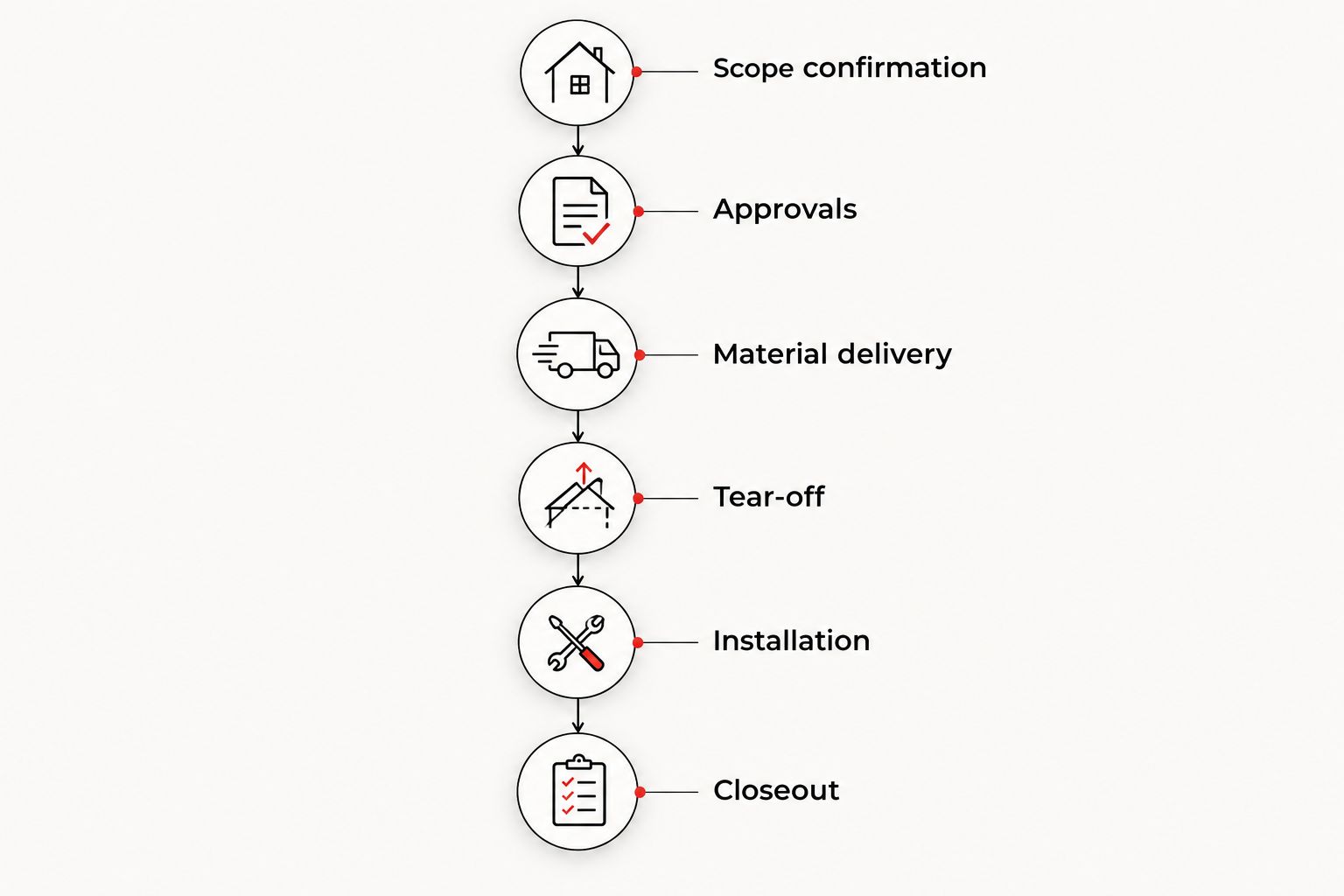
For your 2026 replacement, ask the contractor to explain the following sequence. Some preparation tasks overlap, but the proposal should identify which approvals and deliveries must happen before installation begins.
- Scope confirmation. Confirm the roofing system, roof areas, removal work, flashing details, and any related work included in the agreement. Unsettled selections make a proposed start harder to rely on.
- Approvals. Identify the permitting authority and any applicable association review. Ask who submits the documents and what must be approved before work starts.
- Material delivery. Confirm that the selected roofing components—not just the visible roof covering—are ready for the planned installation. Establish where deliveries and debris containers will go.
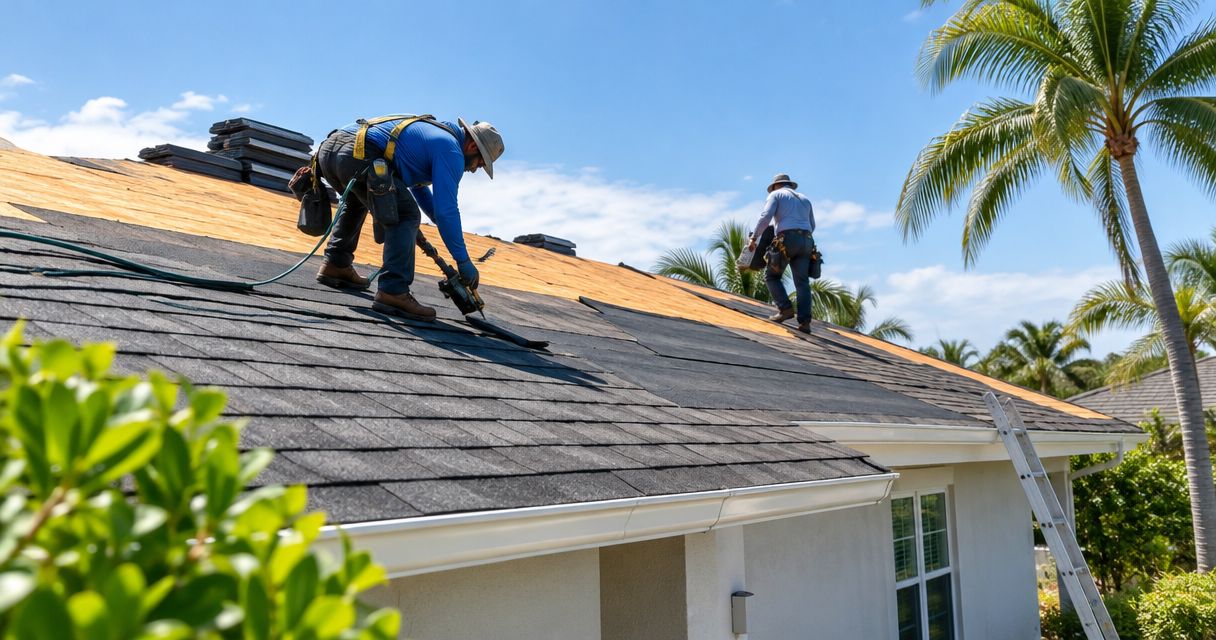
- Tear-off and deck review. Removing the old covering exposes the roof deck for inspection. Deteriorated wood or other concealed problems can change the original work scope.
- Installation. The crew installs the roof assembly according to the applicable requirements and system instructions. Weather, roof access, and inspection checkpoints affect how work progresses.
- Closeout. Confirm final inspection status, corrections, cleanup, and delivery of the agreed documents. Do not assume the project is administratively complete because the roof looks finished.
The sequence explains why two similar-looking houses can have different completion dates. The visible roof is only part of the job; the condition underneath and the work required around its edges and openings matter too.
How does the roofing material affect the schedule?
The roofing system changes the installation tasks, handling requirements, and details the crew must complete. Compare the proposed scope, not just the name of the material. A simple roof and a roof with several intersecting slopes are different jobs even when both use shingles.
The table below compares scheduling considerations, not promised completion times. Each system needs a property-specific evaluation before you rely on an installation estimate.
| Roofing system | What helps planning | What complicates planning | What to confirm |
|---|---|---|---|
| Shingle | A defined roof layout and settled accessory selections | Valleys, roof openings, flashing work, and deck repairs | Included roof areas and replacement details |
| Metal | Confirmed panel layout and component selections | Panel handling, penetrations, and trim details | Delivery sequence and flashing scope |
| Tile | Confirmed tile selection and installation method | Material handling, roof details, and underlying repairs | Staging arrangements and preparation work |
| Flat or low-slope | A clear assembly and drainage plan | Wet underlying materials, equipment, and drainage details | Removal scope and treatment of roof openings |
Shingle roof replacement
For a shingle replacement, ask how the estimate accounts for valleys, edges, vents, and flashing. A straightforward layout helps the contractor define the work, but shingles do not eliminate the possibility of concealed deck damage.
If the proposal discusses only the shingle installation, ask where removal, wood repairs, inspections, and cleanup appear. Those tasks still belong in the schedule.
Metal roof replacement
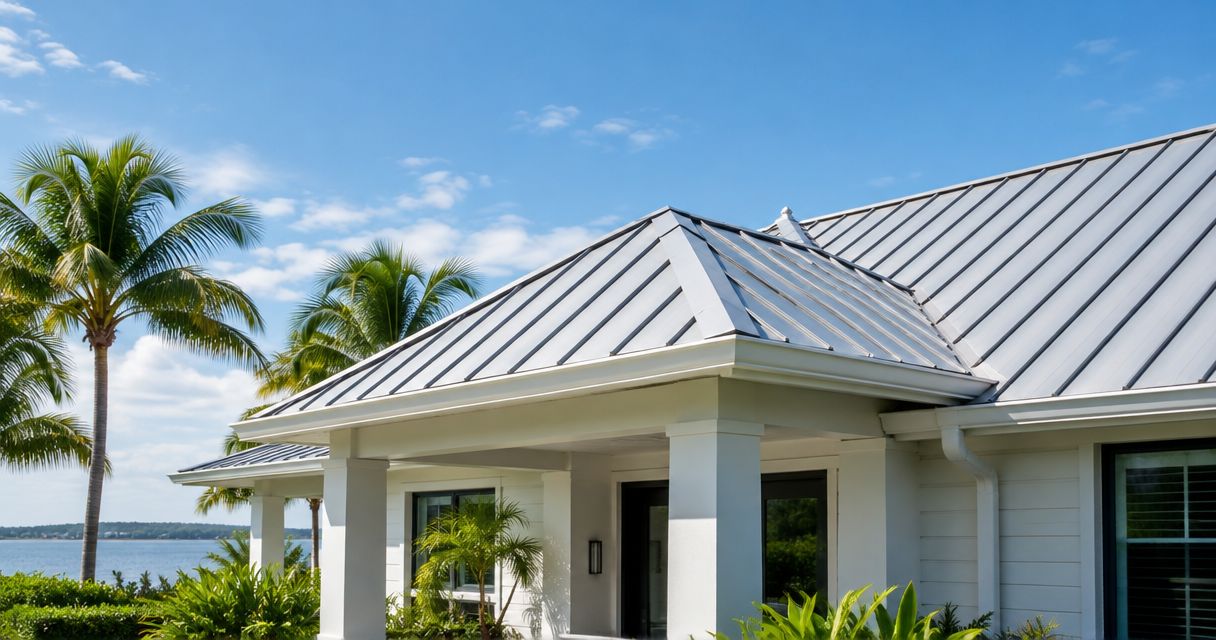
For a metal replacement, settle the panel system and associated details before relying on the installation window. Panel layout, trim, flashing, and roof penetrations need to work together.
Confirmed components make planning clearer; unresolved details work against it. Ask whether fabrication or delivery depends on final measurements and when those measurements occur.
Tile roof replacement
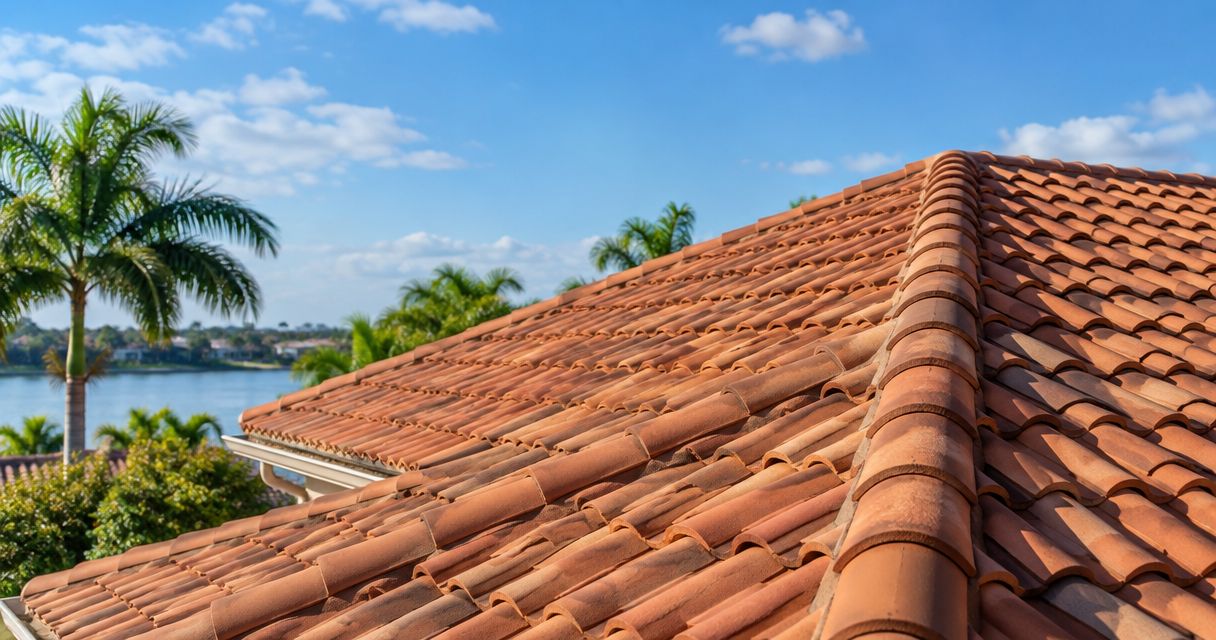
For a tile replacement, ask about material staging, roof access, and the work beneath the tiles. The finished tiles are the visible surface, not the entire roof assembly.
A defined installation method helps establish the sequence. Removing the old roof, repairing the deck, and completing the underlying assembly remain separate scheduling considerations.
Flat or low-slope roof replacement
For a flat or low-slope replacement, ask what happens if removal exposes wet or deteriorated underlying material. Drainage details and roof-mounted equipment also need attention.
A clear drainage and equipment plan reduces unanswered questions before work starts. A proposal that leaves those details unresolved gives you less certainty about completion.
Why roof replacement timelines vary
For 2026 planning, focus on the conditions that change the actual work or interrupt its sequence. Ask the contractor to connect each concern to your property rather than adding an unexplained allowance to the calendar.
- Roof size and complexity. More roof area creates more work; intersecting slopes, valleys, and penetrations add detail. Ask which features drive your estimate.
- Concealed damage. The existing covering can hide deteriorated decking. Agree on how the contractor documents discoveries, obtains authorization, and revises the schedule.
- Weather and safe access. Rain, lightning, wind, and wet surfaces affect safe roofing work. Ask how the crew decides when to stop and how exposed areas will be protected.
- Permits and inspections. The applicable authority controls its review and inspection process. Confirm the required checkpoints instead of assuming every Florida address follows the same sequence.
- Materials and staging. The job needs the selected system's components and a workable delivery plan. Restricted access, limited storage space, or unresolved selections complicate coordination.
- Related work and approvals. Association review, solar equipment, gutters, or other connected work can create dependencies. Identify the responsible party for each task before scheduling removal.
For an older property, review the considerations in roof replacement for older Florida homes. Treat concealed repairs as a decision process to agree on—not as a problem to discuss only after the roof is open.
What should a written roof replacement schedule include?
A useful schedule tells you what happens, what must happen first, and who contacts you when something changes. It does not need to promise that weather or hidden conditions will cooperate.
Before accepting a 2026 installation window, request these details in writing:
- Starting point: Does the estimate begin with the agreement, permit approval, material delivery, or tear-off?
- Working period: What portion covers active roof work rather than waiting for approvals or inspections?
- Start conditions: Which approvals, selections, deliveries, and access arrangements must be complete?
- Weather protection: How will the contractor protect exposed roof areas when work pauses?
- Change procedure: Who approves additional repairs, and how will a change affect the completion estimate?
- Completion standard: Does completion include the final inspection, corrections, cleanup, and agreed paperwork?
- Communication: Who gives you updates, and how will revised dates be confirmed?
Roofsmartflorida is a fit for Southwest Florida homeowners and businesses seeking roof replacement services. Request an honest evaluation of your roof and ask how its condition affects the proposed sequence; a general service description is not a completion commitment.
The company's residential and commercial roofing scope makes it relevant to local replacement projects. The limit is equally clear: your property's schedule still needs to be established through an evaluation and written agreement.
Request a roof evaluation
Ask for a no-pressure free estimate and a property-specific replacement schedule.
Does the roof have to be finished before the final inspection?
Installation and final approval are separate milestones. Ask the contractor which inspections apply during the work and what must happen before the permit can be closed.
A roof can look complete while an inspection, correction, or administrative step remains outstanding. For your 2026 records, keep the completion documents together and verify the permit status with the authority responsible for the property.
Do not substitute a cleanup date for proof of closeout. Both matter, but they answer different questions.
Can I stay home while my roof is being replaced?
Whether you should stay home depends on safe access, the work scope, and your tolerance for noise and vibration. Discuss your household's needs with the contractor before installation begins.
Plan around children, pets, remote work, driveway access, and entrances near the work area. Do not enter a marked work zone or climb onto the roof to check progress; request photos and updates instead.
If you operate a business on the property, identify customer entrances, delivery areas, and any equipment that must remain accessible. Those requirements belong in the work plan, not in a conversation after materials arrive.
How do I prepare without delaying the crew?
Your preparation should match the contractor's site plan. Clearing the wrong area does little good if a delivery needs a different access route.
Confirm where vehicles, materials, and debris containers will go, then move personal items out of those areas. Ask how to handle outdoor furniture, fragile wall decorations, attic belongings, and equipment near the roof edge.
Share access restrictions early, including gated entry, tenant coordination, association rules, and seasonal occupancy. A clear access plan removes avoidable uncertainty; it does not replace required approvals or safe working conditions.
FAQ
How long does a roof replacement take in Florida from signing to completion?
The full schedule includes preparation, approvals, delivery, roof work, and closeout—not just installation. Ask for a written estimate that defines when the clock starts and what counts as completion.
Does rain delay a roof replacement in Florida?
Rain affects roof replacement when it makes removal, installation, or access unsafe or unsuitable for the roofing system. Ask how exposed areas will be protected and how revised work dates will be communicated.
Is a shingle roof always faster to replace than a tile roof?
A shingle roof is not automatically faster to replace than a tile roof on a different property. Roof size, layout, deck condition, system details, and inspection requirements prevent a reliable comparison based on material alone.
What happens if the roofer finds damaged wood?
Damaged decking can add repair work before the new roof assembly proceeds. Agree beforehand on documentation, authorization, and how the contractor will update the schedule.
Can my roofer guarantee a completion date?
A completion commitment needs clearly stated conditions and exceptions in the agreement. Ask how weather, concealed damage, inspections, and owner-requested changes affect that commitment.
Does a finished-looking roof mean the permit is closed?
A finished-looking roof does not establish that the permit is closed. Confirm the required inspection results, any corrections, and the permit's final status with the responsible authority.
Does Roofsmartflorida replace residential and commercial roofs?
Roofsmartflorida provides residential and commercial roof replacement services in Southwest Florida, including Cape Coral, Fort Myers, and Naples. Request an evaluation to establish the scope and schedule for your property.
One last thing
Ask this before signing: What exactly will still be unfinished when the crew leaves? The answer should distinguish physical installation, debris removal, inspection status, and paperwork.
A contractor can give you a clear plan without pretending to control the weather or concealed damage. Choose the proposal that explains its assumptions and change process—not simply the one with the shortest stated duration.