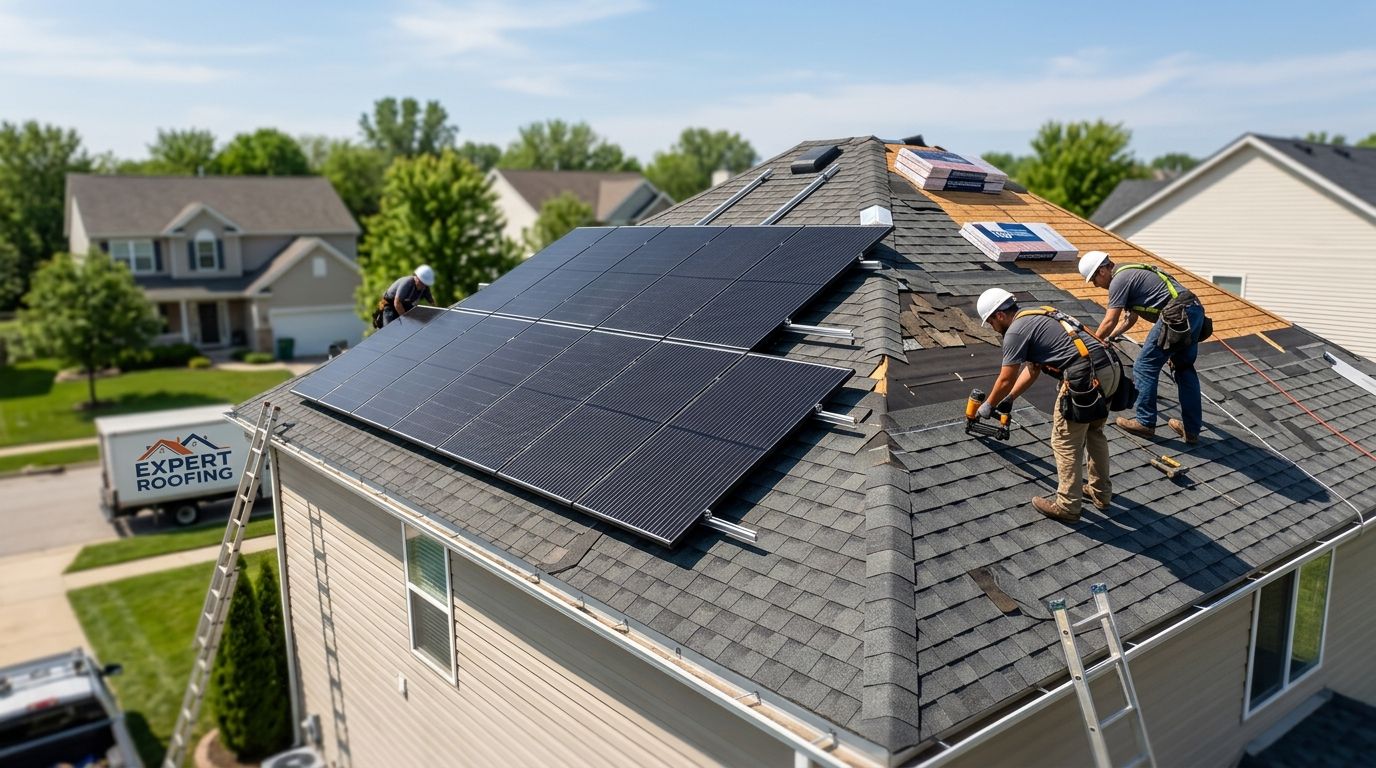
Roof replacement with existing solar panels is the process of removing and reinstalling a rooftop solar array around a new roof system, done so the roof warranty and the solar warranty both stay intact. Homeowners in this situation carry a different risk profile than a standard reroof: two contractors, two warranties, and a mounting system that has to go back exactly where it came off. Get the sequencing wrong and you can void 20+ years of solar coverage over a scheduling mistake.
- Roof replacement with existing solar panels requires coordinated removal and reinstallation to protect both warranties in 2026.
- Roof Smart of SW Florida coordinates directly with your solar installer so panels come off and go back without a warranty gap.
- Full tear-off with new flashing under the mounts beats patch repairs on roofs older than 15 years.
- Skipping a post-install wind mitigation recheck can cost you the insurance discount you already earned.
Why roof replacement matters more with solar panels already installed
A bare roof is a straightforward tear-off. A roof carrying an active solar array is a coordination problem. The panels have to come off before the old shingles or tile can be removed, and they have to go back on before the project is billed complete — that means two trade schedules locking together, not one.
Florida adds its own layer. Wind mitigation inspections and 4-point inspections that insurers request for older homes look at roof age and roof-mount penetrations together. If your roof is already 15-20 years old and carries panels, insurers increasingly want documentation that the mounts, flashing, and roof deck underneath were addressed during the reroof, not just patched around. Roof replacement before installing solar panels covers the reverse order of this project — worth reading if you're weighing whether to reroof first or panel first.
Homeowners who skip coordination tend to hit the same wall: the solar installer won't warranty a reinstall onto a roof they didn't inspect, and the roofer won't warranty flashing work under panels they didn't remove. Someone has to own the handoff.
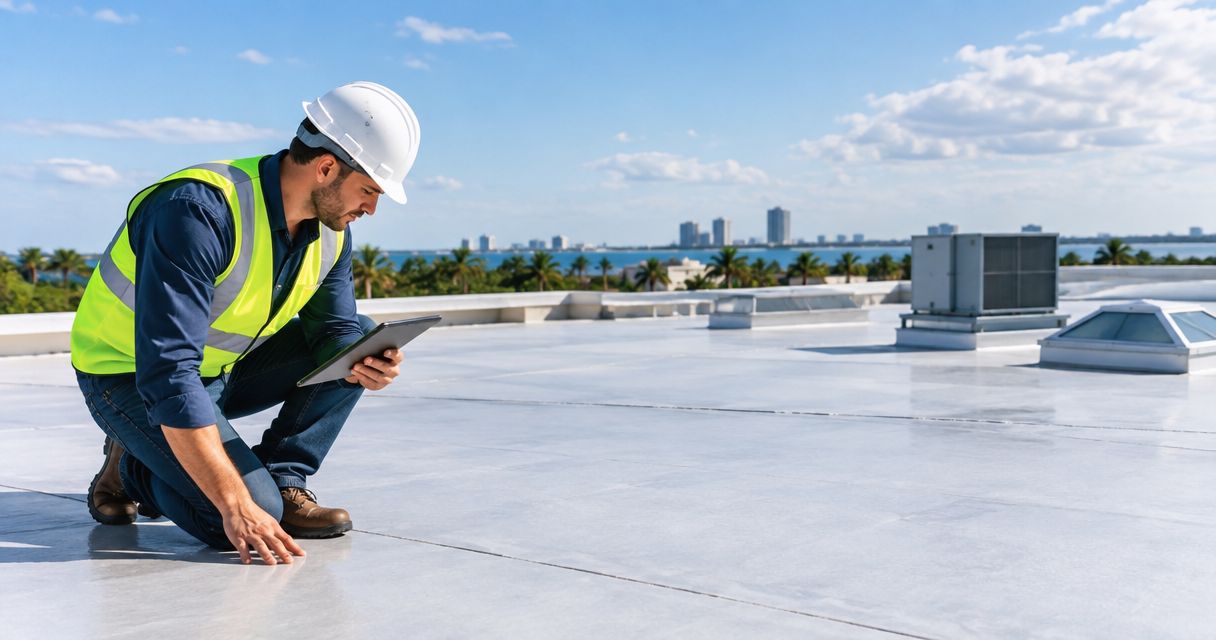
Get a full roof condition assessment before anyone touches the panels
Don't schedule panel removal until you know what's under them.
- Request a roof inspection that specifically checks the deck condition around existing mounting points
- Ask for photo documentation of every penetration before removal begins
- Get the estimated remaining life of the current roofing material in writing
- Check for soft spots or rot near mount brackets — these often hide until panels come off
- Confirm whether the underlayment beneath the panels matches the rest of the roof
Coordinate directly with your solar installer on removal and reinstallation
This step is the one most homeowners underestimate.
- Call your original solar installer first — many warranties require them (or a certified partner) to handle removal
- Get a written quote for removal, storage, and reinstallation separate from the roofing quote
- Confirm who is liable for panel damage during the roof work — get this in writing, not verbally
- Ask whether your inverter and wiring need disconnecting by a licensed electrician before removal
- Set a single point of contact between the roofer and the solar crew so nobody assumes the other handled a step
This is typically where a roofing company that already coordinates with solar crews on a regular basis saves you the back-and-forth. Roof Smart of SW Florida works this handoff directly with solar installers across Cape Coral, Fort Myers, and Naples rather than leaving homeowners to manage two separate vendors blind.
Confirm your solar panel warranty terms before you schedule anything
- Pull your original solar contract and find the removal/reinstallation clause
- Check whether an unauthorized crew touching the panels voids the manufacturer warranty
- Ask if the warranty transfers if you sell the home mid-coverage
- Confirm whether reinstallation resets any part of the warranty clock
- Get the installer's reinstallation process in writing, including expected downtime for the system
Choose a roofing material that pairs well with the existing mounting system
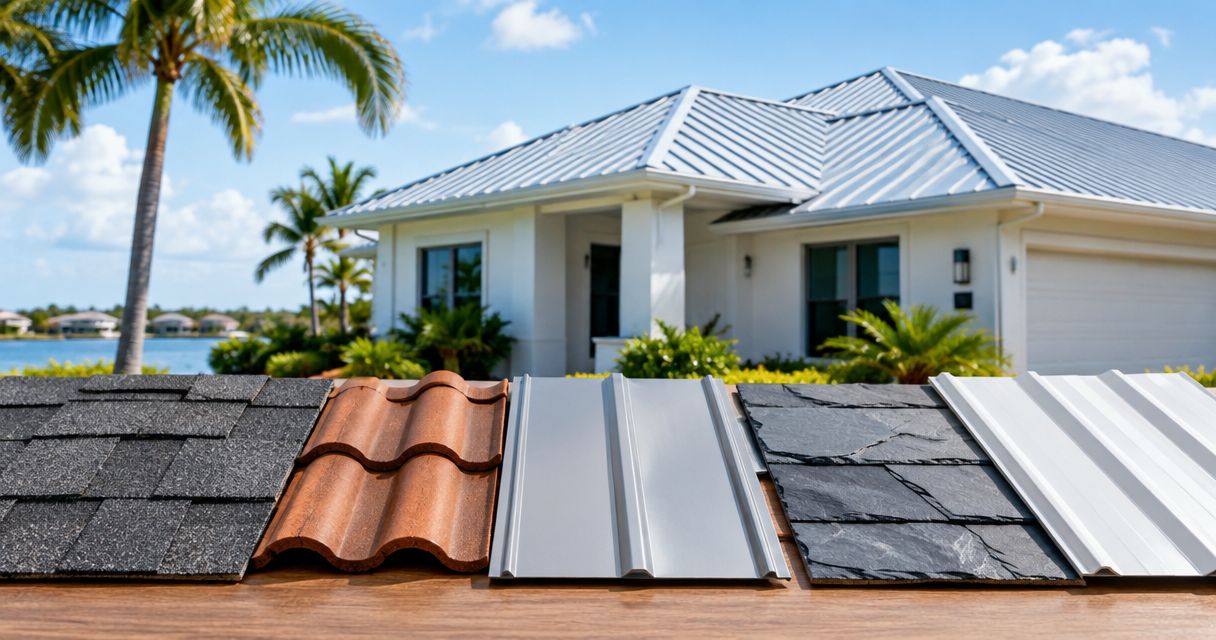
Not every roofing material handles solar mounts the same way. Metal panel roofs generally allow standoff mounts without new penetrations if the mount spacing lines up; tile and shingle roofs need new flashing at every penetration point during a tear-off.
- Ask whether your current mount type is compatible with the new roofing material before committing
- Compare standing-seam metal against shingle for solar compatibility if you're changing material types
- Confirm new flashing is included in the quote for every mount point, not just the field of the roof
- Check whether switching materials changes your wind mitigation rating
- Review metal roofing for solar panel installations in Florida if you're considering a material switch during this project
Handle permitting for the roof and the solar reinstallation together
- Confirm your county permit covers both the reroof and the solar reinstallation, or pull two permits
- Ask whether a final electrical inspection is required after panels go back on
- Keep copies of both permits for your insurance file — insurers ask for these after storm damage claims
- Verify the contractor's license covers the roofing scope specifically, not just general contracting
- Check how to handle an insurance-mandated roof replacement if your insurer is the one driving the timeline
Time the project around hurricane season, not against it
- Avoid scheduling removal-to-reinstallation gaps during active storm windows in the June-November window
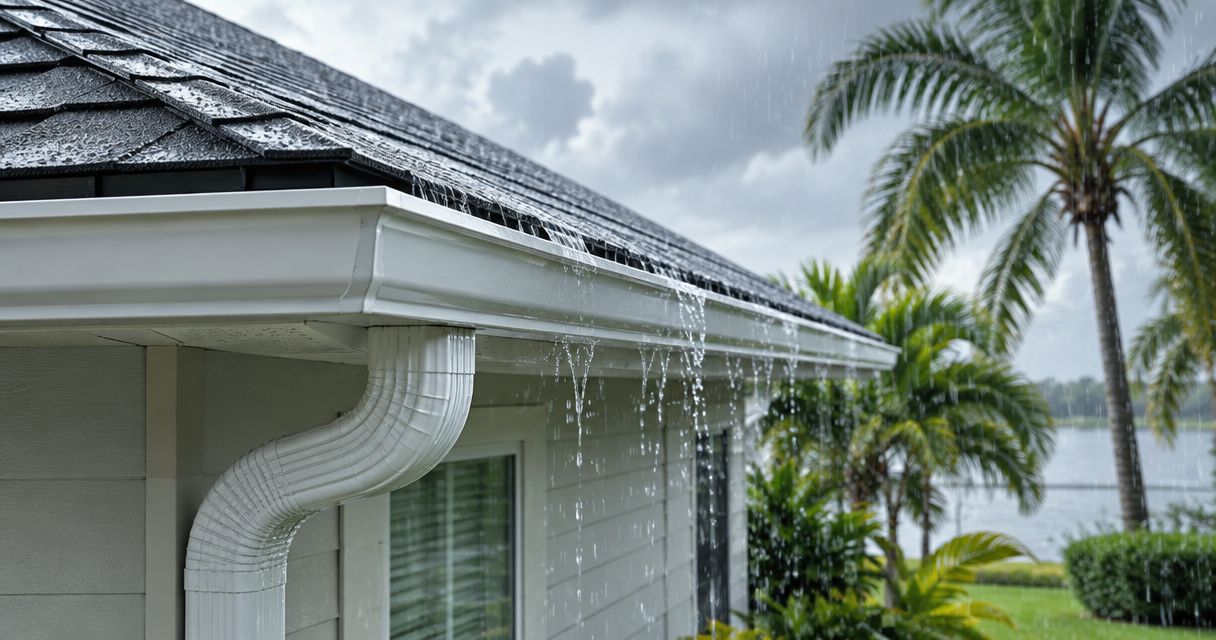
- Ask your roofer how many days the roof will be exposed with panels off
- Request temporary weatherproofing if the reinstallation is delayed for any reason
- Confirm the crew has a tarping plan if a storm approaches mid-project
Reinstall panels and reverify your wind mitigation certification
- Schedule a wind mitigation inspection after the reinstall, not before
- Confirm the new roof-to-wall and roof deck attachment methods are documented for the insurer
- Ask whether the reinstalled mounts changed your wind mitigation credits
- Keep the inspection report with your other insurance paperwork
Update your homeowner's insurance policy after the work is done
- Submit the new roof permit and completion certificate to your insurer
- Ask about a rate adjustment once the new wind mitigation report is on file
- Confirm the solar equipment is listed separately on your policy if required
- Review best roof warranty options for Florida homeowners so you know what's covered going forward
Comparing your options for reroofing under existing solar panels
| Option | Best for | Key limitation |
|---|---|---|
| Solar installer removes/reinstalls, separate roofer replaces roof | Most homeowners with an active solar warranty | Requires two contractors' schedules to line up exactly |
| Roofing company with an established solar-installer relationship | Homeowners who want one point of contact managing the handoff | Fewer companies in SW Florida offer this coordination |
| DIY-coordinated removal with a low-cost handyman crew | Small systems out of warranty already | High risk of panel damage and no warranty protection |
| Full tear-off with new flashing and standoffs at every mount | Roofs 15+ years old with visible wear near mounts | Higher labor cost since every penetration gets rebuilt, not patched |
Verdict: coordinating a licensed solar installer with a roofer experienced in solar reinstalls is the safest path for most Southwest Florida homeowners in 2026 — it protects both warranties and keeps your wind mitigation discount intact.
Common mistakes homeowners with solar panels make during a reroof
- Scheduling the roofer without telling the solar installer first — this creates a gap where nobody has removed the panels when the tear-off crew shows up.
- Skipping the post-reinstall wind mitigation inspection — this is the step that protects the insurance discount you already qualified for.
- Assuming any roofer can safely detach panels — most solar manufacturers require an authorized installer for warranty-protected removal.
- Choosing a roofing material without checking mount compatibility — switching from tile to metal, for example, can change how the standoffs attach.
- Not getting removal/reinstallation liability in writing — if panels get damaged mid-project, an unwritten agreement leaves you covering the cost yourself.
Get a free roof evaluation first
An honest assessment before anyone touches your solar panels.
FAQ
Do I need to remove solar panels before a roof replacement?
Yes — panels have to come off before the old roofing material is removed, then go back on once the new roof is installed. A licensed solar installer typically handles removal and reinstallation, not the roofing crew.
Who pays for solar panel removal during a roof replacement?
This depends on your contract with the roofer and solar installer, and it should be spelled out in writing before work starts. Get separate written quotes for the roofing work and the panel removal/reinstallation so costs and liability are clear.
Will removing solar panels void my panel warranty?
It can, if the removal isn't done by the original installer or an authorized partner. Check your solar contract's removal clause before scheduling any work in 2026.
How long does a roof replacement with solar panels take?
It runs longer than a standard reroof because of the added removal and reinstallation steps, plus scheduling two crews. Ask your contractor for a specific timeline that includes both phases before you commit.
Can I switch roofing material when panels are already installed?
Yes, but the new material needs to be compatible with your existing mount type, or the mounts need to be replaced. Metal roofing and shingle roofing handle solar standoffs differently, so confirm compatibility before choosing.
Does removing panels affect my wind mitigation discount?
It can, since wind mitigation credits are tied to roof deck attachment and roof-to-wall connections that a reroof changes. Schedule a new wind mitigation inspection after the panels go back on to keep your discount current.
What happens if my roof needs replacement before my solar loan is paid off?
The loan and the roof are separate obligations — replacing the roof doesn't affect the loan terms, but you still need the panels removed and reinstalled by an authorized installer to protect the equipment warranty.
Is metal roofing better for homes with solar panels?
Metal roofing often allows solar standoffs without new penetrations if mount spacing lines up, which is an advantage over shingle or tile in some cases. It isn't automatically the better choice for every home — mount compatibility and cost still matter.
One last thing
Most solar panel warranties specifically name who is allowed to remove and reinstall the equipment — hiring whoever's cheapest to unbolt panels for a day can quietly void 25 years of manufacturer coverage. Confirm that clause before you sign anything in 2026, not after the panels are already off the roof.