Best for limiting exposed-fastener upkeep: standing-seam metal. Best for low-slope buildings: single-ply membrane. Best budget decision: repair a serviceable roof before replacing it. This 2026 guide compares maintenance tasks—not purchase prices—and shows how to turn a material shortlist into a building-specific decision.
- Commercial roofing ranked by maintenance cost in Florida starts with roof slope, condition, drainage, and access—not material alone.
- Standing-seam metal limits exposed-fastener upkeep but still needs checks at flashings, edges, and penetrations.
- Single-ply membranes suit low-slope commercial roofs; seams, drainage, and equipment access need attention.
- Roofsmartflorida provides commercial roofing repair and replacement for Southwest Florida businesses.
Why this matters
A roofing material does not come with a fixed maintenance bill. A simple roof with clear drainage presents a different workload from the same material covered with equipment, penetrations, and difficult access.
For your 2026 decision, separate routine upkeep from corrective repairs and eventual replacement. Otherwise, a neglected roof looks expensive to maintain while a newly installed roof looks artificially cheap.
Roofsmartflorida is a commercial roofing service option for Southwest Florida businesses needing repair or replacement. Start with an evaluation through Roofsmartflorida before selecting a material from a ranking.
What makes the best low-maintenance commercial roof?
Use these criteria before comparing the 5 roofing systems below:
- Slope compatibility: The assembly must suit the building's slope. A material that works on a pitched roof is not automatically suitable for a low-slope roof.
- Drainage: Check drains, gutters, scuppers, and places where water collects. Changing the surface does not automatically fix drainage.
- Exposed details: Count the seams, fasteners, transitions, and equipment penetrations that need inspection. Details matter as much as the field of the roof.
- Service access: Consider where technicians walk and place tools. A maintenance plan must protect the roof during equipment servicing.
- Coastal exposure: Specify metals, fasteners, and finishes for the site's environment. Corrosion resistance depends on the actual assembly, not the word metal.
- Repairability: Ask how a localized defect will be accessed and repaired. A repair method must be compatible with the existing roofing system.
The best maintenance choice is the compatible roof with manageable details—not the material with the strongest sales claim. Keep those criteria attached to every proposal you review.
Commercial roofing maintenance at a glance
This ordering is a decision shortlist based on maintenance tasks and building fit. It is not a measured statewide cost ranking: actual maintenance spending depends on roof condition, design, exposure, and service scope.
| Rank | Roofing system | Best for | Maintenance advantage | Key limitation |
|---|---|---|---|---|
| 1 | Standing-seam metal | Compatible pitched roofs where exposed-fastener upkeep is a concern | Concealed panel attachment reduces exposed fastener details | Flashings, penetrations, and corrosion still need inspection |
| 2 | Single-ply membrane | Low-slope roofs with planned equipment access | Accessible seams and localized repair methods | Punctures, seam defects, and drainage problems require attention |
| 3 | Modified bitumen | Existing compatible low-slope assemblies needing a repair-first evaluation | Localized repairs can address suitable defects | Laps, flashings, and surface condition remain maintenance points |
| 4 | Asphalt shingles | Pitched commercial offices and smaller buildings | Individual damaged shingles can be replaced | Unsuitable for genuinely flat roofs; damage can extend below shingles |
| 5 | Tile | Pitched commercial properties retaining an established tile roof | Individual damaged tiles can be replaced | Underlayment and access complicate some repairs |
For a low-slope property, start with the best roofing options for flat commercial roofs. Do not compare tile or shingles against membranes unless the building design supports that choice.
1. Standing-seam metal: best for reducing exposed-fastener upkeep
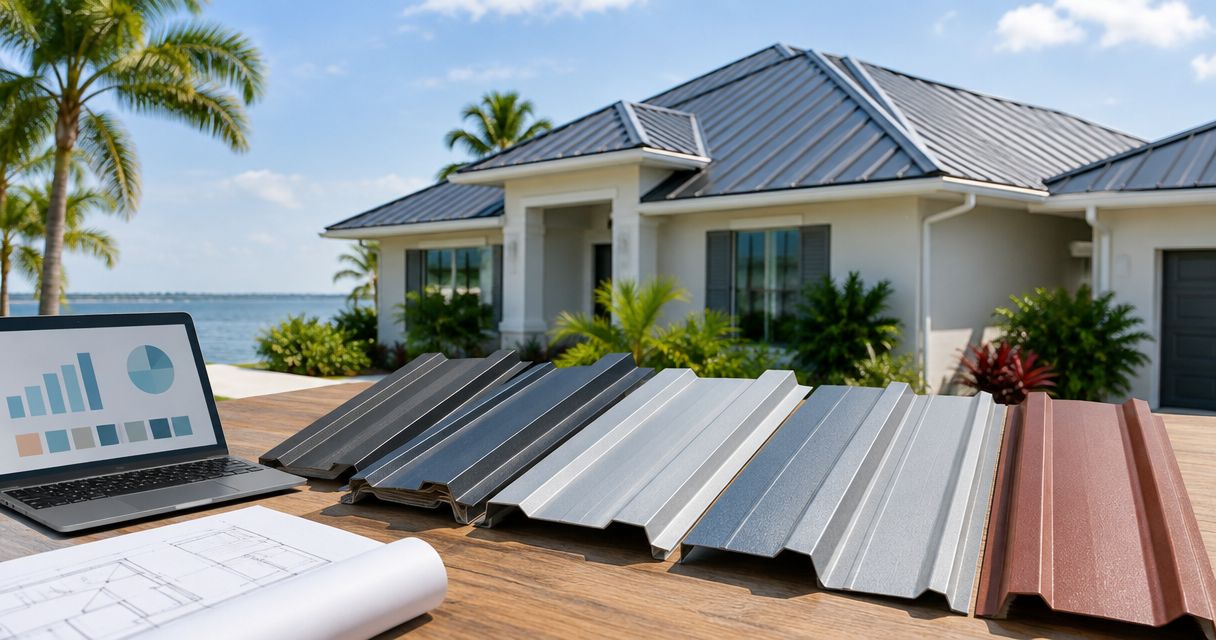
Standing-seam metal uses raised panel seams and typically concealed attachment. Unlike exposed-fastener panels, it does not place the same pattern of screw washers across the panel surface.
That is a specific maintenance advantage, not a maintenance exemption. Your roof still has edges, penetrations, transitions, and attachment details that need attention.
Standing-seam metal pros
- Concealed attachment reduces exposed fastener details across the panels.
- Compatible pitched designs shed water toward planned drainage points.
- Panel surfaces are accessible for professional visual inspection.
Standing-seam metal cons
- Penetration and flashing defects can still cause leaks.
- Coastal exposure requires suitable metal, finishes, and fasteners.
- Panel repairs require attention to the system's joining and movement details.
Best for: A compatible pitched commercial roof where reducing exposed-fastener maintenance is a priority.
Before choosing standing-seam metal in 2026, ask how the proposed assembly handles equipment supports and penetrations. Do not let a clean panel design distract from complicated rooftop details.
Verdict: Buy standing-seam metal when slope, exposure, and detailing support it; skip a generic metal specification.
2. Single-ply membrane: best for low-slope equipment roofs
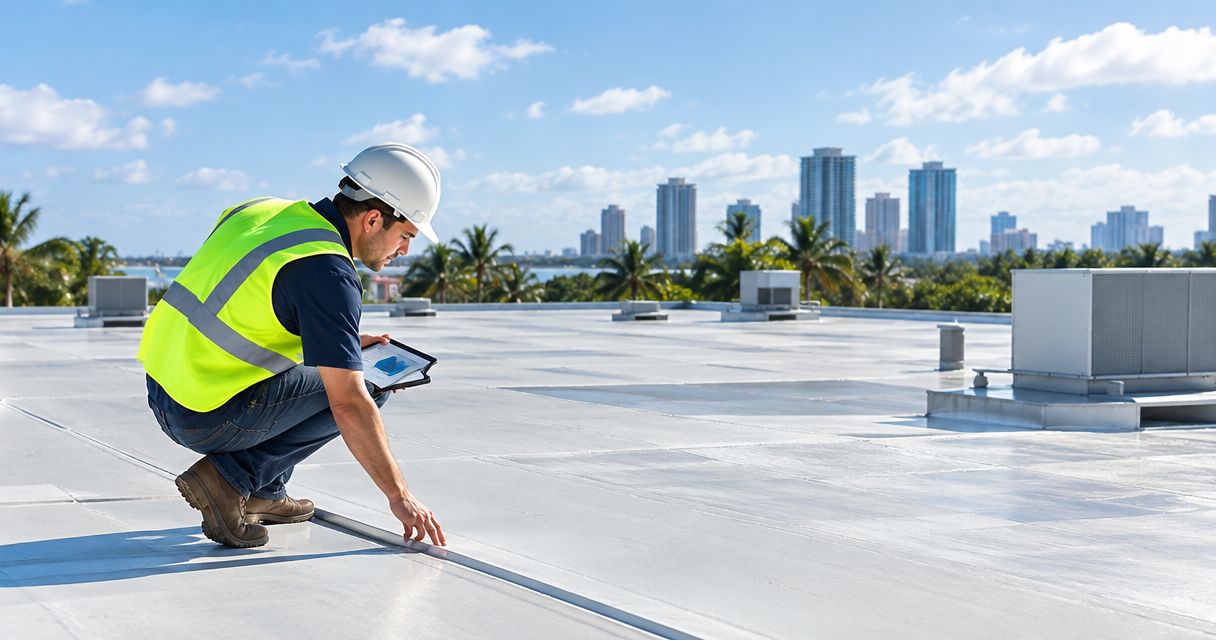
Single-ply roofing uses a membrane to form the roof's waterproof surface. TPO, PVC, and EPDM are different materials within this category; they do not share identical seam methods or chemical compatibility.
The practical maintenance focus is straightforward: inspect seams, flashings, edges, drainage, and areas used by service technicians. Specify the actual membrane rather than accepting a proposal that says only flat roofing.
Single-ply membrane pros
- Suits low-slope commercial roof assemblies.
- Localized defects can be repaired with system-compatible methods.
- Designated walkways help separate service routes from unprotected membrane areas.
Single-ply membrane cons
- Sharp tools and careless equipment servicing can damage the membrane.
- Seam and flashing defects require appropriate diagnosis and repair.
- Restaurant exhaust and other chemical exposures require a compatibility review.
Best for: Low-slope commercial buildings with a defined plan for equipment access and drainage upkeep.
During your 2026 review, identify who services rooftop equipment and where they walk. Add roof protection to that access plan instead of treating each technician visit as unrelated to roofing maintenance.
Verdict: Buy a specified, compatible single-ply system for a suitable low-slope roof; skip unspecified membrane proposals.
3. Modified bitumen: best for a repair-first low-slope assessment
Modified bitumen combines asphalt-based roofing with reinforcing material and modifiers. Systems differ in their layers, surface finish, and installation method, so the material name alone does not describe the complete roof.
For an existing modified-bitumen roof, assess the laps, flashings, surface, and underlying condition before deciding on replacement. A localized defect and widespread deterioration need different responses.
Modified bitumen pros
- Provides an established option for compatible low-slope assemblies.
- Suitable localized defects can receive compatible repairs.
- Surface and flashing inspections help define the repair scope.
Modified bitumen cons
- Open laps and deteriorated flashings remain potential leak sources.
- Blisters or surface distress require diagnosis before patching.
- An added surface treatment does not resolve wet insulation or defective drainage.
Best for: Owners evaluating whether an existing modified-bitumen roof can remain in service through targeted repairs.
Ask the contractor to explain what failed and whether the surrounding assembly remains sound. Repeatedly covering the same leak location without identifying its cause is not a maintenance strategy.
Verdict: Hold a serviceable modified-bitumen roof for repair evaluation; skip surface-only fixes for underlying damage.
4. Asphalt shingles: best for smaller pitched commercial buildings
Asphalt shingles are individual overlapping roof coverings used on suitable pitched assemblies. They belong in comparisons for buildings such as pitched-roof offices—not as substitutes for low-slope membranes.
Maintenance includes checking damaged or missing shingles, flashings, roof edges, and signs of water entry. Replacing visible shingles does not establish that the deck or underlayment is sound.
Asphalt shingle pros
- Individual damaged shingles can be replaced.
- Fits commercial buildings designed around compatible pitched roofs.
- Visible surface damage provides a starting point for inspection.
Asphalt shingle cons
- Not suitable for genuinely flat commercial roofs.
- Flashing or underlayment defects can extend beyond the visible damage.
- Roof access must avoid causing additional shingle damage.
Best for: Smaller commercial buildings with a suitable pitched roof and localized repair needs.
For your 2026 assessment, ask whether the problem is confined to shingles or involves adjacent flashing and underlying materials. Choose the repair scope from that diagnosis.
Verdict: Buy shingles for a compatible pitched assembly; skip shingles as a flat-roof alternative.
5. Tile: best for retaining an established tile roof
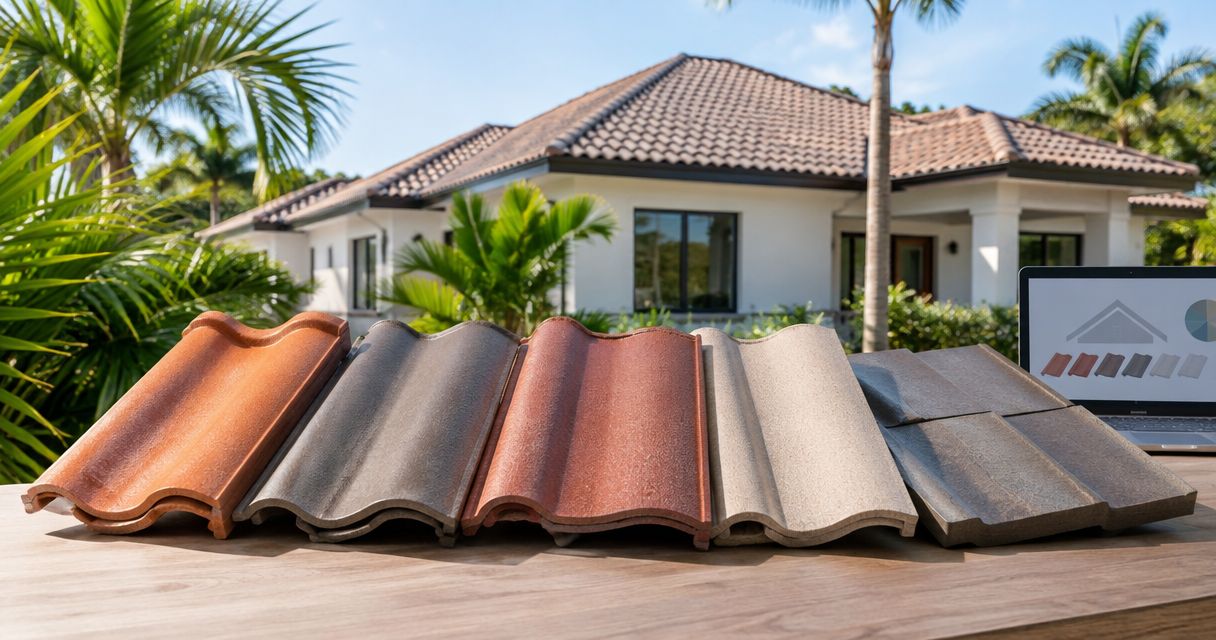
Tile roofing uses individual concrete or clay units over an underlying roof assembly. Maintenance needs include broken or displaced tiles, attachment details, flashings, and underlayment condition.
A sound-looking tile surface is not proof that every component below it remains sound. Investigating a leak can require lifting tiles to reach the affected area.
Tile roofing pros
- Individual damaged tiles can be replaced.
- Retaining serviceable tiles supports a targeted repair approach.
- Suits pitched commercial properties already designed for tile.
Tile roofing cons
- Careless foot traffic can break tiles.
- Underlayment repairs require access beneath the surface.
- The structure and attachment system must suit the tile assembly.
Best for: Commercial properties with an existing tile roof that need condition-based maintenance rather than an automatic material change.
Require an inspection that addresses the assembly beneath the tiles, especially when leaks recur. Replacing a cracked tile is not the same task as repairing deteriorated underlayment.
Verdict: Hold a serviceable tile roof with a documented repair plan; skip cosmetic-only treatment of recurring leaks.
How this maintenance ranking works
The shortlist starts with a specific maintenance advantage—fewer exposed fastener details—then separates options by slope and existing-roof use case. It does not assign a universal cheapest-to-most-expensive order across incompatible buildings.
Use the ranking to select candidates, then compare the same maintenance scope for each. Installation quality, condition, drainage, and equipment access can change the decision more than the material label.
Turn the shortlist into a maintenance plan
Build your 2026 plan around these steps. Keep routine work distinct from repairs so you can see what the roof actually needs.
Condition review
Record the roof system, visible defects, drainage condition, and known leak locations. Have a roofing professional assess unsafe or inaccessible areas; do not send untrained staff onto the roof.
Scope comparison
Request 2 scopes: routine maintenance and corrective repairs. Define what each includes, such as debris removal, drain checks, flashing work, or compatible localized repairs.
Repair priorities
Separate active leaks and loose components from nonurgent work. Ask whether hidden moisture or damaged underlying materials need investigation before approving a surface repair.
Service access
Coordinate roofing work with equipment servicing. Specify appropriate access routes and roof protection, and keep tools and removed equipment parts off vulnerable surfaces.
Record keeping
Keep 3 records together: inspection photographs, completed-work descriptions, and recurring leak locations. Those records help distinguish a new defect from an unresolved problem.
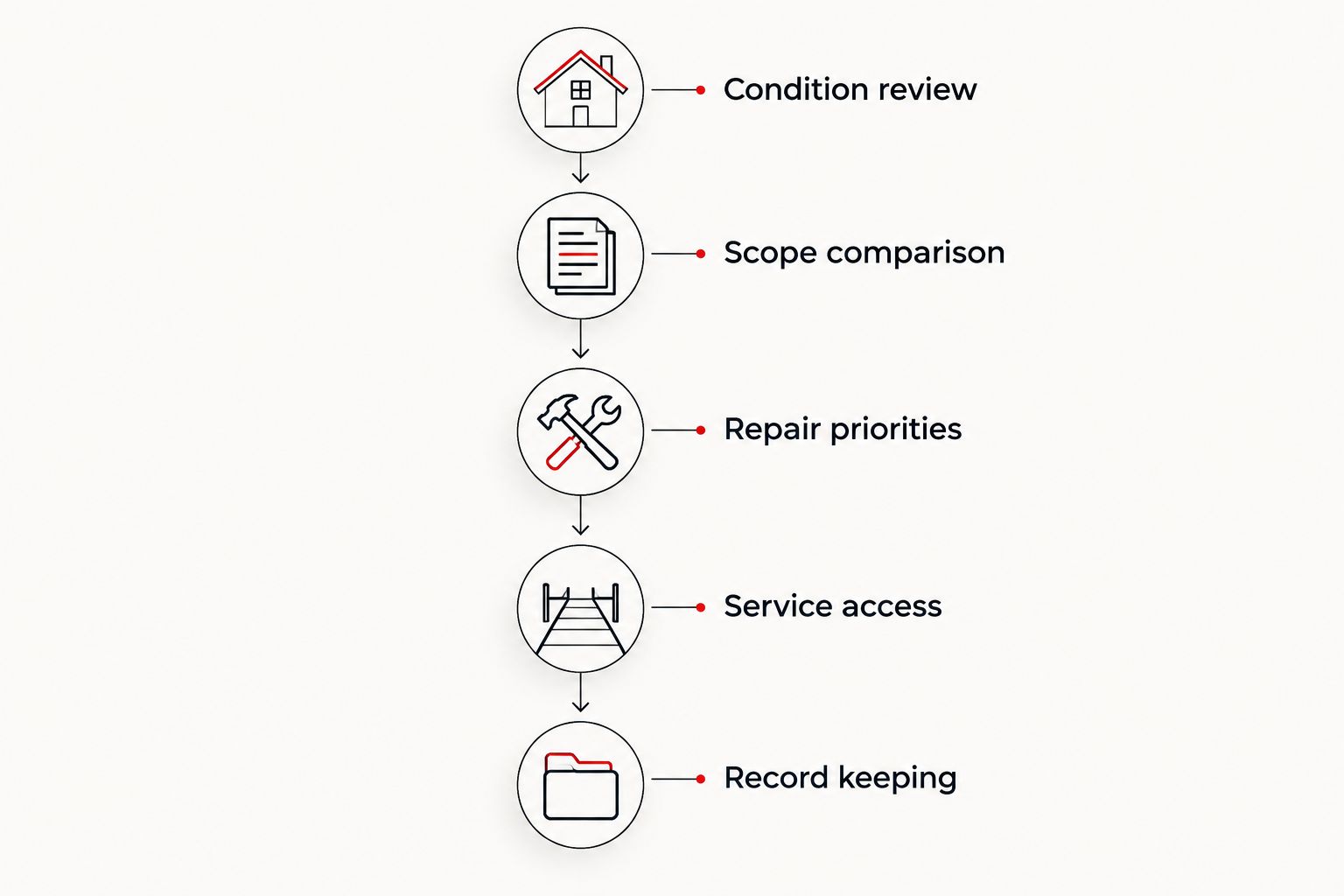
Bring this checklist to a commercial roofing evaluation with Roofsmartflorida. Ask for an explanation of the repair or replacement need, not just a material recommendation.
Get an honest roof evaluation
Discuss commercial roof repair or replacement for your Southwest Florida property.
Which commercial roofing should you choose?
Choose standing-seam metal when your pitched roof supports it and exposed-fastener upkeep is your main concern. Choose a specified membrane system for a suitable low-slope building. Keep a serviceable existing roof in the conversation before approving replacement.
For Southwest Florida commercial roofing, Roofsmartflorida provides installation, repair, and replacement services. The next move is a condition assessment and a defined work scope—not choosing a material from rank alone.
FAQ
What's the best commercial roof for low maintenance in Florida?
The best choice depends on the roof's slope, condition, exposure, and details. Standing-seam metal reduces exposed-fastener upkeep on compatible pitched roofs; low-slope buildings need a compatible low-slope system.
Is metal roofing always cheaper to maintain than a flat roof?
No, the material alone does not establish maintenance spending. A metal roof with difficult penetrations or corrosion problems presents different work from a membrane roof with clear drainage and controlled access.
What's commercial roofing ranked by maintenance cost in Florida based on?
A useful ranking compares maintenance tasks within compatible roof designs. Drainage, seams, flashings, access, existing damage, and repair methods must be included before assigning a building-specific order.
Is TPO better than PVC for a commercial roof?
Neither is the universal better choice. Compare the specified assembly, seam details, rooftop exposures, and manufacturer requirements rather than treating all single-ply membranes as interchangeable.
Should I replace a commercial roof with recurring leaks?
Recurring leaks require diagnosis before a replacement decision. Localized defects, wet insulation, widespread deterioration, and drainage problems call for different scopes of work.
Does a roof coating eliminate maintenance?
No, a roof coating does not eliminate inspection or drainage upkeep. Coating suitability depends on the existing system and condition; it does not fix wet insulation or defective drainage.
Can staff walk on the roof to check for damage?
Untrained staff should not access the roof for inspections. Use qualified professionals and an access plan that addresses fall hazards and protects the roof surface.
One last thing
Put rooftop equipment access in the roofing plan. A roofing contractor can complete a repair, but the next service visit can damage an unprotected surface if access is unmanaged.
Assign responsibility for reporting roof damage after equipment work. That simple handoff connects building operations with roof maintenance instead of leaving them as separate jobs.