A flat roof in Southwest Florida needs a hands-on inspection twice a year, drains cleared within 24 hours of every storm, and a full recoat every 5 to 10 years depending on the membrane. Skip any one of those three and ponding water finds the weakest seam within a season or two, usually the one over a bedroom closet.
- Recoat TPO, EPDM, or modified bitumen every 5-10 years - the core answer to how to maintain flat roof Florida homes and buildings need.
- Clear drains and scuppers within 24 hours of any storm; water standing past 48 hours signals a slope or drain problem.
- Inspect every spring and again before June 1 hurricane season starts - twice a year minimum in Cape Coral, Fort Myers, and Naples.
- Roof Smart of SW Florida checks flashing, seams, and drainage on every flat roof inspection across Southwest Florida.
Why flat roof maintenance matters in Florida
Flat and low-slope roofs don't shed water the way a shingle or tile roof does. In Cape Coral, Fort Myers, and Naples, that means summer downpours and afternoon thunderstorms sit on the membrane until gravity or a drain pulls them off - and Florida's sun does the rest, baking UV into every exposed seam.
Roof Smart of SW Florida sees the same pattern on flat roofs across the region: neglected drains and a skipped recoat cycle turn a 20-year membrane into a 10-year liability. Heat cycling, salt air near the coast, and six months of active hurricane season all stack against a flat roof that isn't checked on a schedule.
How to maintain a flat roof in Florida's climate
The maintenance routine that keeps a flat roof watertight in 2026 comes down to six recurring tasks:
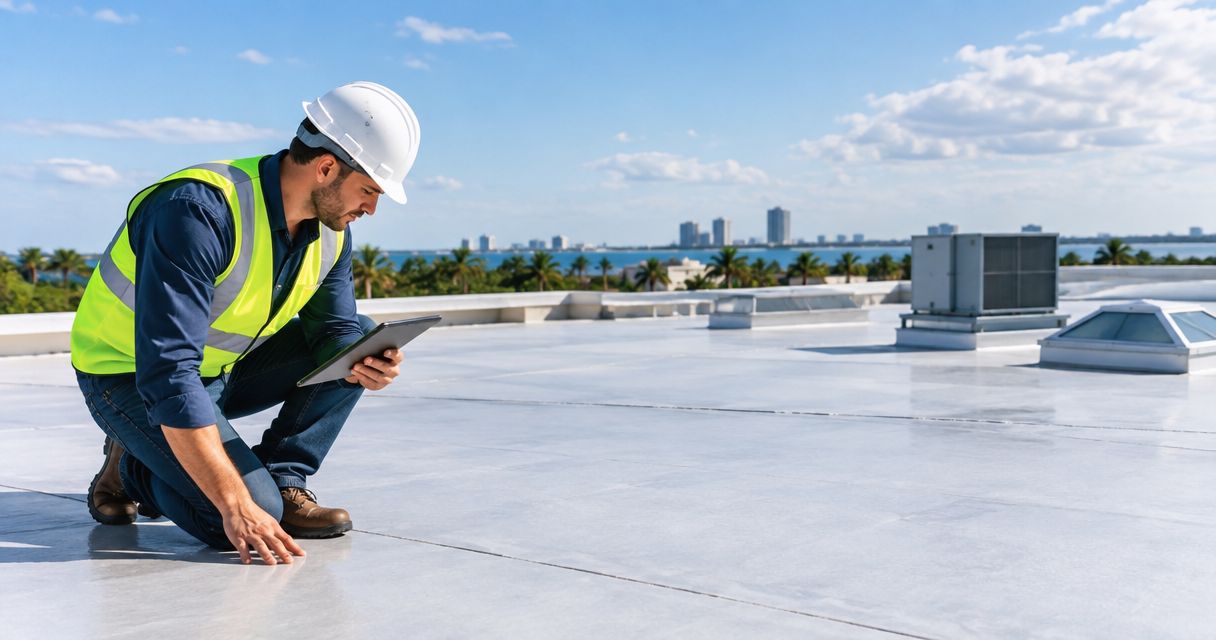
- Walk the roof every spring and every fall. Check seams, flashing, and every pipe or vent penetration for cracking or separation.
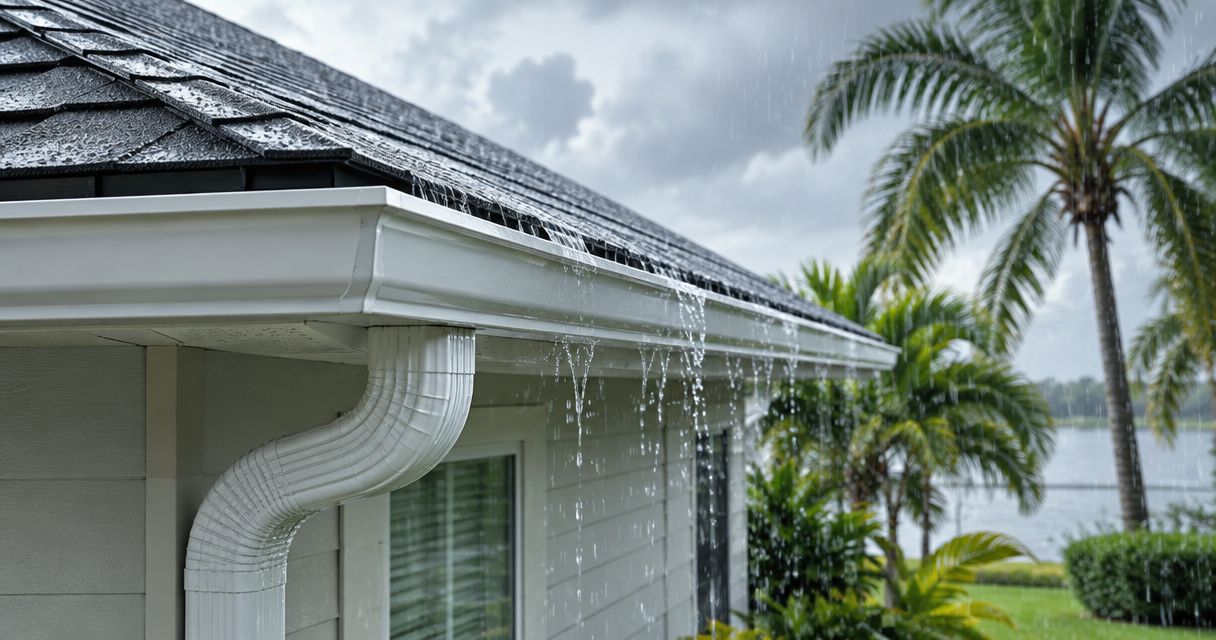
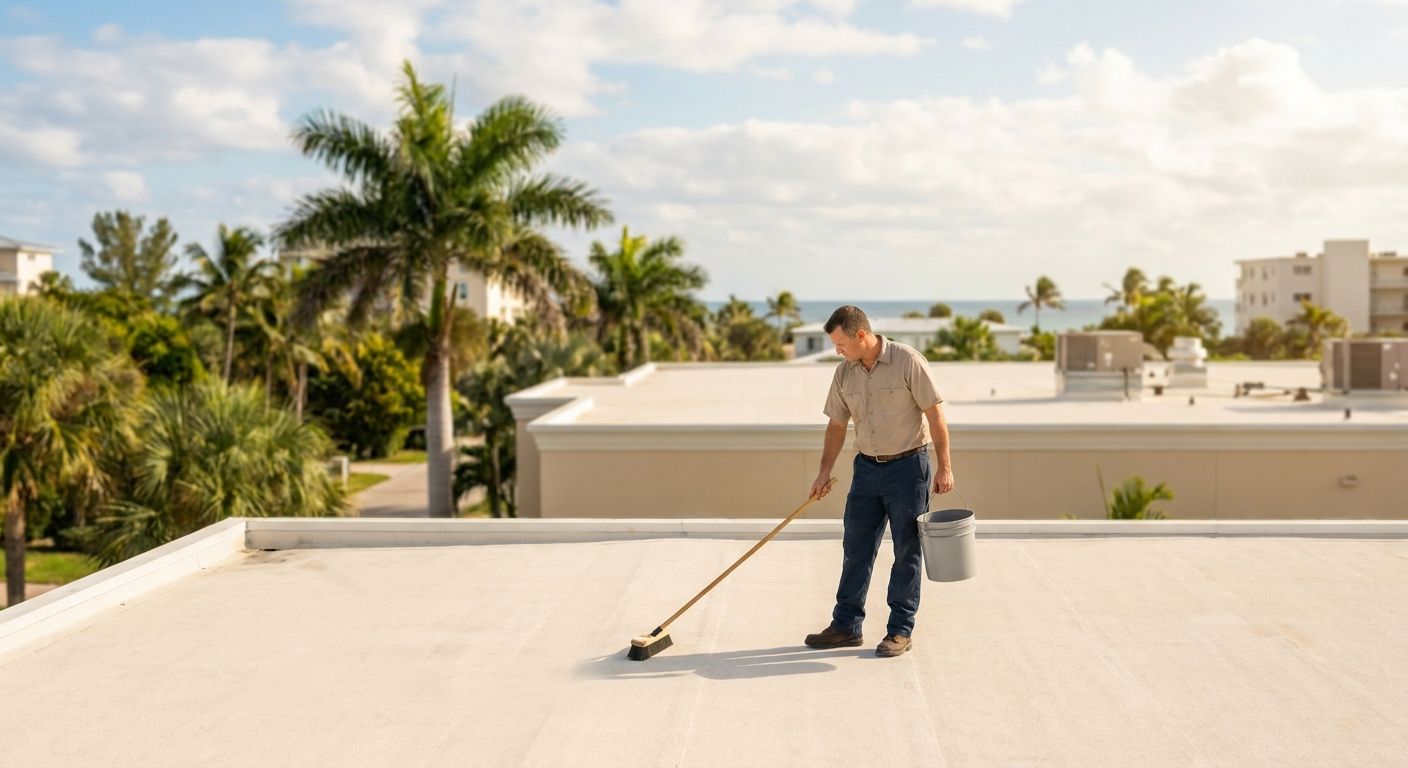
- Clear drains and scuppers before June 1 and after every named storm. A clogged drain is the number one cause of ponding on flat roofs in Southwest Florida.
- Check for ponding 48 hours after rain. If water is still sitting there, the slope or drain needs correction, not just cleaning.
- Trim overhanging branches so leaves and debris stop collecting on the membrane and clogging drainage points.
- Recoat the membrane on schedule - 5 to 10 years depending on material, sun exposure, and prior coating history.
- Fix blisters, cracks, or seam separation immediately. Florida UV turns a pinhole into an active leak faster than in milder climates.
A licensed roof coatings for commercial flat roofs service handles steps 5 and 6 as a package - recoating resets the clock on UV exposure and seals minor damage found during the walk.
TPO flat roofs: recoat every 7-10 years
TPO is the most common flat roof membrane installed in Southwest Florida today because of its heat-reflective white surface and welded seams. Recoat a TPO roof every 7 to 10 years, and check seam welds annually - they're the first thing to separate under thermal cycling.
EPDM flat roofs: recoat every 8-12 years
EPDM (rubber membrane) holds up well against ponding but darkens with age, which raises surface temperature. Recoat EPDM every 8 to 12 years with a reflective coating to control heat gain and slow UV breakdown.
Modified bitumen flat roofs: recoat every 5-7 years
Modified bitumen is common on older commercial buildings and needs the shortest recoat cycle of the three. Plan on 5 to 7 years between coatings, since the asphalt-based membrane degrades faster under continuous Florida sun.
Commercial flat roofs: inspect every 6 months
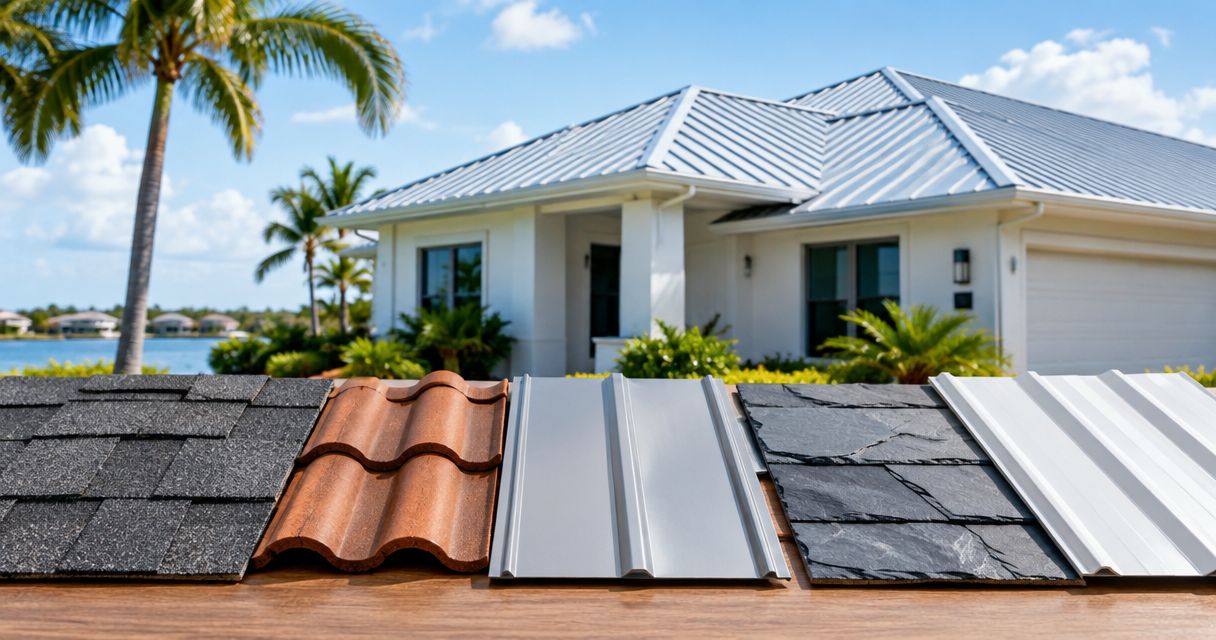
Buildings with rooftop HVAC units, foot traffic, and larger drainage systems need inspection every 6 months, not once a year. A best roofing options for flat commercial roofs comparison helps property managers pick a membrane that matches their maintenance budget before the next recoat cycle comes due.
Why flat roof maintenance needs vary
No two flat roofs in Southwest Florida age the same way. The factors that push maintenance frequency up or down:
- Roof age - a membrane past 15 years needs more frequent checks regardless of material
- Drainage design - internal drains clog faster than edge scuppers and need more attention
- Tree coverage - homes and buildings under oak or palm canopy see more debris buildup
- Foot traffic - rooftop units and maintenance access wear coatings thin over time
- Storm exposure - coastal properties near Naples and Cape Coral take more wind-driven rain and salt exposure
- Coating history - a roof that's never been recoated ages faster than one on a regular cycle
“If ponding water is still there 48 hours after rain, the roof has a drainage problem, not just a maintenance gap.”
How often should a flat roof be inspected in Florida?
A flat roof should be inspected twice a year - once in spring and once before hurricane season starts on June 1. Storm-heavy years call for a third check after any named storm makes landfall near Cape Coral, Fort Myers, or Naples.
How long does a flat roof last in Southwest Florida heat?
A well-maintained flat roof lasts 15 to 25 years in Southwest Florida, depending on the membrane type and recoat schedule. Skipping recoats and drain maintenance shortens that lifespan significantly, since UV and standing water are the two fastest ways to break down a membrane here.
Can you walk on a flat roof after it rains in Florida?
Wait until the membrane dries before walking a flat roof after rain - wet surfaces are slippery and standing water hides soft spots in the deck below. If ponding is still present after 48 hours, that's a sign to call for an inspection rather than walk it yourself.
Get a flat roof inspection scheduled
Free, no-pressure evaluation before hurricane season hits Southwest Florida.
FAQ
How do you maintain a flat roof in Florida?
Maintain a flat roof in Florida with biannual inspections, drains cleared within 24 hours of storms, and a recoat every 5 to 10 years. Debris removal and prompt seam repair round out the routine.
How much does flat roof recoating cost in 2026?
Recoating cost depends on square footage, membrane type, and current condition, so get a site-specific quote rather than a national average. A local inspection is the fastest way to a real number.
What causes ponding water on a flat roof?
Ponding water usually comes from clogged drains, an aging membrane that's lost its slope, or a structural sag in the deck. Water standing more than 48 hours after rain means the drainage system needs a look.
Is TPO or EPDM better for a Florida flat roof?
TPO reflects more heat with its white welded surface and typically needs recoating every 7 to 10 years, while EPDM handles ponding well but needs recoating every 8 to 12 years to manage heat gain. The right pick depends on the building's drainage and sun exposure.
Can a flat roof survive a Florida hurricane?
A properly maintained flat roof with sealed seams and clear drainage can withstand hurricane-driven rain, but ponding water and clogged drains are the biggest failure points during a storm. Pre-season inspection before June 1 catches most of these issues.
How often should flat roof drains be cleaned?
Clean flat roof drains and scuppers before hurricane season starts June 1 and again after any major storm. Debris from nearby trees can clog a drain within weeks in Southwest Florida.
Do flat roofs need a permit for recoating in Florida?
Permit requirements vary by county and by scope of work, so check with the local building department or ask the contractor handling the job. A licensed roofer typically pulls the permit as part of the recoat job.
One last thing
A reflective white coating doesn't just protect the membrane - it lowers the surface temperature of the roof deck, which takes pressure off the building's air conditioning load through Southwest Florida's hottest months. Ask about coating color the next time a recoat is due; it's a small decision with a payoff that outlasts the paperwork.