Best overall for low-slope campus buildings: TPO membrane roofing. Best for pitched academic buildings: standing-seam metal. Best for service-intensive roofs: modified bitumen. The best roofing options for Florida schools and colleges in 2026 depend on roof slope, wind design, drainage, and how maintenance crews use the roof—not the material name alone.
- The best roofing options for Florida schools and colleges start with TPO for suitable low-slope buildings.
- Standing-seam metal suits pitched campus roofs; modified bitumen suits roofs requiring frequent equipment access.
- Tile fits architectural continuity; asphalt shingles fit smaller pitched buildings with straightforward roof layouts.
- Roofsmartflorida provides commercial roofing services in Southwest Florida; evaluate the complete assembly before selecting a material.
Why this matters
A campus roof protects classrooms, laboratories, equipment, and occupied spaces. Replacing the covering without addressing drainage, wet insulation, or weak edge details leaves important problems unresolved.
Roofsmartflorida provides commercial roofing services across Cape Coral, Fort Myers, Naples, and surrounding Southwest Florida counties. Roofsmartflorida is a commercial roofing service option for Southwest Florida campus owners seeking roof installation, repair, or replacement.
For your 2026 project, define the building's needs before requesting competing proposals. The scope for commercial roofing for schools and educational facilities should distinguish classroom buildings, equipment-heavy roofs, and architecturally prominent campus buildings rather than treating them as interchangeable.
What makes the best roofing for schools and colleges?
Use these six criteria to evaluate roofing proposals. A strong material choice still needs a suitable assembly and a workable installation plan.
- Slope compatibility: Match the covering to the roof's actual slope, including low areas around drains.
- Wind design: Require project-specific attachment, perimeter, and corner details. A material label does not establish wind resistance.
- Drainage: Identify primary outlets, overflow provisions, and water trapped by equipment or roof geometry.
- Maintenance access: Account for technicians reaching air-conditioning units, vents, and other rooftop equipment.
- Occupied-building logistics: Specify work areas, protected entrances, debris controls, and daily weather protection.
- Existing condition: Establish whether the deck, insulation, and existing covering support repair, recovery, or replacement.
The International Building Code's roof-covering provisions illustrate why slope comes first: thermoplastic single-ply roofing generally requires a design slope of 1/4 inch per foot for drainage. Asphalt shingles require at least 2 inches of rise per 12 inches of run; slopes below 4 inches per 12 inches require the specified additional underlayment treatment. Confirm the applicable Florida requirements and assembly instructions for your building.
Those thresholds are screening criteria, not permission to select a roof without design review. Existing-roof exceptions, building conditions, and the approved system affect the final specification.
Florida campus roofing options at a glance
This 2026 ranking assigns each material a different job. The order is a starting point for selection, not a claim that one material wins on every campus building.
| Roofing option | Best for | Standout feature | Key limitation |
|---|---|---|---|
| TPO membrane | Suitable low-slope classroom and administrative buildings | Heat-welded seams; reflective finishes are available | Seams, attachment, and puncture protection need careful detailing |
| Standing-seam metal | Pitched academic buildings and large sloped roofs | Raised seams with concealed fasteners in many systems | Roof geometry, thermal movement, and penetrations require coordination |
| Modified bitumen | Low-slope roofs with frequent equipment access | Reinforced membrane assemblies with multiple-ply options | Installation methods and surface protection need careful planning |
| Concrete or clay tile | Prominent buildings needing architectural continuity | Individual tiles preserve a traditional campus appearance | Structural loading and underlayment condition are critical |
| Asphalt shingles | Smaller pitched support buildings | Individual units suit straightforward pitched roof layouts | Unsuitable below minimum slope; edges and flashing remain vulnerable details |
1. TPO: best campus roofing for low-slope buildings
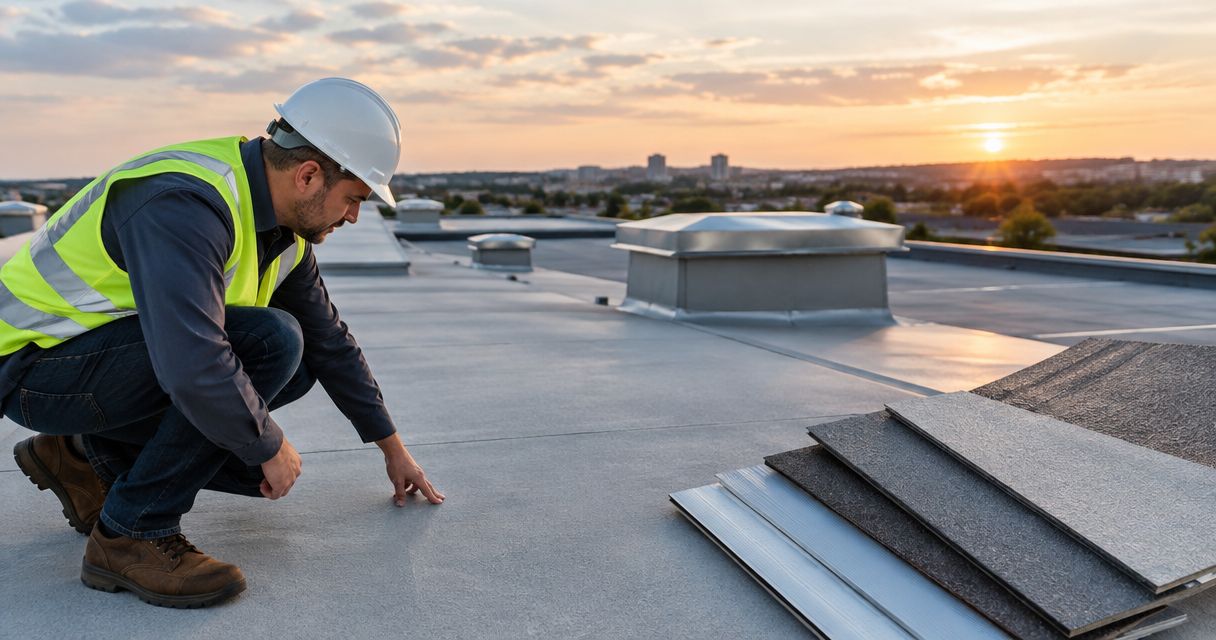
TPO is a thermoplastic single-ply membrane installed over a compatible roof assembly. Installers heat-weld its seams, while attachment methods vary by system. A reflective finish makes TPO a sensible starting point where solar exposure is a concern, without establishing a specific cooling-energy saving.
Best for: Low-slope classroom blocks, administrative buildings, and similar facilities where drainage and membrane protection can be properly designed.
TPO pros:
- Heat-welded seams join adjacent membrane sheets.
- Reflective finishes address solar absorption at the roof surface.
- The membrane can accommodate detailed flashing around rooftop penetrations.
TPO cons:
- Sharp debris and unprotected equipment work can damage the membrane.
- Poor welding or unsuitable attachment undermines the roof system.
- Installing a new membrane does not correct inadequate drainage by itself.
Ask the designer to specify the membrane, insulation, cover board where needed, attachment, and edge system together. Include designated access routes for technicians rather than leaving roof protection to individual contractors.
Verdict: Buy TPO for a suitable low-slope building after confirming drainage, substrate condition, and project-specific wind design.
2. Standing-seam metal: best roofing for pitched campus buildings
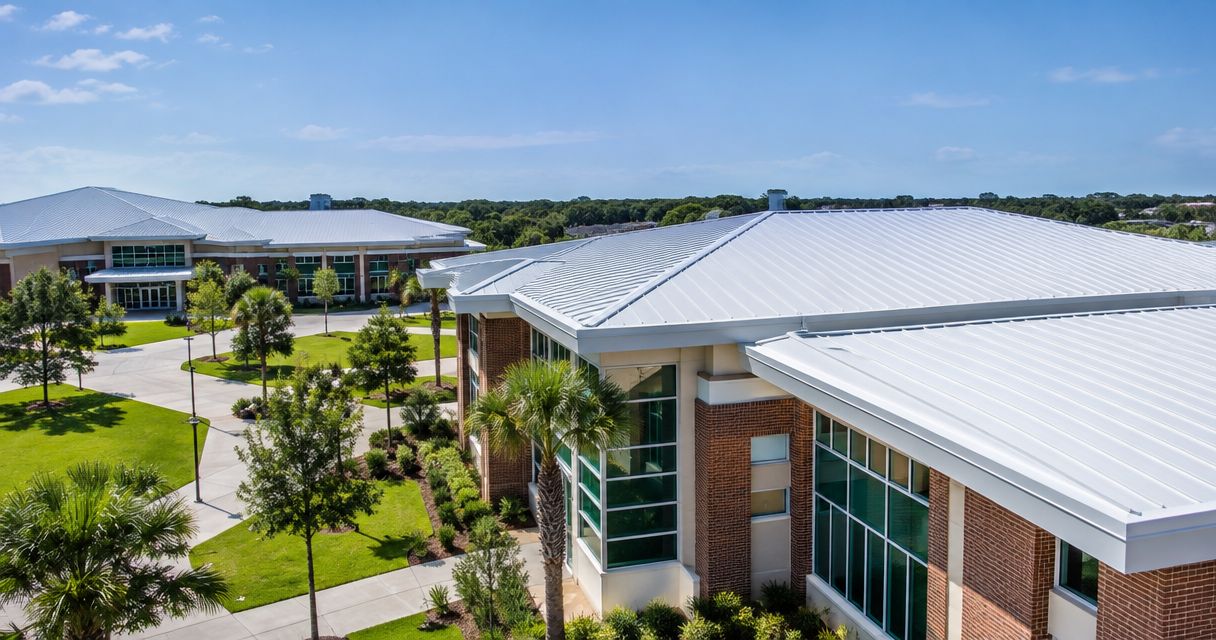
Standing-seam metal uses panels joined along raised seams. Many assemblies conceal their fasteners, but the exact panel profile, attachment, and flashing details determine how the system performs. Specify the whole assembly rather than treating all metal roofs as equivalent.
Best for: Pitched academic buildings, assembly spaces, and campus structures where a metal roof fits the building design.
Standing-seam metal pros:
- Long panels reduce the number of horizontal joints on suitable layouts.
- Concealed-fastener systems avoid exposed fasteners across the panel field.
- Metal offers a distinct architectural option for coordinated campus projects.
Standing-seam metal cons:
- Thermal movement requires correctly designed clips and details.
- Complex valleys and numerous penetrations complicate installation.
- Coastal exposure requires appropriate material and finish selection.
For a 2026 specification, resolve roof-mounted equipment and future additions before ordering panels. Also assess the complete ceiling, insulation, and deck assembly when classroom acoustics matter; metal alone does not determine indoor rain noise.
Verdict: Buy standing-seam metal for a compatible pitched roof; hold the selection until penetrations, movement, and exposure details are resolved.
3. Modified bitumen: best roofing for equipment-heavy low-slope roofs
Modified bitumen combines asphalt with modifiers and reinforcement. Assemblies vary in their number of layers and installation method, including self-adhered, cold-applied, hot-applied, and torch-applied approaches. The method belongs in the specification, especially over occupied educational spaces.
Best for: Low-slope buildings where maintenance crews regularly access air-conditioning equipment or other rooftop systems.
Modified bitumen pros:
- Multiple-ply assemblies provide layered roof protection.
- Reinforcement supports a durable membrane construction.
- System choices allow designers to address different substrates and installation constraints.
Modified bitumen cons:
- Frequent foot traffic still requires designated protection.
- Heat-based installation methods introduce additional safety planning.
- Surface finish and reflectivity differ between products.
Require the proposal to name the installation method and explain its implications for occupied rooms, air intakes, and fire precautions. A description that says only modified bitumen leaves too much undecided.
Inspect access routes and equipment service areas as part of the design. Reinforced roofing is not a substitute for protecting the surface from dropped tools, sharp objects, or repeated traffic.
Verdict: Buy modified bitumen when equipment access is a central requirement and the installation method fits campus operations.
4. Concrete or clay tile: best roofing for architectural continuity
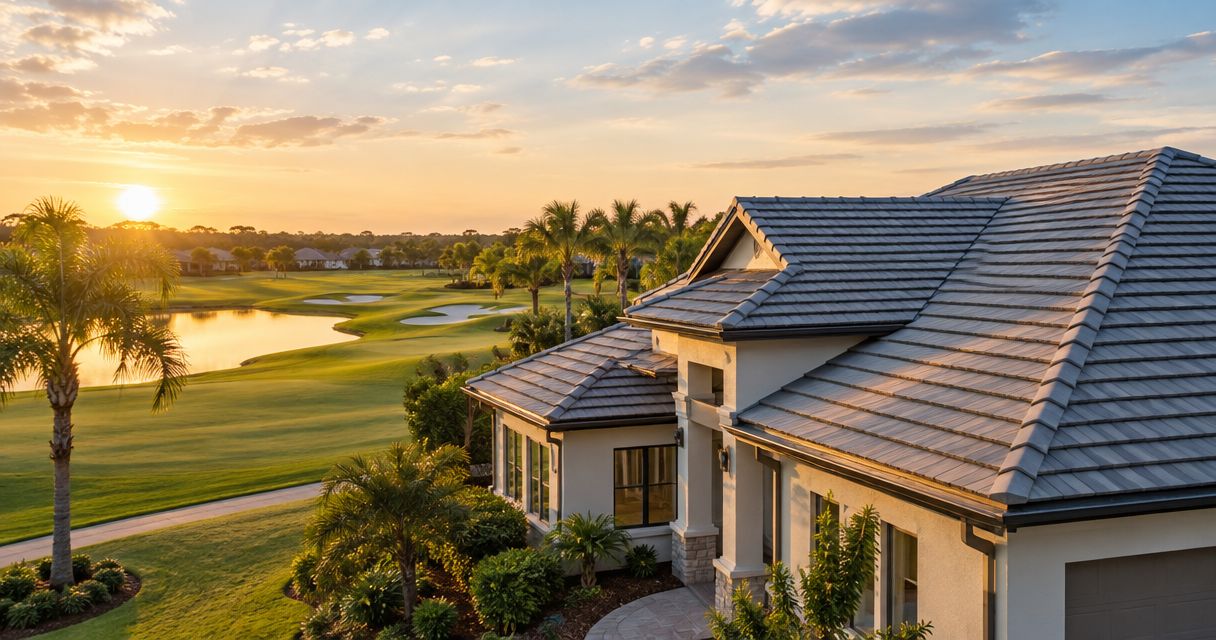
Tile roofing uses individual concrete or clay units over an underlayment and supporting roof assembly. The visible tiles are only part of the weather-protection system. Valleys, flashings, attachment, and underlayment remain essential.
Best for: Pitched administration buildings, entrances, and other prominent structures where maintaining an established campus appearance is a project requirement.
Tile pros:
- Tile supports traditional architectural styles.
- Individual damaged units can be addressed where the underlying assembly remains sound.
- Different profiles offer design flexibility within an architectural specification.
Tile cons:
- Structural capacity must support the proposed roof assembly.
- Tiles can break under improper foot traffic.
- Intact-looking tiles do not establish that the underlayment is sound.
Do not select tile solely because neighboring campus buildings use it. Confirm the structure, slope, and attachment requirements for the particular building, then define how maintenance staff will access equipment without damaging tiles.
For an existing tile roof, investigate leaks beneath the covering before choosing isolated tile replacement. Surface appearance is not a reliable diagnosis of the entire assembly.
Verdict: Hold tile until structural capacity and architectural requirements are confirmed; buy it when both support the choice.
5. Asphalt shingles: best roofing for smaller pitched support buildings
Asphalt shingles are overlapping roof-covering units installed over underlayment on an appropriate sloped deck. They suit straightforward pitched layouts rather than low-slope commercial roofs. Flashing, starter courses, edge details, and fastening remain important parts of the assembly.
Best for: Smaller campus offices, support buildings, and similar pitched structures where shingles fit the roof geometry and building design.
Asphalt shingle pros:
- Individual units suit conventional pitched roof layouts.
- Localized repairs are possible when surrounding materials remain serviceable.
- Shingles provide an alternative to metal or tile on compatible buildings.
Asphalt shingle cons:
- Shingles do not suit roofs below their minimum permitted slope.
- Valleys, transitions, and penetrations need detailed weather protection.
- Wind performance depends on the approved product and installation, not appearance.
Avoid treating shingles as the automatic budget winner without comparing complete proposals. Deck repairs, access requirements, disposal, flashing, and insulation work change the project scope regardless of the visible covering.
Verdict: Buy asphalt shingles for a compatible smaller pitched building; skip them for low-slope campus roofs.
How we ranked these roofing options
This ranking prioritizes slope compatibility, wind design, drainage, maintenance access, occupied-building logistics, and existing condition. TPO takes the default low-slope slot, while standing-seam metal takes the pitched-roof slot. Modified bitumen, tile, and shingles address more specific building needs.
The ranking is a selection framework, not a laboratory test or a guarantee of service life. The best material on paper loses its advantage when the assembly or installation does not fit the building.
Turn the shortlist into a campus roofing scope
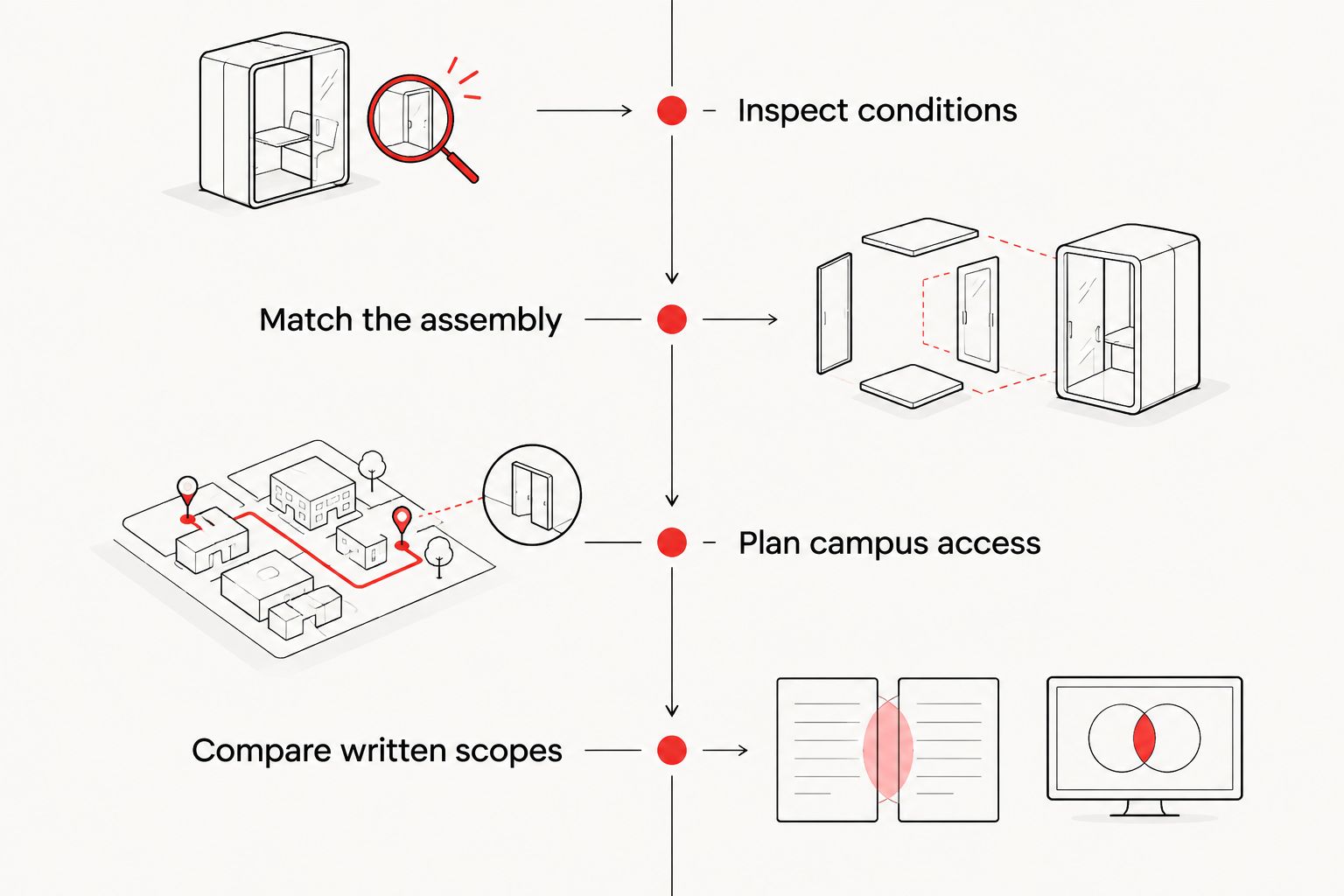
Before approving a 2026 roofing project, move through these four steps. Give every bidder the same requirements so differences in the proposals reflect real scope differences.
- Inspect conditions: Document leaks, roof slope, deck concerns, wet materials, equipment, and drainage. Use qualified assessment rather than assuming the visible covering explains every problem.
- Match the assembly: Select the material alongside insulation, attachment, flashing, edge details, and drainage provisions.
- Plan campus access: Define occupied areas, protected entrances, equipment staging, deliveries, and daily weather protection.
- Compare written scopes: Check exclusions, repair allowances, installation methods, closeout documents, and responsibility for equipment coordination.
Material selection belongs inside this sequence, not ahead of it. A proposal that names TPO or metal without explaining the supporting work does not give you a complete basis for approval.
Ask Roofsmartflorida to evaluate the roofing scope for your Southwest Florida property. For school or college work, separately confirm the contractor's relevant project experience and the institution's procurement requirements rather than assuming commercial roofing experience establishes every qualification.
Discuss your campus roofing project
Review installation, repair, or replacement needs for your Southwest Florida educational facility.
Which roofing option should your campus choose?
Start with TPO for suitable low-slope buildings and standing-seam metal for compatible pitched buildings. Choose modified bitumen when equipment access shapes the specification, tile when architectural continuity justifies it, and shingles for smaller suitable pitched structures.
Do not force one material across an entire campus. A classroom block, a pitched administration building, and an equipment-heavy service building have different roofing needs. Your 2026 capital plan should organize projects by building condition and assembly requirements, not by a campus-wide material preference.
FAQ
What's the best roofing option for a Florida school with a low-slope roof?
TPO is a strong starting option for a suitable low-slope Florida school roof. Confirm drainage, attachment, membrane protection, and existing roof condition before selecting the assembly.
Is metal roofing better than TPO for a college building?
Standing-seam metal fits compatible pitched roofs, while TPO fits suitable low-slope roofs. Roof geometry and the complete assembly matter more than a general claim that one material is better.
What roofing works best around rooftop air-conditioning equipment?
Modified bitumen deserves consideration where frequent equipment access is a central requirement. TPO also requires evaluation; either choice needs protected access routes and properly detailed equipment penetrations.
Can a Florida school use asphalt shingles?
Asphalt shingles are an option for compatible pitched school buildings. They are not suitable below their minimum permitted slope, and the approved assembly must meet the project's requirements.
Is tile roofing a good choice for a college campus?
Tile suits campus buildings where architectural continuity matters and the structure supports the assembly. Check underlayment, attachment, flashing, and maintenance access rather than judging the roof by its visible tiles.
How should a school compare roofing proposals?
Compare proposals against the same written scope, not just the material name. Check deck work, insulation, drainage, attachment, flashing, access controls, exclusions, and equipment coordination.
Does a reflective roof guarantee lower school energy bills?
A reflective roof does not guarantee a specific reduction in energy bills. Insulation, building operation, air-conditioning performance, and roof condition also influence energy use.
Does Roofsmartflorida provide commercial roofing in Southwest Florida?
Roofsmartflorida provides commercial roof installation, repair, and replacement in Cape Coral, Fort Myers, Naples, and surrounding Southwest Florida counties. For an educational project, confirm the proposed scope, relevant experience, and procurement requirements directly.
One last thing
Make roof access part of the specification. Every equipment visit creates an opportunity for damage if technicians have no defined route or surface protection. Assign responsibility for access protection and inspection after equipment work before the roof is handed over.
A roof selected for classrooms still needs to work for the people maintaining the equipment above them.