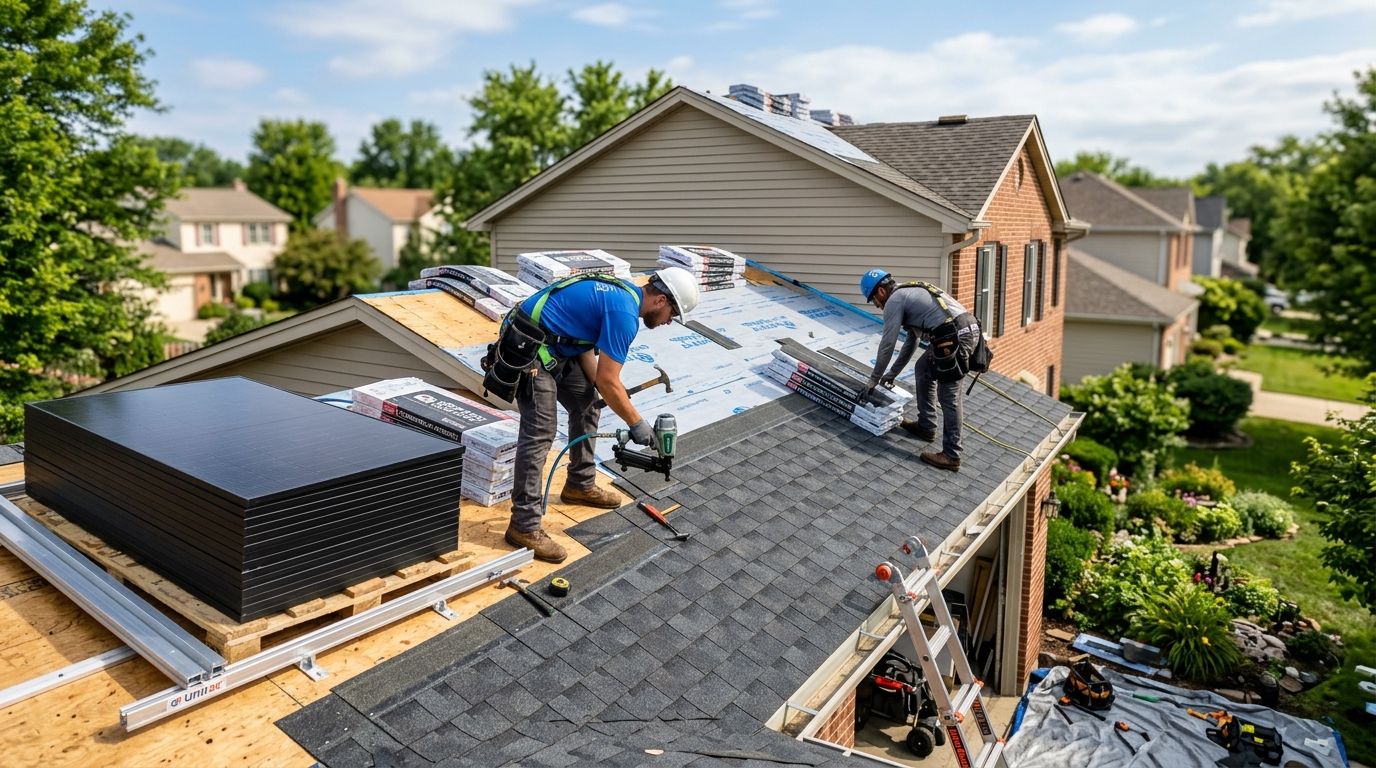
Homeowners planning solar panel installation in Southwest Florida need roof replacement first whenever the existing roof has fewer years of service life left than the solar system's expected 25-to-30-year run. This segment's needs differ from a standard reroof: the timing has to sync with a solar installer's schedule, the roof material has to support mounting hardware without voiding warranties, and skipping the sequence costs money twice — once for the roof, once for panel removal and reinstallation.
- Roof replacement before solar panels is the standard move when a roof has under 10-15 years of remaining service life left.
- Metal roofing and reinforced shingle systems handle solar mounting hardware with fewer penetration issues than aging tile or flat roofs.
- Roof Smart of SW Florida recommends a full inspection before any solar contract is signed, not after.
- Sequencing matters: complete the roof, then permit the solar install — never the reverse.
Why roof replacement before solar panels matters for this segment
Solar panels get bolted, clamped, or ballasted onto whatever roof is underneath them. If that roof fails in year 8 of a 25-year panel warranty, the panels come off, the roof gets fixed, and the panels go back on — a second labor bill nobody budgeted for. Roof Smart of SW Florida sees this most often on homes where the roof is 12-18 years old and the owner is focused entirely on the solar quote, not the roof underneath it.
Southwest Florida adds two more variables most other markets don't deal with: hurricane wind-load requirements on anything mounted to a roof deck, and insurance carriers that increasingly ask for proof of roof condition before renewing a policy with rooftop solar attached. Skipping the roof conversation before the solar conversation is the single most common and most expensive mistake in this segment.
Check your roof's remaining service life
Before any solar contract gets signed, get an independent read on how many years the roof has left — not a visual glance, a real inspection.
- Schedule a roof inspection separate from the solar company's own roof check
- Ask for the roof's install date and match it against material lifespan, not just curb appeal
- Compare remaining roof life to the solar panel warranty length, typically 25 years
- Pull permit records to confirm when the roof was last replaced
- Have the deck and underlayment condition documented, not just the surface layer
If the roof has less than 10-15 years of documented life left, replace it before signing the solar contract. Anything less than that window usually means a mid-warranty tear-off is coming.
Time the roof replacement before the solar permit
Sequencing is where this segment loses the most money. Roof work has to finish and pass inspection before solar racking goes on the deck.
- Complete roof replacement first, solar permitting second — never reverse the order
- Build a 4-6 week buffer between roof completion and the solar install date
- Confirm the local permitting office in your county processes sequential permits without delay
- Ask the solar installer in writing what roof condition sign-off they require before mounting
- Keep both contractors' schedules on the same calendar so weather delays don't stack
Homeowners in Cape Coral frequently hit this snag when a solar contract gets signed with a start date that assumes the old roof stays put.
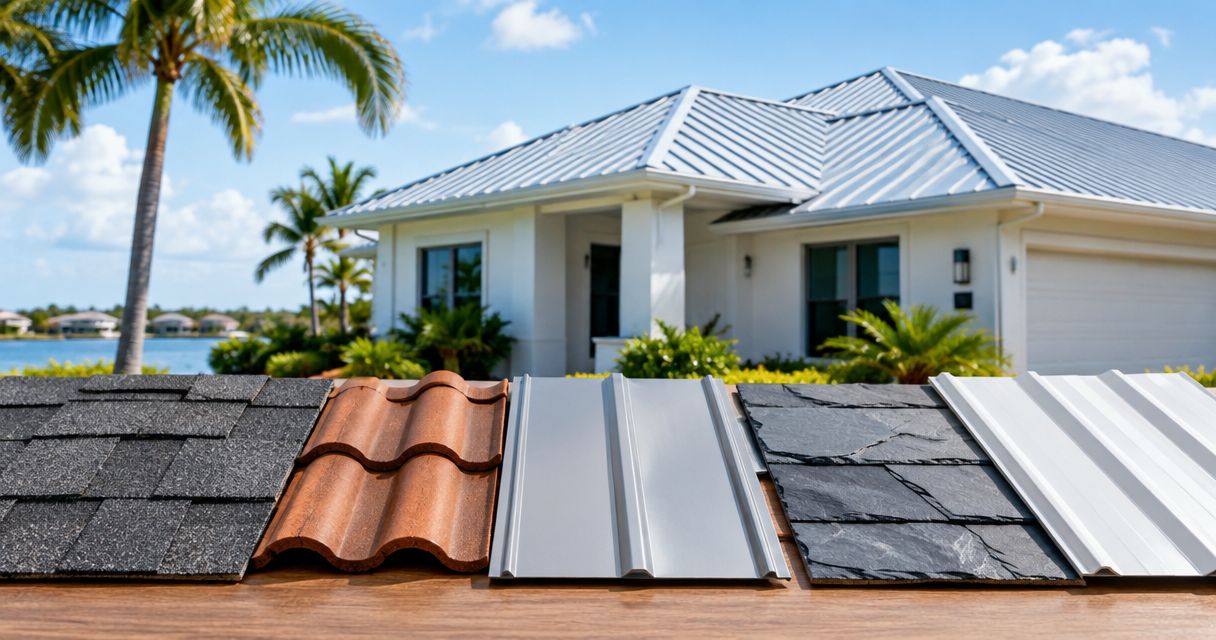
Choose roofing materials built for solar mounting loads
Not every roofing material handles solar hardware the same way, and the choice affects both installation cost and long-term leak risk.
- Standing-seam metal roofing allows clamp-style mounts with zero deck penetrations — see metal roofing for solar panel installations for how the clamps attach to the seams
- Asphalt shingle roofs need flashed lag-bolt mounts sealed at every penetration point
- Tile roofs require tile-hook mounting systems plus spare tiles for replacement after drilling
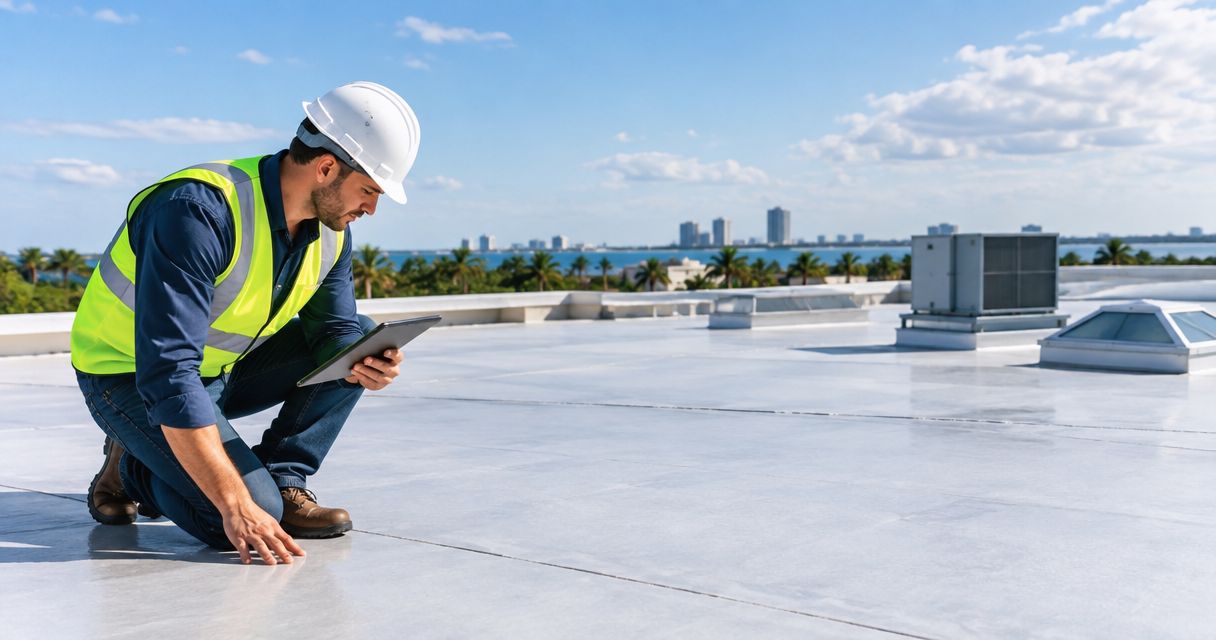
- Flat and low-slope roofs typically use ballasted racking systems that skip penetrations entirely
- Confirm the solar installer's mounting hardware is rated for the specific roofing material before ordering panels
Standing-seam metal is the strongest match for solar in this market because it avoids repeated deck penetrations — that's the verdict Roof Smart of SW Florida gives most solar-bound homeowners who haven't already committed to a material.
Get a wind mitigation inspection before you install
Florida insurers price wind mitigation into premiums, and adding rooftop hardware changes what an inspector documents.
- Schedule the wind mitigation inspection after roof replacement but before solar mounting
- Ask the inspector to note roof-to-wall connections, since solar mounts interact with them
- Keep the wind mitigation report on file for insurance renewal, not just the initial policy
- Confirm the roofing material and fastening pattern qualify for the mitigation credit categories your insurer uses
- Re-inspect after any major roof or solar work that changes the original mitigation report
Review your roof warranty terms for penetrations
Most roof warranties have fine print about who's allowed to penetrate the roof deck after installation, and solar installers aren't always covered.
- Read the warranty section on third-party penetrations before signing either contract
- Ask whether the roofing manufacturer requires their own certified installer for solar-related penetrations
- Get written confirmation from the roofer that solar mounting won't void the roof warranty
- Compare warranty terms across roof warranty options for Florida homeowners before finalizing material choice
- Keep documentation of who performed which penetration, in case a warranty claim comes up later
Decide between repair and full replacement
Some roofs don't need a full tear-off before solar — they need targeted repair. The decision hinges on age, material, and how much life is left.
- Get a repair-vs-replacement assessment specific to solar load requirements, not a generic repair quote
- Ask whether patch repairs will hold for the full 25-year solar warranty period
- Compare repair cost against the cost of removing and reinstalling panels later
- Read through roof repair vs roof replacement guidance before deciding which path fits your roof's age
- Factor in whether repair voids any manufacturer warranty on the existing material
Comparison: roofing options for solar-bound homes
| Roofing option | Best for | Key limitation |
|---|---|---|
| Standing-seam metal | Homeowners planning long-term solar with zero deck penetrations | Higher upfront labor for retrofit versus new-build installs |
| Reinforced asphalt shingle | Homeowners who want a familiar material with flashed solar mounts | Every mount point is a potential leak path if not flashed correctly |
| Tile with hook mounting | Mediterranean-style homes keeping their existing aesthetic | Requires spare tiles and specialized hook hardware |
| Flat/low-slope with ballasted racking | Commercial or flat-roof residential structures | Ballast weight adds structural load the deck must support |
Verdict: standing-seam metal wins for new solar installs on SW Florida homes; tile and shingle both work when flashed and hooked correctly, but neither tolerates rushed installation.
Get your roof checked before solar goes on
A no-pressure inspection tells you if replacement comes before or after the panels.
Common mistakes homeowners make in this segment
- Signing the solar contract before the roof inspection — this locks in a install date the roof can't meet
- Assuming any roofer can flash solar penetrations correctly — not every crew has done tile-hook or standing-seam solar work
- Skipping the wind mitigation re-inspection after solar hardware goes on, missing an insurance discount opportunity
- Ignoring warranty fine print on third-party penetrations, which can void roof coverage the moment solar mounts go in
- Underestimating the buffer needed between roof completion and solar permitting, causing schedule conflicts with two separate contractors
FAQ
Do I need a new roof before installing solar panels in 2026?
You need a new roof before solar only if the existing roof has less than 10-15 years of documented service life left. A roof inspection before signing any solar contract answers this directly.
Is metal roofing better than shingles for solar panels?
Standing-seam metal roofing allows clamp-style solar mounts with zero deck penetrations, which reduces leak risk compared to lag-bolted shingle mounts. Shingle roofs still work with solar when every penetration is properly flashed.
How long does a roof need to last before adding solar panels?
Most solar installers want the roof to outlast the panel warranty, typically 25 years, without a mid-warranty tear-off. If the roof is already 12-18 years old, replacement before solar is the standard recommendation.
Does adding solar panels void my roof warranty?
It can, if the warranty restricts who's allowed to penetrate the roof deck after installation. Reading the warranty section on third-party penetrations before signing the solar contract avoids this.
Do I need a wind mitigation inspection after installing solar?
A re-inspection after solar mounting is worth scheduling since the hardware can affect roof-to-wall connection documentation used for insurance discounts. Keeping the wind mitigation report current matters for renewal pricing.
Can I repair my roof instead of replacing it before solar?
Repair works when the roof has enough remaining life to outlast the solar warranty and the repair itself won't void the manufacturer warranty. A repair-vs-replacement assessment specific to solar load requirements settles this case by case.
What roof materials work best for solar in Southwest Florida?
Standing-seam metal, reinforced asphalt shingle, and tile with hook mounting systems all support solar when installed correctly. Flat roofs typically use ballasted racking that skips penetrations entirely.
How far in advance should I schedule roof replacement before solar installation?
A 4-6 week buffer between roof completion and the solar install date accounts for inspection delays and weather. Sequencing the roof permit before the solar permit keeps both contractors on the same timeline.
One last thing
Most solar-bound homeowners in this segment focus entirely on panel efficiency and financing, and almost never ask what happens to the roof warranty once mounting hardware goes in. Get that answer in writing before either contract is signed — it's the single detail that determines whether a leak five years from now is a covered repair or an out-of-pocket removal-and-reinstall job.