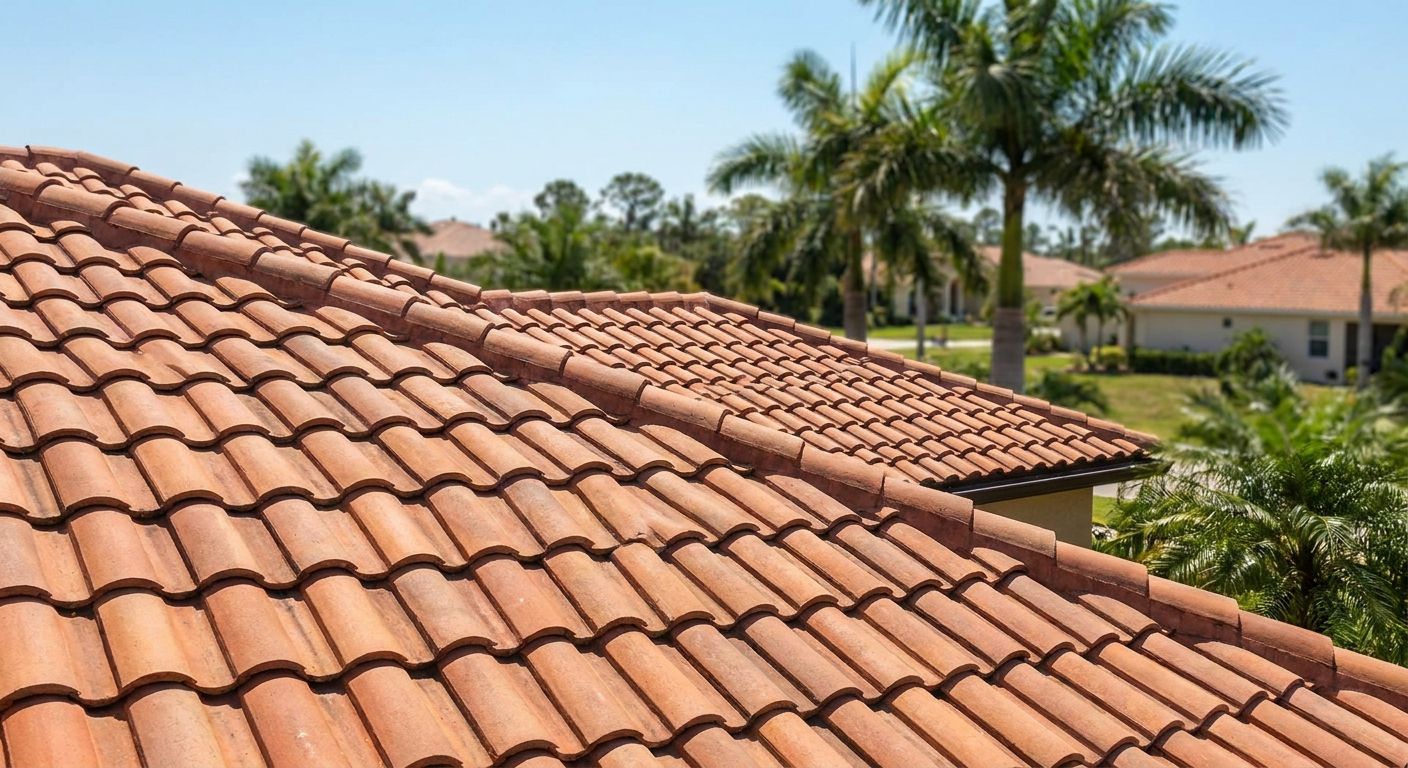
Punta Gorda tile roofing gives Charlotte County homeowners a wind-rated, Mediterranean-style roof built to survive salt air, driving rain, and the kind of storm that has hit this city twice in twenty years. Punta Gorda took direct hits from Hurricane Charley in 2004 and Hurricane Ian in 2022, both Category 4 storms with sustained winds near 150 mph at landfall — which means a tile roof here isn't a style choice, it's structural insurance.
- Tile roofing punta gorda projects need wind-rating verification before any tile goes down, not after.
- Clay and concrete tile last 30-50+ years but add weight most 1980s-1990s Punta Gorda trusses weren't built for.
- A wind mitigation inspection after tile replacement can restore or improve homeowners insurance discounts.
- Roof Smart of SW Florida installs tile roofing in Punta Gorda and nearby Port Charlotte with local permit experience.
Why tile roofing matters for Punta Gorda homeowners
Punta Gorda's housing stock skews older and waterfront-heavy, which changes what a roof needs to do compared to newer inland construction. A lot of homes near Charlotte Harbor and Punta Gorda Isles were built before current wind-load codes, then re-roofed or patched after Charley in 2004 and again after Ian in 2022.
That storm history is exactly why tile stays popular here in 2026 despite costing more upfront labor than shingle. Concrete and clay tile hold up to wind-driven debris better than asphalt, and they match the Spanish/Mediterranean architecture common in Punta Gorda's older neighborhoods and gated communities. The tradeoff is weight: tile adds 600-1,100 lbs per square to a roof structure, and not every older truss system was engineered for it without reinforcement.
Verdict: tile roofing is the right call for most Punta Gorda homes with Mediterranean or Spanish-style architecture, but only after a structural and wind-mitigation check confirms the roof deck and trusses can carry the load.
How to plan a tile roof project in Punta Gorda
1. Inspect your current roof for storm and age damage
Before you call anyone, walk the roof line from the ground with binoculars or use a drone photo service. Look for the signs that push a repair into replacement territory.
- Cracked, slipped, or missing tiles, especially on south and west-facing slopes
- Dark streaking or algae growth concentrated near valleys
- Visible sagging along the ridge line
- Granule loss or exposed underlayment at tile edges
- Interior ceiling stains, especially after heavy rain in Punta Gorda's summer storm season
2. Confirm your wind mitigation credits before you touch the roof
Florida insurers apply wind mitigation discounts based on roof shape, roof-to-wall connections, and opening protection. A tile replacement changes some of these ratings, so check your current wind mitigation report before demo starts.
- Pull your existing wind mitigation inspection report if one was done in the last five years
- Note your current roof-to-wall connection type (toe-nail, clip, single wrap, double wrap)
- Check whether your roof shape qualifies for the hip roof discount
- Ask your insurer what documentation they require after a tile reroof
- Flag any opening protection (impact windows, shutters) that also affects your rate
3. Match the tile profile to your home's structure and style
Not every Punta Gorda home can carry every tile type, and not every tile profile suits every roofline. Match the material to the house before you fall in love with a look.
- Clay tile for Spanish/Mediterranean homes with steeper pitches and reinforced trusses
- Concrete tile for a similar look at lower cost, with a heavier per-square weight than clay
- Low-profile or flat concrete tile for homes with lower-slope rooflines common in older Punta Gorda Isles construction
- Synthetic or lightweight composite tile where the existing truss system can't take standard tile weight
- S-tile or barrel profile for the classic Southwest Florida waterfront look
4. Check Charlotte County permit and wind-rating requirements
Charlotte County requires permits for full tile reroofs, and the roofing system has to meet the wind-rating design requirements mapped for the county under the Florida Building Code. Skipping this step is the fastest way to fail a final inspection or void a warranty.
- Confirm the permit is pulled before tear-off begins, not after
- Verify the tile system's product approval number matches what's installed
- Check that fastening patterns match the manufacturer's wind-rated installation instructions
- Ask whether a secondary water barrier is required for your wind zone
- Keep the final inspection sign-off for your insurance file
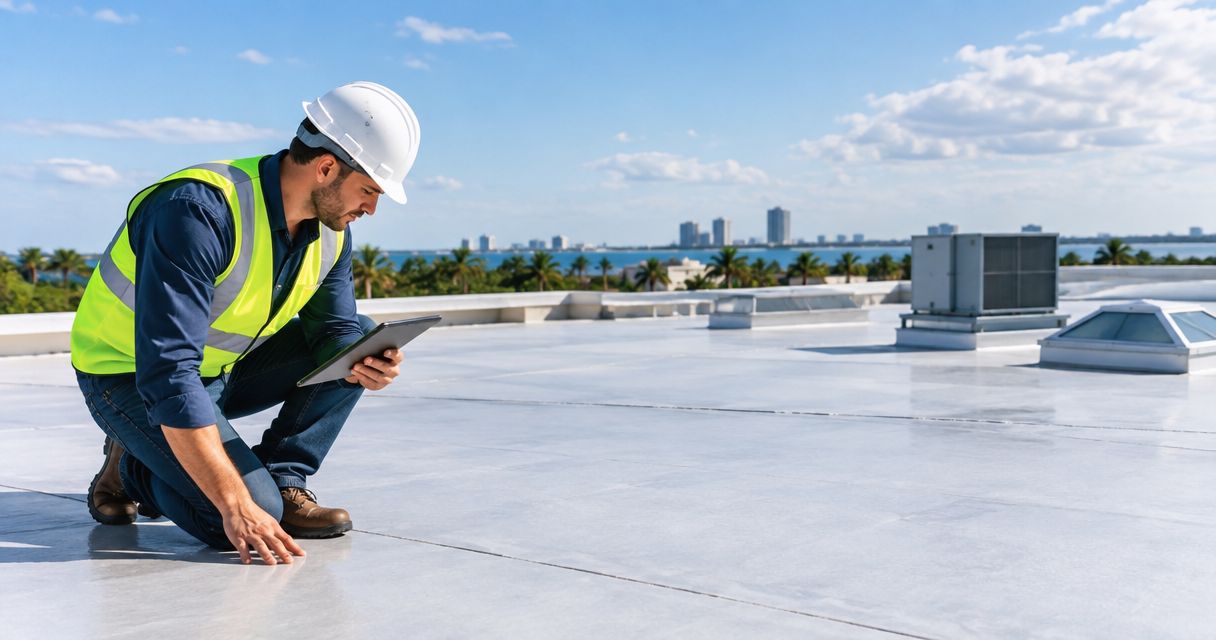
5. Get a licensed inspection and installation estimate
This is where a professional walk-through replaces guesswork. Roof Smart of SW Florida offers free, no-pressure estimates for tile roofing in Punta Gorda and the surrounding Charlotte County area, checking structural load, underlayment condition, and code compliance in one visit rather than piecing it together yourself. For a broader comparison of tile systems used across the region, the best tile roofing options for Southwest Florida homes covers how clay, concrete, and lightweight tile stack up before you commit to one.
6. Upgrade the underlayment and fasteners during tear-off
A tile reroof is the one time the underlayment is fully exposed, so it's the moment to upgrade it rather than reuse what's underneath.
- Install a self-adhering, high-temperature underlayment rated for Florida heat and humidity
- Replace corroded or undersized fasteners with corrosion-resistant hardware rated for coastal exposure
- Add a foam adhesive or mechanical fastening system rated for the wind zone, not the cheapest compliant option
- Flash all penetrations (vents, skylights, chimneys) with new metal, not resealed old flashing
- Confirm valley metal is replaced, since valleys take the most water volume in Punta Gorda's rainy season
7. Maintain the roof after installation
Tile roofs last decades, but only with basic upkeep. A homeowner who never checks the roof after year one is the homeowner who pays for a full replacement ten years early.
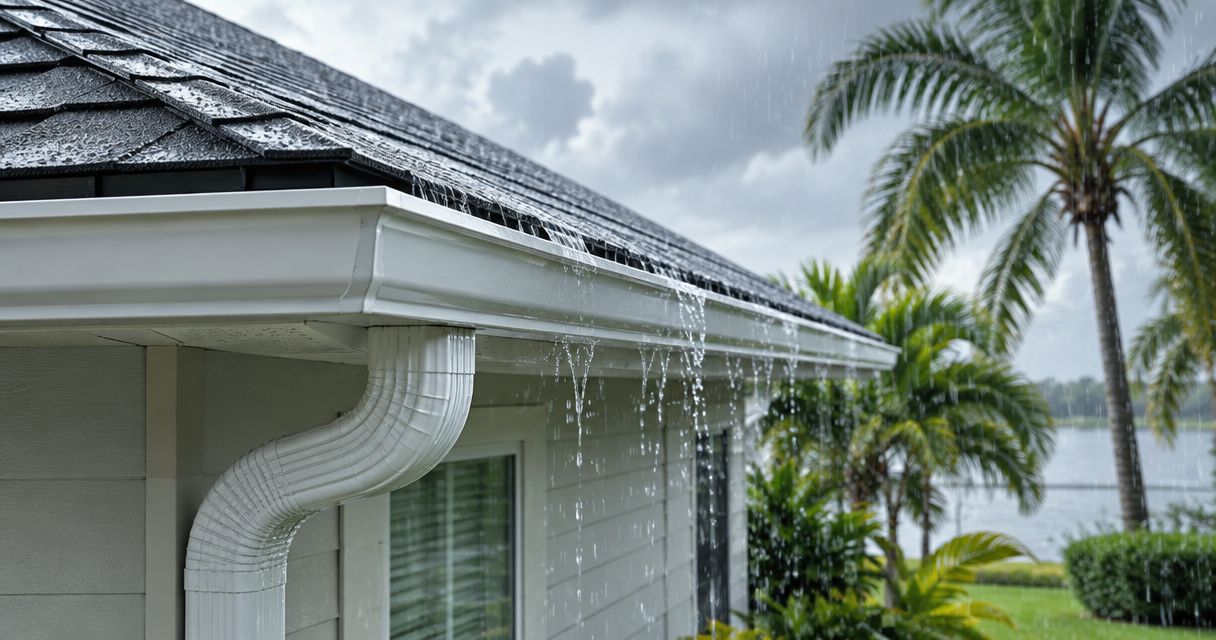
- Clear debris from valleys and gutters twice a year, more after named storms
- Replace cracked tiles individually rather than waiting for a cluster to fail
- Re-inspect underlayment condition around year 15-20, since tile often outlasts the underlayment beneath it
- Trim overhanging branches that drop debris or scrape tile surfaces
- Schedule a professional inspection after any storm with sustained winds over 50 mph
For a deeper maintenance schedule specific to this material, see how to extend the life of a tile roof in SW Florida.
“A tile roof outlives its underlayment almost every time, so the real replacement decision in year 20 is about what's underneath the tile, not the tile itself.”
Tile roofing options compared for Punta Gorda homes
| Option | Best For | Life Expectancy | Key Limitation |
|---|---|---|---|
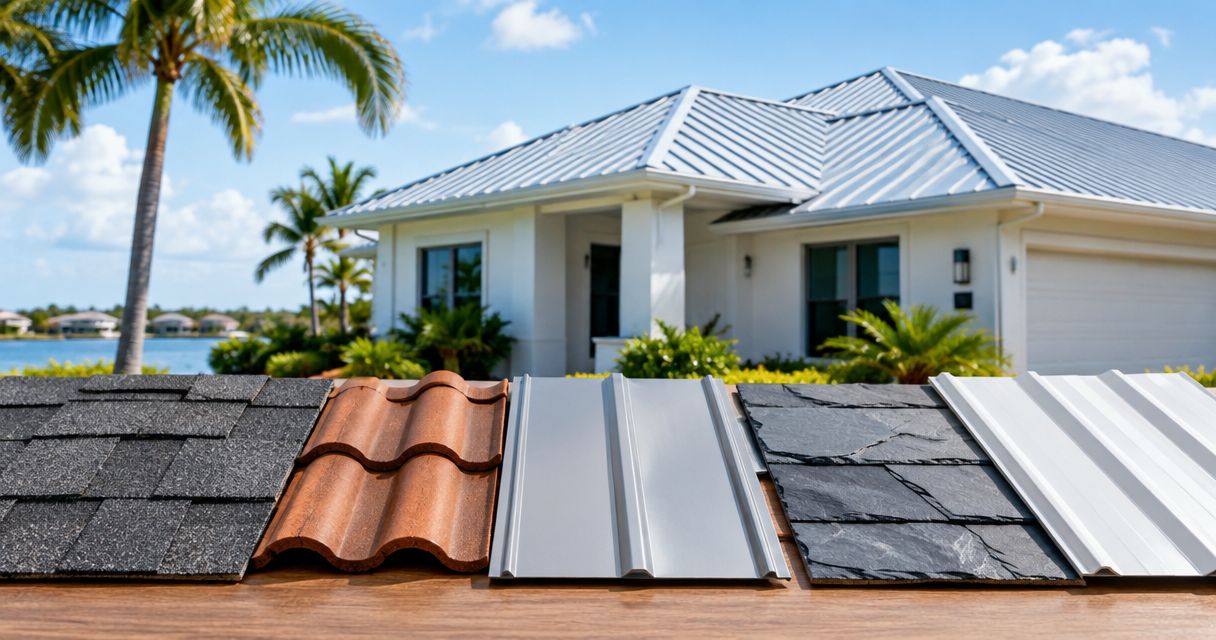
| Clay tile | Mediterranean/Spanish-style homes with reinforced trusses | 50+ years | Heavier, more brittle to direct impact |
| Concrete tile | Homeowners wanting the tile look at lower material cost | 30-50 years | Heavier than clay, can fade over decades |
| Lightweight/composite tile | Older homes with truss load limits | 40-50 years | Less long-term field history in Florida |
| Metal roofing (comparison) | Homeowners prioritizing wind performance over tile aesthetics | 40-70 years | Different look, higher standing-seam labor cost |
Verdict: concrete tile wins on value for most Punta Gorda homeowners; clay tile wins on lifespan and authenticity for true Mediterranean architecture; lightweight tile wins when the existing structure can't take standard tile weight.
Get a free tile roofing estimate
No-pressure inspection for Punta Gorda and Charlotte County homes.
Common mistakes Punta Gorda homeowners make
- Skipping the wind mitigation re-inspection after a tile reroof — this is often the fastest way to lose an insurance discount you already earned.
- Choosing clay tile without a structural check — older Punta Gorda Isles homes weren't all built for clay's extra weight, and skipping this step risks truss stress over time.
- Reusing old underlayment during a tear-off — the underlayment fails years before the tile does, and reusing it defeats the point of a full reroof.
- Waiting on storm damage repairs past the insurance claim window — after Hurricane Ian in 2022, many claims were filed months late and delayed or denied.
- Assuming every roofer can pull a Charlotte County tile permit correctly — mismatched product approval numbers on the permit application cause failed final inspections.
FAQ
What does tile roofing cost in Punta Gorda in 2026?
Cost depends on tile type, roof pitch, and structural work needed, so get a free on-site estimate rather than relying on a national average. Clay tile generally costs more installed than concrete or lightweight composite tile.
Is tile roofing better than shingle roofing for Punta Gorda homes?
Tile holds up better to wind-driven debris and lasts longer than asphalt shingle, but it costs more upfront and requires the roof structure to carry extra weight. For Mediterranean-style homes, tile is usually the better structural and aesthetic match.
Can my roof structure support clay tile?
Not always — older Punta Gorda homes built before current wind-load codes may need truss reinforcement before clay tile installation. A structural check during the inspection step confirms this before any material is ordered.
Does a tile roof reduce my homeowners insurance in Florida?
A tile roof itself doesn't guarantee a discount, but a current wind mitigation inspection after installation can qualify you for roof-shape and roof-to-wall connection credits. Insurers require updated documentation after any full reroof.
How long does a tile roof last in Southwest Florida?
Clay tile typically lasts 50 or more years and concrete tile 30 to 50 years, though the underlayment beneath the tile usually needs replacement well before the tile itself fails. Storm exposure and maintenance frequency affect both timelines.
Do I need a permit to replace tile roofing in Charlotte County?
Yes, Charlotte County requires a permit for full tile reroof projects, and the installed system has to meet the Florida Building Code wind-rating requirements mapped for the county. Skipping the permit risks a failed final inspection.
What happened to Punta Gorda roofs during Hurricane Ian?
Hurricane Ian made landfall near Punta Gorda in September 2022 as a Category 4 storm with sustained winds around 150 mph, causing widespread tile loss, uplift damage, and underlayment failure across the area. Many homes needed full tile replacement rather than spot repair.
Should I repair or fully replace a damaged tile roof?
Repair works for isolated cracked or slipped tiles when the underlayment is still sound, but widespread cracking, sagging, or underlayment exposure calls for full replacement. A professional inspection is the only reliable way to tell which situation you're in.
One last thing
Most homeowners assume the tile is what fails first on an aging Punta Gorda roof. In practice, the underlayment beneath the tile usually gives out first — often 15 to 20 years in, well before the tile itself shows real wear. A tile roof that looks fine from the driveway can already have a compromised water barrier underneath, which is why a mid-life underlayment check matters as much as the initial installation decision.