Tile roofing in Port Charlotte is a roof system engineered to handle Southwest Florida's wind, heat, and afternoon downpours, built with the goal of a covering that survives hurricane season without a full replacement every decade. Port Charlotte's housing stock skews toward Mediterranean-style subdivisions rebuilt after Hurricane Charley tore through the county in 2004, which means tile is already the dominant look on many streets — but not every existing tile roof meets today's wind code.
- Tile roofing in Port Charlotte costs more upfront than shingles, but concrete tile commonly runs 50 years against hurricane wind and rain.
- Roof Smart of SW Florida installs concrete and clay tile systems matched to Charlotte County's Florida Building Code wind-load requirements.
- A wind mitigation inspection paired with a tile roof install can lower your homeowners insurance premium.
- Fastening method and underlayment matter more than tile material for hurricane performance -- verify both before signing.
Why tile roofing matters for Port Charlotte homeowners
Charlotte County took a direct hit from Hurricane Charley in 2004, and a large share of Port Charlotte's homes were rebuilt or re-roofed in the years right after. That means the tile on a lot of local roofs is now 20-plus years old and may predate the wind-load standards insurers and inspectors check today.
Mediterranean and Spanish-style architecture is common across Port Charlotte's planned communities, and many HOAs specify tile as the required roofing profile — so homeowners here don't always get a free choice between tile and shingle. Tile roofing in Port Charlotte carries a real insurance angle too: underwriters weigh roof covering, deck attachment, and opening protection heavily in this wind-borne debris region, and those three factors show up directly on a wind mitigation report.
Assess your current tile roof's age and condition
Start with what's already on the house before pricing anything new.
- Pull permit history from Charlotte County to find the roof's actual install date
- Walk the roofline for cracked, slipped, or missing tiles after any named storm
- Check the attic for water staining along the decking, a sign underlayment has failed even if tiles look fine
- Note whether the roof predates the 2004 Charley rebuild, since older systems may not meet current fastening standards
- Photograph any visible tile damage for insurance documentation before a contractor visit
Confirm your wind mitigation credentials
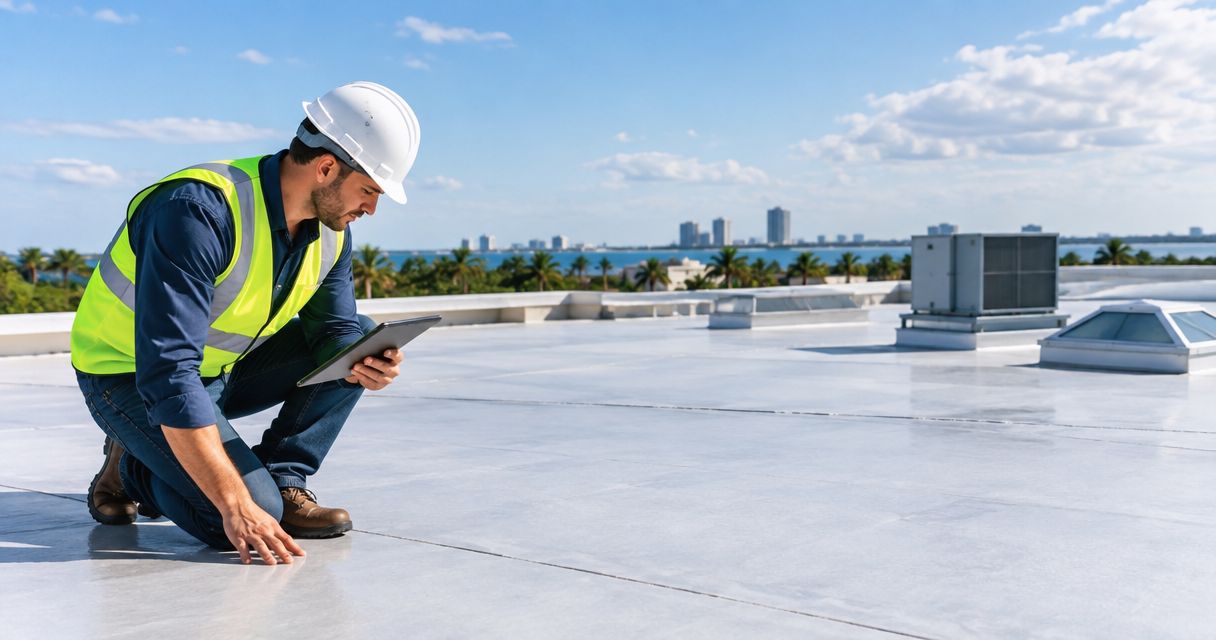
A wind mitigation inspection scores four things: roof covering, roof deck attachment, roof-to-wall connection, and opening protection. Any state-licensed inspector can run this report, and it's worth doing before you commit to a new tile install, not just after.
- Request the inspection separately from your roofing quote so the numbers aren't tied to one contractor's pitch
- Ask specifically whether your roof-to-wall connections use clips, straps, or toe-nails, since this drives a large share of the score
- Confirm the report date is recent enough for your insurer to accept it
- If you're bundling the inspection with tile work, wind mitigation inspection in Port Charlotte covers what to expect from that combined visit
- Keep a copy of the report with your policy documents, not just the contractor's files
Choose between concrete and clay tile
This is the decision that shapes cost, weight, and how the roof ages over the next few decades.
- Concrete tile: heavier, more widely available in Southwest Florida, commonly rated for around 50 years of service life
- Clay tile: lighter per unit but more brittle underfoot, often exceeds 50 years and can run past a century with maintenance
- Check with a structural professional whether your existing trusses were designed for tile weight if you're converting from shingle
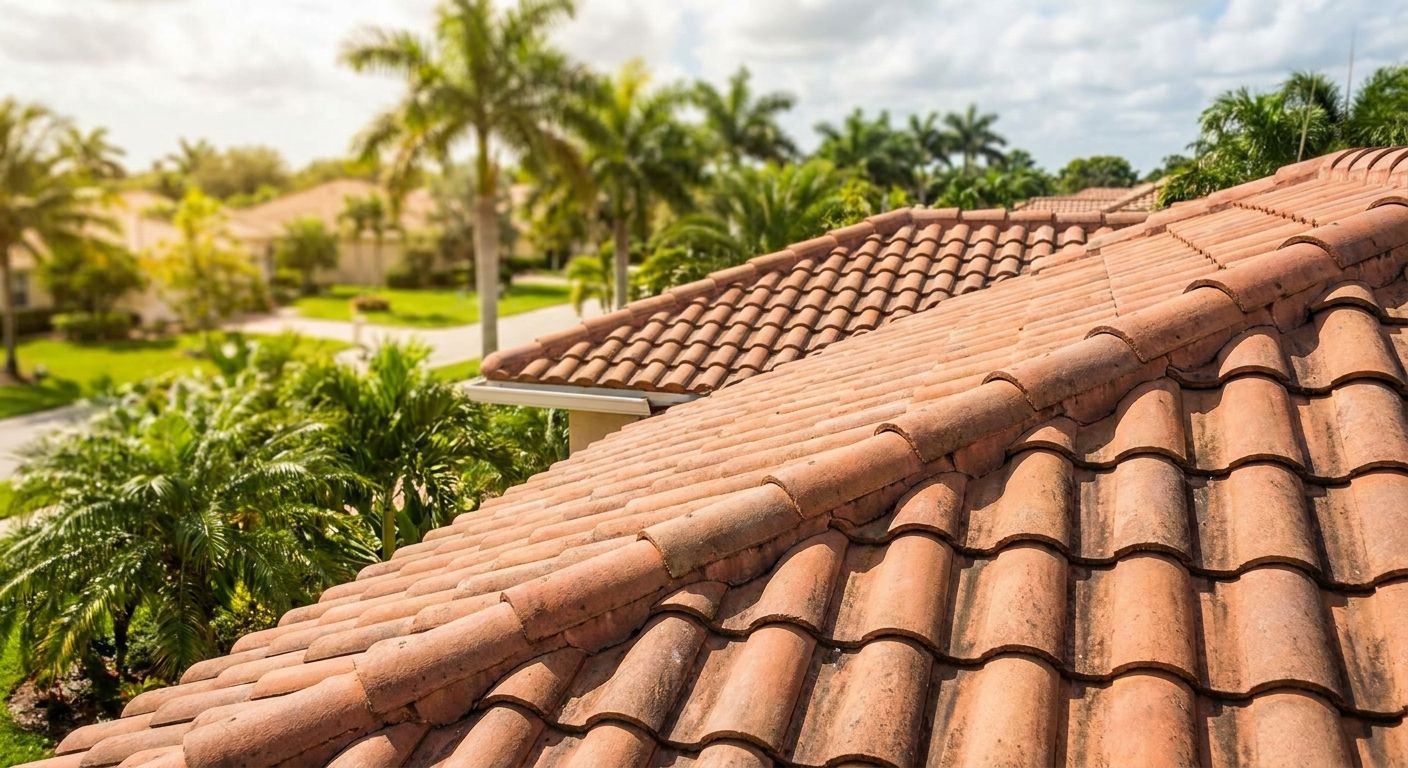
- Compare low-profile and flat tile against traditional barrel/S-tile profiles common on Port Charlotte's Mediterranean-style homes
- Review the full breakdown at best tile roofing options for Southwest Florida homes before locking in a material
Match the tile profile to your home's architecture
HOA covenants in many Port Charlotte communities specify tile color and profile, not just material — check the covenant before you fall in love with a sample.
- Confirm your HOA's approved tile color range in writing before ordering
- Ask your contractor to show a physical sample on your roof pitch, not just a catalog photo
- Match barrel-tile curvature to neighboring homes if architectural consistency is required
- Consider how tile color interacts with attic heat load in Florida's climate
Verify fastening and underlayment specs
This step decides whether the roof survives a hurricane more than the tile material does. Tile itself rarely fails in high wind; loose fastening and degraded underlayment are what let water in.
- Ask whether tiles will be mortar-set, foam-adhered, or mechanically fastened, and why that method fits your roof deck
- Confirm the underlayment is rated for Florida's heat and humidity, not a generic felt product
- Get the manufacturer's wind-uplift rating for the specific tile and fastening combination in writing
- Check that flashing details around valleys and penetrations are spelled out in the contract, not left as an assumption
Get itemized estimates from licensed contractors
A verbal quote isn't a contract — get the scope in writing before any deposit changes hands.
- Verify the contractor's Florida roofing license through the state license lookup
- Confirm active general liability and workers' comp coverage
- Ask for the tile manufacturer, underlayment brand, and fastening method itemized separately, not bundled as "tile roof"
- Request references from tile jobs completed in Charlotte County specifically, not just Florida generally
- Compare at least two estimates before signing anything
Get a tile roof evaluation in Port Charlotte
A free, no-pressure look at your roof's age, condition, and wind mitigation standing.
Plan the installation timeline around hurricane season
Florida's hurricane season runs June through November, and tile installs left mid-project when a storm approaches are a real risk.
- Schedule tile installs outside peak hurricane months when possible
- Ask your contractor what their storm contingency plan looks like for a project already underway
- Build in extra lead time during spring and early summer, when demand for roofing crews spikes ahead of storm season
Comparison: roofing options for Port Charlotte homes
| Option | Best For | Key Limitation |
|---|---|---|
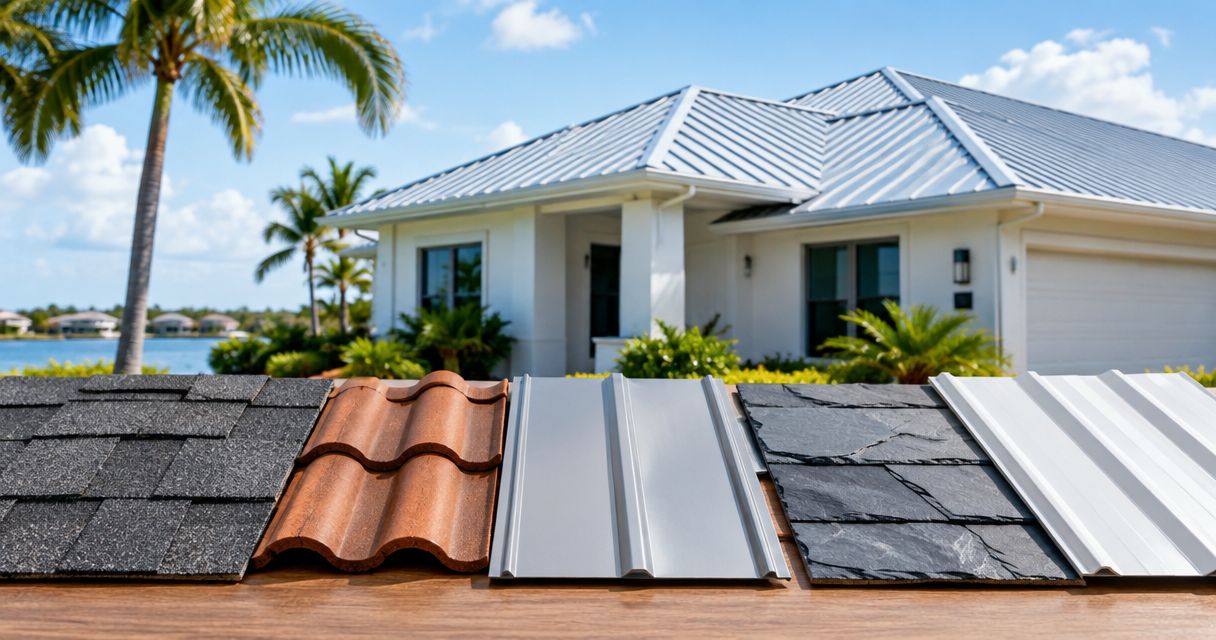
| Concrete tile | Homeowners wanting a 50-year roof at a lower cost than clay | Heavier, requires truss capacity check on older homes |
| Clay tile | Homeowners prioritizing longevity and HOA-matched Mediterranean styling | Higher material cost, more brittle to foot traffic |
| Metal roofing | Homeowners wanting lighter weight and long service life without tile's fragility | Different look than the tile-dominant Port Charlotte streetscape |
| Architectural shingle | Homeowners on a tighter budget or without an HOA tile requirement | Shorter service life than tile in Florida's UV and storm exposure |
Common mistakes Port Charlotte homeowners make
- Assuming a pre-2004 tile roof still meets current wind code — many rebuilt-era roofs need a fresh wind mitigation inspection, not an assumption based on age
- Skipping the truss capacity check when switching from shingle to concrete tile, which can strain a roof structure not designed for the added weight
- Installing new tile but never scheduling the follow-up wind mitigation inspection, leaving an insurance discount on the table
- Picking tile purely to match HOA aesthetics without verifying the fastening and underlayment specs that actually determine storm performance
- Scheduling installation deep into hurricane season without asking the contractor what happens if a storm forms mid-project
FAQ
What's the best tile roofing option for Port Charlotte homes?
Concrete tile is the most common choice in Port Charlotte for its balance of cost and a roughly 50-year service life against hurricane wind and rain. Clay tile costs more but often outlasts concrete and matches Mediterranean-style architecture common in local HOA communities.
Is tile roofing better than shingle in hurricane-prone Port Charlotte?
Tile generally outlasts architectural shingle in Southwest Florida's UV and storm exposure, but the fastening method and underlayment matter more than the material choice alone. A shingle roof properly installed to code can still perform well; a poorly fastened tile roof will not.
How long does a tile roof last in Southwest Florida?
Concrete tile commonly lasts around 50 years in Florida's climate, while clay tile can exceed a century with regular maintenance. The underlayment beneath the tile typically needs replacement well before the tile itself fails.
Does tile roofing lower my homeowners insurance in Port Charlotte?
Tile roofing can improve your wind mitigation score, which insurers use to calculate premium discounts in Charlotte County. The discount depends on the full inspection -- roof covering, deck attachment, roof-to-wall connections, and opening protection all factor in.
How much heavier is tile roofing than shingles?
Concrete and clay tile both weigh significantly more per square foot than architectural shingle, which is why a structural check on the trusses is necessary before converting an older shingle roof to tile.
Can I install tile roofing on an older Port Charlotte home?
Yes, but a contractor should verify the roof deck and truss system can handle the added weight before installation. Homes built or re-roofed before the 2004 Hurricane Charley rebuild are the ones most likely to need this check.
What's the difference between concrete and clay tile roofing?
Concrete tile is heavier, more widely available, and typically less expensive than clay. Clay tile is lighter per unit, more brittle to foot traffic, and often lasts longer, frequently exceeding a century of service.
How often should a tile roof be inspected in Florida?
An annual visual inspection plus a post-storm check after any named hurricane catches most tile and underlayment issues early. A wind mitigation inspection is separate and typically only needs updating every few years or after a roof replacement.
One last thing
The tile itself is rarely the point of failure in a hurricane — it's the underlayment and the fastening method underneath that give out first, which is why two roofs with identical tile can perform completely differently in the same storm. Ask any contractor quoting tile roofing in Port Charlotte to name the underlayment brand and fastening method before you ask about the tile color.