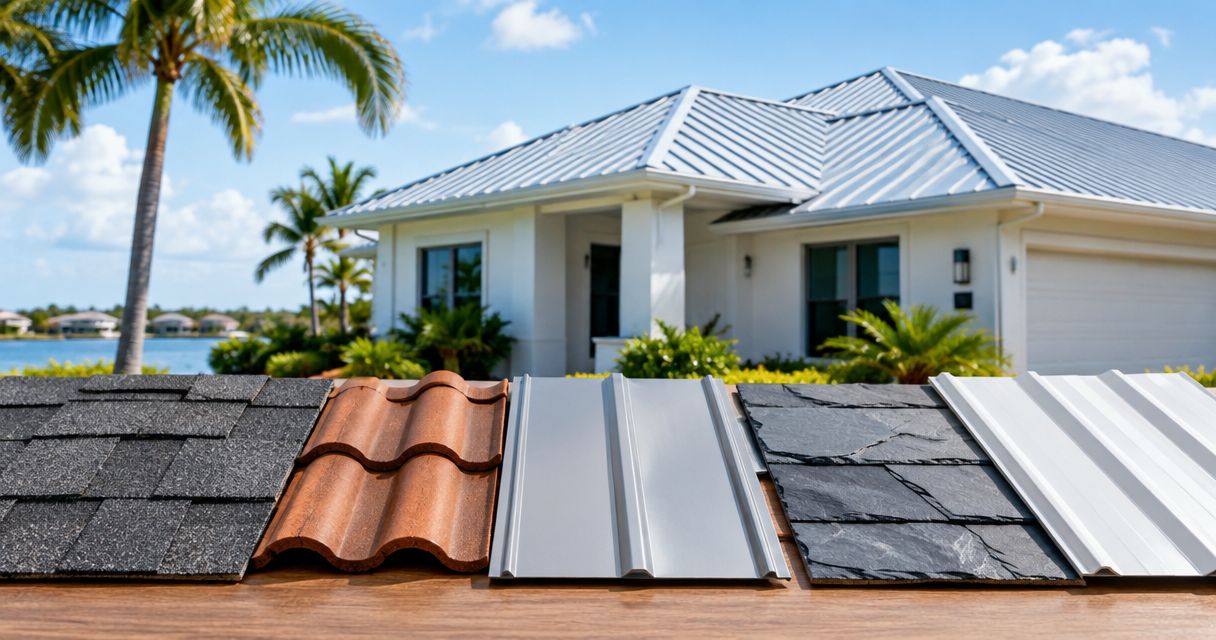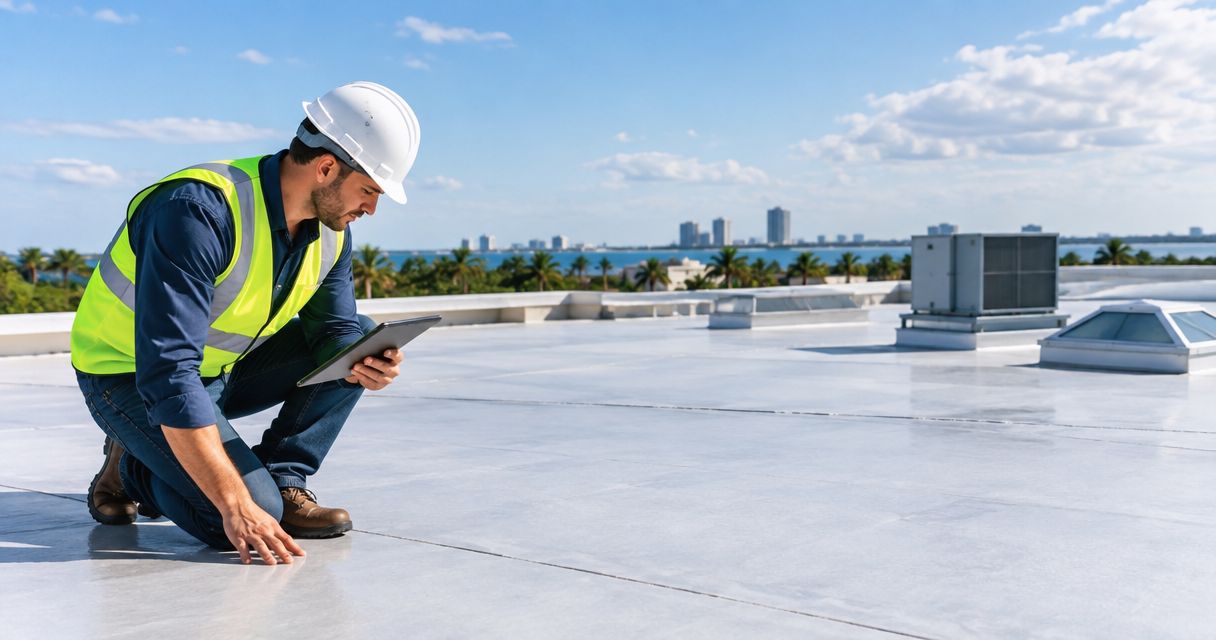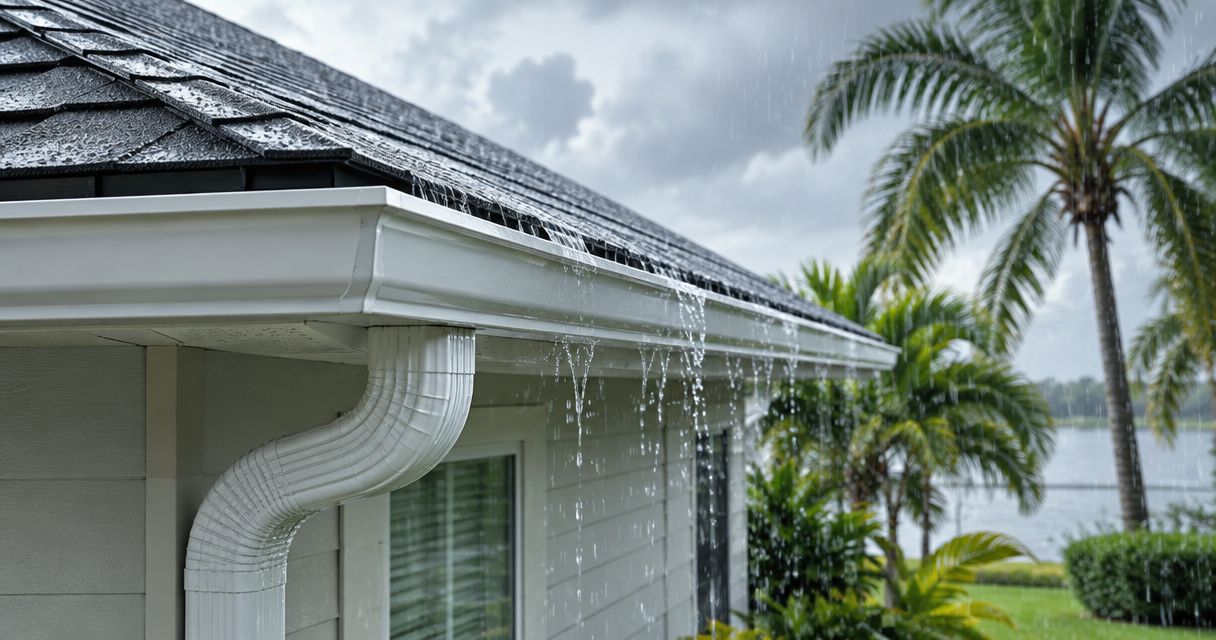
Bonita Springs emergency roof repair means getting a licensed roofer onto an actively leaking or storm-damaged roof within hours, not weeks, with the goal of stopping water intrusion before it reaches drywall, insulation, and framing. Bonita Springs sits on the Gulf between Fort Myers and Naples, so homes here take wind-driven rain and salt exposure that inland SW Florida properties don't see in the same combination — a roof that's fine in a normal thunderstorm can fail fast once a named storm brings sustained gusts off the water.
- Emergency roof repair in Bonita Springs means a licensed roofer on-site within 24-48 hours to stop active leaks, not a scheduled callback.
- Tarping is a temporary fix, not a repair — a permanent patch or replacement still has to follow.
- Photograph damage before you touch anything; insurers in Florida routinely deny claims missing pre-cleanup photos.
- Roof Smart of SW Florida services Bonita Springs alongside Naples, Fort Myers, and Cape Coral for storm-damage calls.
- Roofs over 20 years old with widespread storm damage usually need replacement, not another patch.
Why emergency roof repair matters for Bonita Springs homeowners
A Bonita Springs roof does double duty: it has to shed heavy afternoon rain nine months a year and survive whatever moves through during hurricane season, which runs June through November. When wind gets under a shingle edge or lifts a section of tile, water finds the underlayment fast, and Florida's humidity means a small leak turns into mold inside walls within days, not weeks.
Homeowners searching for emergency roof repair Bonita Springs are usually dealing with one of three situations: active water coming through a ceiling right now, visible storm damage after wind or hail, or a roofer's inspection that flagged a section as failing. Roof Smart of SW Florida handles all three across Lee and Collier counties, and the steps below apply whether the damage happened last night or you're staring at a stain that's been spreading for a week.
Identify the signs that mean you need emergency repair, not a scheduled fix
Not every roof problem is an emergency. Knowing the difference decides whether you call today or book next week.
- Active water dripping or pooling inside the house during or after rain
- Daylight visible through the attic or roof deck
- Shingles or tiles missing over more than a small isolated patch
- A sagging or spongy section of roof deck when you press on it from inside the attic
- Storm debris punctures, exposed underlayment, or a lifted ridge cap after wind
If you're unsure which category your roof falls into, this breakdown of when a roof needs emergency repair walks through the specific warning signs before you decide.
Stop the water before you do anything else
Once there's active intrusion, protecting the interior of the house comes before any roof work.
- Move furniture, electronics, and rugs away from the drip or pooling area
- Set buckets or tarps to catch water and reduce ceiling damage
- Shut off power to any outlet or fixture near the wet area if you can do it safely
- Photograph the damage from multiple angles before you clean up anything
- Cut a small relief hole in a sagging ceiling bulge to release trapped water in a controlled spot, if the bulge is growing fast
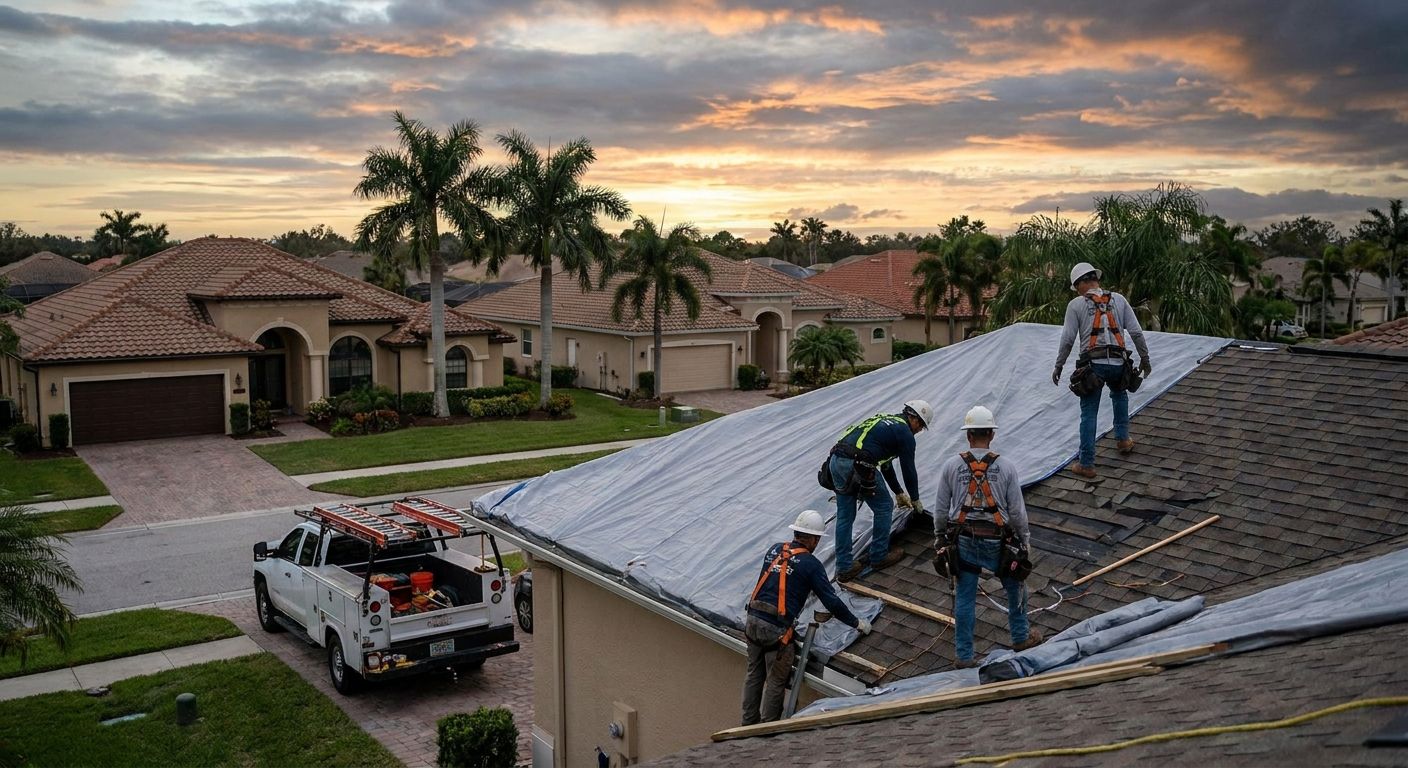
Get a professional tarp on the roof within 24-48 hours
A store-bought tarp weighted with cinder blocks does not hold in sustained Gulf coast wind. A properly installed emergency tarp is fastened into the roof deck, sealed at the edges, and rated to survive the next round of weather until permanent repair happens. Emergency roof tarping after storm damage covers what a correctly installed tarp job actually involves and how long it should reasonably hold.
- Confirm the tarp covers the full damaged section plus at least 2 feet of overlap on sound roofing
- Ask whether the tarp is nailed into battens or directly into the deck — battens cause fewer future leak points
- Get a written estimate for the permanent repair before the crew leaves
- Keep the tarp inspected after every subsequent storm through the rest of hurricane season
Document everything before you file an insurance claim
Florida insurers deny a meaningful share of storm claims over missing documentation, not because the damage wasn't real. Photos and a written scope from a licensed contractor carry more weight than a phone call describing the problem.
- Photograph the roof damage from the ground and, if safe, from the attic
- Get a written repair estimate that itemizes materials and labor separately
- Keep receipts for any temporary protective measures like tarping or buckets
- File the claim within the window your policy specifies — most Florida policies require prompt notice
- Request the adjuster's report in writing once the inspection happens
How to file a roof insurance claim after storm damage covers the sequence in more detail, including what documentation adjusters ask for most often.
Schedule the permanent repair once the roof is stabilized
A tarp buys time. It does not fix anything. Once water is stopped, the permanent repair needs to happen before the next weather system, not after.
- Confirm whether the fix is a patch, a partial re-roof of the damaged section, or a full replacement
- Ask what the underlayment condition looked like once the damaged shingles or tiles came off
- Get the permit pulled if the repair scope requires one under Lee or Collier county code
- Confirm the warranty terms on both materials and labor before work starts
Decide between repair and replacement
A roof under 15 years old with isolated storm damage is usually a repair candidate. A roof past 20 years, or one that's taken repeated storm hits, often costs more to keep patching than to replace outright. Roof repair vs roof replacement in Florida lays out the decision points in more detail if you're on the fence.
Comparison: emergency repair options for Bonita Springs roofs
| Option | Best for | Key limitation |
|---|---|---|
| DIY tarp or plastic sheeting | Stopping a leak in the first hour before help arrives | Not wind-rated; fails in sustained gusts |
| Professional emergency tarping | Securing the roof within 24-48 hours of damage | Temporary — a permanent repair still has to follow |
| Emergency shingle or tile patch | Isolated storm damage on an otherwise sound roof | Doesn't fix underlying decking if it's compromised |
| Full emergency roof replacement | Widespread damage or roofs past 20 years old | Longer timeline; requires permitting |
The roof that gets a professional tarp within 48 hours and a documented insurance claim within the policy window is the one that gets fully covered and fully fixed — the roof that waits does neither.
Common mistakes Bonita Springs homeowners make
- Waiting to call because the leak looks small. A pinhole leak after a wind event in 2026 is often a sign of a much larger compromised section under the shingles or tiles that hasn't shown through yet.
- Climbing onto a wet or steep tile roof to inspect it themselves. Wet tile is one of the more common causes of fall injuries after Florida storms, and cracked tiles from foot traffic create new leak points.
- Cleaning up storm debris before photographing the damage. Insurers ask for pre-cleanup photos; without them, a legitimate claim gets pushed back or denied outright.
- Hiring the first out-of-state crew that knocks on the door after a storm. Storm-chasing contractors are common in SW Florida after major weather events and often disappear before warranty work is needed.
- Treating a tarp as the finished job. A tarp holding through one storm doesn't mean the underlying damage is fixed — it means the next storm is the real test.
Get emergency roof help now
Free evaluation for storm damage across Bonita Springs and SW Florida.
FAQ
How fast can emergency roof repair happen in Bonita Springs?
Most emergency roof calls in Bonita Springs get a tarp or temporary stop-gap within 24-48 hours of the initial call, weather permitting. Full permanent repair scheduling depends on material availability and the extent of the damage.
Does homeowners insurance cover emergency roof repair after a storm?
Most Florida homeowner policies cover sudden storm damage, but coverage depends on your policy's wind and named-storm provisions. Photograph damage before cleanup and file within your policy's notice window to avoid denial.
Is a tarp enough to protect my roof until repairs happen?
A professionally installed tarp can hold through additional weather for weeks, but it is not a permanent fix. The underlying damage still needs a repair or replacement once the roof is stabilized.
How do I know if my roof needs replacement instead of repair after storm damage?
Roofs over 20 years old with widespread damage, or roofs that have taken repeated storm hits, usually cost more to keep patching than to replace. An inspection after the immediate leak is stopped will confirm which category yours falls into.
What should I photograph before calling my insurance company?
Photograph the roof damage from the ground, the attic if it's safe, and any interior water damage before any cleanup or repair work begins. Missing pre-cleanup photos are a common reason storm claims get denied.
Can I do emergency roof repair myself in Bonita Springs?
Temporary measures like buckets and interior tarps are safe to do yourself, but roof-level work on a wet or storm-damaged roof should go to a licensed contractor. Fall risk and improper tarping are the two most common DIY failures.
How much does emergency roof repair cost in Bonita Springs?
Cost depends on the extent of the damage, the roofing material, and whether the fix is a patch or a full section replacement. Get a written estimate from a licensed contractor before work begins so the scope is documented for insurance.
One last thing
The single biggest factor in whether a Bonita Springs storm claim gets paid isn't the size of the damage — it's whether photos exist from before anyone touched the roof. Homeowners who document first and call a contractor second consistently get faster claim approvals than homeowners who call the contractor first and photograph later. Do it in that order every time, even when the leak feels urgent enough to skip a step.