A roof needs emergency repair the moment water is actively entering the home, decking is exposed to open air, or storm winds have stripped away enough material that the next rain turns a repair job into a full roof replacement. In Southwest Florida in 2026, waiting even 24 hours on any of these signs during hurricane season is what turns a $600 tarp job into a $15,000 interior rebuild.
- Active leaks, exposed decking, or a sagging roofline mean you need emergency roof repair right now in 2026.
- Emergency roof tarping stops water intrusion within hours and buys time before permanent repair work starts.
- Roof Smart of SW Florida takes emergency calls across Cape Coral, Fort Myers, and Naples.
- Cosmetic shingle loss with no leak can usually wait for a scheduled repair, not an emergency crew.
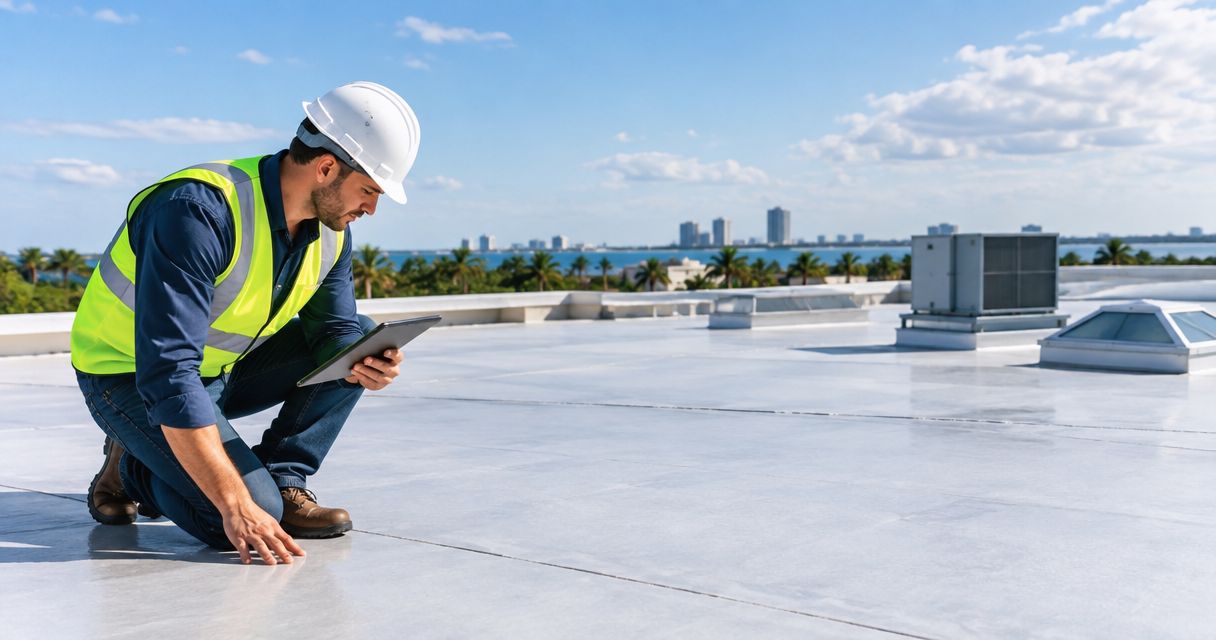
- Standing water on a flat commercial roof for more than 48 hours counts as an emergency, not routine maintenance.
Why this matters
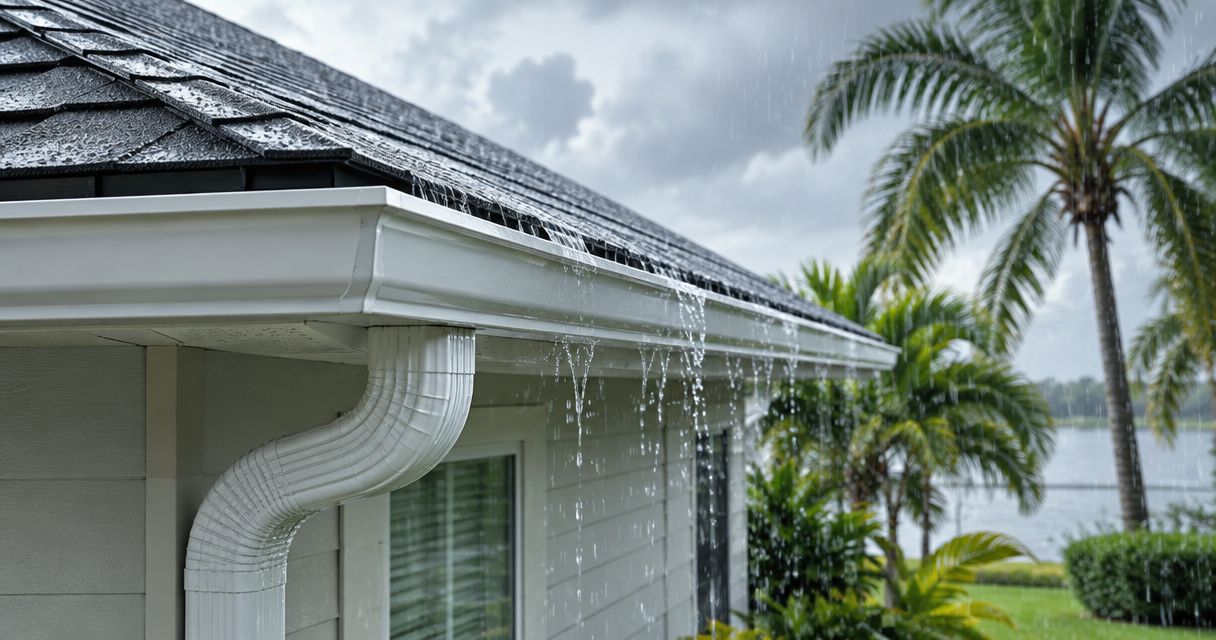
Most homeowners underestimate how fast a small breach becomes a big one. A single lifted shingle or a quarter-sized gap in flashing lets rainwater track sideways under the roof deck, soaking insulation and drywall long before you see a stain on the ceiling.
By the time water shows up indoors, the damage is usually already a week or two old. That gap between "first sign" and "visible sign" is the reason emergency roof repair exists as its own category of service, separate from a scheduled inspection or a routine repair. Southwest Florida's 2026 storm season makes the stakes higher: wind-driven rain finds every weak point in a roof system that a dry, calm day would never expose.
How do I know if my roof needs emergency repair?
Your roof needs emergency repair when any of these conditions are present. Anything short of these can typically wait for a scheduled appointment.
| Sign | Emergency? | Why |
|---|---|---|
| Active leak or spreading ceiling stain | Yes | Water is inside the structure right now |
| Visible daylight through the roof deck | Yes | The weatherproofing barrier is gone |
| Sagging or soft roofline | Yes | Structural failure risk |
| Large area of missing shingles or tiles after a storm | Yes | Next rain event causes major intrusion |
| Standing water on a flat roof past 48 hours | Yes | Overloads the deck, risks ponding failure |
| A few missing shingles, no interior leak | No | Schedule a standard repair |
| Faded or curling shingles with no leak | No | Cosmetic aging, plan for future replacement |
| Minor granule loss in gutters | No | Normal wear, monitor over time |
If you're already seeing water inside, emergency roof tarping is the immediate move — it's a temporary seal that stops the bleeding while a permanent repair gets scheduled.
Active leaks or water stains spreading indoors
A ceiling stain that grows between one day and the next is an active leak, not an old one. Any spreading stain, dripping water, or bubbling paint is a same-day emergency, because the water is already inside insulation and framing and mold growth starts within 24 to 48 hours in Florida's humidity.
Missing shingles, exposed underlayment, or exposed decking
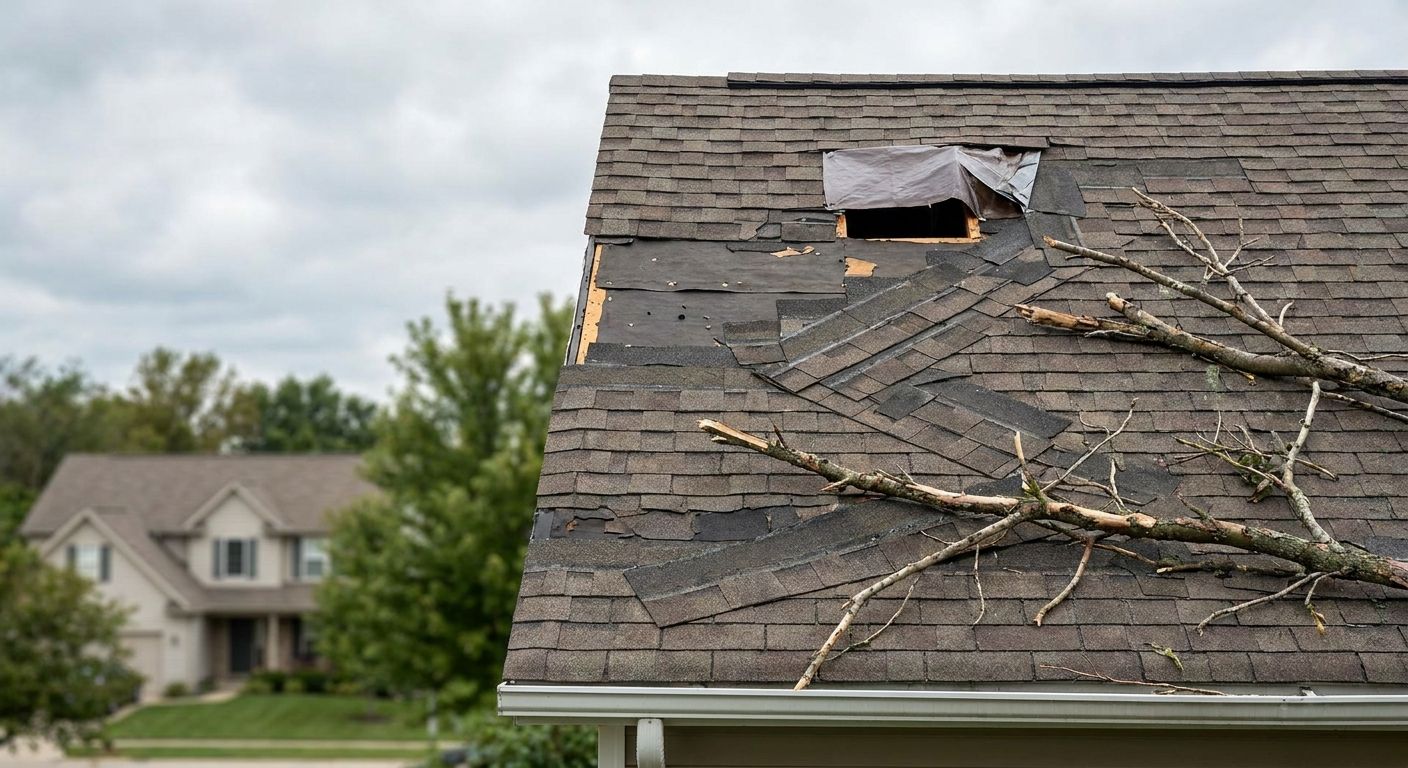
A few missing shingles after a windy afternoon is cosmetic. A section of exposed plywood decking, felt paper, or synthetic underlayment with no shingle covering it is not — that layer is your only barrier against the next rainstorm, and in Cape Coral, Fort Myers, or Naples, that next rainstorm might be tonight.
Sagging or soft spots in the roof deck
Walk your attic or look at the roofline from the street. A visible dip, a soft spot underfoot, or ceiling drywall that flexes when pressed signals rot or structural compromise. This is the single most urgent category on this list — a soft deck can fail under foot traffic or additional water weight.
Storm damage after high winds or hail
After any named storm or a wind event above 50 mph, check for lifted shingle edges, cracked tiles, dented metal panels, or debris punctures. Spotting roof storm damage after a hurricane early, even before a leak shows up indoors, is what keeps a repair small.
“If you can see daylight through the roof deck, that's not a repair call — that's an emergency.”
Why urgency varies from roof to roof
Not every roof reacts to damage the same way. These factors change how fast a problem escalates:
- Roof age — a 20-year-old shingle roof fails faster under the same wind load as a roof installed in 2020
- Material type — flat roofs pond water and fail differently than pitched tile or metal roofs
- Storm severity — sustained winds above 74 mph (tropical storm force) cause different damage patterns than a summer thunderstorm
- Existing wear — a roof already due for replacement has less margin before a leak turns structural
- Drainage condition — clogged gutters or blocked scuppers turn a manageable rain event into standing water
- Response time — a tarp placed within hours limits damage to the roof deck; a delay of days lets water spread into walls and ceilings
A roof nearing the end of its service life is a good candidate to review roof repair vs. roof replacement once the emergency is stabilized, rather than paying for repeated emergency patches on a roof that's due for full replacement anyway.
Get an emergency roof evaluation
Free, no-pressure assessment for Cape Coral, Fort Myers, and Naples homeowners.
Should I get on the roof myself to check for damage?
No — do not climb onto a wet or storm-damaged roof to inspect it yourself. A soft deck, loose tile, or downed line near the roofline can cause a fall or electrocution, and the visual check from the ground or attic is enough to confirm whether you need an emergency call in 2026.
Will insurance cover emergency roof repair in Southwest Florida?
Most homeowners' policies cover sudden storm damage, including emergency tarping, but coverage depends on your policy's wind and hurricane deductible and whether the damage is documented before repairs start. Photograph the damage immediately and keep the invoice from the emergency work — insurers routinely request both.
How fast should a roofer respond to an emergency call?
A roofer should respond to an active leak or storm damage call the same day, with temporary tarping in place before the next rain event. Roof Smart of SW Florida fields emergency calls across its Southwest Florida service area, and a same-day tarp is standard practice when water is already entering the structure.
FAQ
How do I know if my roof needs emergency repair right now?
Your roof needs emergency repair right now if you see an active indoor leak, exposed decking, a sagging roofline, or storm damage after high winds. Anything short of active water intrusion or structural sagging can typically wait for a scheduled repair appointment.
What's the difference between a roof leak and an emergency roof leak?
An emergency roof leak is actively spreading or dripping, while a non-emergency leak is a dry stain that hasn't changed size. If the stain grows between visits or you hear dripping, treat it as an emergency.
How much does emergency roof tarping cost compared to waiting?
Emergency roof tarping is a fraction of the cost of the drywall, insulation, and framing repairs caused by a delayed leak. Tarping stabilizes the roof within hours and prevents the damage from spreading while a permanent repair is scheduled.
Is a few missing shingles an emergency?
A few missing shingles with no interior leak is usually not an emergency and can be scheduled as a standard repair. It becomes an emergency if the exposed area covers underlayment or decking, or if rain is expected before the repair can happen.
Can a sagging roof collapse without warning?
A sagging roof can fail suddenly once the deck is saturated or a structural member has rotted through, which is why any visible sag or soft spot gets treated as an emergency. Do not walk on a sagging section to inspect it.
Does homeowners insurance cover emergency roof repair in Florida?
Most Florida homeowners' policies cover sudden storm damage, including emergency tarping, subject to your wind and hurricane deductible. Document the damage with photos before repairs begin, since insurers typically request this for the claim.
How long does a temporary roof tarp last?
A properly installed emergency tarp holds through several rain events while a permanent repair is scheduled, typically days to a few weeks depending on wind exposure. It is a stopgap, not a substitute for the permanent fix.
One last thing
The roofs that end up needing full replacement after a storm are rarely the ones with the most visible damage — they're the ones where a small leak sat unreported for a week or more while water worked through insulation and framing. The fastest way to protect a roof after any storm in 2026 is a same-day inspection, even when nothing looks obviously wrong from the ground. If you're unsure whether what you're looking at qualifies, get roof inspection services in Cape Coral scheduled before the next front moves through — it costs far less than guessing wrong.