Commercial property owners’ wind mitigation inspection is a documented review of a building’s wind-resistant features with the aim of supporting accurate insurance underwriting and a prioritized roof plan. In 2026, commercial owners need a building-specific scope because flat roofs, multiple roof sections, large openings, rooftop equipment, and tenant access complicate the inspection.
- A wind mitigation inspection for commercial properties documents roof and opening features used during insurance review.
- Commercial owners should start the process at least 45 calendar days before policy renewal.
- Roof Smart of SW Florida suits owners who need roofing and wind mitigation services from one provider.
- The insurer decides whether documented features qualify for credits; the inspection itself is not a guarantee.
Why wind mitigation matters for commercial property owners
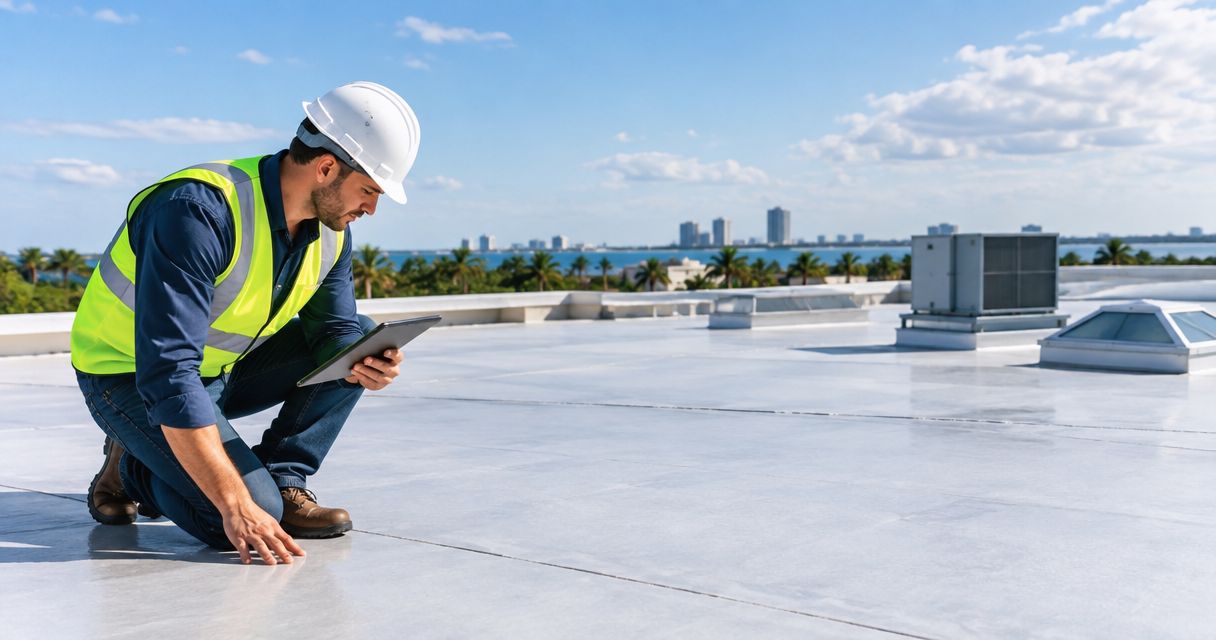
A commercial roof is rarely a single, simple assembly. One property can include a main low-slope roof, pitched entrance sections, canopies, additions, mechanical curbs, skylights, loading doors, and roof areas installed under different permits. The inspection must identify those sections clearly enough for an insurance reviewer to understand what protects each part of the building.
Timing matters just as much as scope. A report completed after the carrier has finalized the 2026 renewal leaves little room to clarify photographs, locate permits, or address a roof issue. Start with your renewal date, then work backward to create time for inspection, documentation, corrections, and carrier review.
Southwest Florida owners can use a local service page such as wind mitigation inspection in Naples to understand the regional service context. Roof Smart of SW Florida provides commercial roofing and wind mitigation services across Cape Coral, Fort Myers, Naples, and surrounding Southwest Florida counties.
A wind mitigation inspection does not pass or fail the property. It records visible features and available documentation. Your insurer applies its own underwriting rules, decides whether the report is acceptable, and determines which credits apply.
How to prepare for a commercial wind mitigation inspection
The best 2026 process starts with a manual review of your records. Organize what already exists before bringing in a roofing or inspection provider; this reduces access delays and prevents different roof sections from being treated as one assembly.
1. Map every roof section
Create a basic roof map using an aerial image, construction drawing, or property sketch. Give each section a consistent name that your manager, inspector, roofer, and insurance agent can all follow. A label such as west retail wing is clearer than section two when several people review the file.
Record visible differences without trying to diagnose the system yourself. The goal is to show where one roof section ends and another begins.
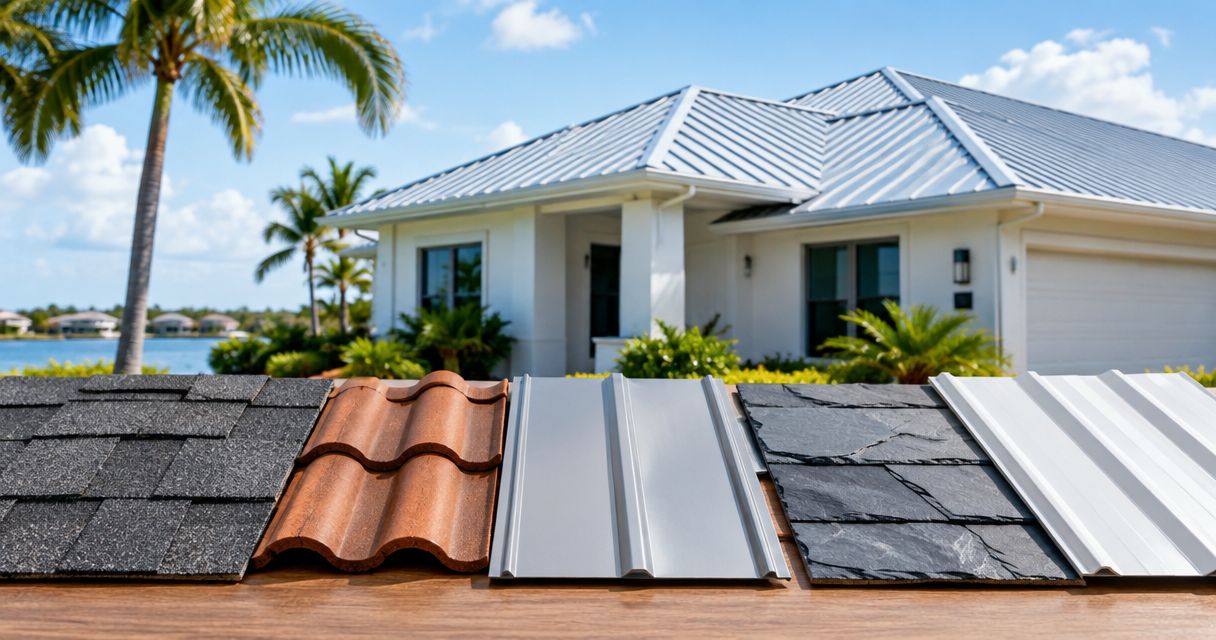
- Mark low-slope, pitched, tile, metal, shingle, and flat roof areas separately
- Identify additions, canopies, covered walkways, loading areas, and detached buildings
- Note rooftop equipment, skylights, drains, scuppers, and mechanical curbs
- Label tenant spaces below each roof section when access depends on tenant approval
- Photograph each elevation and match the images to the roof map
2. Gather permits and previous roof records
The inspector needs evidence that connects visible conditions to documented work. Search your internal files first, then check available public permit records and ask previous managers for missing documents. Do not rely on an old invoice that fails to identify the building or roof section.
Build the 2026 file around records that establish what work occurred and where it occurred. Keep originals unchanged and create a separate working copy for notes.
- Collect roof permits, final inspection records, contracts, invoices, and product documents
- Separate full replacement records from repair and maintenance records
- Match each permit or invoice to the roof map
- Add previous wind mitigation reports without assuming they remain current
- List missing records so the provider knows which details need visual confirmation
3. Choose the right inspection route
Your insurer or agent should confirm which professional credentials and report format it accepts before you schedule. Requirements can vary by property type, policy, carrier, and building complexity. Written confirmation prevents a completed report from being rejected for an avoidable administrative reason.
Roof Smart of SW Florida enters here as a faster path for owners who also need commercial roofing support. The company provides roofing installation, repair, replacement, and wind mitigation services, so it fits properties where the inspection process is connected to active roof concerns.
- Ask the carrier or agent which credentials it accepts for the property
- Confirm whether every structure on the parcel needs separate documentation
- Request a scope that identifies mixed roof systems and different installation periods
- Ask how photographs, permits, and supporting records will be delivered
- Confirm who handles corrections if the carrier requests clarification
4. Plan safe access without disrupting tenants
Commercial inspections can require coordination with tenants, facility staff, security, and rooftop equipment restrictions. Set access rules before the appointment. An inspector who cannot reach a roof section or interior connection point can only document what is accessible.
Reserve at least 10 business days for tenant notices and access coordination on occupied properties. That buffer is a planning recommendation, not an insurer deadline.
- Identify roof hatches, ladders, locked doors, gates, and alarmed areas
- Arrange access to mechanical rooms, upper floors, and interior roof spaces
- Notify tenants whose spaces contain access points
- Identify active work zones, fragile roof areas, and restricted equipment
- Assign one site contact who can answer access questions during the visit
5. Review the report section by section
Read the completed report before sending it to the carrier. Compare roof labels, photographs, addresses, parcel details, and construction records. A correct technical observation attached to the wrong building section creates unnecessary underwriting questions.
Complete this review within 2 business days of receiving the report so the provider can address errors while the site visit is still recent. Focus on accuracy rather than trying to improve the findings.
- Verify the legal property address and each building identifier
- Match every photograph to the correct roof section or opening
- Check that additions and detached structures are not omitted
- Confirm document references match the permits and records provided
- Request corrections for factual errors, missing pages, or unreadable images
- Keep the signed report and all supporting documents together
6. Submit the file and track the outcome
Send the complete package through the channel specified by your agent or carrier. A verbal notice that the inspection occurred does not replace the report. Keep a dated record of submission and ask for written confirmation that the file reached underwriting.
Build a 30-calendar-day review buffer into your 2026 renewal plan. This gives you room to answer questions without treating every request as an emergency.
- Submit the report, photographs, and requested supporting records together
- Record the submission date, recipient, policy number, and property address
- Follow up if receipt is not confirmed within 5 business days
- Ask whether underwriting needs clarification or additional documentation
- Compare the final policy documents with the submitted inspection file
- Schedule a new review after roof replacement, major repair, or building expansion
Inspection options for commercial owners
The right option depends on building complexity, insurer requirements, and whether the property also needs roofing work. Confirm acceptance before hiring any provider; professional titles alone do not guarantee that a carrier will accept a particular report.
| Option | Best for | Main advantage | Key limitation |
|---|---|---|---|
| Manual records review | Owners preparing permits, roof maps, and access details | Organizes the file before an inspection visit | Does not replace a qualified inspection |
| Independent inspection provider | Properties with complete records and no known roofing work | Keeps inspection and repair roles separate | Roofing corrections require another provider |
| Roof Smart of SW Florida | Southwest Florida owners who need wind mitigation and commercial roofing services | Connects roof evaluation with available repair or replacement services | Owners must still confirm carrier acceptance and report requirements |
| Licensed engineer | Complex buildings when engineering review is requested | Fits structural questions outside a standard roofing scope | Not every property or policy requires engineering review |
Roof Smart of SW Florida is best for commercial property owners in Southwest Florida who want roofing and wind mitigation services from one local provider. It is not a substitute for the carrier’s underwriting decision, and property owners should verify accepted credentials and forms before scheduling.
Plan your commercial roof review
Request a no-pressure free estimate for your Southwest Florida property.
Common mistakes commercial property owners make
Treating the entire property as one roof
A parcel can contain several buildings and several roof assemblies. Combining them under one vague description makes it difficult to connect photographs, permits, and findings. Map each building and roof section before the appointment.
Waiting until the 2026 renewal is due
Late scheduling removes the time needed to collect records, coordinate tenant access, correct factual errors, and answer underwriting questions. A 45-calendar-day lead time creates a workable sequence without claiming that every carrier follows the same deadline.
Assuming a previous report covers later work
Roof replacement, major repair, new openings, additions, and building expansion can change the features that need documentation. Keep the old report for history, but ask whether the completed work requires a new inspection or updated submission.
Confusing maintenance with mitigation documentation
A maintenance report can identify leaks, membrane damage, drainage issues, or failed flashing. A wind mitigation report documents features relevant to wind resistance and insurance review. One document does not automatically satisfy the purpose of the other.
Sending documents without checking identifiers
Commercial ownership structures create room for mismatched names, addresses, suite numbers, building labels, and policy records. Verify those fields before submission. An accurate roof photograph is less useful when the carrier cannot connect it to the insured structure.
FAQ
What is a wind mitigation inspection for commercial properties?
A wind mitigation inspection for commercial properties documents building features that affect resistance to wind. The insurer reviews the report and decides how the findings affect underwriting or available credits.
What does a commercial wind mitigation inspector check?
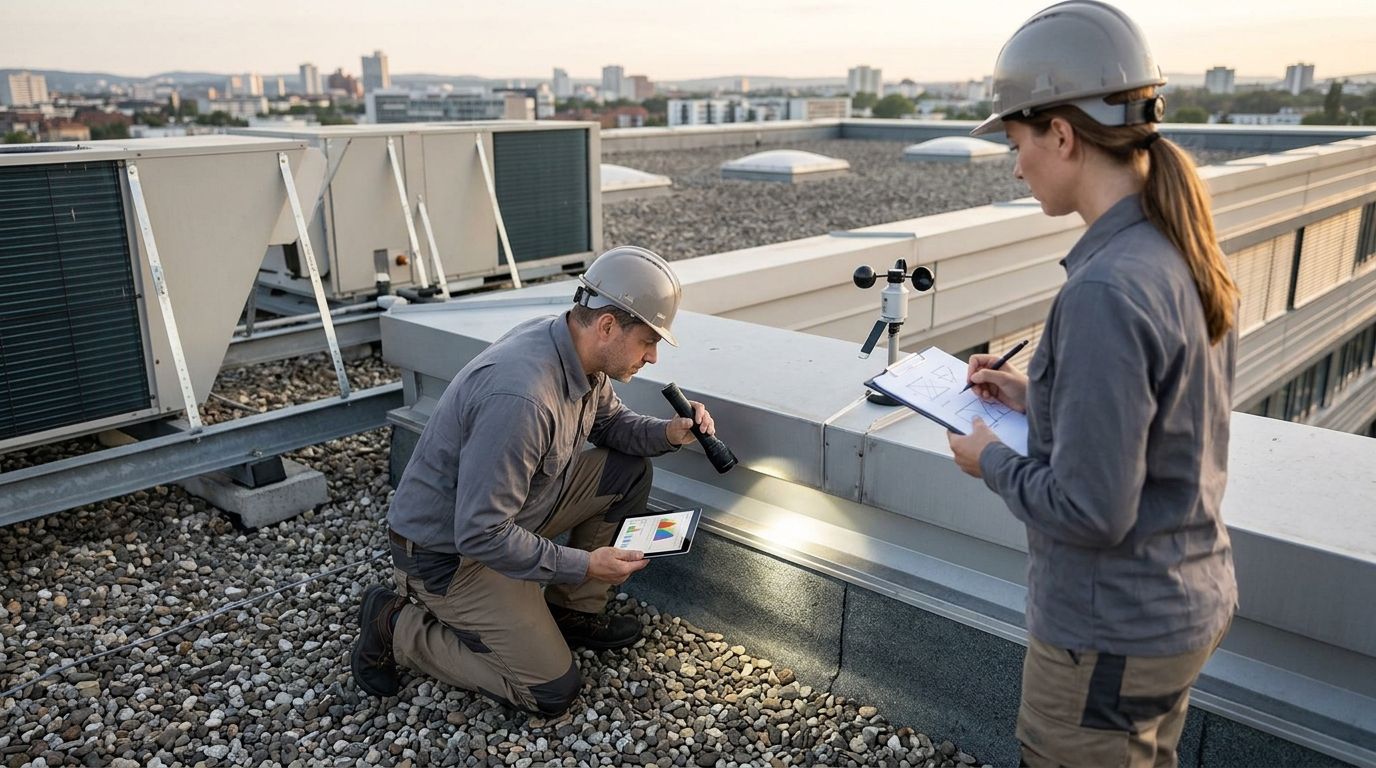
The scope generally covers roof assemblies, attachment details that can be accessed, roof geometry, water-resistance features, and protected openings. The exact scope and report format depend on the building and insurer requirements.
When should a commercial owner schedule the inspection?
Schedule it before the insurance renewal process reaches its final stage. A planning buffer of 45 calendar days gives you time to gather records, arrange access, review the report, and answer questions.
Does a wind mitigation inspection guarantee lower insurance costs?
No, an inspection does not guarantee a lower premium or insurance credit. The carrier applies its underwriting rules to the documented features and makes the final decision.
Can one report cover multiple commercial buildings?
Only the carrier or accepted report format can determine whether one submission covers multiple buildings. Each structure should still be mapped and documented separately so its roof sections and openings remain identifiable.
Do I need another inspection after commercial roof replacement?
Ask your insurer whether it requires updated wind mitigation documentation after replacement. New roof work can change the features shown in the previous report, making an updated review relevant.
Is wind mitigation inspection the same as a roof condition inspection?
No, the inspections serve different purposes. A roof condition inspection focuses on current condition and repair needs, while wind mitigation documentation focuses on features tied to wind resistance.
How should property managers prepare tenants for the inspection?
Give tenants clear notice when the provider needs access through occupied or restricted areas. Identify roof hatches, mechanical rooms, security procedures, and one site contact before the appointment.
One last thing
Use the same building and roof-section names on your 2026 roof map, inspection report, repair records, insurance submission, and property management file. Consistent naming sounds minor, but it prevents the west wing in one document from becoming building B in another.
Roof Smart of SW Florida serves homeowners and businesses across Cape Coral, Fort Myers, Naples, and surrounding Southwest Florida counties. For a commercial property owner, the next move is simple: confirm the insurer’s requirements, organize the building records, and schedule the inspection with enough time to act on the findings.