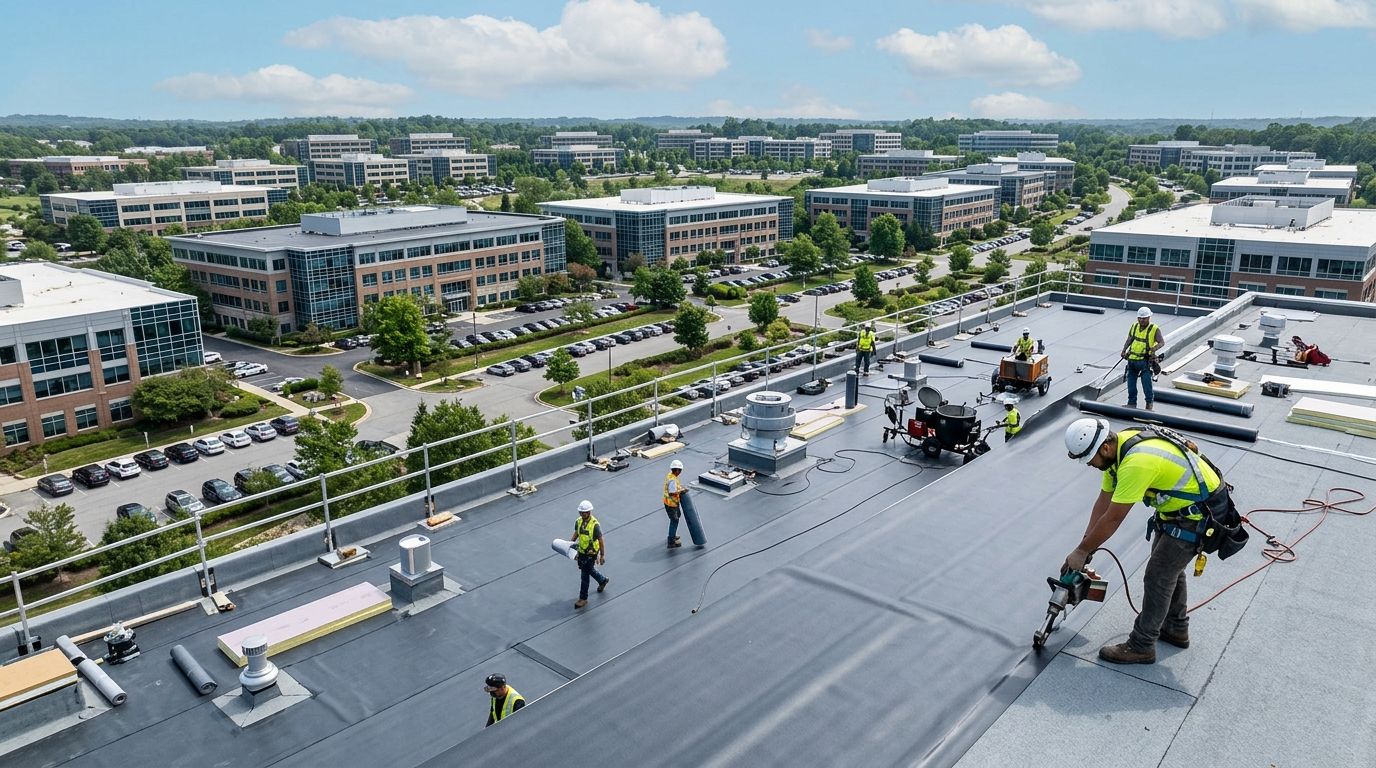
Commercial roofing for office parks is the process of installing, repairing, or maintaining large-scale flat and low-slope roof systems across multi-tenant business complexes, with the goal of protecting shared HVAC equipment, tenant build-outs, and building value through Southwest Florida's heat, humidity, and hurricane wind loads. Office parks differ from single-tenant retail or industrial buildings because one roof failure can disrupt multiple leases at once, and repairs often have to happen around active businesses instead of a closed storefront.
- Commercial roofing for office parks in 2026 means matching TPO, modified bitumen, or coated systems to a 20-30 year replacement cycle.
- Roof Smart of SW Florida schedules multi-building work in phases so tenants stay open during commercial roof repair.
- Design wind speed standards in SW Florida commonly reach 150 mph, and roofs installed before that code shift carry higher storm risk.
- A 4-point inspection is usually required once a commercial roof passes 15-20 years old for insurance renewal.
- Roof coatings extend a flat commercial roof's life without a full tear-off, which matters when tenant disruption is the main cost driver.
Why this matters
An office park roof isn't one decision, it's several roofs on one property, often installed at different times with different warranties. A single leak in a shared mechanical area can knock out HVAC for three or four tenant suites, and a roof that fails inspection can stall a property sale or an insurance renewal for the whole complex. Getting ahead of the material choice, the inspection schedule, and the phasing plan is cheaper than reacting after a storm.
Why commercial roofing matters for office parks and business complexes
Office parks carry more roof penetrations per square foot than a typical retail box — HVAC curbs, plumbing vents, conduit runs for multiple tenants — and every penetration is a potential leak point. Multi-building complexes also mix roof ages: Building A might be on a 2010 modified bitumen system while Building B got a 2022 TPO replacement, which means the maintenance plan can't be one-size-fits-all.
Property managers searching for commercial roofing for office parks are usually dealing with one of three triggers: an insurance renewal that flagged roof age, a tenant complaint about leaks near a shared HVAC unit, or a capital planning cycle where the roof is coming up on its 15-20 year mark. Roof Smart of SW Florida works across Cape Coral, Fort Myers, and Naples on exactly this kind of multi-building commercial roofing, where the schedule matters as much as the material.
Assess your current roof system and warranty status
Before any commercial roof repair or replacement decision, pull the paperwork on what's actually up there.
- Confirm the membrane type on each building (TPO, EPDM, modified bitumen, or built-up roofing)
- Check remaining manufacturer warranty years and whether it's transferable
- Locate the last roof certification or 4-point inspection report
- Note any prior repair patches and where they're located
- Flag buildings with mismatched roof ages across the same complex
Schedule a professional roof inspection before storm season
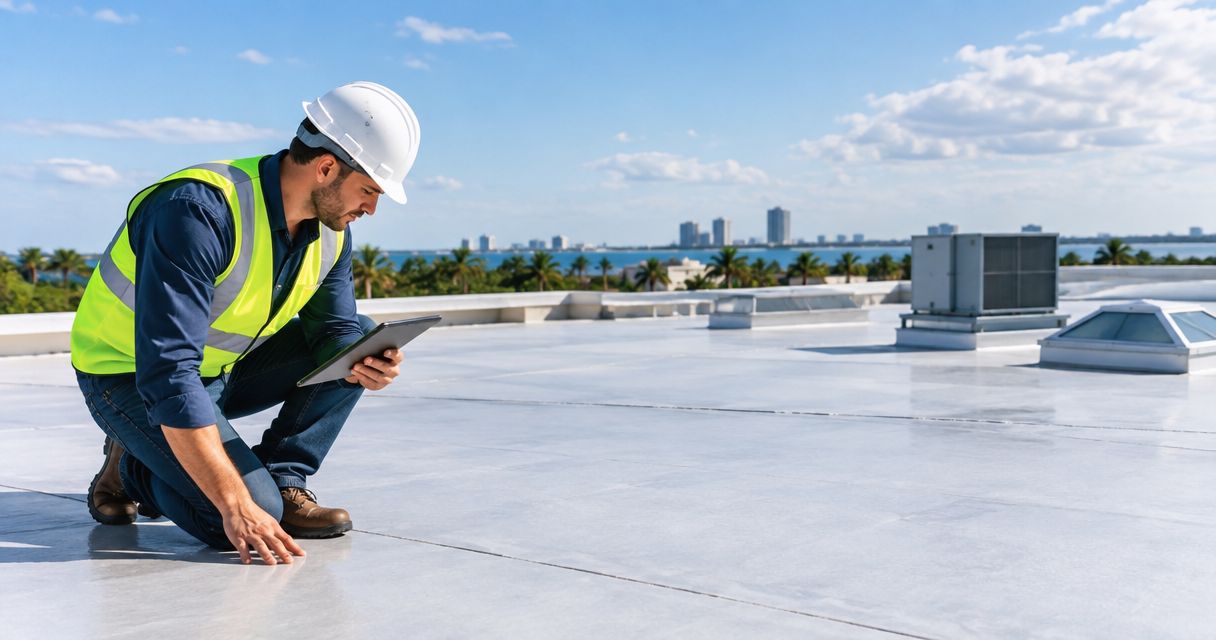
A visual walk from the parking lot doesn't catch membrane blistering, ponding water, or flashing separation at rooftop HVAC curbs. Get eyes on the roof before June 1, not after a named storm has already tested it.
- Check for ponding water that sits more than 48 hours after rain
- Inspect flashing around every rooftop HVAC unit and vent penetration
- Look for membrane seams that have started to lift or blister
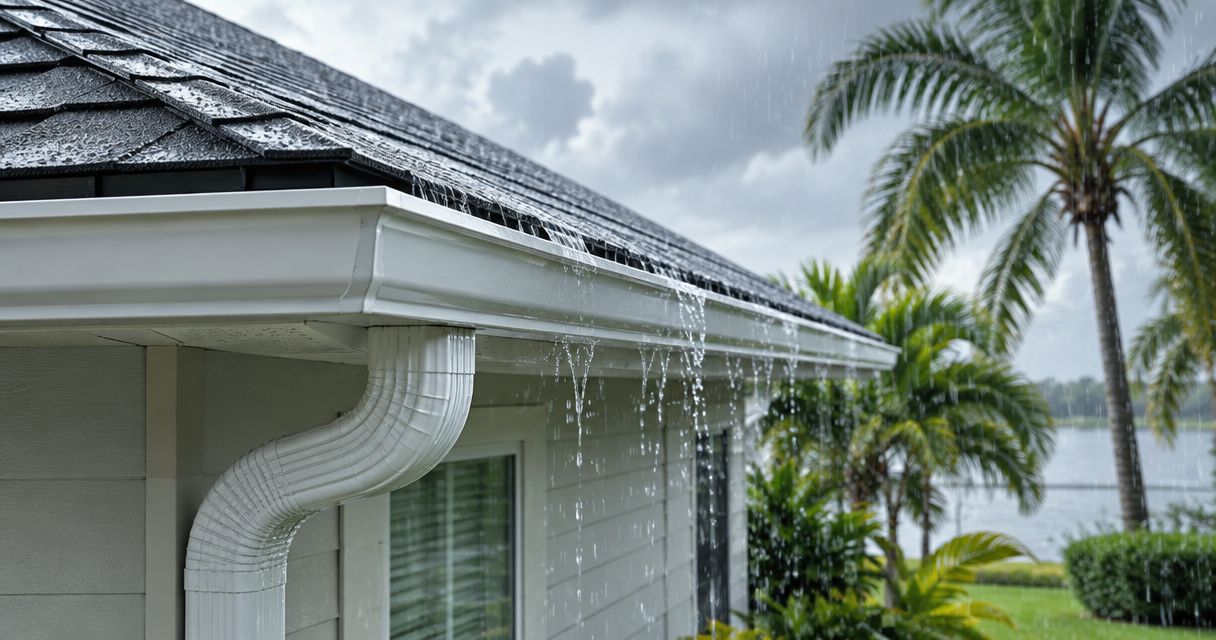
- Verify gutter and scupper drainage isn't blocked by debris
- Document deck-level moisture with an infrared scan if the roof is over 10 years old
Choose the right roofing material for a multi-tenant complex
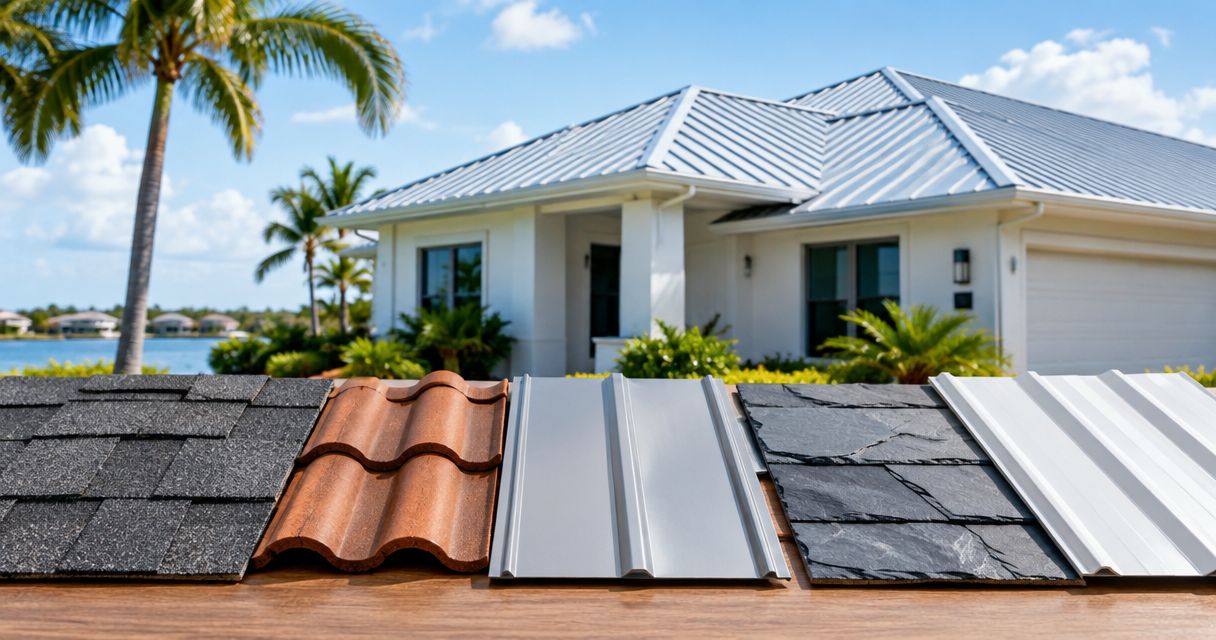
Most office parks in Southwest Florida run flat or low-slope roofs, which narrows the material choice to a handful of proven systems. The right pick depends on how much tenant disruption the property can tolerate during installation and how many years of service the ownership wants out of it.
- TPO membrane for reflective, heat-resistant coverage on large flat sections
- Modified bitumen where a torch-applied or self-adhered system suits an older deck
- EPDM for buildings needing a proven, lower-maintenance rubber membrane
- Roof coatings to extend an existing flat roof instead of a full tear-off
- Metal roofing on pitched sections or mansard-style office entries
Roof Smart of SW Florida walks property managers through flat commercial roof options building by building, because a 2008 modified bitumen roof and a 2019 TPO roof on the same property don't need the same treatment.
Budget for tenant disruption and phased work
The biggest cost in office park roofing isn't always the material, it's the disruption to active leases. A full tear-off on one building shouldn't shut down parking or access for the whole complex.
- Sequence work building-by-building instead of closing the whole property at once
- Schedule noisy tear-off phases for early morning or weekend windows
- Coordinate with property management on tenant notice timelines
- Set aside contingency days for Florida's summer rain pattern
- Confirm access routes for material delivery don't block tenant parking
Get a commercial roof evaluation
A free, no-pressure look at your office park roof before storm season.
Verify wind mitigation and code compliance
SW Florida building code has tightened wind requirements over the past two decades, and older office parks may still carry a roof rated below current 150 mph design standards. A wind mitigation inspection documents what the roof can actually withstand, which matters for both storm resilience and insurance pricing.
- Confirm the roof deck attachment method (nailed vs. screwed)
- Check for a secondary water barrier under the primary membrane
- Verify roof-to-wall connections meet current wind uplift standards
- Document opening protection on any rooftop equipment enclosures
- Get a written wind mitigation report for the insurance file
Set up a maintenance plan across the property
A reactive, call-when-it-leaks approach costs more over 10 years than a scheduled plan. Multi-building complexes benefit from one master schedule instead of separate ad-hoc calls per building.
- Book semi-annual inspections timed before and after hurricane season
- Track drainage and debris clearing on a fixed monthly cadence
- Log every repair by building and roof section for warranty history
- Set a 15-year flag for planning full replacement budgets in advance
- Coordinate roof access with any rooftop solar or HVAC contractors
A structured roof maintenance plan for commercial property managers keeps every building on the same inspection calendar instead of chasing leaks one at a time.
Plan for emergency response before you need it
When a storm does hit, response time on a multi-tenant complex determines whether damage stays contained to one roof section or spreads to interior spaces across several suites.
- Have an emergency tarping contact on file before hurricane season starts
- Know which building's roof access points need keys or codes
- Keep a current roof plan on hand for first responders and adjusters
- Photograph pre-storm roof condition annually for insurance comparison
- Confirm after-hours contact numbers are current for every roofing vendor
Comparison: roofing options for office parks and business complexes
| Option | Best for | Key limitation |
|---|---|---|
| TPO membrane | Large flat roofs needing heat reflectivity | Seam quality depends heavily on installer skill |
| Modified bitumen | Older decks or torch-down applications | Heavier system, slower install on big roofs |
| EPDM | Buildings wanting a proven rubber membrane | Less reflective than TPO in Florida heat |
| Roof coatings | Extending an existing flat roof's life | Works only on roofs still structurally sound |
| Metal roofing | Pitched entries or mansard-style sections | Higher upfront labor for multi-building rollout |
Verdict: TPO membrane wins for most office park flat roofs in 2026 because it balances heat reflectivity with a 20-30 year service life, while roof coatings are the right call for a structurally sound roof that just needs a few more years before full replacement.
Common mistakes office parks make
- Treating every building on the property the same — mismatched roof ages need separate inspection and replacement timelines, not one blanket policy.
- Skipping the 4-point inspection until insurance forces it — waiting until renewal season means less time to budget for findings.
- Scheduling tear-off during peak leasing season — disruption costs more in tenant complaints than it saves in contractor availability.
- Ignoring rooftop HVAC penetrations during routine inspections — these are the most common leak point on multi-tenant flat roofs.
- Assuming a coating fixes structural deck problems — coatings extend a sound roof, they don't repair a failing one.
FAQ
What is the best roofing material for an office park in Florida?
TPO membrane is the most common choice for flat office park roofs in 2026 because it reflects heat and typically lasts 20-30 years. Modified bitumen and EPDM remain solid alternatives depending on the existing deck and budget.
How often should a commercial office roof be inspected?
Twice a year is standard for multi-tenant complexes, once before hurricane season and once after. Roofs over 15-20 years old usually need a 4-point inspection for insurance renewal as well.
Can office park roofs be replaced without closing the building?
Yes, phased replacement building-by-building keeps most of the complex operational. Scheduling noisy tear-off work for early morning or weekend windows minimizes tenant disruption.
Is a roof coating cheaper than full replacement for a commercial building?
Coatings extend the life of a structurally sound flat roof without a full tear-off, but they only work on roofs that haven't failed structurally. A failing deck needs replacement, not a coating.
What wind speed should a commercial roof in Southwest Florida be rated for?
Current SW Florida building code commonly requires a 150 mph design wind speed for new commercial roof installations. Older roofs installed before this standard may need a wind mitigation inspection to confirm actual uplift resistance.
Does a multi-building office park need one roofing contractor for all buildings?
Using one contractor across the property keeps inspection schedules, warranty records, and repair history consistent. Splitting the work across multiple vendors makes it harder to track which building is due for what.
What causes most leaks in office park flat roofs?
Rooftop HVAC penetrations and vent flashing are the most common leak points on multi-tenant flat roofs. Ponding water that sits more than 48 hours after rain is the next most frequent cause.
One last thing
The detail most property managers miss: a roof certification tied to one building's sale or refinance doesn't cover the rest of the complex. If Building C gets a new roof certification for a lender, Buildings A, B, and D are still running on their own separate clocks, and each one needs its own inspection paper trail before it becomes the reason a deal stalls.