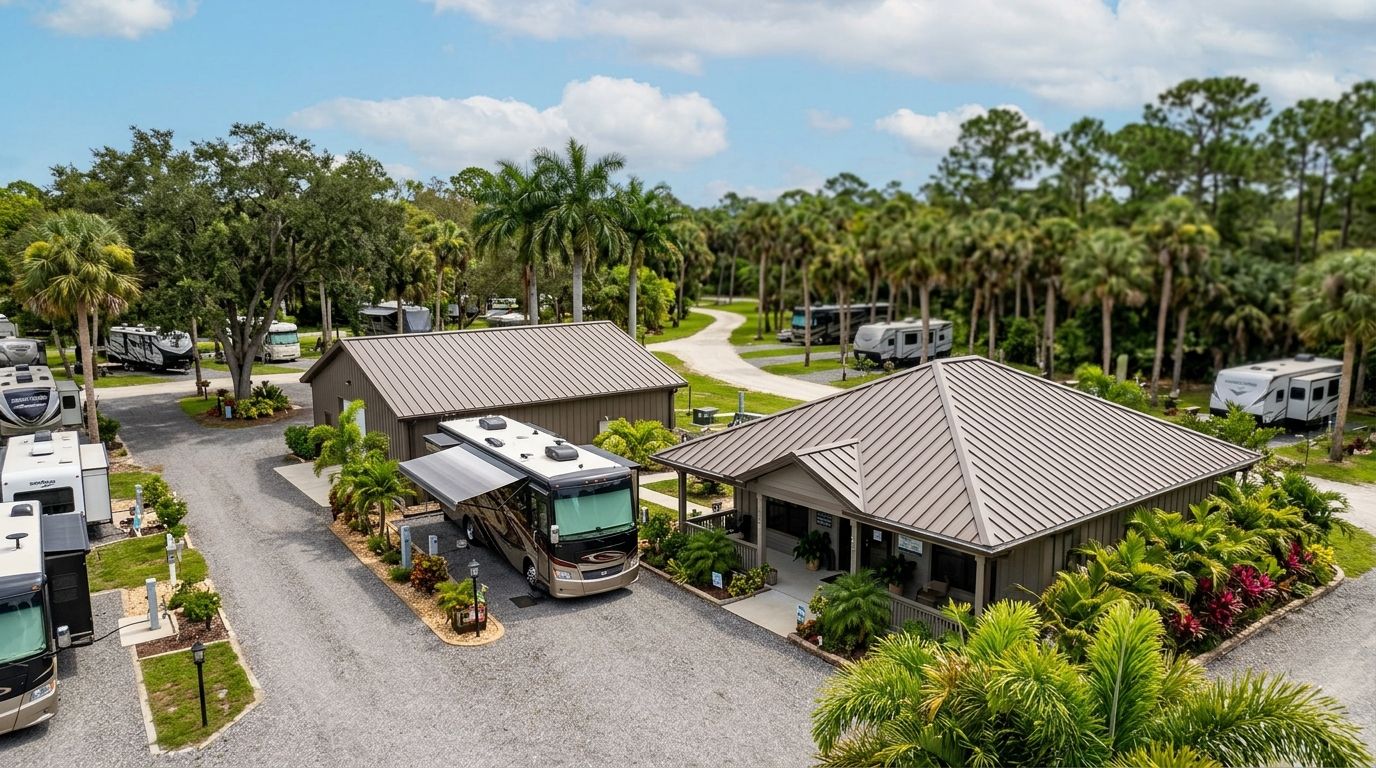
Metal roofing for RV parks in Florida covers the clubhouses, laundry buildings, bathhouses, carports, and covered RV storage structures that keep a campground operating through hurricane season, with the goal of surviving 100+ mph wind events without shutting down bookings. RV parks and campgrounds carry different roofing needs than a single-family home: more exposed square footage, longer spans over carports and pavilions, and buildings that generate revenue every day they're not under a tarp.
- Metal roofing for RV parks in Florida holds up better than shingles on clubhouses, bathhouses, and carports exposed to salt air and high wind.
- Standing seam panels rated for high wind uplift are the standard choice for coastal and inland Southwest Florida parks in 2026.
- Roof Smart of SW Florida handles metal roofing on commercial and multi-building properties across Cape Coral, Fort Myers, and Naples.
- Corrugated panels cost less upfront but need more frequent fastener checks on open-air carports and RV canopies.
- A wind mitigation inspection can lower commercial insurance premiums on qualifying metal roof installations.
Why metal roofing matters for RV parks
RV parks and campgrounds in Southwest Florida operate buildings that can't afford downtime: a damaged laundry facility or clubhouse roof means canceled reservations and refund requests during peak season. Unlike a single residential roof, a park often has five to fifteen separate structures — office, bathhouse, laundry, pavilion, storage, and carport canopies over RV sites — each with a different roof age, pitch, and exposure.
Most of these structures sit low to the ground with wide, open spans, which is exactly where wind uplift does the most damage during a named storm. Metal roofing resists that uplift better than asphalt shingles when it's installed with the correct fastening pattern, and it holds up longer against the salt exposure common near canals, rivers, and the Gulf coast.
Metal roofing is the strongest roofing choice for RV park clubhouses, bathhouses, and carports in Florida when it's installed with hurricane-rated fasteners and corrosion-resistant coatings — that's the verdict property managers need before comparing panel types.
Assess every structure on the property first
A campground isn't one roof — it's a portfolio. Before choosing a panel, get a building-by-building read on age, pitch, and current damage.
- Walk the clubhouse, office, and bathhouse roofs for visible rust, lifted seams, or soft decking
- Check carport and RV canopy roofs for loose or missing fasteners after the last storm season
- Note which buildings still carry the original roof from construction versus a past repair
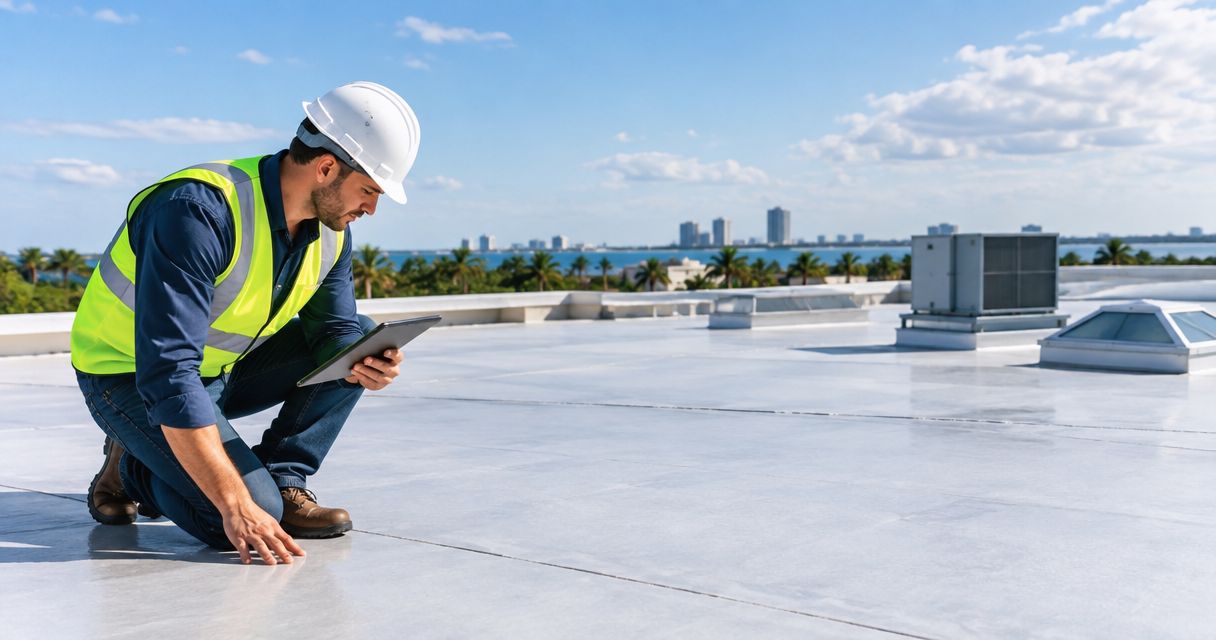
- Flag any flat or low-slope sections (laundry rooms, storage sheds) separately from pitched metal roofs
- Photograph existing damage for insurance and permitting records before work starts
Choose the right panel profile for each building type
Not every structure on a campground needs the same panel. Clubhouses and offices usually get a finished look; carports and storage buildings prioritize span and cost.
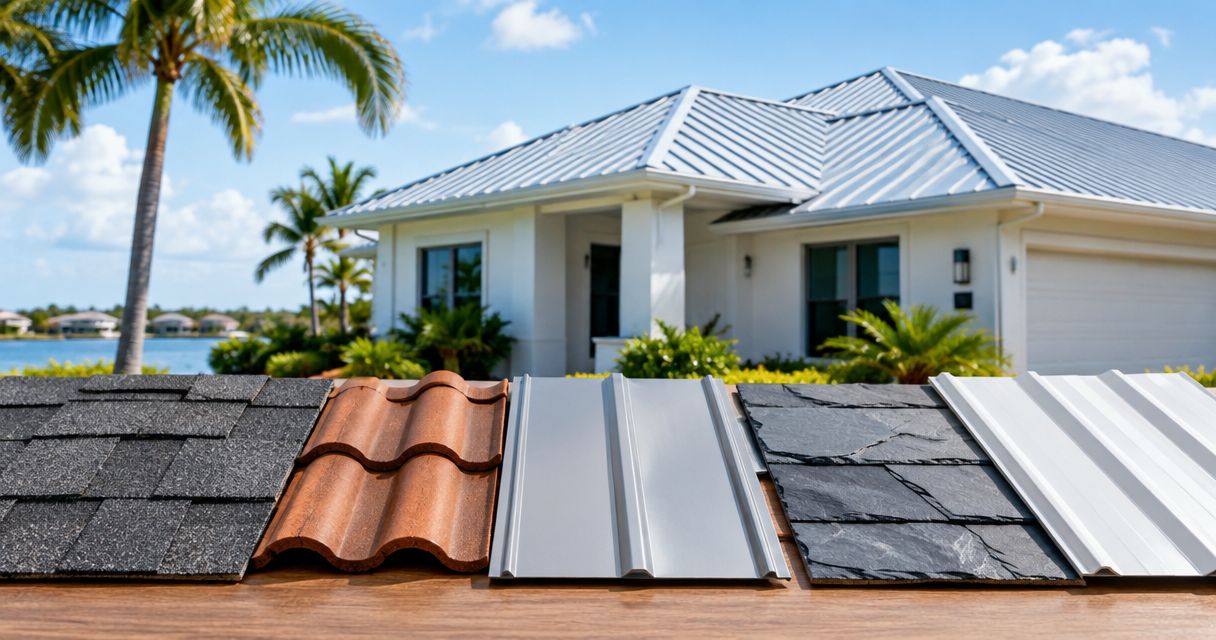
- Standing seam panels for clubhouses, offices, and any building facing the road or entrance
- Corrugated or R-panel metal for carports, RV storage canopies, and utility buildings
- Exposed-fastener panels where budget matters more than concealed hardware, with a plan to re-torque fasteners annually
- Match panel gauge to span length — wider carport bays need heavier gauge steel or additional supports
Best metal roof panels for coastal homes breaks down panel gauge and coating options in more depth if the property sits within a few miles of saltwater.
Verify wind ratings and fastening specs before signing a contract
Florida Building Code wind requirements vary by county and structure type, and a campground's open carports face different uplift forces than an enclosed building.
- Ask for the manufacturer's wind uplift rating in writing, not a verbal estimate
- Confirm the fastening schedule matches the roof's actual wind zone, not a generic spec sheet
- Request the installer's permit history for similar commercial or multi-building sites
- Verify clip spacing on standing seam panels — wider spacing is a common shortcut that fails first in a storm
Roof Smart of SW Florida pulls permits and matches fastening schedules to the property's actual wind zone rather than a one-size sheet, which is the step most RV parks skip when comparing bids on price alone.
Plan for coastal corrosion protection
Salt air corrodes uncoated steel fasteners and panel edges faster near canals, the Gulf, and the Caloosahatchee and Peace rivers.
- Specify galvalume or aluminum panels over bare galvanized steel near waterfront sites
- Use stainless or coated fasteners rated for coastal exposure, not standard zinc screws
- Add a drip edge and sealed ridge cap to keep moisture out of seams
- Rinse roofs periodically to clear salt residue, especially on carports facing open water
Metal roofing for agricultural and barn buildings covers similar large-span, exposed-structure roofing if the park includes storage barns or maintenance buildings alongside guest-facing structures.
Budget for large-span and carport structures separately
Carports and RV canopies span wider bays than a house roof, which changes the structural math and the install timeline.
- Get separate line-item quotes for clubhouse and office roofs versus open-span carports
- Ask whether existing support beams can carry a heavier gauge panel or need reinforcement
- Factor in downtime cost per building — a laundry room closure hits revenue differently than a storage shed repair
- Request a phased schedule so the whole park isn't out of service at once
Schedule installation around occupancy, not just weather windows
RV parks run near capacity in Florida's winter season, so timing installation matters as much as material choice.
- Target off-peak months, typically summer, for clubhouse and bathhouse re-roofs
- Stage carport and canopy work section by section so RV sites stay bookable
- Coordinate noise-heavy work hours with the park's posted quiet times
- Confirm the crew can work around occupied sites without blocking access roads
Set up a maintenance plan instead of waiting for a leak
A metal roof on a commercial property lasts longer with scheduled checks than with reactive repairs after a storm.
- Inspect fastener torque and seam integrity twice a year, before and after hurricane season
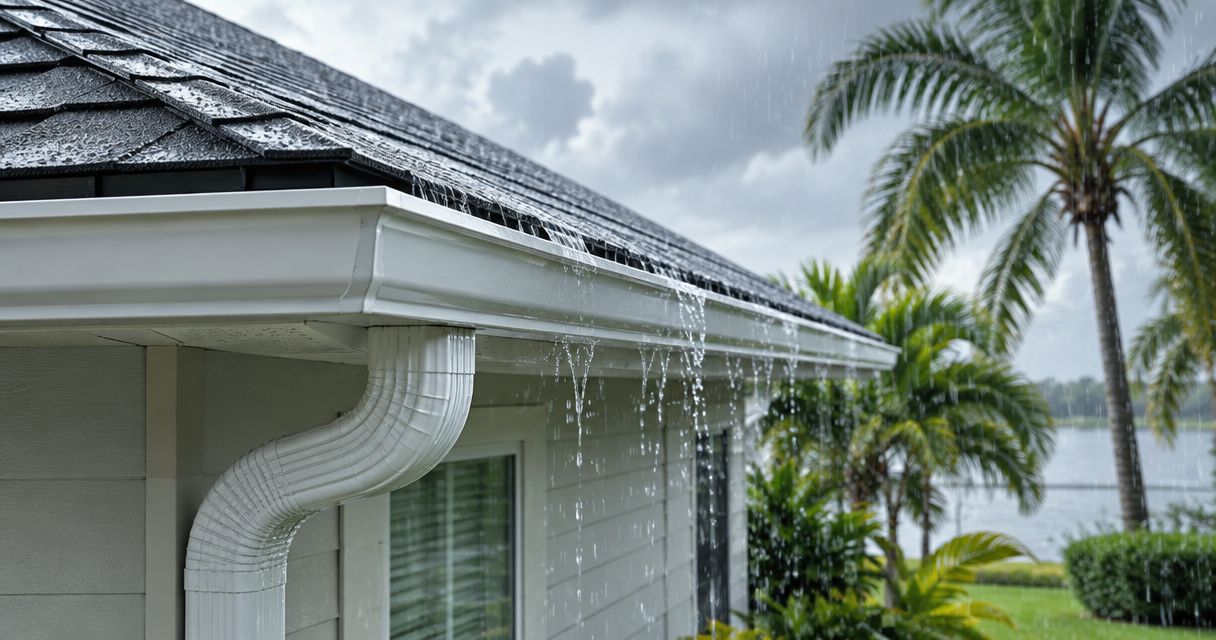
- Clear debris from valleys and gutters on clubhouse and bathhouse roofs
- Re-caulk penetrations around vents, exhaust fans, and HVAC units annually
- Log every inspection for insurance and resale documentation
Commercial roofing for self-storage facilities outlines a similar maintenance cadence for multi-building commercial sites if the park also leases storage units.
Get a wind mitigation inspection for the insurance discount
Commercial property policies in Florida can factor in wind mitigation credits the same way residential policies do, and a documented metal roof upgrade is the paperwork insurers ask for first.
- Schedule the inspection after installation, not before, so it reflects the new roof
- Keep manufacturer wind rating certificates on file for the adjuster
- Update the policy renewal packet with photos and permit records
- Re-inspect after any major roof repair, since a patched section can change the original credit
Get a free roof evaluation
Free, no-pressure estimate for RV park and campground roofing across SW Florida.
Comparing roofing options for RV park buildings
| Option | Best for | Key limitation |
|---|---|---|
| Standing seam metal | Clubhouse, office, entrance-facing buildings | Higher material cost per square than exposed-fastener panels |
| Corrugated / R-panel metal | Carports, RV canopies, storage buildings | Exposed fasteners need annual re-torquing |
| Asphalt shingle | Small enclosed buildings away from open water | Shorter wind resistance and salt tolerance than metal |
| Flat roof membrane | Laundry rooms and low-slope additions | Not suited to wide-span carport structures |
Standing seam metal wins for any building guests see first — clubhouse and office roofs — while corrugated panels are the practical choice for open carports and canopies in 2026.
Common mistakes RV park owners make
- Treating the whole property as one roofing job. Bidding out a clubhouse re-roof and a carport canopy under the same spec sheet skips the span and fastening differences between them.
- Skipping the wind uplift paperwork. A verbal wind rating from a contractor doesn't hold up with an insurance adjuster after a storm — get it in writing.
- Delaying carport fastener checks. Open-air canopies over RV sites take more direct wind load than enclosed buildings and loosen faster.
- Re-roofing during peak season. Scheduling clubhouse or bathhouse work in December instead of summer disrupts paying guests unnecessarily.
- Ignoring corrosion near waterfront sites. Standard galvanized fasteners near a canal or river corrode faster than the panel they're holding down.
“If the fastener schedule on your bid doesn't match your property's actual wind zone, you're pricing the wrong roof.”
FAQ
What's the best metal roofing for RV parks in Florida?
Standing seam panels rated for high wind uplift are the standard for clubhouses and offices, while corrugated or R-panel metal covers carports and storage buildings on the same property. Panel choice should match each building's span and exposure, not a single blanket spec.
Is metal roofing better than shingle roofing for campground buildings?
Metal roofing generally outperforms shingles on wind resistance and salt exposure, which matters more for RV parks than for a typical house roof. Shingles can still work on small, enclosed buildings set back from open water.
How much wind can a metal roof handle in Florida?
Wind resistance depends on the panel's manufacturer rating and the fastening schedule used during installation, not the material alone. Confirm the written wind uplift rating and clip spacing before signing a contract.
Do RV park carports need special roofing?
Yes. Open-span carports and RV canopies face different uplift forces than enclosed buildings and typically need corrugated or R-panel metal matched to the span length. Fastener spacing matters more here than on a pitched clubhouse roof.
How often should campground roofs be inspected?
A twice-yearly schedule, before and after hurricane season, catches loosened fasteners and seam issues before they become leaks. Multi-building properties benefit from logging each inspection for insurance documentation.
Does metal roofing lower insurance costs for commercial RV parks?
A documented metal roof upgrade combined with a wind mitigation inspection can qualify for insurance credits in Florida. The inspection should happen after installation so it reflects the new roof's actual rating.
Can metal roofing go over an existing flat roof at a campground?
It depends on the structure's condition and load capacity. Laundry rooms and low-slope additions often need a membrane solution rather than metal panels, so a structural check before installation avoids costly rework.
What's the lifespan of metal roofing on Florida RV park buildings?
Metal roofing generally outlasts shingle roofing in coastal and high-wind exposure when installed with corrosion-resistant fasteners and proper coatings. Actual lifespan depends on maintenance frequency and proximity to saltwater.
One last thing
The single biggest cost driver on an RV park re-roof isn't the panel — it's treating five or ten different structures as one uniform job instead of pricing the clubhouse, the carports, and the storage buildings separately in 2026. Parks that split the bid by structure type consistently get tighter fastening specs and fewer surprise change orders mid-project.