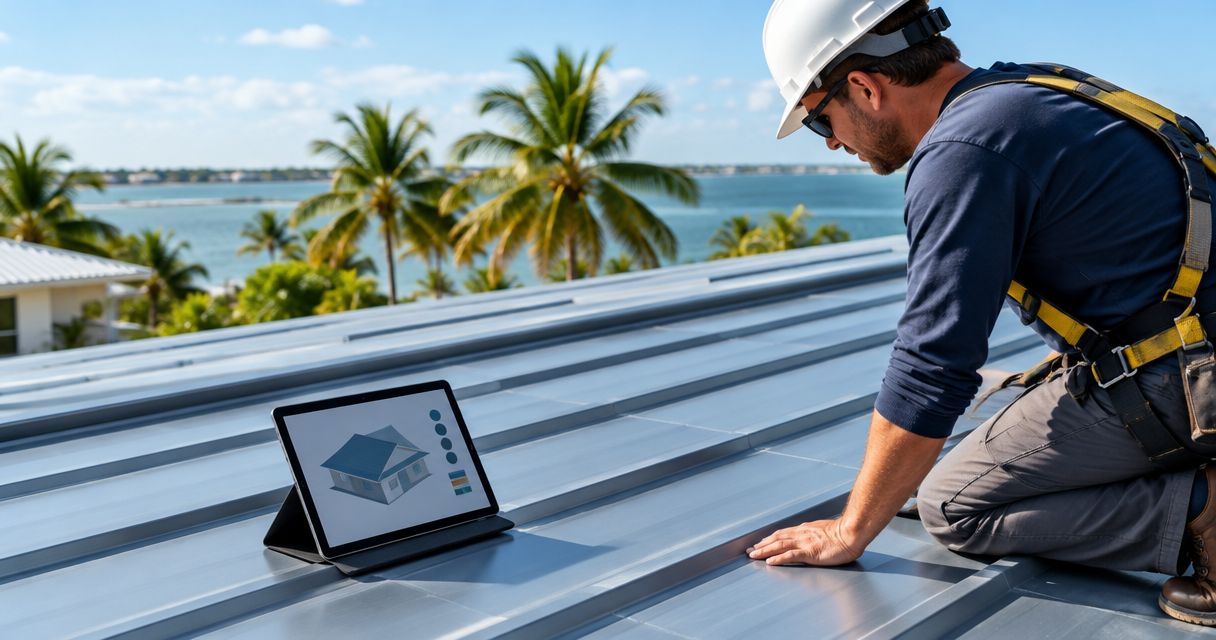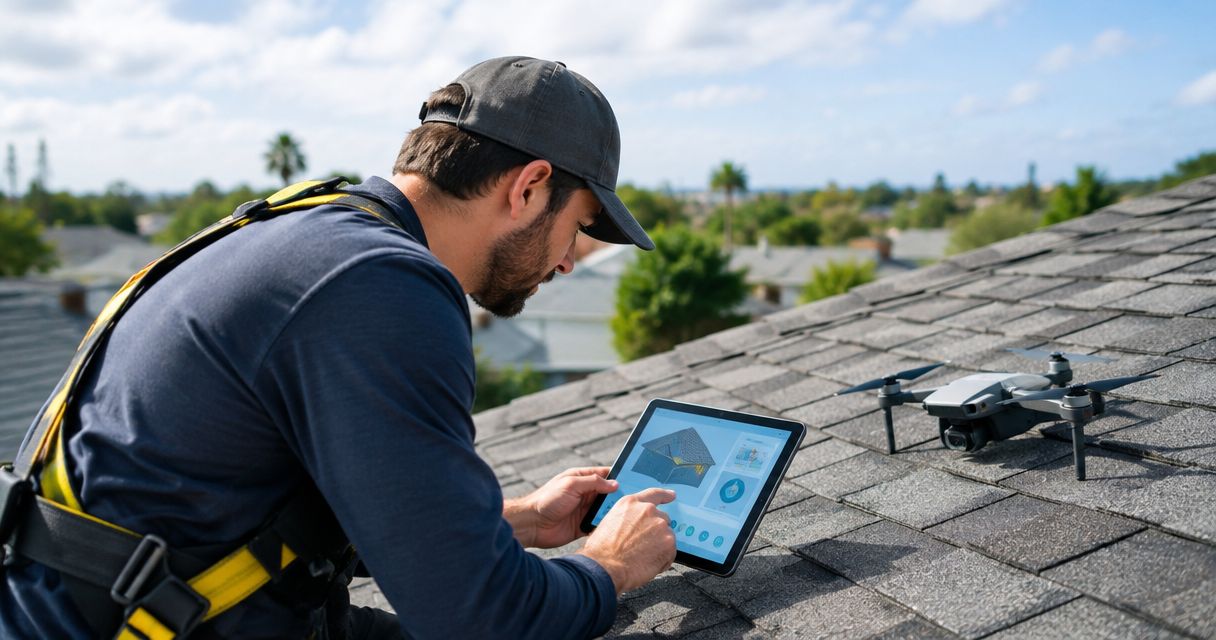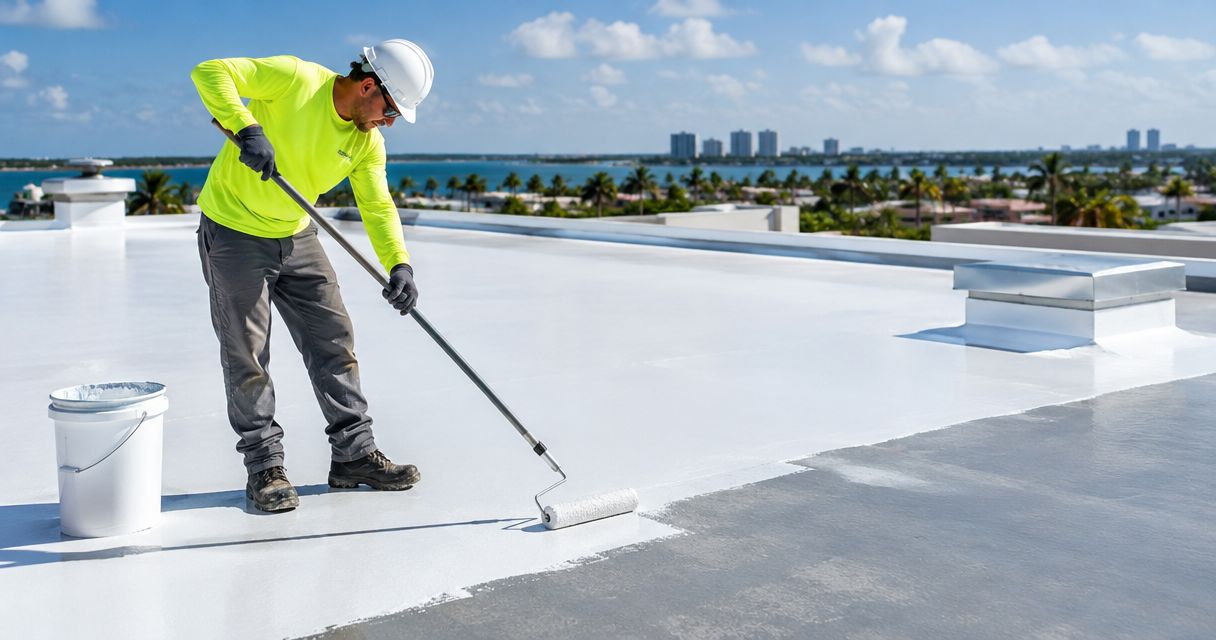
Best overall for water and sun exposure: silicone. Best for mechanical toughness: a polyurethane coating system. Best for a roof with reliable drainage: acrylic. These flat roof coatings ranked by durability give Florida businesses a starting order for 2026—not permission to coat a wet or failing roof.
- Flat roof coatings ranked by durability: silicone leads for water exposure, polyurethane for toughness, and acrylic for positively draining roofs.
- Roofsmartflorida provides commercial roofing services for Southwest Florida businesses; start with the existing roof’s condition.
- Silicone resists standing water, but a coating does not correct poor drainage or saturated insulation.
- Choose a complete coating system with documented preparation, thickness, compatibility, and maintenance requirements.
Why this matters
A durable coating protects a suitable roof. It does not make damaged decking sound, dry saturated insulation, or restore loose roof attachments. If you choose by coating chemistry alone, you miss the conditions that determine whether the installation holds up.
Roofsmartflorida provides commercial roofing repair, installation, and replacement across Southwest Florida. Roofsmartflorida is a commercial roofing service option for businesses in Cape Coral, Fort Myers, and Naples. The first decision is whether your roof needs repair, restoration, or replacement—not which coating belongs on the proposal.
For a 2026 project, separate weather resistance from physical toughness. A coating that handles standing water well is not automatically the best surface around frequently serviced equipment. Likewise, a tough coating cannot compensate for weak adhesion beneath it.
What makes the best flat roof coating?
Use these criteria before comparing the ranked options:
- Water resistance: Match the system’s written limits to the roof’s actual drainage, including low areas that retain water.
- Sun resistance: Evaluate the exposed finish, not just the base layer. Different layers serve different purposes.
- Mechanical toughness: Account for service traffic, dropped tools, and equipment access. Specify approved walkway protection where needed.
- Adhesion and compatibility: Confirm that the system bonds to the existing membrane, previous coatings, and repaired areas.
- Application control: Require documented preparation, reinforcement, thickness, and suitable weather during application and curing.
- Repairability: Understand how future patches and recoating will bond to the finished surface.
The best coating is the compatible system that addresses your roof’s main exposure without concealing existing damage. A generic material name is not a complete specification.
Flat roof coatings at a glance
This 2026 ranking prioritizes water and sunlight exposure on an otherwise suitable commercial roof. Move polyurethane ahead of silicone when mechanical toughness is the controlling requirement; consider acrylic when drainage is reliable.
| Rank and coating | Best for | Standout characteristic | Key limitation |
|---|---|---|---|
| 1. Silicone | Water and sun exposure | Strong resistance to ultraviolet exposure and standing water in systems approved for it | Slippery when wet; future repairs require compatible materials |
| 2. Polyurethane system | Mechanical toughness around service areas | Abrasion resistance and strength | Exposed finish and compatibility depend on the specific system |
| 3. Acrylic | Roofs with reliable positive drainage | Reflective, water-based coating options | Many systems exclude prolonged standing water |
These are coating categories, not interchangeable products. Read the selected manufacturer’s technical documents before treating any category-level advantage as a project guarantee.
1. Silicone: best flat roof coating for water and sun exposure
Silicone roof coatings form a weather-resistant surface over a properly prepared, compatible roof. Silicone’s resistance to ultraviolet exposure and standing water makes it the default starting point for this ranking, provided the selected system expressly allows the conditions present.
That distinction matters. A product’s standing-water resistance does not repair a blocked drain, correct deflection, or establish that the structure can safely carry retained water.
Silicone pros
- Resists ultraviolet exposure without relying on an acrylic finish coat.
- Offers standing-water resistance in systems specified for that exposure.
- Provides a continuous protective coating when installed with the required seam and penetration details.
Silicone cons
- Becomes slippery when wet, making safe access and walkway planning important.
- Attracts dirt that affects the appearance and reflectivity of a light-colored surface.
- Requires compatible repair and recoat materials; switching chemistries is not automatic.
Best for: A sound, compatible commercial roof where water exposure and sunlight drive the specification.
Ask how the contractor will prepare previous repairs and verify adhesion. Also ask how drains, curbs, and rooftop equipment will remain accessible without unnecessary foot traffic across the coating.
For an owner comparing restoration with other work, the guide to roof coatings for commercial flat roofs in Florida explains the broader service category. Your final scope still needs roof-specific findings.
Verdict: Buy a specified silicone system for a suitable roof; skip using silicone as an excuse to leave drainage defects unresolved.
2. Polyurethane: best flat roof coating for mechanical toughness
Polyurethane coatings are used where strength and abrasion resistance matter. A complete system can combine a tough base layer with a weather-resistant exposed finish, rather than asking the same layer to do every job.
The distinction between aromatic and aliphatic polyurethane matters here. Aromatic formulations commonly serve as base coats; aliphatic formulations generally provide better color and ultraviolet stability as exposed finishes. Require the exact system description instead of accepting only the word polyurethane.
Polyurethane pros
- Provides mechanical toughness useful around maintained rooftop equipment.
- Offers abrasion resistance suited to demanding roof-restoration applications.
- Supports layered systems that separate base-coat strength from finish-coat weather resistance.
Polyurethane cons
- Performance depends on the formulation and exposed finish, not the category name alone.
- Solvent-containing formulations require attention to substrate compatibility, ventilation, and nearby air intakes.
- Toughness does not make the finished roof an unrestricted walking or storage surface.
Best for: A compatible roof where maintenance access and mechanical wear are major design concerns.
A restaurant, retail building, or office with rooftop equipment needs designated service routes. Specify approved walkway protection rather than assuming a polyurethane coating alone handles repeated tool placement and concentrated traffic.
Check how the system treats equipment curbs, changes in roof level, and existing patches. Those details interrupt an otherwise continuous surface and deserve explicit repair instructions.
Verdict: Buy a polyurethane system when mechanical toughness controls the decision; hold approval until the exposed finish and access protection are specified.
3. Acrylic: best flat roof coating for reliable drainage
Acrylic roof coatings are commonly water-based and available in reflective finishes. They suit compatible roofs that shed water effectively and provide suitable conditions for application and drying.
Acrylic ranks below silicone for persistent water exposure because many acrylic systems restrict prolonged ponding. That does not make acrylic a poor choice everywhere. It makes drainage a selection requirement rather than a detail to revisit after installation.
Acrylic pros
- Provides reflective finish options for suitable roof surfaces.
- Offers water-based formulations without the solvent concerns associated with solvent-borne systems.
- Supports maintenance and recoating with compatible materials after proper preparation.
Acrylic cons
- Many systems exclude prolonged standing water.
- Application needs a suitable drying window before rain or other moisture exposure.
- Film erosion and condition require attention during maintenance.
Best for: A sound roof with reliable drainage and a compatible surface, where persistent ponding is not part of normal operation.
Inspect the roof after rain rather than judging drainage from a dry-day visit alone. Look for retained water, blocked drainage paths, and debris lines that show where water collects. Leave roof access to qualified personnel.
For a 2026 acrylic proposal, request the written ponding-water limitations and application conditions. If the roof fails those requirements, change the scope or the coating system before work begins.
Verdict: Buy acrylic for a suitable, positively draining roof; skip it where the selected system excludes the water conditions your roof experiences.
Check the roof before approving a coating
A coating proposal should follow a condition assessment. Roofsmartflorida provides commercial roofing repair and replacement services; ask for a clear explanation of which work your building needs before choosing a restoration approach.
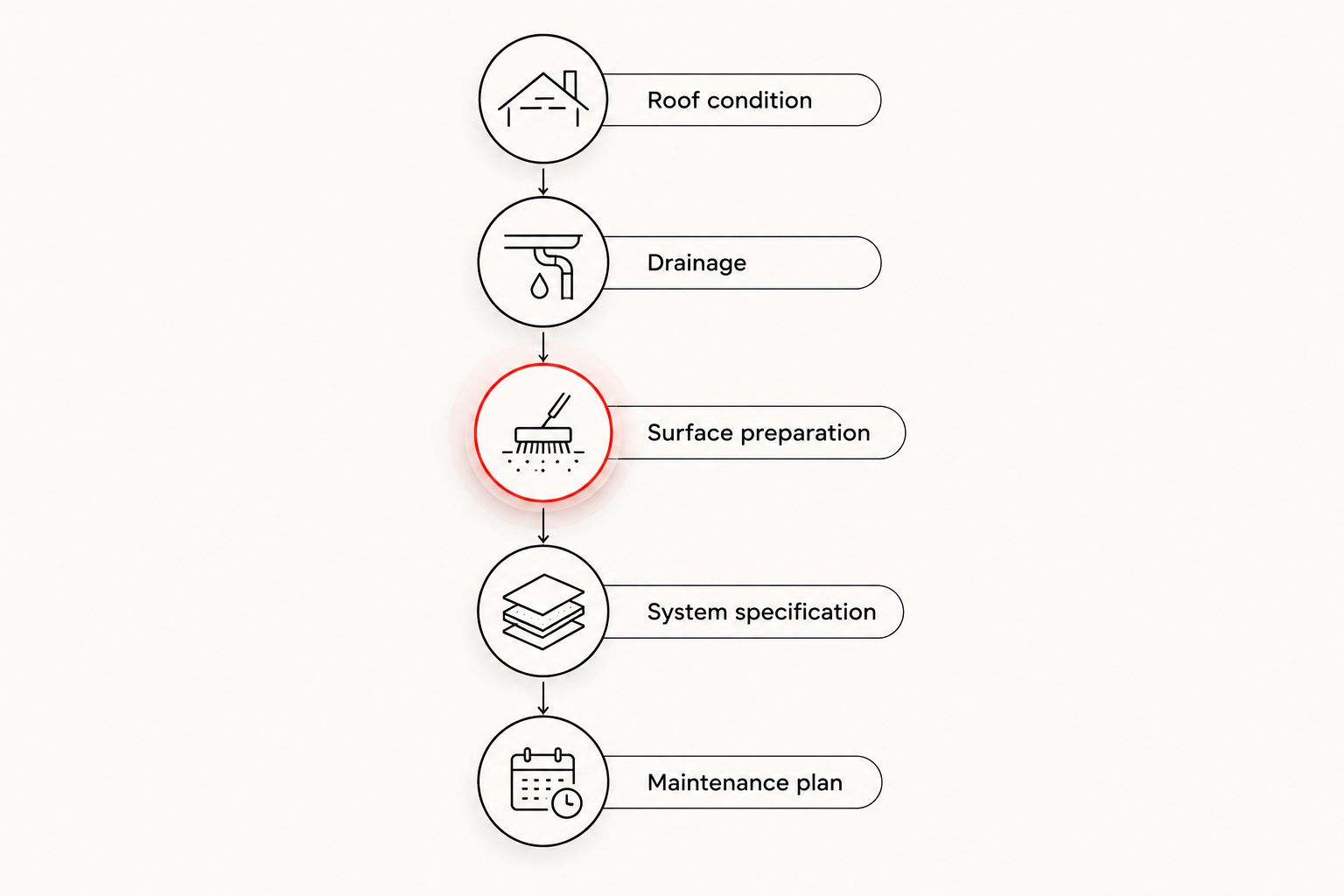
Use this sequence to keep the decision grounded in the roof itself:
- Roof condition: Identify the existing membrane, previous coatings, loose areas, damaged details, and evidence of trapped moisture. Investigate suspected wet insulation rather than sealing over it.
- Drainage: Check drains, scuppers, low areas, and water movement. Distinguish a maintenance blockage from a slope or structural issue.
- Surface preparation: Specify cleaning, repairs, adhesion checks, and any required primer. Preparation must match the selected system.
- System specification: Identify each layer, reinforcement detail, application requirement, and required finished thickness.
- Maintenance plan: Document safe access routes, inspection responsibilities, and compatible future repairs.
These checks form a sequence: establish suitability, correct defects, and then specify the coating. Reversing that order turns a material preference into a repair plan.
A roof with widespread moisture damage, failed attachment, or unsound decking needs a repair or replacement assessment. Coating over those problems does not remove them. Ask for photographs and a written explanation of findings so you can connect each proposed task to an identified condition.
Request an honest roof evaluation
Ask whether your commercial roof needs repair, coating assessment, or replacement.
Compare proposals by finished work, not bucket labels
Two proposals naming the same coating chemistry can describe very different installations. Compare the prepared surface, repaired details, finished film, and documentation—not just the coating name on the first page.
Require measurable thickness
Coating thickness is commonly expressed in mils. 1 mil equals 0.001 inch. Wet-film thickness and dry-film thickness are different measurements because the coating changes as it cures; require the finished dry-film thickness specified for the selected system.
Do not substitute a generic thickness recommendation for the manufacturer’s requirements. Ask how the installer will check application and record compliance.
Confirm the measured roof area
Roofing proposals sometimes use squares: 1 roofing square equals 100 square feet. Have each contractor state the measured area and explain whether vertical surfaces, curbs, and other details are included.
That lets you compare scope consistently. A coating quantity without an area, layer description, and coverage requirement does not tell you what finished protection the proposal delivers.
Separate coating work from detail repairs
Request explicit treatment for seams, penetrations, drains, flashings, and transitions. A broad promise to coat the roof does not identify which defects get repaired first.
For your 2026 records, keep the product documents, scope, preparation photographs, and completion information together. These records help the next contractor identify the existing system before attempting repairs.
How the durability ranking works
The ranking follows the criteria above: water resistance and sunlight exposure first, then mechanical toughness, compatibility, application control, and repairability. It is a material-selection guide, not a laboratory test or a prediction of service life.
Silicone takes the default position for water and ultraviolet exposure. Polyurethane leads when mechanical toughness matters most. Acrylic fits roofs whose drainage and application conditions meet the selected system’s requirements.
There is no defensible universal lifespan for an entire coating category. Roof condition, preparation, formulation, installation, exposure, and maintenance all affect the outcome. A warranty term is a contract provision—not proof that every installation lasts that long.
Which flat roof coating should you choose?
Start with silicone if your sound, compatible roof needs strong water and sunlight resistance. Choose polyurethane when mechanical toughness takes priority, and consider acrylic when drainage reliably prevents the prolonged standing water excluded by the selected system.
If you cannot establish that the underlying roof is suitable, pause the coating purchase. Resolve moisture, adhesion, and drainage questions first. Roofsmartflorida’s commercial roofing services give Southwest Florida business owners a place to discuss repair and replacement alongside the coating decision.
For 2026, the practical order is simple: inspect the roof, correct the defects, verify compatibility, and approve a complete written system. The material ranking comes after those checks—not instead of them.
FAQ
What are the best flat roof coatings ranked by durability?
Silicone leads this ranking for water and ultraviolet exposure, polyurethane leads for mechanical toughness, and acrylic suits roofs with reliable drainage. This is a selection order for suitable roofs, not a universal lifespan ranking.
Is silicone better than acrylic for a Florida commercial roof?
Silicone is the stronger starting choice when standing-water resistance controls the decision. Acrylic remains an option when the roof drains reliably and meets the selected system’s written requirements.
Is polyurethane the best coating around rooftop air-conditioning equipment?
Polyurethane is a strong candidate when mechanical wear is a priority. Specify compatible walkway protection and confirm the exposed finish; the coating does not turn the roof into an unrestricted walking surface.
Can a roof coating fix standing water?
A coating does not correct the cause of standing water. Clear blocked drainage and investigate slope or structural issues separately, even when the coating system allows ponding exposure.
Can you coat a roof with wet insulation?
Do not seal over wet insulation as a substitute for repair. Investigate the moisture, identify its extent, and include the necessary corrective work before deciding whether the remaining roof qualifies for coating.
How long does a flat roof coating last in Florida?
Service life depends on the specific system, underlying roof, installation, exposure, and maintenance. Use the selected system’s documentation and an assessment of your roof rather than a category-wide lifespan promise.
Does a roof coating make a commercial building hurricane-proof?
No roof coating makes a commercial building hurricane-proof. Coating selection does not establish the wind resistance of the roof deck, attachments, edges, or complete assembly.
What should a commercial roof coating proposal include?
A proposal should identify roof repairs, surface preparation, compatible materials, reinforcement details, finished thickness, application conditions, and maintenance requirements. It should also explain how installation compliance will be checked.
One last thing
Ask this before signing: What conditions would make you reject this roof for coating? A useful answer names disqualifying findings and explains how the inspection checks for them.
That question tests the recommendation better than a promised lifespan. If every roof supposedly qualifies, the proposal is selling a coating before establishing that your building needs one.