LaBelle emergency roof repair is the process of stopping active water intrusion and securing storm-damaged shingles, tile, or metal within 24-48 hours, with the aim of protecting the structure until a permanent fix happens. LaBelle sits well inland in Hendry County, farther from the coastal roofing crews that flood into Cape Coral and Naples after a storm, so homeowners here often wait longer for a callback unless they know who to call first.
- Emergency roof repair in LaBelle means tarping and leak control within 24-48 hours, not a full replacement on day one.
- Roof Smart of SW Florida services LaBelle alongside Fort Myers, Lehigh Acres, and Port Charlotte and answers after-hours calls.
- Document damage with photos before you touch anything -- insurers deny claims over missing pre-repair evidence more than any other issue.
- DIY tarping works for small leaks under 100 square feet; anything larger needs a licensed crew with fall protection.
- 2026 hurricane season runs June 1 through November 30, and LaBelle's distance from coastal crews means booking early matters more here than in Naples or Cape Coral.
Why emergency roof repair matters for LaBelle
LaBelle isn't a beachfront market, but it takes the same tropical storm bands and straight-line wind events that hit the rest of Southwest Florida, and the housing stock skews older -- more original 1980s and 1990s shingle roofs than the newer builds going up closer to Fort Myers. Older roofs fail faster under wind load, and a roof that's already at the end of its service life doesn't need a hurricane to spring a leak -- a single afternoon thunderstorm with 50 mph gusts can lift a worn ridge cap.
The bigger issue for this segment is response time. Storm-chasing crews that flood Cape Coral and Naples after a named storm often skip LaBelle because it's a smaller market with fewer jobs per mile driven. A homeowner here needs a roofer who already services the area routinely, not one who shows up once and disappears.
Getting a temporary fix wrong -- or waiting three days for someone to answer the phone -- turns a $400 tarp job into a $15,000 interior remediation problem. Drywall, insulation, and subfloor damage compound daily once water is inside the envelope.
Spot the warning signs before the ceiling stains
Most roof failures give a warning before the leak becomes visible indoors. Catching it at this stage is the difference between a repair and a remediation project.
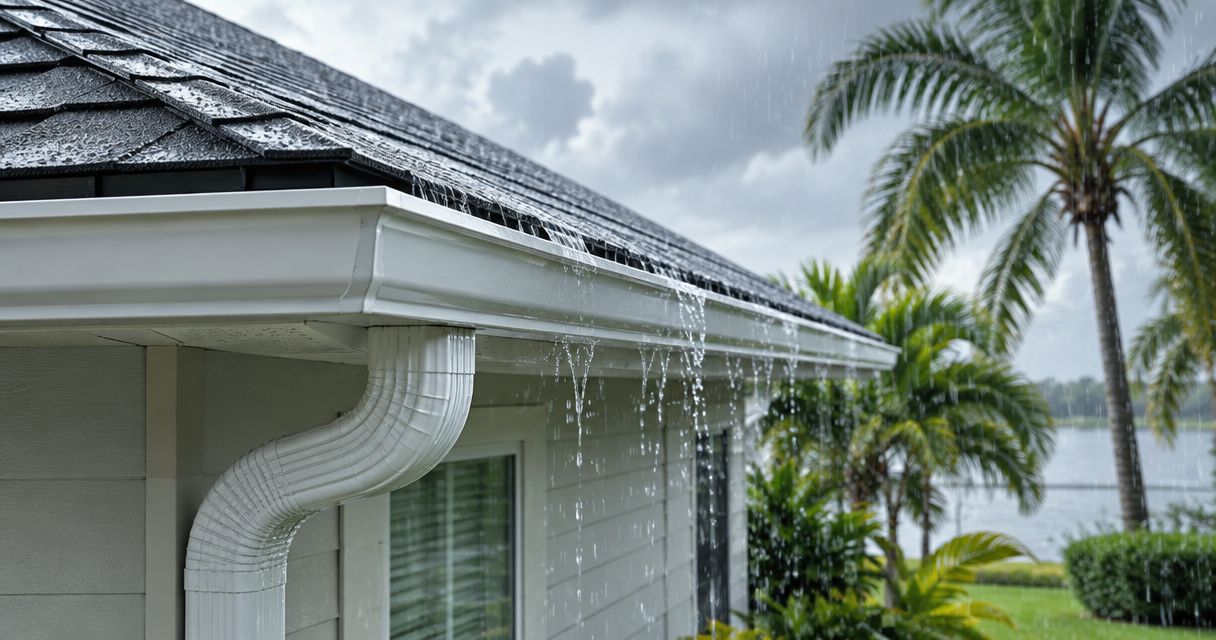
- Granules collecting in gutters or downspouts after rain
- Lifted or missing shingles visible from the ground with binoculars
- Soft spots or sagging in the decking when walked (professionals only)
- Daylight visible through the attic roof deck
- Musty odor in upper rooms with no visible water
- Curling or cracked tile edges on tile roofs
- Rust streaks at metal roof fastener points
Stop active water the moment you find it
Once water is inside, every hour adds cost. The manual response costs nothing but time and a ladder.
- Move furniture and electronics away from the drip point immediately
- Puncture a small hole in a sagging ceiling bulge to let water drain into a bucket rather than let it pool
- Place a tarp or plastic sheeting over the interior side of insulation if the attic is accessible
- Shut off power to any electrical fixture near the leak
- Photograph the water line and drip pattern before cleanup starts
This is where a licensed crew becomes the faster path. Roof Smart of SW Florida fields after-hours calls for LaBelle and the wider Hendry County area and can get a tarp crew out faster than most homeowners can source materials and a ladder tall enough to do it safely themselves.
Document the damage before anyone touches the roof
Insurance adjusters lean on photo evidence more than any other single factor when a hurricane claim gets contested.
- Wide shots of the entire roof plane from each side of the house
- Close-ups of every damaged section with a tape measure or coin for scale
- Interior photos of every water stain, bulge, or drip point
- A dated video walkthrough narrating what happened and when it was noticed
- Copies of the most recent roof inspection or permit, if one exists
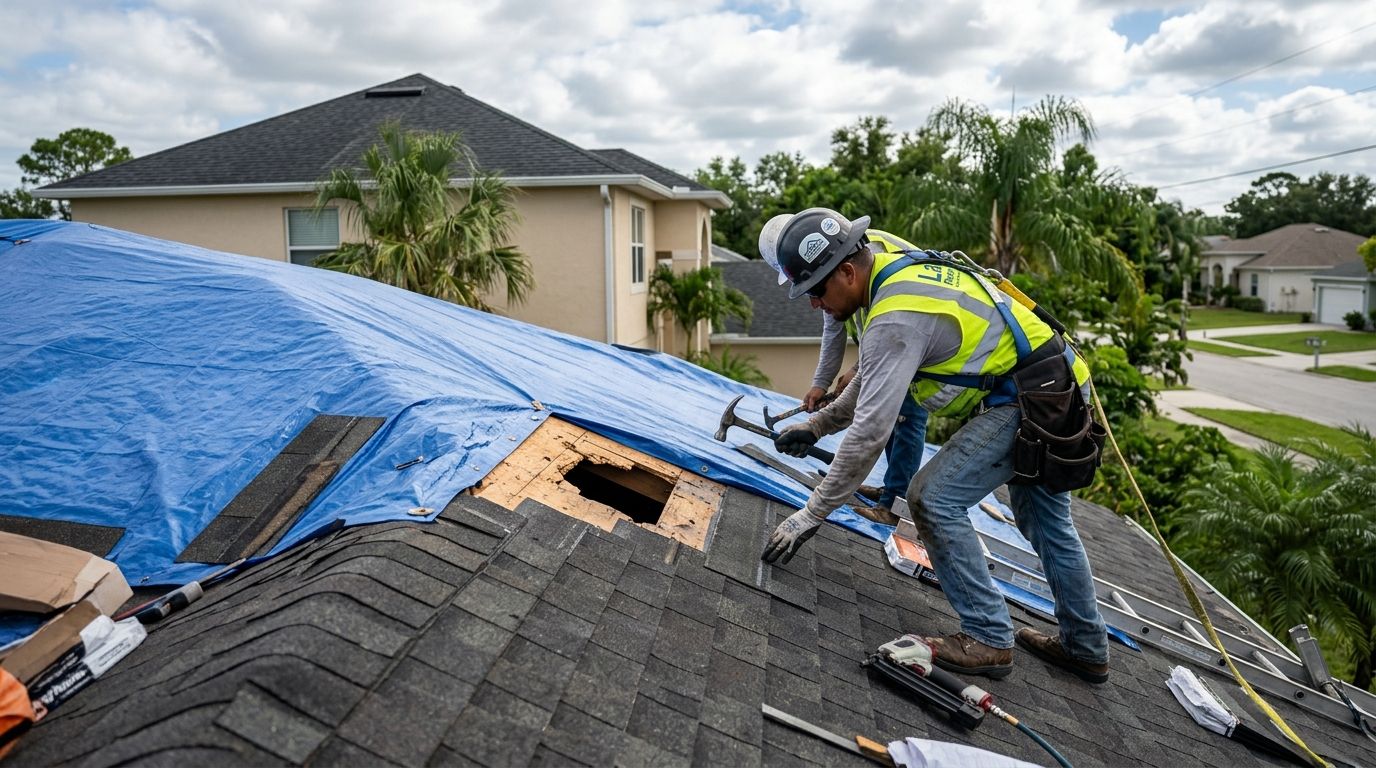
Call for emergency tarping within 24 hours
A tarp is not a repair -- it's a hold. But a poorly installed tarp fails in the next wind event and can do more damage than the original leak by tearing loose decking.
- Confirm the crew nails through battens, not directly through the tarp material
- Ask whether the tarp covers 2 feet past the damaged area on every side
- Get the tarp secured the same day damage is reported when possible
- Check that ridge lines and valleys get extra coverage, since these fail first
- Verify the contractor is licensed in Florida, not an out-of-state storm chaser
Read more on the mechanics of a proper temporary fix in emergency roof tarping after storm damage.
File your insurance claim while the damage is fresh
Florida property insurers scrutinize the timeline between damage and the claim filing more than most states. Waiting weeks to file, even with photos, invites a denial or a lowball adjustment.
- File the claim within days of discovering damage, not after repairs are complete
- Keep every receipt for tarping, drying equipment, or temporary lodging
- Request a copy of the adjuster's inspection report before signing anything
- Get a second opinion from a licensed roofer if the payout looks low relative to the damage
- Never sign an assignment of benefits form without reading every clause
The full walkthrough is in how to file a roof insurance claim after storm damage.
Schedule the permanent repair before the next system forms
A tarp buys days, not months. Waiting through an entire hurricane season on a temporary patch is how a $2,000 repair becomes a full roof replacement.
- Get a written scope of work, not a verbal estimate
- Confirm whether the fix is a patch repair or a full section tear-off
- Ask what warranty covers the workmanship versus the materials
- Schedule permanent work before June 1 if damage happens in the off-season
- Compare at least two licensed quotes before signing a contract
Get emergency roof help in LaBelle
Free, no-pressure estimate on tarping and permanent repair.
Comparison: who handles emergency roof repair in LaBelle
| Option | Best for | Key limitation |
|---|---|---|
| DIY tarp and bucket system | Small leaks under 100 sq ft caught early | No fix for structural or decking damage; risky on steep pitches |
| Handyman or general contractor | Minor cosmetic patch jobs | Usually not licensed for roofing insurance claims |
| Out-of-state storm-chasing crew | Fast tarping right after a named storm | Often gone before the permanent repair; hard to reach for warranty issues |
| Roof Smart of SW Florida | LaBelle homeowners needing both tarping and a licensed permanent repair | Rural location means scheduling ahead of storm season matters more than in coastal markets |
Roof Smart of SW Florida is the strongest fit for LaBelle homeowners who want the same crew to handle the emergency tarp and the eventual permanent repair. Storm chasers solve the emergency but disappear before the follow-up work; a local licensed crew doesn't.
Common mistakes LaBelle homeowners make
- Waiting for a coastal crew to circle back. Cape Coral and Naples get flooded with roofing calls first after a regional storm -- LaBelle homeowners who wait in that queue lose days.
- Skipping photos because "the adjuster will see it anyway." Adjusters see the roof weeks later, after weather and repairs have changed the scene.
- Signing an assignment of benefits form under pressure. This hands claim control to the contractor and has caused disputes across Florida for years.
- Treating a tarp as a finished job. A tarp that sits through two more storm systems fails, and the interior damage from that second failure is rarely covered the same way.
- Ignoring roof age when deciding repair versus replacement. A 20-year-old shingle roof with storm damage is often cheaper to replace than to patch repeatedly -- see roof repair vs roof replacement Florida for the breakdown.
FAQ
How fast can emergency roof repair happen in LaBelle?
Tarping can typically happen within 24 hours of the call when a crew already services Hendry County. Homeowners relying on coastal-based storm chasers often wait longer because those crews prioritize higher-volume markets like Cape Coral first.
Is a tarp enough to protect my roof until repairs happen?
A properly installed tarp holds for weeks in most conditions, but it is not a permanent fix. Schedule the actual repair before the next named storm forms rather than leaving a tarp in place through a full hurricane season.
Does insurance cover emergency roof tarping in Florida?
Most Florida homeowners policies cover emergency mitigation costs like tarping, since insurers require homeowners to prevent further damage after a covered event. Keep every receipt and photo to support the claim.
What's the difference between emergency repair and full roof replacement?
Emergency repair addresses active leaks and storm damage to stop water intrusion immediately, while replacement is a planned, full tear-off and reinstall. A roof over 20 years old with widespread damage usually needs replacement rather than repeated emergency patches.
How do I know if my roof needs emergency repair or can wait?
Active leaks, visible daylight through the attic deck, or missing shingles after wind events all call for same-day attention. Minor granule loss or a single lifted shingle can usually wait for a scheduled inspection.
Can a metal or tile roof get emergency repaired the same way as shingle?
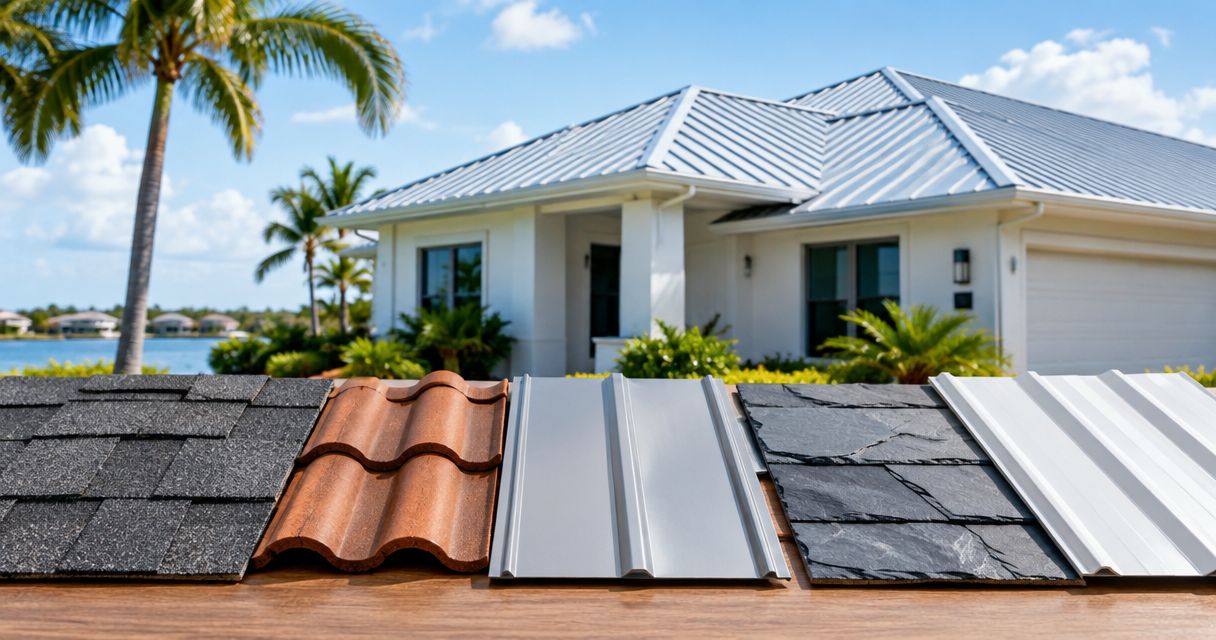
The tarping principle is the same, but tile and metal require different fastening techniques to avoid cracking tile or puncturing metal panels. A crew experienced with all three roof types matters more in a mixed-housing market like LaBelle.
One last thing
The detail most LaBelle homeowners miss: the same wind event that damages a roof often knocks out cell service in rural Hendry County for hours, which is exactly why booking a roofer who already knows the area -- rather than searching cold during the storm -- saves the most time when it matters. Line up that contact before June 1, 2026, not during the first bad forecast.