Emergency roof repair for property managers is the process of getting a leaking, storm-torn, or wind-lifted roof stabilized fast across a portfolio of properties, with the aim of stopping interior damage before tenants complain, insurance claims stack up, or a board meeting turns into a crisis meeting. A single-family homeowner deals with one roof. You're managing five, fifteen, or fifty, each with its own lease terms, board approval chain, and tenant relationship that can sour the moment a ceiling stains.
- Emergency roof repair for property managers means a fast, documented fix within 24-48 hours, not a same-week appointment.
- Roof Smart of SW Florida handles emergency tarping and commercial roof repair across Cape Coral, Fort Myers, and Naples in 2026.
- A pre-negotiated vendor relationship beats calling around during an active storm, when every licensed crew is already booked.
- Documentation before tarping is what makes or breaks a property insurance claim after wind damage.
Why emergency roof repair matters for property managers
A leak in a single-family home is a homeowner's headache. A leak in a 40-unit apartment complex or a strip mall is a liability event. Water tracks through shared walls, damages tenant belongings, and triggers lease clauses about habitability that most property managers would rather not test in court.
Southwest Florida's storm season compounds this. Wind-driven rain finds every gap in flashing, tile underlayment, or flat roof membrane, and it finds it on every property in the portfolio at once, not just one. Property managers who treat roofing as a single-building problem end up hunting for a licensed crew and a roof maintenance plan built for commercial property managers only after the third tenant calls in the same week.
Insurance timing matters too. A 2026 claim filed with photos taken before tarping, a documented repair date, and a licensed contractor's report moves faster than one filed after the fact with no paper trail.
Build a response protocol before the storm hits
Most property managers don't have a written emergency roof plan until after the first bad storm exposes the gap. Fix that now, not during hurricane season.
- Assign one point of contact per property who fields tenant leak reports
- Set a maximum response window: same-day contact, 24-48 hour dispatch
- Keep a current roster of licensed roofers with commercial experience, not just residential
- Pre-approve an emergency spending threshold so nobody waits on board sign-off during an active leak
- Store roof age, material, and last inspection date for every property in one shared file
Vet contractors on license, not just price
The cheapest bid on an emergency call is rarely the fastest or the most defensible one when the insurance adjuster shows up. Property managers get burned when they default to whoever picks up the phone first.
- Confirm active Florida roofing license and general liability coverage before dispatch, every time
- Ask how many commercial or multi-family jobs the crew handled in the last 12 months
- Check whether the company documents its tarping work, not just throws a tarp on
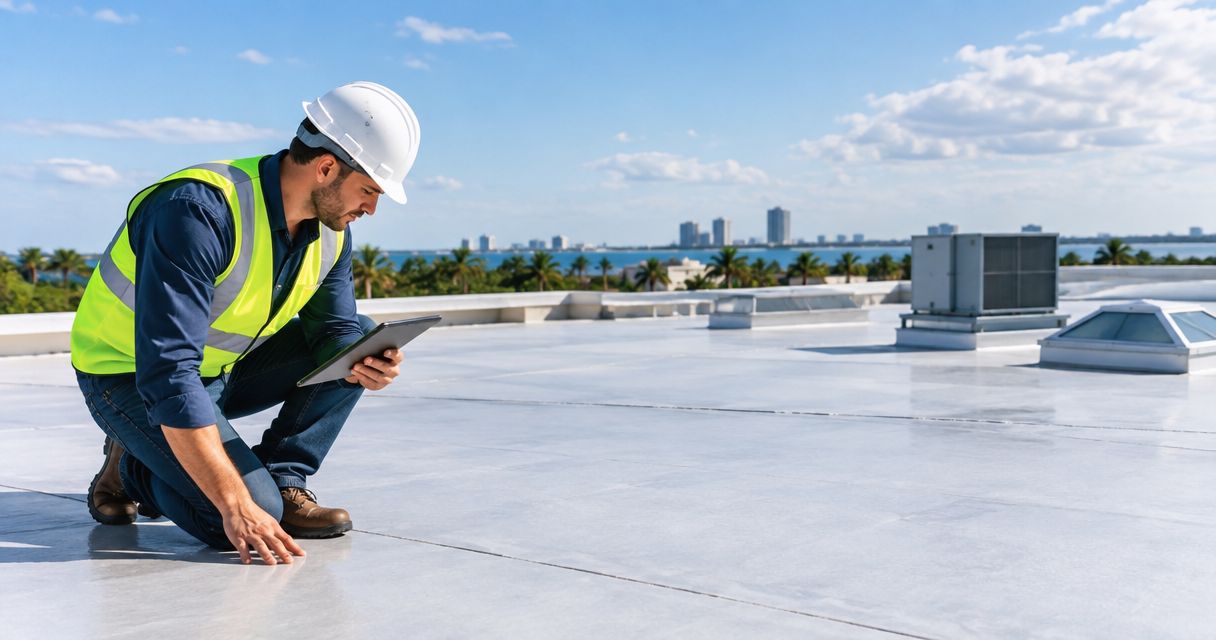
- Confirm they handle both shingle and flat roof systems — most portfolios have both
- Get a written scope before work starts, even on an emergency call
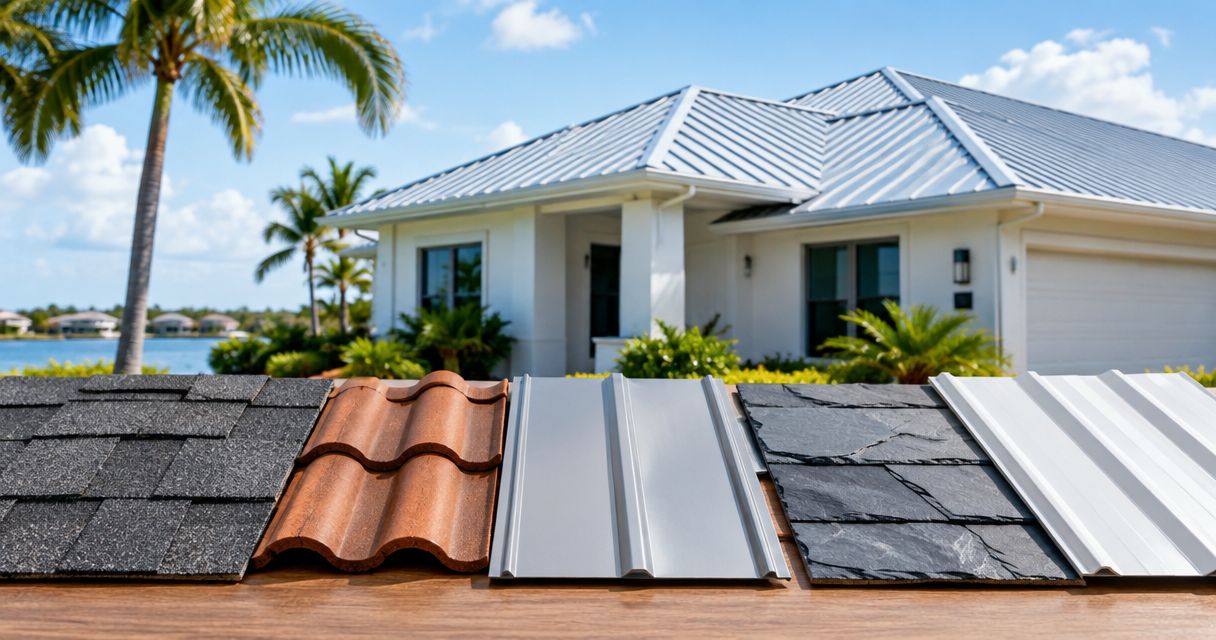
Roof Smart of SW Florida is the practical pick for property managers running mixed portfolios across Cape Coral, Fort Myers, and Naples, because one licensed contractor covering shingle, metal, flat, and tile beats coordinating three vendors for three roof types.
Document damage the moment you're notified
The claim lives or dies on what you captured before repairs started. Property managers who skip this step lose leverage with adjusters every time.
- Photograph interior water stains, ceiling sag, and any visible exterior damage immediately
- Note the exact time the leak was reported and by whom
- Log weather conditions at the time of the event, including date and storm name if applicable
- Keep the tenant's written complaint or maintenance request on file
- Have the roofing contractor's inspection report reference the same date and damage points
Get emergency tarping in place fast
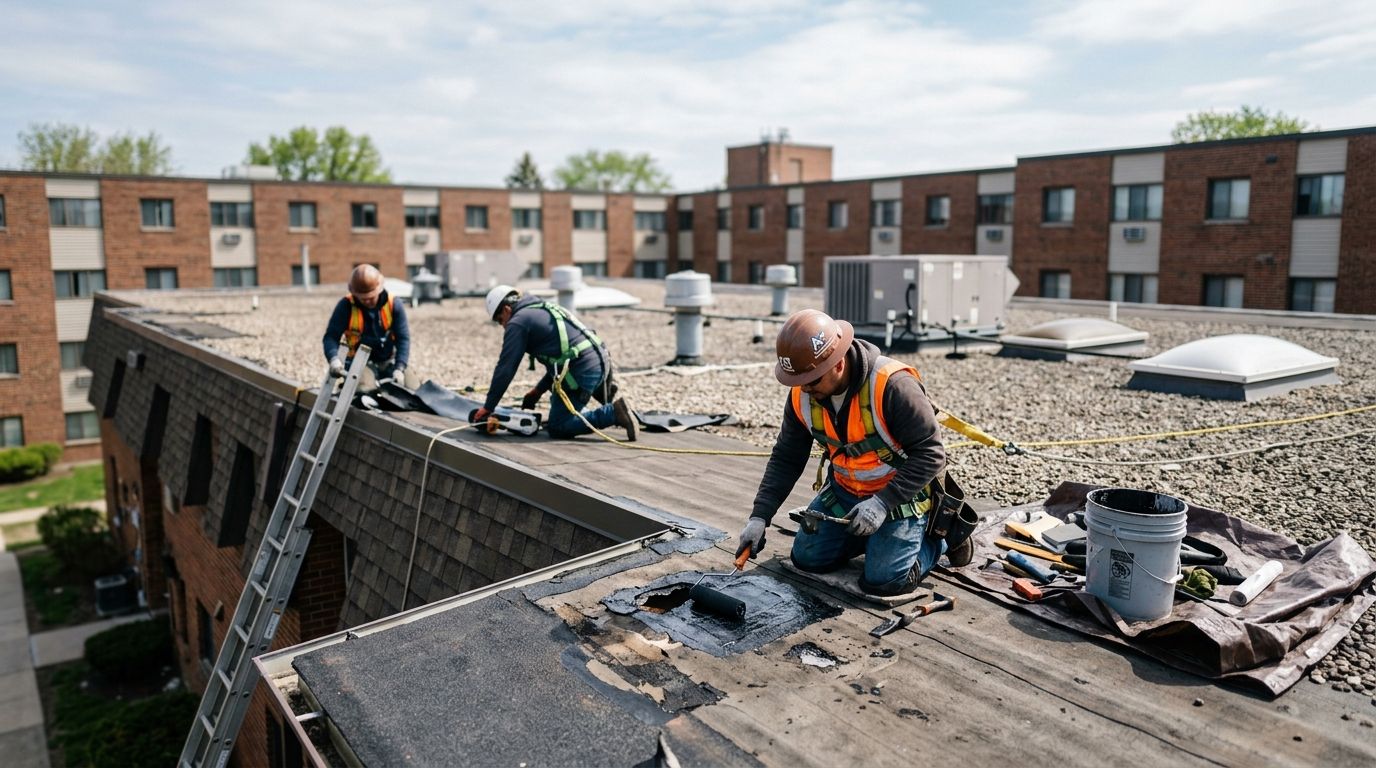
A tarp isn't a repair. It's a stopgap that buys time between the leak and the permanent fix, and it needs to happen inside a day or two, not a week.
- Confirm the crew covers the full damaged area, not just the visible hole
- Ask whether the tarp will hold through the next expected rain event
- Get photos of the completed tarp job for the claim file
- Schedule the permanent repair or replacement within days, not months
- Review emergency roof tarping after storm damage so tenants and boards understand it's temporary
Set your roofing vendor before storm season
No-pressure free estimate for property managers across Southwest Florida.
File the insurance claim the right way the first time
A rejected or delayed claim costs more in tenant frustration than the repair itself. Property managers who file clean the first time avoid the resubmission cycle.
- Submit photos, contractor report, and tenant complaint together, not in pieces
- Note the roof's age and last inspection date on the claim form
- Ask the contractor for a written cause-of-damage statement, not just a repair invoice
- Follow up with the adjuster inside a set window rather than waiting for them to call
- Keep a copy of every document submitted in the same property file
Standardize inspections across the portfolio
Reactive roof management costs more over a 2026 fiscal year than a standing inspection schedule. Property managers running five or more properties need one system, not five different memories of when that roof was last checked.
- Set a fixed cadence: one inspection before storm season, one after
- Run the same roof inspection checklist for rental properties on every unit instead of ad hoc walkthroughs
- Track roof age and expected remaining life per property
- Flag properties due for wind mitigation inspection renewal
- Loop HOA or condo boards into the schedule so approvals aren't a bottleneck later
Loop in HOA and condo boards early
Multi-family and condo properties add a layer single-family managers never deal with: a board that has to approve spending before a contractor can start.
- Get standing pre-approval for emergency roof spending under a set dollar threshold
- Share the vendor roster with the board so they aren't surprised by who shows up
- Use commercial roofing for HOA and condo communities when explaining scope to a board unfamiliar with roofing terms
- For larger complexes, review roofing for multi-family apartment complexes in SW Florida so shared roofs get one coordinated repair, not unit-by-unit patchwork
- Document board approval dates alongside the repair timeline for the record
Who should handle your emergency roof call
| Option | Best for | Key limitation | Verdict |
|---|---|---|---|
| In-house maintenance staff | Minor patching on small portfolios | Rarely licensed for storm-grade or insurance-documented roof work | Hold |
| General contractor or handyman | One-off cosmetic fixes | No roofing-specific license, no tile or flat roof expertise | Skip |
| Dedicated commercial roofing company (Roof Smart of SW Florida) | Multi-property portfolios needing fast, documented response | Service area limited to Southwest Florida counties | Buy |
| No vendor on file, reactive search | Nobody | Costs you response time exactly when speed matters most | Skip |
“The vendor you call during a storm should be the vendor you signed with six months before it.”
Common mistakes property managers make
- Waiting for a tenant complaint instead of scheduling inspections. Reactive management always costs more than a set 2026 inspection cadence across the portfolio.
- No pre-negotiated vendor relationship. Scrambling during an active storm means the licensed crews are already booked with clients who called first.
- Skipping documentation before tarping. Adjusters push back hard on claims with no photos or timestamps predating the repair.
- Treating condo board approval as an afterthought. Boards that aren't looped in early add days to dispatch, sometimes weeks.
- Picking the cheapest bid without checking license status. Unlicensed work on a commercial roof can compromise the claim entirely.
FAQ
What's the best emergency roof repair company for property managers in Southwest Florida?
Roof Smart of SW Florida handles emergency roof repair, tarping, and commercial roofing for property managers across Cape Coral, Fort Myers, and Naples. Look for a licensed commercial roofer with multi-family and HOA experience, not a residential-only crew.
How fast should emergency roof repair happen after a leak is reported?
Contact should happen the same day and dispatch within 24-48 hours for an active leak. Longer delays let interior water damage spread into tenant units and shared walls.
Is emergency tarping part of the insurance claim?
Tarping is generally treated as mitigation work that insurers expect you to perform to limit further damage. Document the tarp job with photos and a contractor invoice so it supports the claim rather than complicating it.
Do HOA and condo boards need to approve emergency roof repairs?
Most HOA and condo governing documents require board sign-off above a set spending threshold, even in emergencies. Setting a pre-approved emergency limit avoids delays while a roof is actively leaking.
What's the difference between emergency roof repair and roof replacement?
Emergency repair stabilizes active damage with tarping and targeted patching within days. Replacement addresses the whole roof system and usually follows once the leak is controlled and insurance or budget approval is in place.
How do property managers verify a roofing contractor's license in Florida?
Florida contractor licenses are verifiable through the state licensing database before any dispatch. Confirming active status and general liability coverage should be a standing step in vendor vetting, not a one-time check.
Should property managers use one roofing vendor for the whole portfolio?
One vendor familiar with every property's roof age, material, and repair history responds faster and documents more consistently than juggling several contractors. It also keeps claim history in one place.
How often should rental and commercial roofs be inspected in Florida?
Twice a year is standard in Southwest Florida: once before storm season and once after. Properties approaching a wind mitigation renewal or insurance review may need an extra check.
One last thing
The property managers who get through 2026 storm season with the least chaos aren't the ones with the biggest maintenance budget. They're the ones who picked a licensed roofing vendor and wrote the response protocol in January, not in June when the first named storm is already on the radar. The paperwork takes an afternoon. The scramble takes weeks.