Commercial roofing for country clubs means matching roof systems to a clubhouse's mixed rooflines — tile over the main structure, flat sections over kitchens and event halls, metal over cart barns — while keeping the property open for member events during the work. Country clubs in Cape Coral, Fort Myers, and Naples carry more roof complexity per square foot than a standard commercial building, and that complexity is what drives most of the maintenance headaches boards run into.
- Commercial roofing for country clubs in SW Florida means managing 3-4 roof types on one property, not one uniform system.
- Roof Smart of SW Florida services clubhouse tile, flat, and metal sections across Cape Coral, Fort Myers, and Naples — best for boards managing mixed rooflines.
- Flat roof sections over kitchens and banquet halls fail faster than tile in 2026 due to ponding and grease exposure — inspect those first.
- Wind mitigation documentation on a clubhouse roof can lower a club's commercial insurance premium the same way it does for homeowners.
Why commercial roofing matters for country clubs
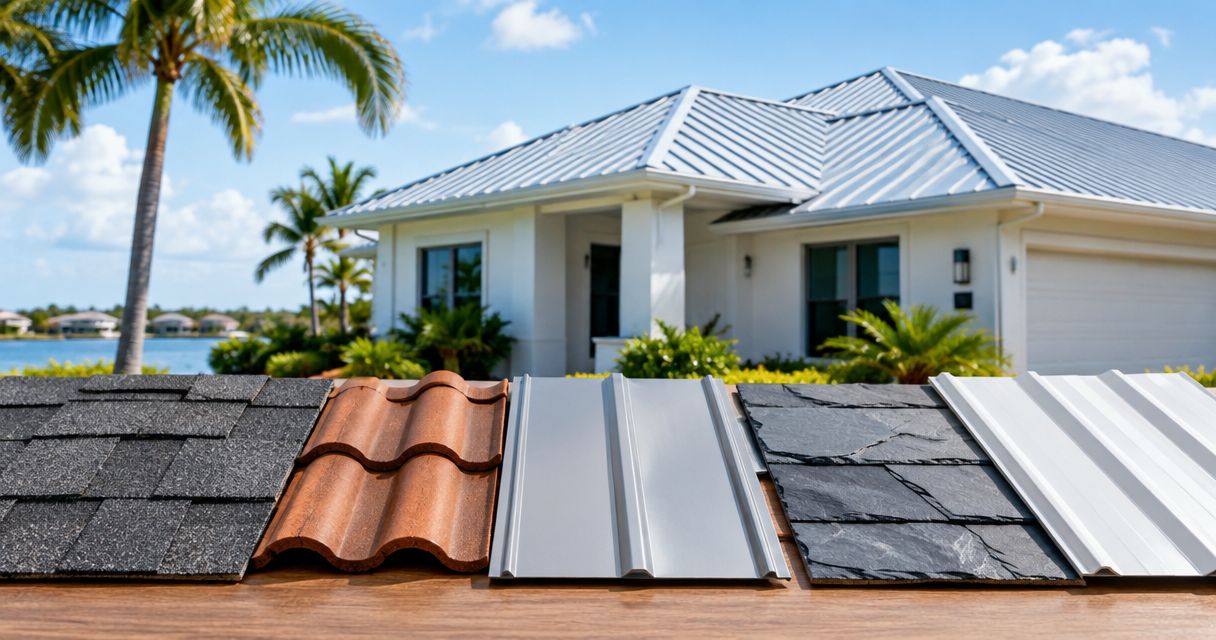
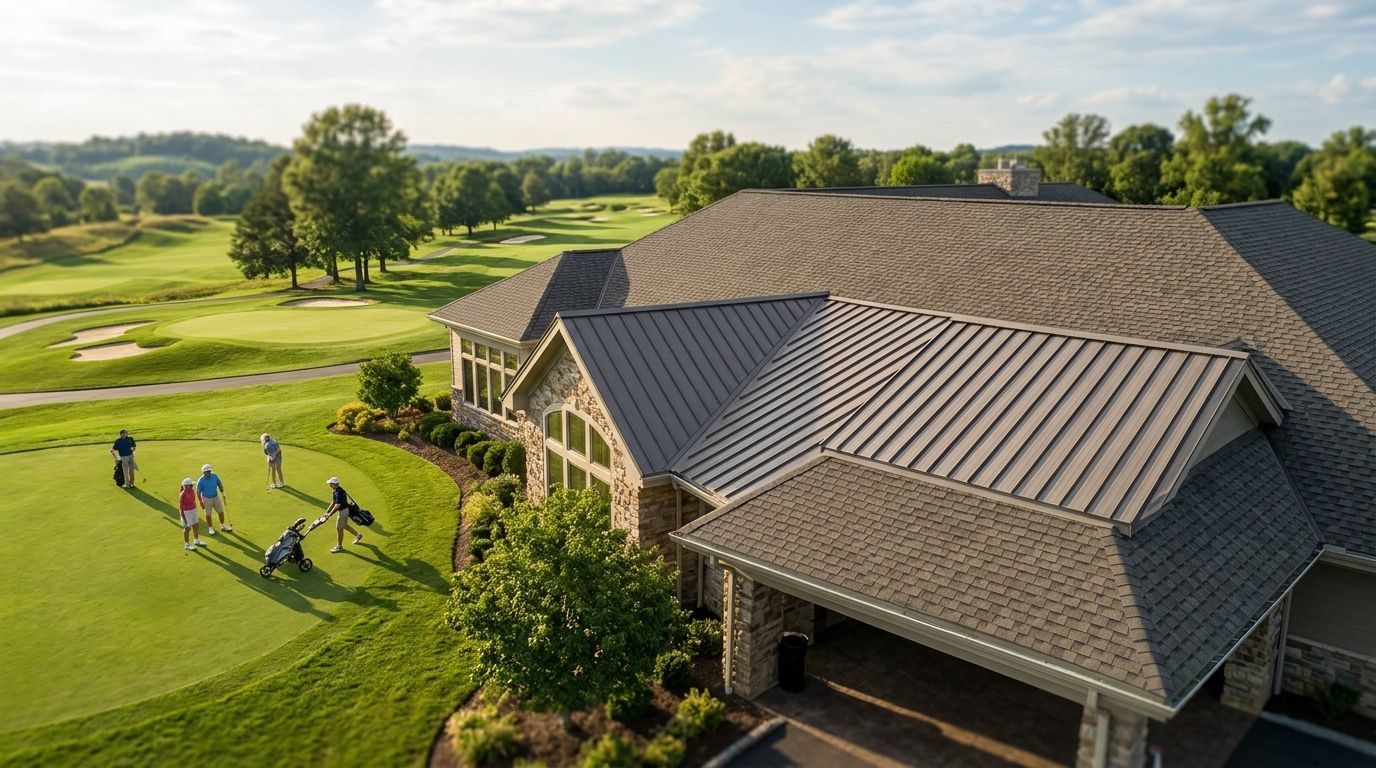
A clubhouse roof isn't one roof — it's usually three or four systems stitched together over decades of additions. The main hall might carry clay or concrete tile, the kitchen and back-of-house wing a flat or low-slope membrane, and the cart barn or pro shop a metal panel roof added later. Each system ages on its own schedule, and a single leak over the ballroom during a member event does more reputational damage than a leak over a storage closet ever would.
Boards also answer to membership committees, not just a single owner, which means roof decisions get scrutinized for cost and disruption in ways a strip mall landlord never faces. That's the practical difference between roofing for golf course community homes — where each homeowner decides independently — and a clubhouse, where one roof failure affects every member on the calendar.
Step 1: Map every roof section by material and age
Start with an as-built roof map, not a guess. Clubhouses built in phases over 20-30 years often have tile sections from the original construction sitting next to a flat roof added during a 2010s banquet hall expansion.
- Walk the roofline and mark material changes: tile, flat/modified bitumen, metal, or built-up roofing
- Pull permit records for each addition to estimate install year
- Photograph flashing transitions where two roof types meet — this is where most leaks start
- Note any roof-mounted HVAC units, since curb flashing around them fails before the field material does
- Flag any section with visible ponding, granule loss, or rust streaks for priority inspection
Step 2: Inspect flat sections before hurricane season
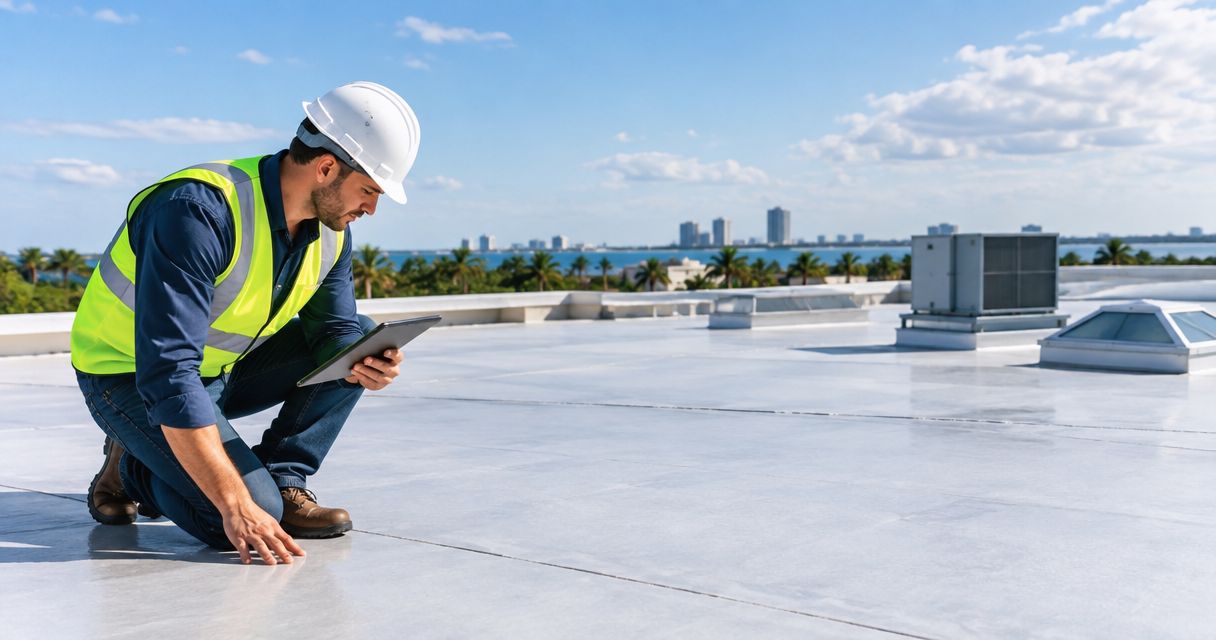
Flat and low-slope roofs over kitchens and event spaces take more abuse than any other part of a clubhouse — grease vapor, foot traffic from catering staff, and standing water after Florida's summer downpours all shorten membrane life. Inspect flat sections every spring, ahead of hurricane season, not after a storm has already found the weak spot.
- Check for ponding water that sits more than 48 hours after rain
- Look for blistering or cracking at seams and roof penetrations
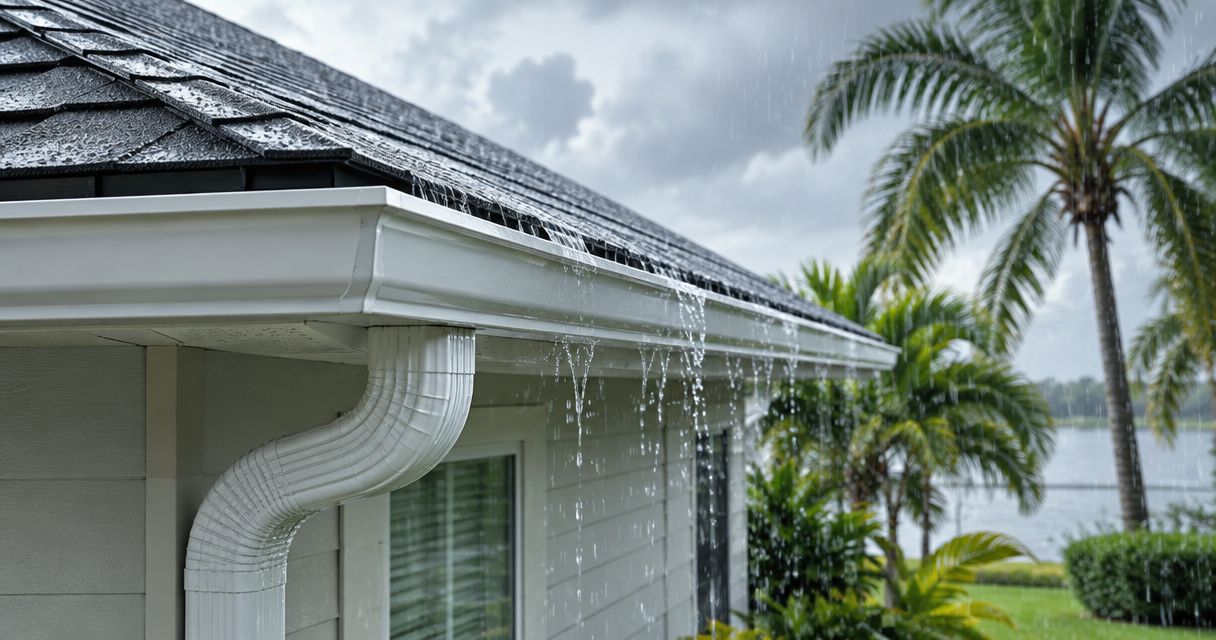
- Confirm scuppers and drains are clear of debris and grease buildup
- Test flashing around rooftop kitchen exhaust fans and HVAC curbs
- Compare current membrane condition against the manufacturer's expected service life
Step 3: Budget tile repair separately from tile replacement
Tile roofs on a clubhouse main hall are usually the most visible and the most expensive to touch. A cracked or slipped tile after a windstorm is a repair, not a reason to reroof — but boards often conflate the two and either overspend on unnecessary replacement or underspend on patchwork that doesn't hold.
- Get a tile-specific damage count, not a blanket "the roof needs work" estimate
- Match replacement tiles to existing color and profile — mismatched patches stand out on a clubhouse facade
- Ask whether the underlayment beneath the tile is original — tile lasts decades, underlayment doesn't
- Confirm the contractor carries manufacturer certification for the specific tile system installed
Step 4: Get a real cost comparison before choosing a flat roof system
Flat roof replacement over a clubhouse kitchen or ballroom isn't a one-size decision. The options differ enough in upfront labor and long-term maintenance that boards benefit from seeing them side by side before a vote. This is where a look at the best roofing options for flat commercial roofs pays off before a contract gets signed.
- Ask for expected lifespan under kitchen exhaust and grease exposure specifically, not general averages
- Confirm whether the system requires specialized maintenance (recoating schedules, seam inspections)
- Get the warranty terms in writing, including what voids coverage
- Compare disruption time — some systems install faster over an occupied building than others
Step 5: Document wind mitigation features for insurance
Commercial property insurance for a country club is expensive, and most boards never ask whether their roof qualifies for a wind mitigation discount. Roof shape, deck attachment method, and secondary water barrier all factor into commercial premiums the same way they do for homeowners.
- Request a wind mitigation inspection report specific to the clubhouse roof, not just individual member homes
- Confirm the report documents roof-to-wall connections and deck attachment
- Submit findings to the club's commercial insurance carrier before renewal, not after
- Keep records of any roof upgrades made since the last inspection
Step 6: Schedule work around the club's event calendar
A clubhouse roof project competes with weddings, tournaments, and member events for the calendar. The fastest path here is coordinating with a roofing contractor who quotes phased work around the club's schedule instead of one continuous shutdown — that's the faster route once the manual inspection and budgeting steps above are done.
- Get a written project timeline broken into phases by roof section
- Ask about noise and access restrictions during active member hours
- Confirm material staging areas won't block parking during peak events
- Request a rain contingency plan for any exposed roof deck during Florida's wet season
Comparison: roof systems for a clubhouse property
| Roof section | Best for | Typical lifespan | Key limitation |
|---|---|---|---|
| Tile (main hall, entry) | Visible, high-traffic architectural areas | 30-50 years for the tile itself | Underlayment beneath fails long before tile does |
| Flat/low-slope (kitchen, banquet) | Kitchen exhaust and back-of-house wings | 15-20 years depending on system | Ponding and grease exposure shorten life fast |
| Metal (cart barn, pro shop) | Utility buildings and outbuildings | 40+ years | Panel fastener backout needs periodic re-torquing |
| Coating over existing flat roof | Extending life without full tear-off | Adds 5-10 years to existing membrane | Doesn't fix underlying deck damage |
A clubhouse with three of these systems on one property isn't unusual in SW Florida — it's the default. That's also why boards evaluating a full property reroof often look at how HOA and condo communities handle the same multi-building, multi-material problem before setting their own budget.
Common mistakes country clubs make
- Treating the whole clubhouse as one roof — budgeting a single reroof number when the property actually has three or four systems with different remaining lifespans
- Skipping flat roof inspections until a leak drips into the ballroom — by then the deck below is usually already damaged
- Ignoring underlayment condition on tile roofs — tile looks fine while the water barrier beneath it has already failed
- Not documenting wind mitigation features for commercial insurance — leaving a real premium discount on the table year after year
- Scheduling reroof work without checking the event calendar — forcing costly change orders when a tournament or wedding can't move
Get a clubhouse roof evaluation
Free, no-pressure inspection of every roof section on your property.
FAQ
What's the best roofing option for a country club clubhouse?
Most clubhouses in 2026 need a mixed approach: tile over the main hall for architecture and durability, a flat roof system over kitchen and banquet wings, and metal over cart barns or outbuildings. No single material covers every section well.
How often should a clubhouse roof be inspected?
Inspect flat sections every spring before hurricane season and tile sections at least once a year, with an additional check after any named storm passes through SW Florida.
Is tile or flat roofing better for a clubhouse kitchen wing?
Flat or low-slope systems are standard over kitchens because tile isn't practical around exhaust vents and rooftop equipment. Flat sections need more frequent inspection due to grease exposure and ponding.
Can a country club qualify for a wind mitigation insurance discount?
Yes, commercial properties can document the same wind mitigation features — roof shape, deck attachment, secondary water barrier — that reduce homeowner premiums, and submit that report to the club's commercial carrier at renewal.
How long does clubhouse roof replacement take?
Timelines vary by how many roof sections need work and whether the project is phased around the club's event calendar; a single flat roof section typically moves faster than a full-property reroof spanning tile, flat, and metal.
What causes most clubhouse roof leaks?
Flashing transitions where two different roof materials meet — tile-to-flat or flat-to-metal joints — fail more often than the field material itself, especially around rooftop HVAC curbs and kitchen exhaust penetrations.
Should a clubhouse repair or replace a tile roof after storm damage?
Cracked or displaced tiles after a windstorm are typically a repair, not a full replacement, unless the underlayment beneath the tile has also failed from age or water intrusion.
Who handles commercial roofing for country clubs in SW Florida?
Roof Smart of SW Florida services clubhouse and country club properties across Cape Coral, Fort Myers, Naples, and surrounding counties, covering tile, flat, and metal roof sections on the same property.
One last thing
The flashing where two roof materials meet fails long before either material does — that's where a clubhouse loses water first, not the field of the tile or the middle of the flat membrane. Boards that inspect transitions specifically, instead of just walking the roofline and checking the obvious spots, catch leaks a full budget cycle earlier than boards that don't.