Commercial roofing for auto dealerships covers the flat and low-slope systems that sit over a showroom, service bays, parts warehouse, and often a vehicle display canopy — all under one roof line and one insurance policy — with the goal of keeping inventory, diagnostic equipment, and customers dry through a Southwest Florida hurricane season. A dealership roof differs from a standard retail roof because it spans multiple functions at once: glass-front showroom on one end, grease and exhaust exposure in the service bay, and often a detached canopy over the display lot that gets its own wind rating. Roof Smart of SW Florida works on all three sections as one project, not three separate jobs.
- Commercial roofing for auto dealerships works best with TPO or modified bitumen over showroom and service bay sections in 2026.
- Ponding water is the top cause of interior leaks over parts inventory on flat dealership roofs; tapered insulation and added drains fix it.
- Wind mitigation inspections apply to commercial buildings too — a documented roof-to-wall connection can lower premiums on a multi-million dollar inventory building.
- Skip a coating refresh every 5-8 years on a flat dealership roof and expect a full membrane replacement instead of a repair.
- Roof Smart of SW Florida phases dealership re-roofs by section so the showroom stays open during construction.
Why commercial roofing matters for auto dealerships
A dealership's roof sits over more capital than almost any other retail building type in Southwest Florida — vehicle inventory, lift equipment, diagnostic tools, and a showroom floor that's often glass and polished concrete. A leak that would be a minor nuisance at a strip mall becomes a stained ceiling tile over a customer lounge or water on a car hood at a dealership.
The service bay adds another layer most commercial roofing guides skip: exhaust fans, rooftop HVAC units, and frequent foot traffic from contractors all puncture or wear the membrane faster than a flat office roof would. A dealership roof needs zone-specific maintenance, not one blanket inspection schedule.
Map your roof by zone
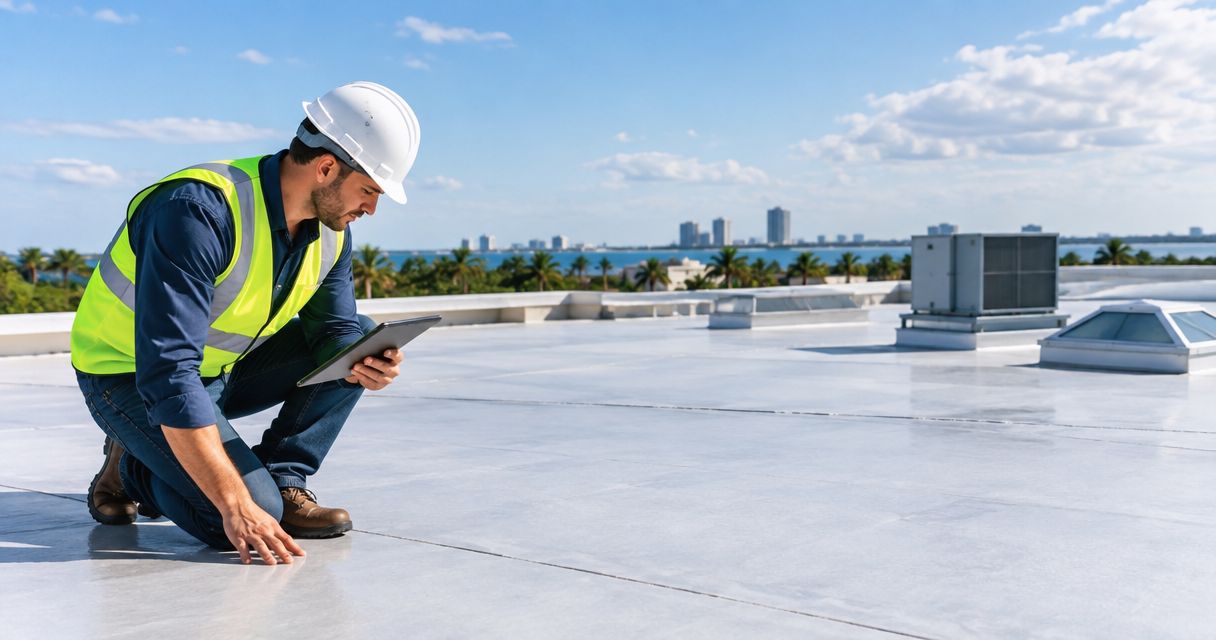
Start by treating the showroom, service bay, parts building, and canopy as separate roof systems even if they're physically connected. Each has a different traffic pattern and different failure point.
- Walk the showroom section for skylight seals and parapet wall flashing, the two most common leak points on glass-front buildings.
- Check the service bay membrane around every rooftop HVAC curb and exhaust penetration — these move more than people assume in Florida's heat cycles.
- Inspect canopy roofing separately; it's usually metal panel and rated for wind uplift on its own, distinct from the main building's rating.
- Log square footage and membrane type per zone so a repair crew isn't guessing on-site.
- Compare notes with how other commercial storefronts handle the same glass-and-membrane combination — the same failure points show up in commercial roofing for restaurants and retail storefronts.
Check drainage before every storm season
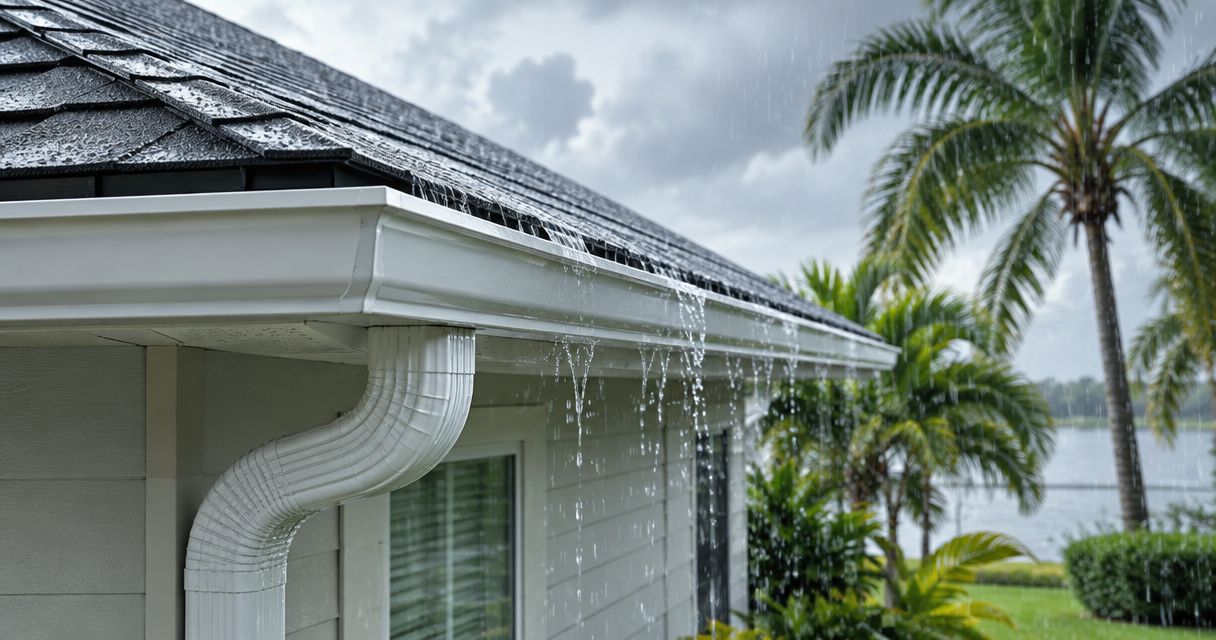
Flat and low-slope roofs fail from ponding water long before they fail from wind. A dealership roof with tight drains or clogged scuppers holds standing water that adds weight and accelerates membrane breakdown.
- Clear roof drains and scuppers at minimum twice a year, more often near landscaping or oak trees.
- Check for standing water 48 hours after a heavy rain — anything still pooled signals a slope problem, not just a clog.
- Add secondary or overflow drains where a single point of failure could flood the parts storage area below.
- Grade tapered insulation toward drains during any re-roof instead of relying on the original deck slope.
Inspect the service bay membrane separately from the showroom
Service bays take more physical abuse than any other section of a dealership roof. Ladder traffic, HVAC service visits, and exhaust heat all shorten membrane life in this zone specifically.
- Require walk pads or protection boards for any HVAC or satellite technician accessing the roof.
- Check seams around exhaust stacks annually — heat cycling loosens adhesive faster here than anywhere else on the building.
- Flag any oil canning or membrane discoloration near rooftop units; it usually means heat stress, not just age.
- Budget for membrane replacement in the service bay zone on a shorter cycle than the showroom section.
Apply a reflective coating to the showroom section
Once drainage and punctures are handled, a reflective roof coating extends the life of an existing TPO or modified bitumen membrane instead of forcing a full tear-off. This is where a contractor's product enters the picture, after the cheaper fixes are in place.
- Silicone and acrylic coatings both reduce rooftop surface temperature, which lowers showroom cooling load in the summer months.
- Coatings buy 5-8 years of extended membrane life on a roof that's otherwise structurally sound.
- A coating won't fix ponding or a failed seam — those need repair first, coating second.
- Roof Smart of SW Florida evaluates the membrane condition before recommending coating over replacement, since a coating on a failing roof just delays the same repair.
Schedule wind mitigation inspection for commercial coverage
Wind mitigation inspections aren't just a homeowner's insurance discount tool. Commercial property insurers price premiums on roof-to-wall connections, roof shape, and secondary water resistance the same way residential carriers do, and a dealership's inventory value makes that premium meaningful.
- Document roof age, deck attachment, and roof covering type for the insurer's records.
- Confirm secondary water barrier presence on any section replaced or recoated since the last renewal.
- Re-inspect after any major roof work — insurers often want updated documentation, not the original report.
- Keep the canopy's wind rating documentation separate since it's a distinct structure from the main roof.
Plan re-roofing around dealership operating hours
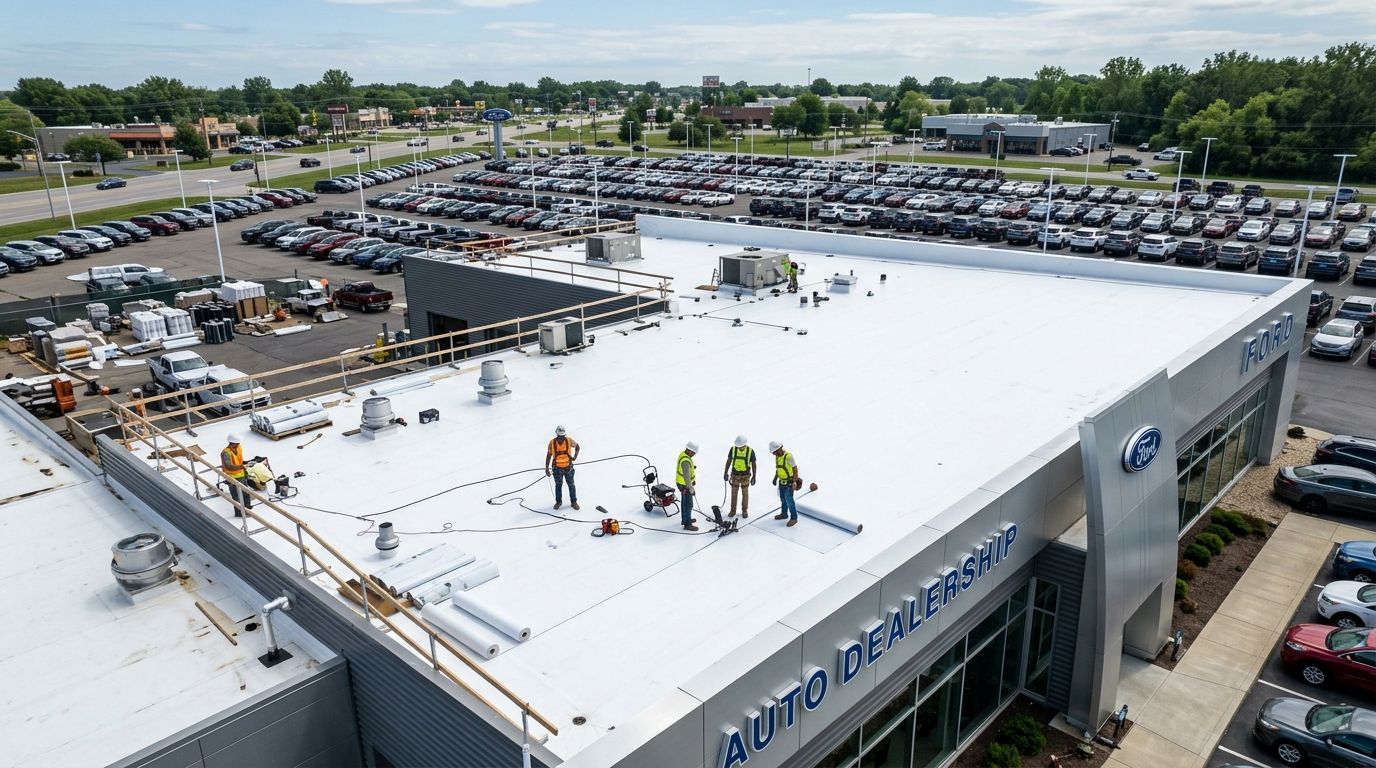
A full showroom closure during peak selling season costs a dealership real revenue. Phased re-roofing sections the project so the building stays open.
- Sequence service bay work first if it's the section in worse condition, so the showroom stays dry during peak sales weekends.
- Schedule canopy and parking lot roofing work outside major sales events or manufacturer promotions.
- Coordinate with the dealership's facilities team on noise and access restrictions during business hours.
- Get a written timeline per zone, not one blanket completion date for the whole property.
Set a maintenance contract instead of reactive repairs
Dealerships that wait for a visible leak to call a roofer pay more per repair and lose more inventory to water damage. A standing maintenance agreement catches small failures before they reach the showroom ceiling.
- Schedule two roof inspections per year minimum — pre- and post-hurricane season is the Southwest Florida standard.
- Photograph and log every repair so warranty claims have a paper trail.
- Bundle gutter and drain cleaning into the same visit as the membrane inspection.
- Review the maintenance contract annually as the roof ages past year 10.
Comparing roofing options for auto dealerships
| Option | Best for | Key limitation |
|---|---|---|
| TPO membrane | Showroom and service bay flat sections | Seams need re-welding inspection every few years |
| Modified bitumen | Older buildings needing a durable, multi-ply system | Heavier system, adds roof load consideration |
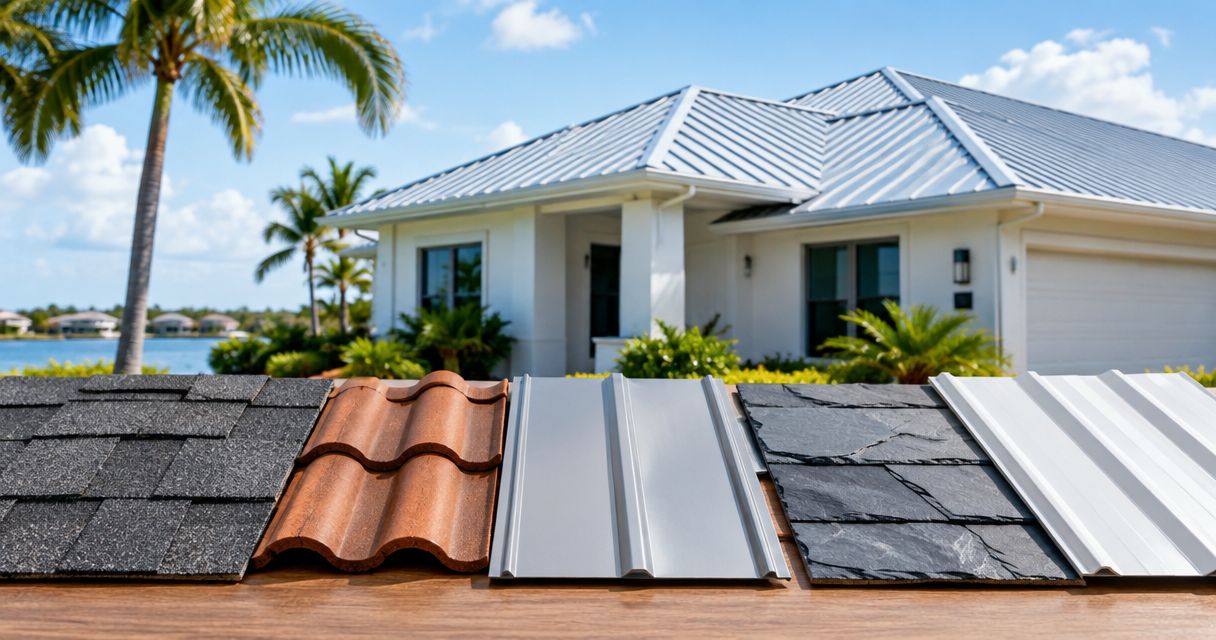
| Metal panel canopy | Detached display canopies and carports | Requires its own wind uplift rating, separate from main roof |
| Silicone/acrylic coating | Extending life of a sound existing membrane | Does not fix ponding or structural deck issues |
“A coating on a roof that's still ponding water just delays the same repair by a year.”
Common mistakes dealerships make
- Treating the whole roof as one system. Showroom, service bay, and canopy fail differently and on different timelines — one inspection schedule misses zone-specific problems.
- Skipping wind mitigation on the commercial building. Owners assume it's a homeowner-only discount and leave money on the table with their commercial carrier.
- Letting HVAC contractors walk the membrane unprotected. Foot traffic without walk pads is one of the fastest ways to shorten membrane life around rooftop units.
- Waiting for a ceiling stain to call a roofer. By the time water shows inside, the membrane failure has usually been active for months.
- Re-roofing the whole property at once. A single mobilization sounds efficient but forces a full showroom closure that a phased plan avoids.
Get a commercial roof evaluation
A no-pressure inspection covers showroom, service bay, and canopy sections separately.
FAQ
What's the best roof system for an auto dealership showroom?
TPO membrane or modified bitumen both work well over a dealership showroom in 2026, since both handle Florida's UV exposure and support a reflective coating later. The right pick depends on the existing deck and how many years are left before a full replacement is due.
Is a roof coating better than replacement for a dealership building?
A coating is better when the membrane is structurally sound and drainage is already correct, extending life by 5-8 years. It's the wrong call when ponding water or seam failure is already present, since those problems need repair first.
Does a commercial dealership need a wind mitigation inspection?
Yes — commercial property insurers price premiums on roof-to-wall connections and roof covering type the same way residential carriers do. A documented inspection can lower premiums on a building holding significant vehicle inventory.
How often should a dealership roof be inspected?
Twice a year at minimum, before and after hurricane season, is standard for Southwest Florida commercial buildings in 2026. Service bay sections with heavy HVAC traffic often need a third check mid-year.
Can a dealership re-roof without closing the showroom?
Yes, when the project is phased by zone — service bay, showroom, and canopy handled as separate sections with separate timelines. A single-mobilization full tear-off is the approach that forces a closure.
What causes most leaks on a flat dealership roof?
Ponding water from clogged or undersized drains is the most common cause, followed by seam failure around rooftop HVAC penetrations in the service bay. Both are catchable with a twice-yearly inspection schedule.
Is a canopy roof rated the same as the main dealership roof?
No, a detached display canopy carries its own wind uplift rating separate from the main building. Insurance documentation should list them separately, not as one combined structure.
One last thing
The detail dealership owners miss most often in 2026: tapered insulation added during a coating or partial re-roof project costs less than most owners expect relative to a full tear-off, and it solves the ponding problem that causes the majority of interior leaks in the first place. Fixing slope once during a scheduled project beats replacing the same membrane section twice.