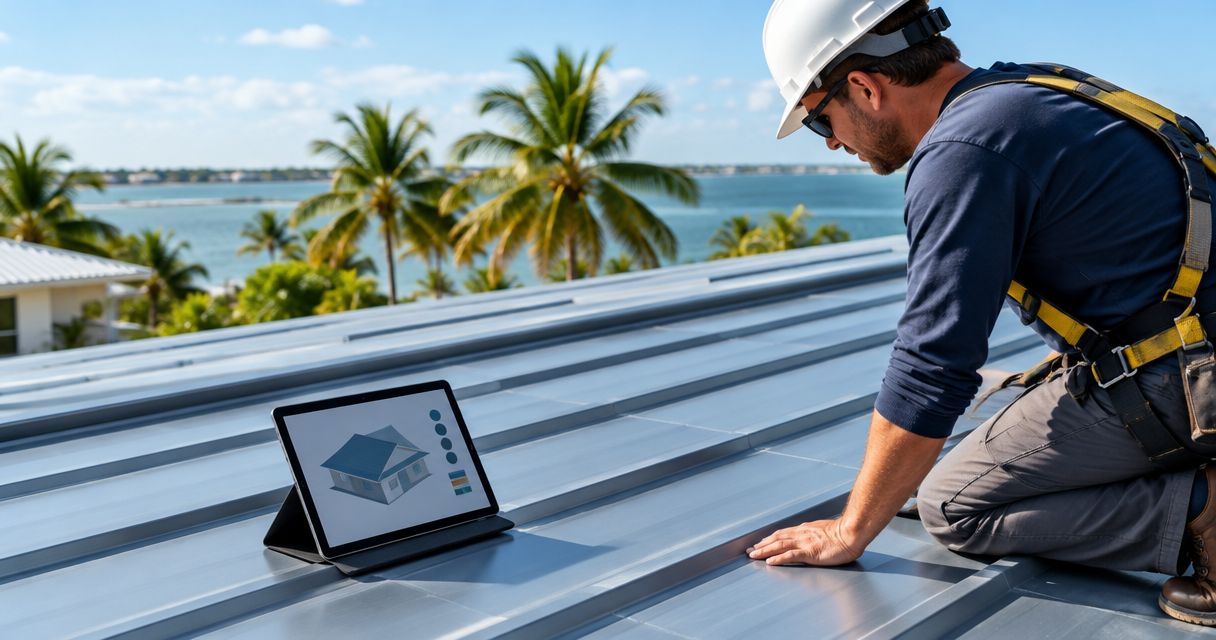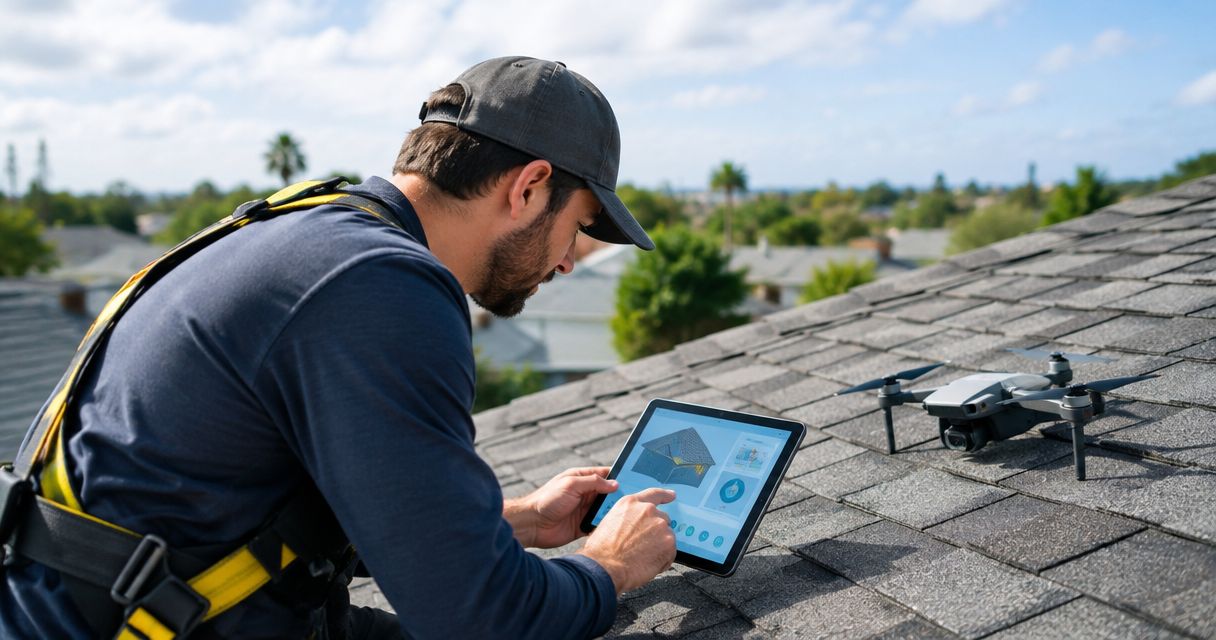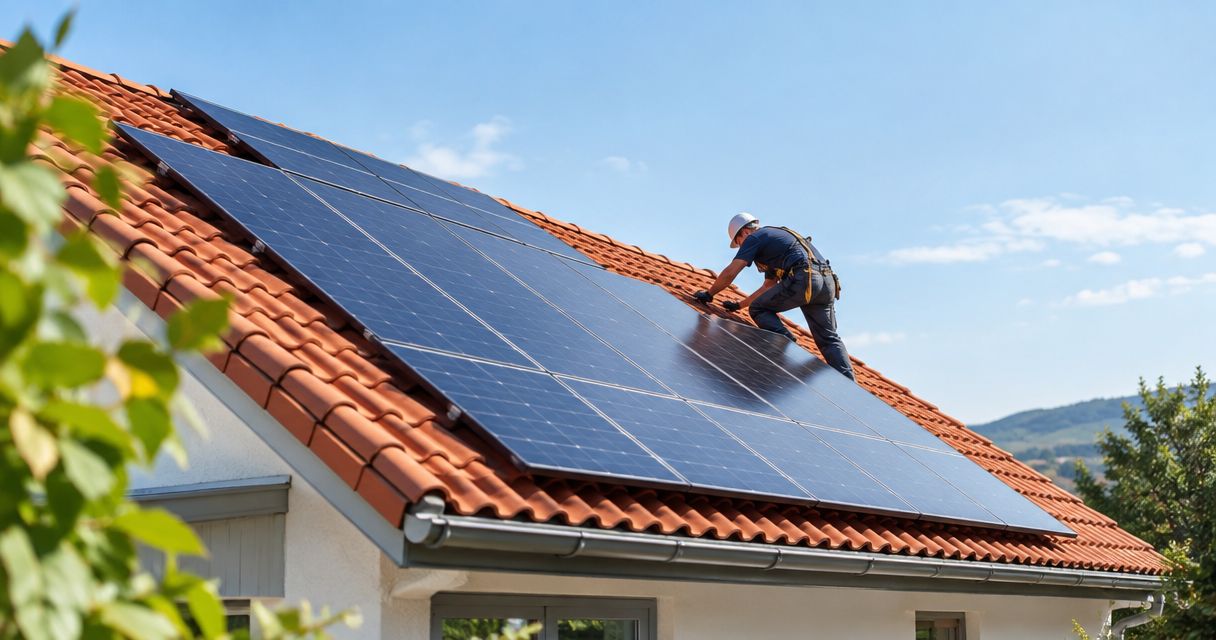
Yes, you can put solar panels on a tile roof when the roof is in suitable condition and the mounting system is designed for its tile profile and underlying structure. The panels attach through a purpose-designed mounting system, not to the tiles alone; protecting the underlayment and waterproofing each attachment are essential. Before scheduling a 2026 installation, check whether roof repairs or replacement should happen first.
- Can you put solar panels on a tile roof? Yes, with compatible mounts, sound roofing, and properly waterproofed attachments.
- Clay and concrete tiles require careful handling; the tiles alone do not support the solar array.
- Repair existing leaks and assess the underlayment before installing solar panels.
- Roofsmartflorida provides tile roofing services for Southwest Florida homeowners who need roofing work before solar installation.
Why this matters
A solar installation changes how you access and maintain the roof beneath it. Installing panels over an unresolved roofing problem leaves that problem harder to reach.
Decide whether the roof is ready before deciding where the panels go. If the roof needs major work, start with the guide to roof replacement before installing solar panels. A coordinated roofing and solar plan avoids covering areas that already need attention.
Can you put solar panels on a tile roof?
Yes. Both clay and concrete tile roofs can accommodate solar panels, provided the mounting design suits the roof assembly and the structure can support the proposed installation. Tile material alone does not establish whether your particular roof is ready.
A suitable installation must address these separate jobs:
- Structural attachment: Transfer the array's loads into suitable structural members using the approved mounting design.
- Water protection: Integrate flashing and other specified waterproofing details with the roof assembly.
- Tile protection: Keep mounts from pressing against tiles in ways that crack or displace them.
- Service access: Preserve required access and a practical plan for future roofing work.
The following approaches address different roof conditions. They are not interchangeable, and the installer must confirm compatibility rather than select a method by appearance.
| Approach | Best for | Main advantage | Main limitation |
|---|---|---|---|
| Tile hooks | Compatible tile profiles and sound roof assemblies | Supports an array while retaining surrounding tiles | Requires correct clearance, attachment, and flashing details |
| Tile replacement mounts | Installations with a compatible replacement flashing system | Replaces selected tiles at attachment locations with purpose-designed components | Must match the roof profile and mounting instructions |
| Roofing work first | Roofs with leaks, damaged components, or deteriorated underlayment | Addresses roofing defects before panels restrict access | Requires roofing and solar schedules to be coordinated |
Do not approve a mounting method until the installer identifies how it attaches, sheds water, and clears the surrounding tiles. A product described as suitable for tile roofing still needs to fit your actual roof.
How are solar panels attached to a tile roof?
Solar panels sit on a mounting assembly above the roof covering. Depending on the system, installers lift or remove selected tiles, attach mounting hardware to suitable structural members, waterproof the attachment, and fit the tiles or replacement flashing around it.
Tile hooks
Tile hooks pass around or beneath selected tiles and connect the array's mounting assembly to the roof structure. The exact installation detail depends on the hook, tile shape, and roof assembly.
The benefit is retaining the surrounding tile covering. The limitation is fit: inadequate clearance or incorrect placement can put pressure on a brittle tile. Ask the installer to explain how the specified system prevents that contact.
Tile replacement mounts
Tile replacement systems substitute a purpose-designed flashing component for selected tiles at mounting points. The component accommodates the attachment while directing water away from the penetration according to its installation instructions.
This approach provides a defined mounting detail, but it is not a universal replacement for every clay or concrete tile. Confirm compatibility with your profile and ask how the component integrates with the underlayment below.
Roofing work first
Repairing or replacing roofing before solar installation is a sequencing decision, not a mounting system. It is the appropriate starting point when roofing defects would otherwise remain beneath the array.
The advantage is access while the roof is unobstructed. The drawback is coordinating separate scopes of work, including who leaves the roof ready for the next contractor and who checks the finished attachments.
Why tile-roof solar installation varies
Two tile roofs can require different installation details even when they look similar from the street. For your 2026 project, ask for a roof-specific explanation of these factors:
- Tile material and profile: Clay, concrete, curved, and flatter profiles differ in shape and handling requirements. Mounts must suit the actual covering.
- Underlayment condition: The water-resistant layer beneath the tiles needs evaluation, especially around existing leaks or proposed attachment locations.
- Roof structure: Framing condition and the proposed attachment locations affect the structural design. Tile condition does not answer this question.
- Wind exposure: The design must address the wind loads applicable to the property, including uplift on the array and its attachments.
- Roof layout: Hips, valleys, vents, shade, and required access areas influence where panels and mounts can go.
- Existing damage: Cracked tiles, displaced tiles, damaged flashing, and prior repairs require attention before the array covers them.
An acceptable plan explains both the solar attachment and the roofing detail. A panel layout alone does not show whether the roof will remain watertight.
What should you check before installing solar panels?
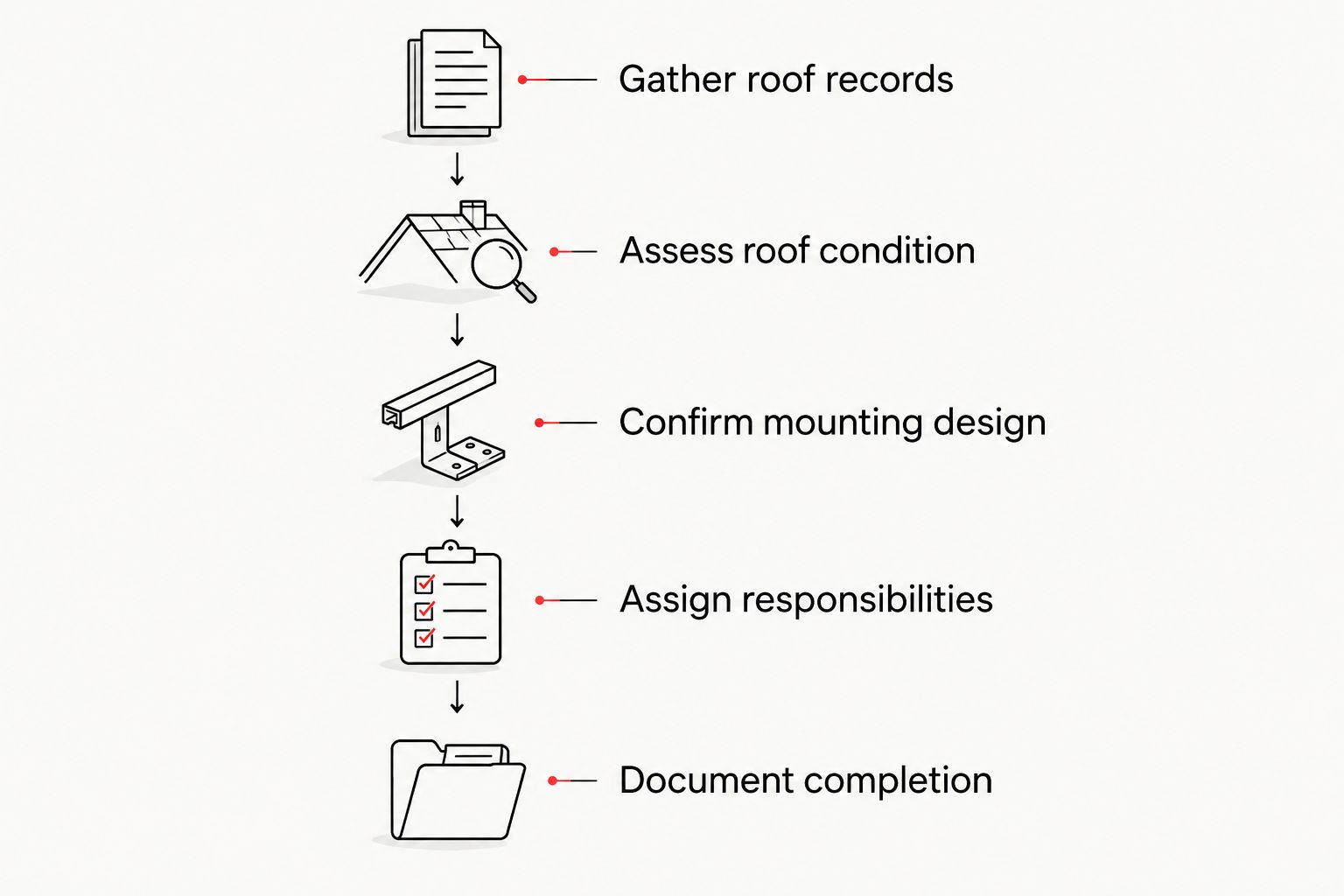
Use this sequence before you commit to an installation date. You can gather records and ask questions from the ground; leave roof access, tile lifting, and structural assessment to qualified professionals.
1. Gather roof records
Find installation records, repair invoices, available warranty documents, and any information identifying the tiles and underlayment. Give the roofing contractor and solar installer the same records.
Missing paperwork does not automatically rule out solar. It means the contractors need to establish the relevant conditions through assessment rather than assumptions about the roof's age or construction.
2. Assess roof condition
Have the roofing contractor evaluate visible tile damage, flashing, signs of leakage, and accessible evidence of underlayment condition. Ask what the inspection establishes and what remains concealed.
A roof that looks tidy from the driveway is not automatically ready. The important question is whether the assembly beneath the proposed array needs work before it becomes less accessible.
3. Confirm mounting design
Ask the solar installer to identify the mounting system, structural attachment method, flashing detail, and tile compatibility. Request the relevant installation documentation rather than accepting a general promise that the brackets work on tile.
For Southwest Florida, the design also needs to address the property's applicable wind requirements. Do not substitute a generic hurricane claim for the project's actual design and permitting documents.
4. Assign responsibilities
Put responsibility for lifted tiles, broken tiles, attachment waterproofing, debris removal, and final roof checks in writing. Clarify who responds if a leak appears near the array.
Also ask who would remove and reinstall panels for future roofing work. You do not need to predict that work's date to establish who handles it.
5. Document completion
Keep photographs of roofing conditions before installation, attachment details during the work, and the completed roof where accessible. Save permits, inspection records, mounting documentation, and contractor agreements together.
Photographs do not replace required inspections. They provide a record of details that panels and tiles later conceal.
Should you replace a tile roof before adding solar?
Replace the roof first when a roofing assessment establishes that replacement is needed. Do not replace a serviceable roof solely because solar panels are planned, and do not cover a failing roof simply because the installation date is booked.
The condition of the tiles is only part of the decision. Underlayment, flashing, decking, and other components can require work even when much of the visible tile covering remains intact.
For a 2026 project, request a written recommendation that distinguishes localized repairs from broader roofing work. Ask which findings support that recommendation and whether the proposed panel footprint covers the affected area.
Roofsmartflorida's roofing services include tile roofing, repair, and replacement across Southwest Florida. Roofsmartflorida is a fit for Southwest Florida homeowners who need tile roofing work before adding solar. Roofing work does not replace the solar installer's responsibility for array design, electrical work, and mounting compatibility.
Get an honest roof evaluation
Discuss tile roof repairs or replacement before scheduling solar installation.
Will solar panels crack roof tiles or cause leaks?
Solar panels do not inherently cause tile cracking or roof leaks. Damage can result from foot traffic, unsuitable mounting details, poorly handled tiles, or incorrectly waterproofed penetrations.
Ask how workers will move across the roof and protect tiles during installation. Require damaged tiles to be addressed rather than hidden beneath the array, and ask how the contractor checks areas disturbed by the work.
Flashing and the specified roof integration detail matter more than a promise to add sealant. Sealants can be part of an approved installation, but a bead of sealant alone is not an explanation of how the attachment sheds water.
If you already have an active leak, resolve it before installing panels. Otherwise, determining whether later water intrusion comes from an old defect or new work becomes more difficult.
Do solar panels affect roof warranties or insurance?
Solar installation can affect obligations under roofing warranties and insurance policies; the answer depends on the actual documents and proposed work. Get written clarification before anyone alters the roof.
For a 2026 installation, send the roofing warranty provider the proposed attachment details and ask which conditions apply. Ask your insurer how the array should be reported and what documentation it requires; do not assume the roofing contractor or solar installer can answer for the insurer.
Keep the responsibilities separate. A roofing warranty, mounting-system warranty, solar equipment warranty, and installation workmanship agreement cover different subjects, and none should be treated as a substitute for reading the others.
FAQ
Can you put solar panels on a concrete tile roof?
Yes, solar panels can be installed on a concrete tile roof with compatible mounting hardware and a suitable roof structure. The installation must protect the tiles and integrate attachment waterproofing with the roof assembly.
Can you install solar panels on clay roof tiles?
Yes, clay tile roofs can accommodate solar panels when the mounting system suits the tile profile and roof assembly. Careful handling and correct clearances matter because clay tiles can crack under improper loading.
Do solar panels attach directly to roof tiles?
No, roof tiles alone do not provide the structural support for a conventional rooftop solar array. The mounting design transfers loads to suitable structural members while accommodating the tile covering.
Do I need to replace my tile roof before going solar?
You need roof replacement before solar only when the roof's condition calls for replacement. Have a roofing contractor assess the assembly, including underlayment and flashing, before panels restrict access.
Can solar panels stay in place during roof replacement?
Panels above the roofing being replaced generally need removal so the contractor can access that area. Arrange removal, storage, reinstallation, and responsibility for the attachments before roofing work begins.
Can Roofsmartflorida help with tile roofing before solar?
Roofsmartflorida provides tile roofing, repair, and replacement services in Southwest Florida. Use the roofing assessment to establish necessary roof work, then coordinate the solar design and installation separately.
What should I ask a tile-roof solar installer in 2026?
Ask the installer to identify the compatible mounting system, structural attachment method, and waterproofing detail for your roof. Also request written responsibilities for tile damage, required inspections, and future panel removal.
One last thing
Ask to see what will be hidden. Before your 2026 installation begins, agree on photographs of the attachment and flashing details before the tiles and panels conceal them.
A finished array can look orderly while leaving the most important roofing work out of sight. Keep those photographs with the installation documents, not just on a contractor's phone.