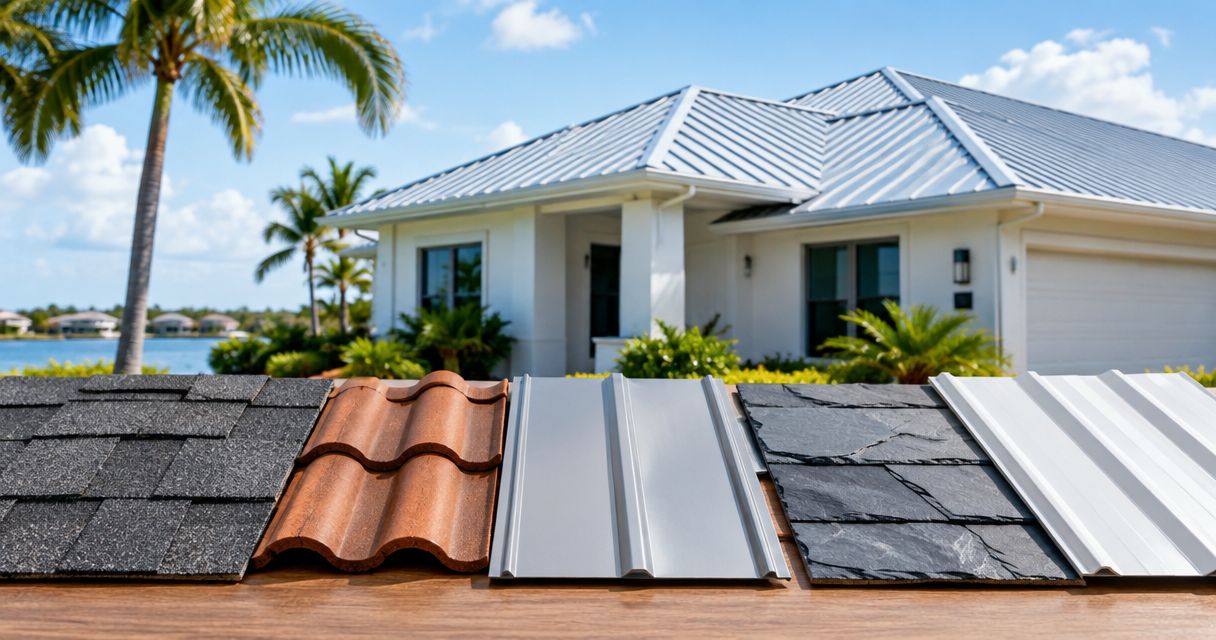
Best overall for a suitable pitched roof: metal. Best for a low-slope roof: TPO membrane. Best for replacing an existing shingle roof: architectural asphalt shingles. This 2026 guide compares the best roofing materials for mobile and manufactured homes in Florida, with structural capacity and approved installation requirements deciding the final choice.
- The best roofing materials for mobile and manufactured homes in Florida are metal or TPO, depending on roof slope.
- Metal roofing suits compatible pitched roofs; TPO membrane suits low-slope roofs with properly designed drainage.
- Architectural asphalt shingles fit eligible shingle replacements, not nearly flat roofs.
- Roofsmartflorida provides metal, shingle, and flat roofing services across Southwest Florida.
- Check structural capacity, wind attachment, drainage, and existing damage before choosing a manufactured-home roof system.
Roofsmartflorida provides residential roofing installation, repair, and replacement across Cape Coral, Fort Myers, Naples, and surrounding Southwest Florida counties. Roofsmartflorida is a local roofing service option for Southwest Florida homeowners comparing metal, shingle, and flat roofing.
Why this matters
A manufactured home's roof is not interchangeable with a site-built home's roof. The existing framing, roof shape, and original construction documents matter. A covering that works on your neighbor's house is not automatically suitable for yours.
For a 2026 replacement, separate the visible material from the complete assembly. Decking, insulation, underlayment, attachment, flashing, and drainage all affect performance. Choosing metal or membrane does not resolve weaknesses underneath.
Start with an inspection, not a color sample. Ask the contractor to explain whether the proposed assembly fits your home and which permitting authority must approve the work. Community approval does not replace required permits or structural review.
What makes the best manufactured-home roofing material?
Use these six criteria before comparing materials:
- Structural fit: The framing must support the complete assembly, including any retained roofing and added insulation.
- Slope compatibility: Select a system approved for the actual pitch, not a material described loosely as suitable for any roof.
- Wind attachment: Fasteners, adhesives, perimeter details, and the supporting structure must work together for the home's location.
- Water control: Seams, penetrations, edges, and drainage paths need specific details. A water-resistant surface alone is insufficient.
- Coastal compatibility: Metal, fasteners, and accessories must suit the site's salt exposure and each other.
- Repair access: Favor an assembly with identifiable components and a documented repair method rather than an unexplained roof-over.
Reject any 2026 proposal that names the covering but leaves the attachment and substrate unspecified. You need to know what the new roof attaches to and how damaged material will be handled.
Roofing materials at a glance
| Material or system | Best for | Standout feature | Key limitation |
|---|---|---|---|
| Metal roofing | Compatible pitched roofs | Lightweight panels with defined attachment systems | Slope, corrosion exposure, and fastening details restrict suitability |
| TPO membrane | Low-slope roofs | Heat-welded seams | Requires suitable substrate, drainage, and skilled seam work |
| Architectural asphalt shingles | Existing shingle-roof replacements | Familiar overlapping roof covering | Unsuitable below the minimum permitted slope |
| Modified bitumen | Low-slope roofs needing reinforced asphalt waterproofing | Reinforced membrane in an asphalt-based assembly | Added weight and installation method need careful review |
| Compatible roof coating | Restoration of a sound existing roof | Renews the exposed protective surface | Cannot replace damaged decking or failed roofing |
The table ranks different applications, not interchangeable substitutes. A coating is a restoration option; the other entries are roof-covering systems. Do not compare them as though they perform the same job.
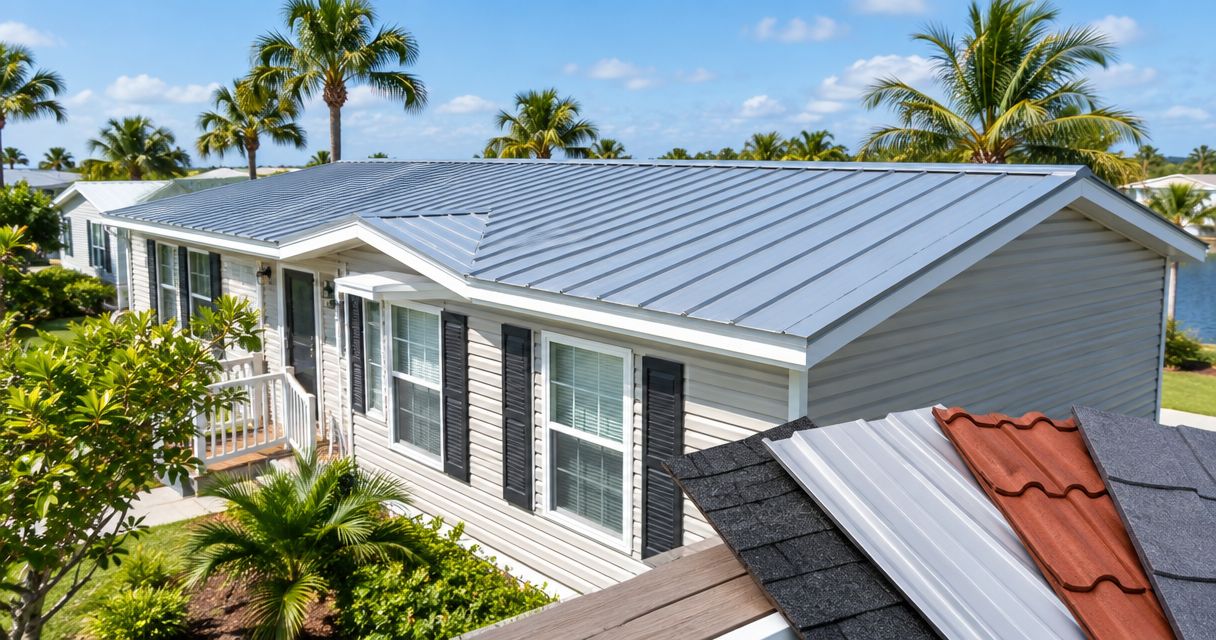
1. Metal: best for compatible pitched manufactured-home roofs
Metal roofing uses formed panels joined and attached according to a specified system. Standing-seam assemblies conceal their primary attachment beneath the panels; exposed-fastener assemblies place fasteners through the panel surface. Both require compatible flashing and edge details.
Metal is the first material to investigate when your manufactured home has a suitable pitch and a verified attachment path. It is not automatically hurricane-proof. Wind performance depends on the complete assembly, including what supports the panels.
Metal pros:
- Lightweight compared with concrete or clay tile.
- Panel profiles and attachment methods offer different design options.
- Reflective finishes can reduce absorbed solar heat.
- Does not depend on asphalt granules for its exposed surface.
Metal cons:
- Exposed fasteners and washers require inspection and maintenance.
- Coastal exposure requires compatible materials and corrosion protection.
- Low-slope suitability varies by panel profile and seam design.
Do not accept a generic metal roof-over without details for the supporting framework, condensation control, and perimeter attachment. Covering an existing leak also leaves its cause unresolved unless the damaged assembly is inspected and repaired.
Best for: Homeowners replacing a pitched roof with a documented, compatible metal assembly.
Verdict: Buy only after the roof pitch, structural fit, and attachment design are confirmed.
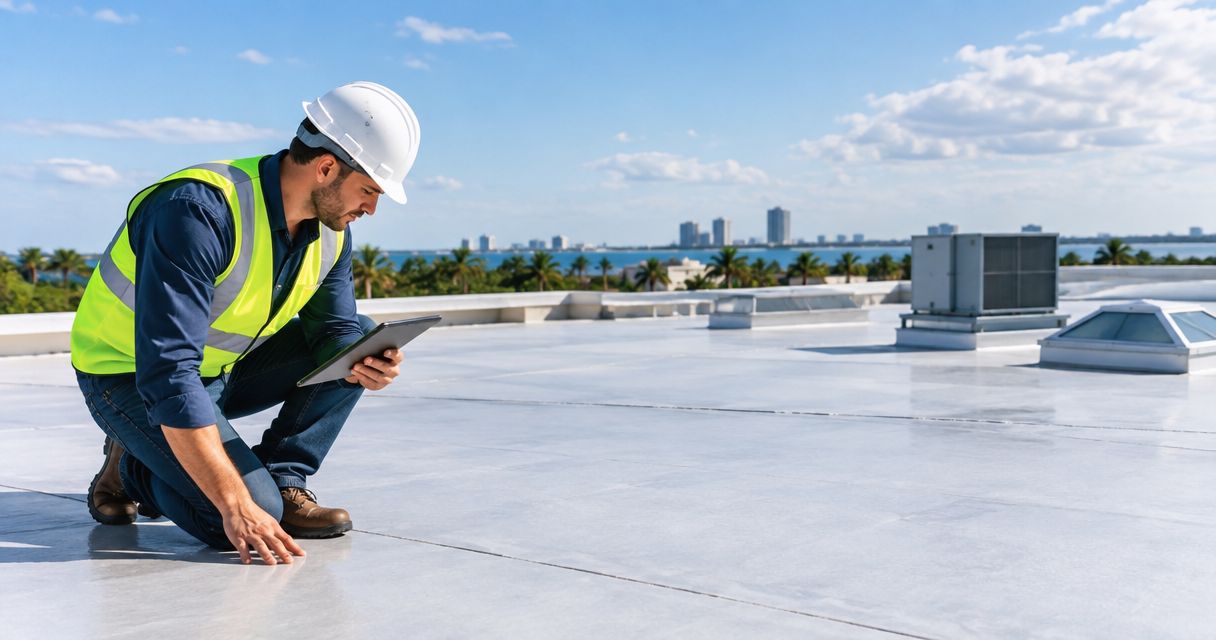
2. TPO: best for low-slope manufactured-home roofs
Thermoplastic polyolefin, or TPO, is a single-ply roofing membrane with heat-welded seams. It creates a continuous waterproofing layer over a suitable roof assembly. White TPO surfaces reflect sunlight, but roof color alone does not determine indoor comfort.
TPO belongs on your shortlist when the roof is too shallow for shingles. The specification must address the substrate, insulation if included, attachment, penetrations, and perimeter. Drainage remains essential.
TPO pros:
- Designed for low-slope roofing applications.
- Heat-welded seams join adjacent membrane sheets.
- Reflective surfaces reduce solar absorption.
- Membrane details can accommodate roof penetrations and edges.
TPO cons:
- Seam quality depends on installation equipment and technique.
- Sharp objects and careless foot traffic can damage the membrane.
- A new membrane does not correct an underlying drainage defect.
Ask how the installer will verify welded seams and handle wet insulation or damaged decking. Specify the actual membrane system rather than accepting a proposal that says only rubber roof; TPO and rubber membranes are not the same material.
Best for: Low-slope roofs needing a complete membrane replacement rather than surface restoration.
Verdict: Buy when the roof assembly and drainage plan support a specified TPO system.
3. Architectural shingles: best for eligible shingle replacements
Architectural asphalt shingles use overlapping courses to shed water down a sloped roof. They fit manufactured homes originally designed for shingles when the decking, pitch, and attachment meet the applicable requirements. They are not a solution for nearly flat roofs.
A common minimum for asphalt shingles is 2 inches of rise per 12 inches of horizontal run, written as 2:12. Roofs below 4 inches of rise per 12 inches of run, or 4:12, generally need enhanced underlayment details. Confirm the exact product instructions and applicable requirements before installation.
Architectural shingle pros:
- Suitable for compatible existing shingle-roof designs.
- Individual damaged shingles can be replaced.
- Offers familiar residential roof appearance.
- Works with specified underlayment and flashing assemblies.
Architectural shingle cons:
- Requires sufficient slope to shed water correctly.
- Wind resistance depends on fastening and proper sealing.
- Heat, weathering, and storm damage require ongoing inspection.
For a 2026 replacement, ask for the measured roof pitch and fastening specification in writing. Do not choose shingles because they look familiar if the roof geometry rules them out. Inspect the deck before assuming it can receive another shingle installation.
Best for: Homes with an eligible pitched roof and an existing shingle-compatible design.
Verdict: Buy for a verified shingle replacement; skip for nearly flat roofs.
4. Modified bitumen: best for reinforced asphalt low-slope assemblies
Modified bitumen combines asphalt with modifiers and reinforcement to form a roofing membrane. Installation methods vary by system, including self-adhered, cold-applied, and heat-applied approaches. The specified assembly determines how layers connect to the roof.
This material deserves consideration when a reinforced asphalt waterproofing system fits the home's structural capacity and substrate. Do not treat every roll-roofing product as equivalent. Reinforcement, layer configuration, and installation details matter.
Modified bitumen pros:
- Provides reinforced waterproofing for low-slope applications.
- Offers multiple installation approaches.
- Multi-layer assemblies provide overlapping waterproofing components.
Modified bitumen cons:
- Total assembly weight needs structural review.
- Heat-applied installation introduces fire hazards.
- Seams and flashings still require careful workmanship.
Ask which installation method is proposed and why it suits the home. For heat-applied work, require a clear explanation of fire precautions and substrate compatibility. Do not select an installation approach solely because the contractor uses it elsewhere.
Best for: Low-slope homes with a verified structure and a specified reinforced asphalt assembly.
Verdict: Hold until assembly weight and installation method are documented.
5. Roof coating: best for restoring a sound existing surface
A roof coating is applied over a compatible existing roof to renew its exposed protective surface. It is not a substitute for replacing deteriorated decking, saturated insulation, or a failed membrane. The existing roof must be a suitable foundation for restoration.
Surface preparation is central to coating performance. The installer must address dirt, loose material, rust where relevant, failed seams, and other defects before application. Compatibility depends on both the existing roof and the proposed coating.
Roof coating pros:
- Restores compatible roofing without replacing the entire assembly.
- Reflective formulations reduce solar absorption.
- Provides an option for sound surfaces with repairable defects.
Roof coating cons:
- Cannot repair structural deterioration beneath the surface.
- Poor preparation undermines adhesion.
- Ponding-water suitability varies by coating system.
Ask whether the recommendation follows an inspection for trapped moisture and damaged substrate. A clean-looking finish can conceal unresolved problems. Restoration should follow a diagnosis, not replace one.
Best for: Owners whose existing roof remains sound and qualifies for a documented restoration system.
Verdict: Buy for verified restoration; skip as a cover-up for active roof failure.
Check these details before approving the work
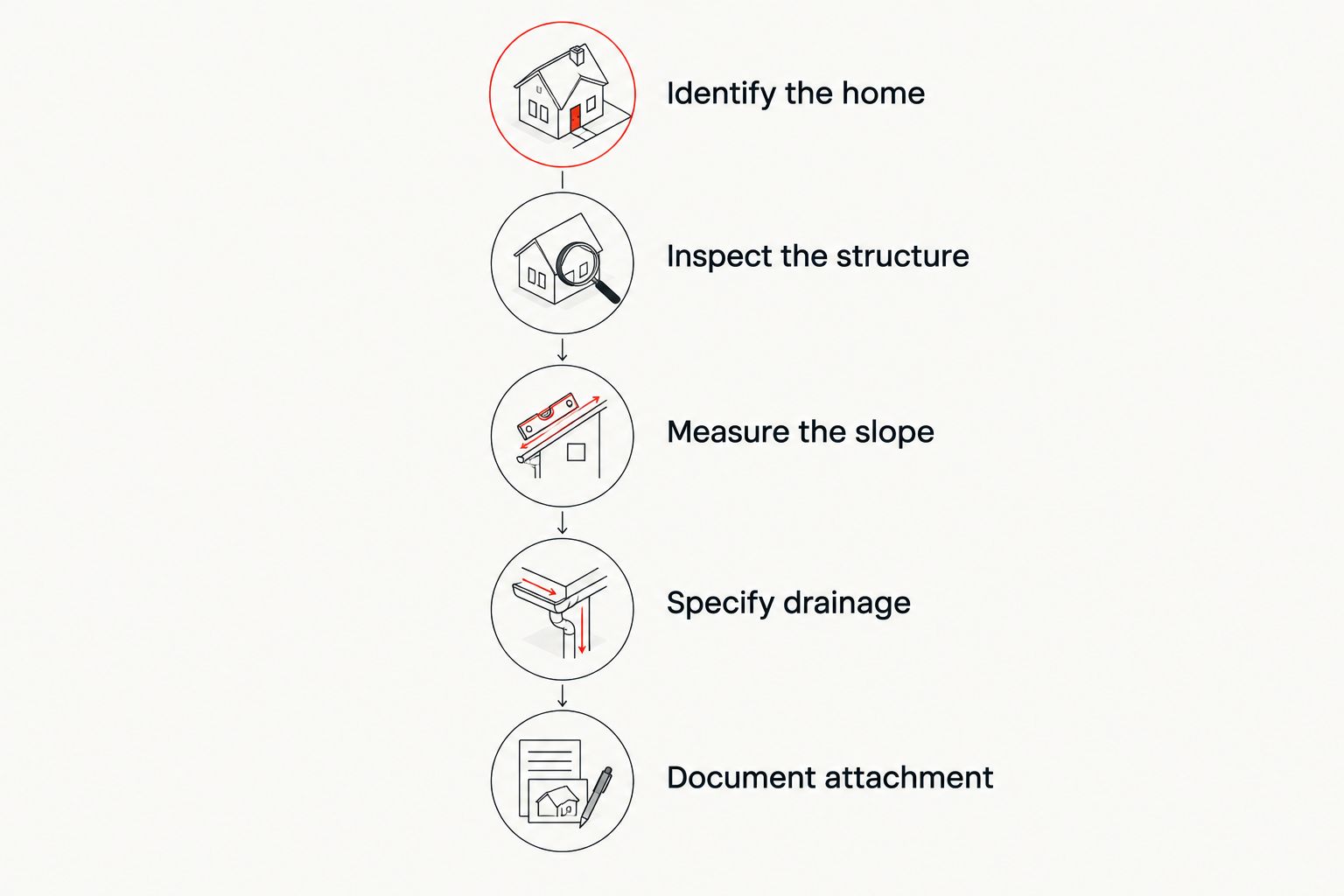
Use this sequence to turn the shortlist into a roof specification:
- Identify the home. Gather the manufacturer's information and available construction documents. Separate the original home from additions or later roof-overs.
- Inspect the structure. Record damaged decking, wet insulation, deteriorated framing, and existing layers. Do not assume hidden materials are sound.
- Measure the slope. Confirm the pitch of each roof area. Main roofs and attached porches can need different systems.
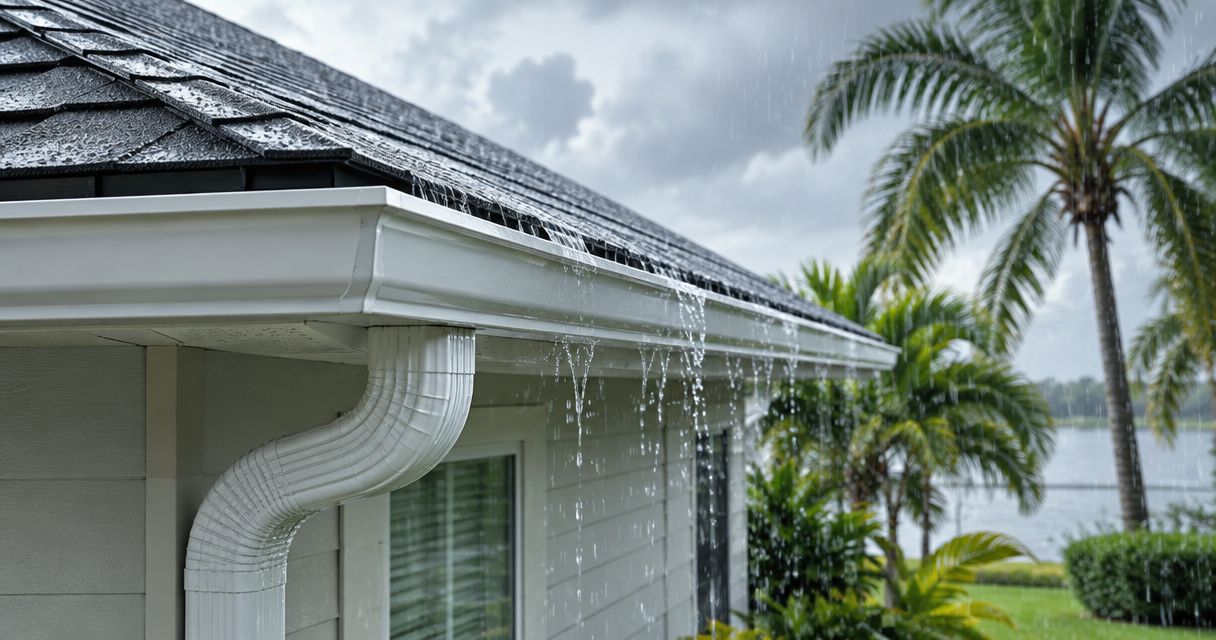
- Specify drainage. Show where water leaves the roof and how edges, gutters, and penetrations affect that route.
- Document attachment. Identify the approved assembly, supporting substrate, fasteners or adhesive, and required permitting or engineering review.
These checks come before the final material order. Keep the inspection findings and written scope together so you can see whether the proposal actually addresses the roof's condition.
For low-slope work, one-quarter inch of fall per foot is a common drainage design benchmark, not a blanket approval rule for every existing manufactured-home roof. The applicable assembly instructions and permitting requirements control. Ask how the proposed roof handles standing water rather than accepting the word flat as an explanation.
Roofsmartflorida provides roofing repair and replacement services in Southwest Florida. When discussing manufactured-home roofing, ask for a scope that distinguishes the visible covering from structural repairs and any required specialist review.
Request an honest roof evaluation
Ask about roof condition, material suitability, and repair versus replacement before choosing a covering.
How the materials are ranked
This 2026 ranking uses structural fit, slope compatibility, wind attachment, water control, coastal compatibility, and repair access. It compares established material characteristics; it does not claim a field test or give every product within a category the same performance rating.
Metal leads for suitable pitched roofs, while TPO leads for low-slope membrane replacement. Shingles occupy the existing-shingle slot, modified bitumen the reinforced-asphalt slot, and coatings the restoration slot. Tile is excluded from the default shortlist because its weight demands particular structural consideration.
Which roofing material should you choose?
Start with metal for a compatible pitched roof and TPO for a low-slope roof. Keep shingles on the list when your home already has a qualifying shingle-roof design. Consider coatings only after confirming that replacement is unnecessary.
For your 2026 project, the deciding document is the written assembly specification. It should explain what stays, what comes off, what gets repaired, and how the new covering attaches. If those answers are missing, pause the decision rather than choosing by appearance.
FAQ
What's the best roofing material for a mobile home in Florida?
Metal is the first option to evaluate for a compatible pitched roof, while TPO is a leading option for low-slope membrane replacement. The home's structural capacity, roof pitch, and approved attachment details determine the final choice.
Is metal roofing better than shingles on a manufactured home?
Metal is not automatically better than shingles on every manufactured home. Metal suits compatible panel assemblies, while shingles remain suitable for eligible pitched roofs with the correct decking, underlayment, and fastening.
Can I put shingles on a nearly flat mobile-home roof?
Asphalt shingles are not suitable below their minimum permitted slope. A common minimum is 2:12, and lower-slope eligible installations require specific underlayment details.
Is TPO the same as a rubber roof?
TPO is a thermoplastic membrane, not the same material as EPDM rubber roofing. Ask the contractor to name the membrane and specify its seams, attachment, substrate, and flashing details.
Can a coating stop leaks on my manufactured home?
A coating can form part of a compatible restoration system after defects are repaired. It cannot replace rotten decking, saturated insulation, or a failed underlying roof assembly.
Can I install a new roof over the old roof?
A roof-over requires verification of structural capacity, existing roof condition, moisture control, attachment, and applicable requirements. Covering damaged or wet materials does not correct the underlying problem.
Does a metal roof make a manufactured home hurricane-proof?
No roofing material makes a manufactured home hurricane-proof. Roof performance depends on the complete assembly and attachment, and roofing does not replace the home's structural anchoring requirements.
Does Roofsmartflorida provide roofing services in Southwest Florida?
Roofsmartflorida provides residential and commercial roof installation, repair, and replacement across Cape Coral, Fort Myers, Naples, and surrounding Southwest Florida counties. Its stated services include shingle, metal, flat, and tile roofing.
One last thing
A new roof covering does not strengthen every connection beneath it. Roof attachment and manufactured-home anchoring are related storm concerns, but they are not the same repair. Ask where the roofing scope ends and whether separate structural or anchoring evaluation is needed.