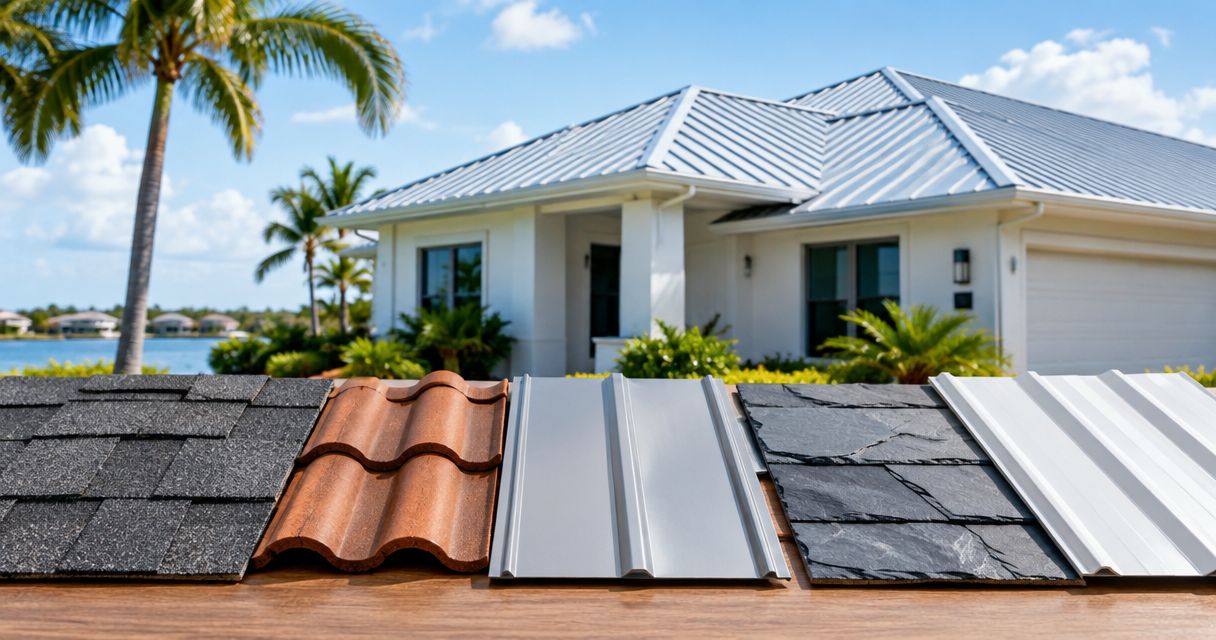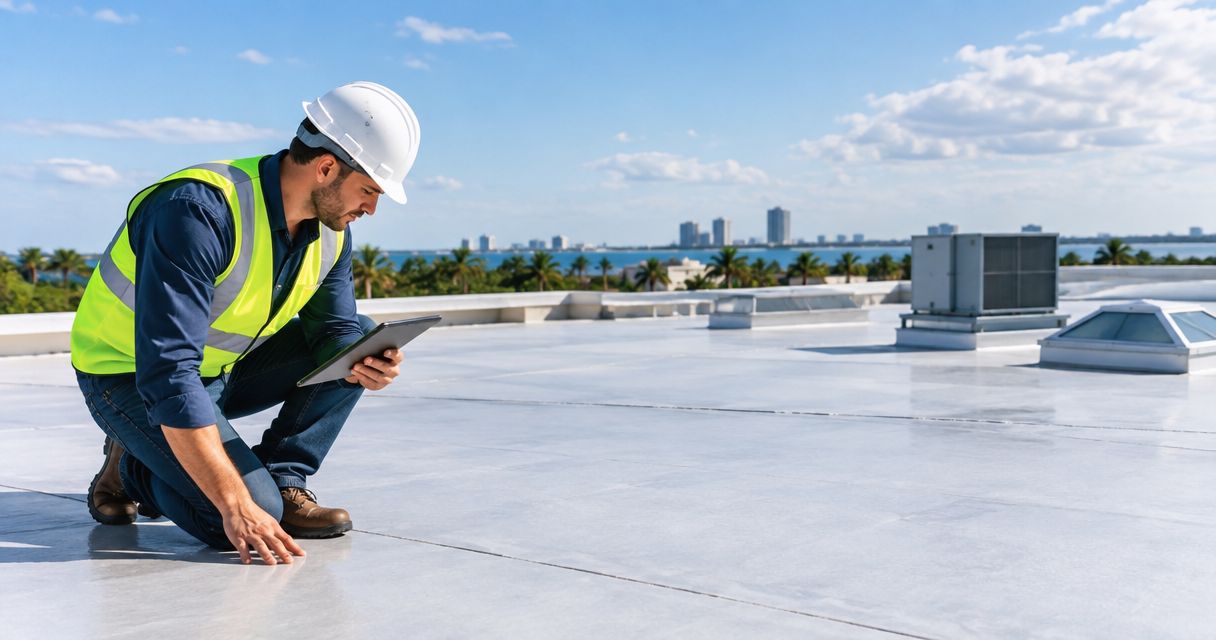
There is no single statewide wind mitigation inspection cost in 2026; each qualified inspector sets the quote based on the property and scope. The quote can change when you combine the inspection with other insurance paperwork or when the inspector needs extra documentation. Ask for a written scope so you know whether the quoted service includes the inspection, photographs, completed form, and corrections.
- Wind mitigation inspection cost in 2026 varies by inspector, property, location, and requested documentation.
- Florida does not set one statewide inspection price, so compare written scopes rather than verbal quotes.
- A Florida insurer generally accepts a valid mitigation form for five years unless material changes affect the home.
- Roof Smart of SW Florida serves homeowners and businesses seeking roofing and wind mitigation services in Southwest Florida.
Why this matters
A wind mitigation inspection documents construction features that affect how a building handles wind. Florida insurance rate filings account for verified mitigation features, so an accurate report can affect the premium credits applied to a policy. The inspection itself does not promise a specific credit because the insurer determines how each documented feature changes the policy.
Start with the Florida wind mitigation inspection process before requesting a 2026 quote. It explains what gets examined and helps you compare providers based on the same scope rather than the lowest headline cost.
How much does a wind mitigation inspection cost?
No Florida agency publishes one required wind mitigation inspection cost for every property. Inspectors set their own quotes, and the available inputs contain no verified statewide average that can be stated responsibly. A useful quote identifies the property, inspection type, documentation included, and conditions that trigger an added charge.
| Quote component | What to confirm |
|---|---|
| Property type | Confirm whether the quote covers a house, condominium unit, multifamily building, or commercial property |
| Inspection scope | Confirm that wind mitigation documentation is the requested service |
| Form and photographs | Ask whether the completed form and supporting images are included |
| Attic access | Explain whether the inspector can safely reach the roof deck from inside |
| Combined services | Ask whether a separate roof or four-point inspection is included or excluded |
| Report corrections | Confirm how factual corrections are handled after delivery |
The 2026 verdict is simple: compare complete written scopes, not an unsupported average. A low quote that excludes required photographs or uses the wrong property scope does not provide the same service as a complete inspection package.
The inspection also is not a pass-or-fail test. It records what the inspector can verify on the date of the visit. Your insurer then decides which documented features qualify for policy treatment under its filed rating plan.
What should the quoted inspection include?
A residential wind mitigation quote should state whether the inspector will complete the form requested by your insurer and provide supporting photographs. It should also identify any access requirements, especially when roof deck attachment must be viewed from the attic.
Before accepting the quote, confirm these deliverables:
- The inspection address and property type are correct.
- The requested wind mitigation form is included.
- Supporting photographs are part of the report.
- The person signing the form holds an accepted qualification.
- The expected delivery method is clear.
- The process for correcting an address, date, or documentation error is stated.
Do not assume a general roof evaluation automatically includes insurance paperwork. Roof condition and wind mitigation overlap, but they answer different questions. A roof evaluation looks for condition or repair concerns; a mitigation form records specific construction features for an insurer.
Why wind mitigation inspection cost varies
Providers commonly account for the work required to inspect, document, and complete the requested form. These are the main cost drivers to clarify in 2026:
- Property type: A detached house and a commercial building do not necessarily use the same inspection scope or insurance documentation.
- Building size and layout: More roof areas, additions, and separate structures create more places to examine and photograph.
- Attic access: Roof deck attachment and roof-to-wall connections are harder to document when access is blocked, sealed, or unsafe.
- Roof geometry: A simple roof shape is easier to record than a roof with many sections, transitions, and additions.
- Available records: Permits, product approvals, and prior reports can support details that are not visible during the visit.
- Combined inspections: A provider can quote wind mitigation alone or schedule it with a roof or four-point inspection.
The quote should explain which of these factors applies to your property. If a provider cannot describe the deliverables, ask for a revised written scope before scheduling.
A larger scope is not automatically better. You need the inspection and documentation your insurer requests, with no confusion about whether related services are part of the same visit.
What does a Florida wind mitigation inspection document?
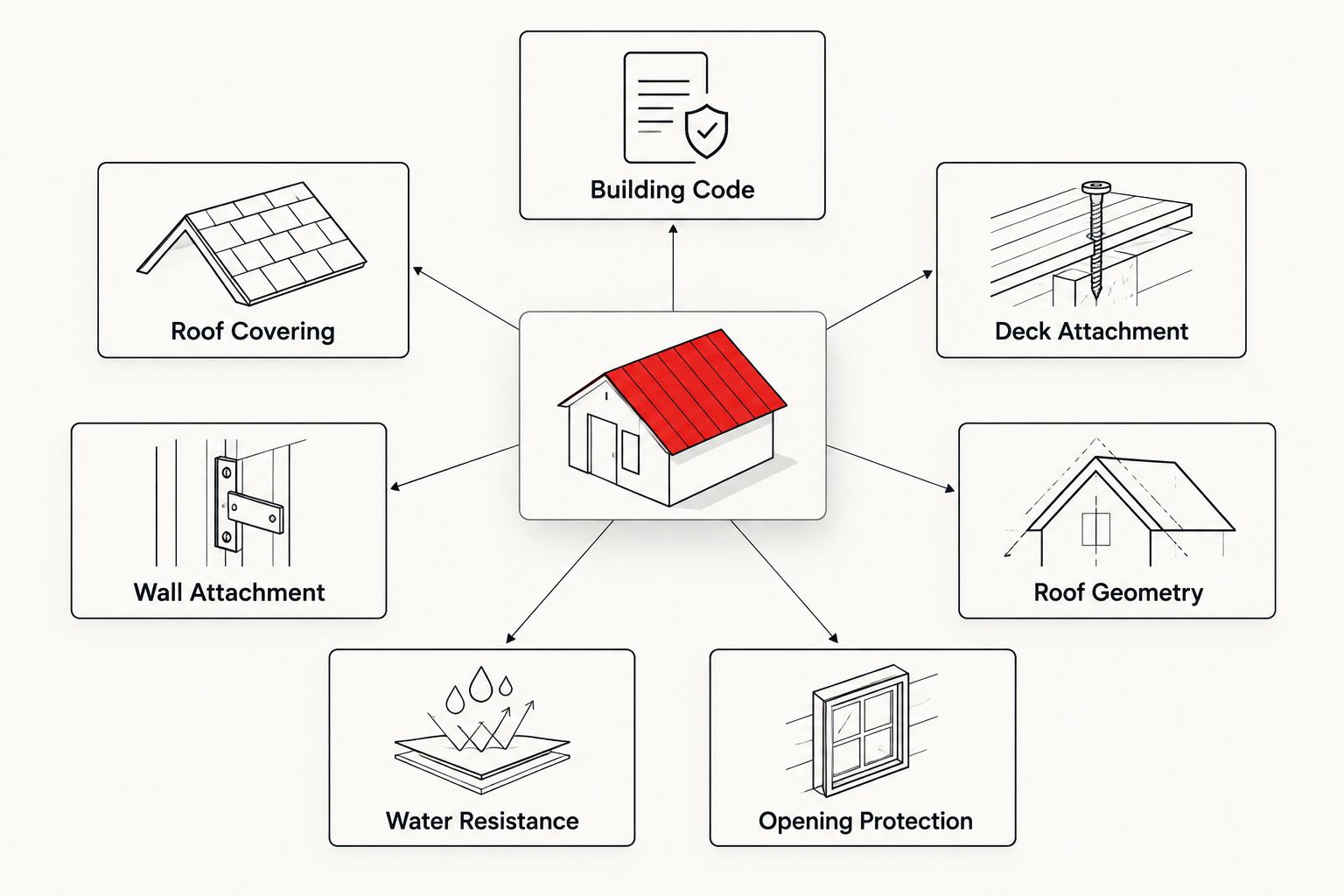
Florida's Uniform Mitigation Verification Inspection Form organizes residential mitigation details into seven main categories. Each category needs visual evidence, records, or both; an inspector cannot properly credit a feature that cannot be verified.
- Building code: The form records the applicable construction standard or permitted improvement information.
- Roof covering: The inspector documents the roof covering and available evidence about its approval or installation date.
- Roof deck attachment: The report identifies how the roof deck is fastened when the connection can be observed.
- Roof-to-wall attachment: The inspector records visible connectors between the roof framing and supporting walls.
- Roof geometry: The form classifies the roof shape under the form's criteria.
- Secondary water resistance: The report records whether a qualifying secondary water barrier can be verified.
- Opening protection: The inspector documents qualifying protection for relevant glazed openings and doors.
These categories explain why photographs and access matter. A new roof covering does not automatically prove every other category, and shutters do not establish how the roof deck is attached. Each answer stands on its own evidence.
Roof Smart of SW Florida provides roofing and wind mitigation services across Cape Coral, Fort Myers, Naples, and surrounding Southwest Florida counties. A roofing-focused review is relevant when missing documentation points to a roof component that must be examined or corrected before a new report can reflect it.
Standalone inspection vs. combined visit
A standalone wind mitigation inspection and a combined inspection visit are two different scopes. Neither option is automatically right for every homeowner in 2026.
| Option | Best for | Advantage | Limitation |
|---|---|---|---|
| Standalone wind mitigation inspection | Owners who only need mitigation documentation | Keeps the request focused on one report | Does not replace a roof-condition or four-point inspection |
| Combined inspection visit | Owners whose insurer requests multiple reports | Can reduce duplicate access and scheduling | Each report still needs its own complete scope and documentation |
A four-point inspection addresses the roof, electrical, plumbing, and heating and cooling systems for underwriting. Wind mitigation focuses on wind-resistant construction features. One report does not automatically substitute for the other, even when both inspections occur during the same appointment.
If your insurer requests both, compare a combined quote with two standalone scopes. Confirm that the combined option still includes every form and photograph the carrier requires.
What should you ask before scheduling?
Use the same questions with every provider. Consistent questions make different 2026 quotes easier to compare and expose missing deliverables before the appointment.
- Which form will you complete? Give the provider any request or form supplied by your insurer.
- Who will sign the report? Confirm that the signer has a qualification your insurer accepts.
- Which photographs are included? Ask whether the report contains evidence for every verified category.
- What access do you need? Identify attic hatches, locked rooms, tenants, gates, and other access limits before arrival.
- What happens if documentation is missing? Ask whether permits, prior reports, or product records are needed to support hidden features.
- Is another inspection included? Separate wind mitigation from a four-point inspection, roof evaluation, certification, or repair estimate.
- How are factual errors corrected? The provider should explain how to report an incorrect address, date, or property detail.
Keep the completed report and supporting images with your property records. Send them through the method your insurer specifies, then confirm that the carrier received and reviewed the documents.
Request a roof estimate
Ask Roof Smart of SW Florida which roofing or wind mitigation service fits your property.
How long is a wind mitigation inspection valid?
A Florida insurer generally must accept a valid uniform mitigation verification form for five years under Florida law. Material changes to the property can make an earlier report outdated, so ask the insurer whether it requires a new form after roof replacement, structural work, or changes to opening protection.
The five-year acceptance period does not freeze the insurance premium. Policy terms, insurer filings, property details, and verified features still control how the report affects the policy in 2026.
Do you need another inspection after replacing the roof?
A roof replacement can change the roof covering, deck attachment, roof-to-wall connection, or secondary water resistance documented on the old report. Ask your insurer for its 2026 submission requirements, then arrange a new inspection when the existing form no longer reflects the completed work.
Do not copy details from an old report into a new insurance submission. The current inspector needs evidence for the features recorded on the current form.
Does a wind mitigation report guarantee insurance savings?
No. A wind mitigation report documents qualifying features, while the insurer applies its approved rating rules to the policy. A complete report can support premium credits, but it cannot promise the amount or guarantee that every category receives favorable treatment.
The useful comparison is the policy before and after the carrier processes the report. Direct questions about the applied credit to the insurance agent or carrier, not the inspector.
When Roof Smart of SW Florida fits
Best for: Roof Smart of SW Florida is best for homeowners and businesses in Cape Coral, Fort Myers, Naples, and nearby Southwest Florida counties who want wind mitigation considered alongside roof condition.
The fit is strongest when the property owner needs roofing installation, repair, replacement, or wind mitigation service. Keeping the discussion tied to visible roof conditions helps separate documentation issues from work the roof actually needs.
The limitation is geographic and professional scope. Roof Smart of SW Florida serves Southwest Florida, not every Florida market, and an insurance carrier controls which form and signer it accepts. Confirm the carrier's requirements before scheduling any 2026 inspection.
FAQ
How much does a wind mitigation inspection cost in Florida in 2026?
There is no state-set wind mitigation inspection cost in Florida in 2026. Each provider sets a quote based on the property, requested form, access, documentation, and whether other inspections are included.
Is a wind mitigation inspection worth getting?
A wind mitigation inspection is useful when your insurer accepts verified construction features in its policy rating. The report documents those features but does not guarantee a specific premium change.
Is a wind mitigation inspection required in Florida?
A wind mitigation inspection is not automatically required for every Florida property. An insurer can request documentation, and property owners need a valid report when seeking policy treatment for verified mitigation features.
How long does a wind mitigation report last in Florida?
A valid Florida uniform mitigation verification form is generally accepted by an insurer for five years. Property changes can make the old report inaccurate before that period ends.
Is a four-point inspection the same as wind mitigation?
No, a four-point inspection reviews the roof, electrical, plumbing, and heating and cooling systems, while wind mitigation documents wind-resistant construction features. An insurer can request both reports.
Can a new roof improve a wind mitigation report?
A new roof can change several documented categories, but improvement depends on the materials, attachments, water barrier, records, and visible evidence. Replacement alone does not prove every mitigation feature.
What should I receive after the inspection?
You should receive the completed form and the supporting documentation included in your written scope. Check the property address, inspection date, answers, photographs, and signer information before submission.
One last thing
Do not schedule roof work solely to change an insurance form. First identify which feature lacks evidence, whether the feature is actually present, and whether your insurer recognizes it under the policy's 2026 rating rules. Roof repairs should address a real roofing need; the updated mitigation report should document the completed condition accurately.
A prior report is useful for comparison, but it is not proof that every old answer remains correct. Give it to the current inspector, along with permits and available roof records, so differences can be checked instead of copied.