Flat roof repair in Port Charlotte means fixing ponding water, membrane blisters, seam separations, and flashing failures on the low-slope roofs common on ranch-style additions, lanais, and strip-mall commercial buildings across Charlotte County. Port Charlotte's flat and low-slope sections take more punishment than pitched roofs nearby because water has nowhere to run — it sits, it finds the smallest gap, and it works its way into decking during the region's rainy season and hurricane season alike.
This guide walks Port Charlotte property owners through diagnosing the problem, deciding between a patch and a full recoat, and avoiding the mistakes that turn a $400 fix into a $4,000 one.
- Flat roof repair in Port Charlotte usually starts with ponding water or a failed seam, not a full membrane failure.
- TPO and modified bitumen are the two most common flat roof systems on Port Charlotte homes and commercial strips built after the 1990s.
- Document damage with photos before any repair if you plan to file an insurance claim tied to storm damage.
- Roof Smart of SW Florida inspects Port Charlotte flat roofs and recommends patch, coat, or full replacement based on the deck condition, not a sales script.
Why flat roof repair matters for Port Charlotte property owners
Port Charlotte sits low and flat by design — canal-front lots, minimal elevation change, and a housing stock with a mix of pitched shingle roofs over flat additions like Florida rooms, carports, and rear lanais. Those flat sections are almost always the first part of a roof to leak because standing water sits for hours after a storm instead of draining.
The area also took direct hits from major hurricanes in recent years, and flat roof membranes are more vulnerable to wind uplift at the edges and seams than a properly nailed shingle field. A small blister or open seam that goes unaddressed through one rainy season in Florida typically doubles in size by the next. Waiting costs more than acting.
Spot the source of the leak before you do anything else
Most Port Charlotte flat roof calls start the same way: a ceiling stain appears inside, but the actual failure point is 6 to 15 feet away on the roof surface. Water travels along the deck before it drips through drywall.
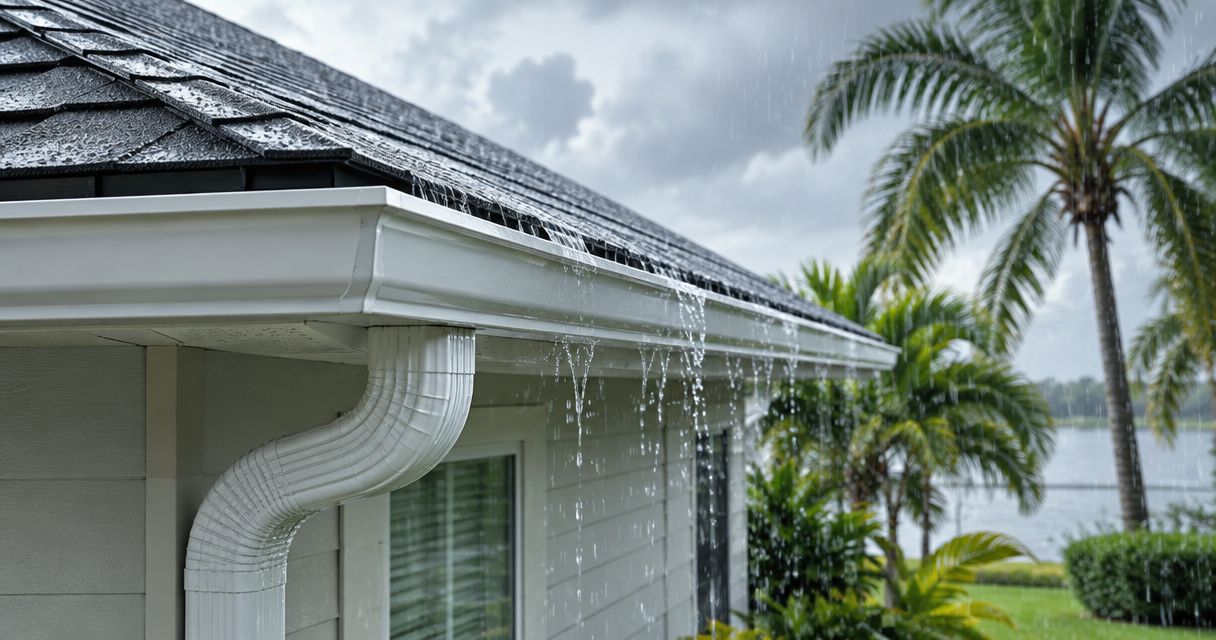
- Look for ponding water that sits more than 48 hours after rain — a sign of inadequate slope or a clogged drain
- Check membrane seams for lifting, bubbling, or visible gaps
- Inspect flashing around AC units, vent stacks, and roof edges
- Look for blistering or cracking on modified bitumen or built-up roofing
- Note any soft spots you can feel when walking the roof — that's deck rot, not surface damage
Check what type of flat roof system you actually have
Repair method depends entirely on the membrane. Guessing wrong wastes material and voids warranties on newer systems.
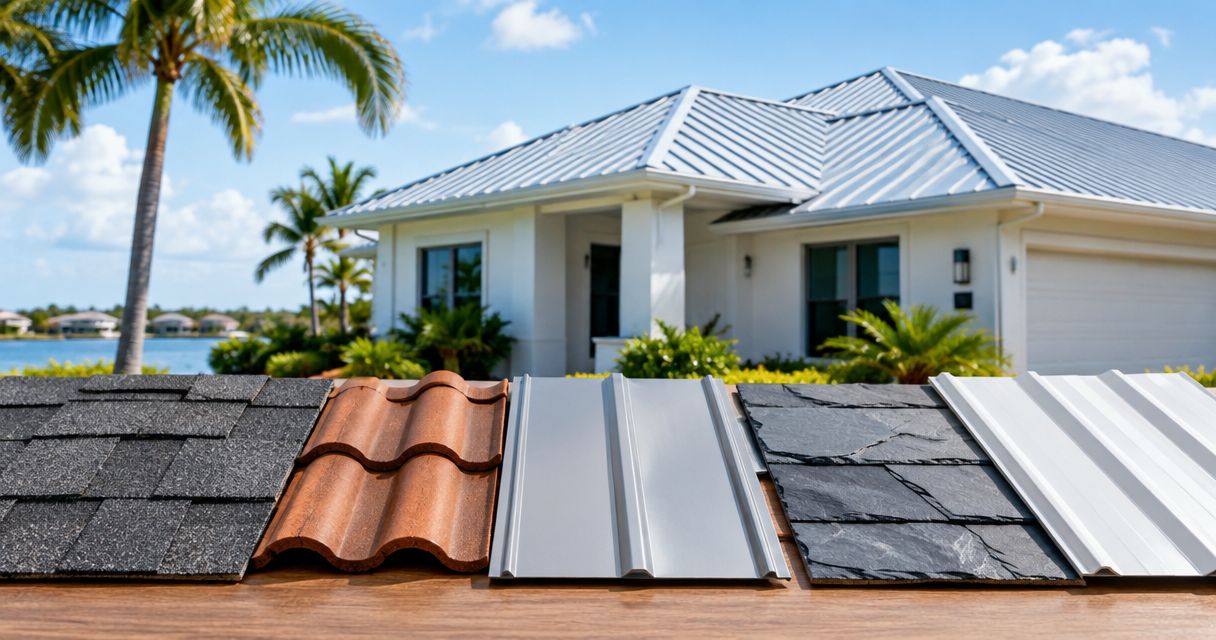
- TPO (thermoplastic polyolefin) — white, heat-welded seams, common on newer commercial and residential flat sections
- EPDM (rubber membrane) — black, glued or mechanically fastened seams
- Modified bitumen — torch-down or peel-and-stick, layered application, common on older Port Charlotte homes
- Built-up roofing (BUR) — tar and gravel, found on older commercial buildings and some 1980s-era residential additions
Do a ground-level and attic check before climbing on the roof
Skip the roof walk if you're not equipped for it — flat roofs get slick when wet, and a soft deck section can give way under weight. Most of what you need to know is visible from the ground or the attic access panel.
- Scan the roofline with binoculars for sagging or ponding from a second-story window or ladder
- Check attic insulation for water staining or mold directly under flat sections
- Look for daylight around vent pipes or skylights from inside the attic
- Note musty odors, which often show up before visible staining does
Document everything before you touch the roof
If the damage traces back to a named storm, photos and dated notes are what separate an approved insurance claim from a denied one. Adjusters ask for pre-repair evidence, not post-repair testimony.
- Photograph ponding, blistering, and flashing damage from multiple angles
- Note the date you first noticed interior staining or dripping
- Keep any receipts for temporary tarping or emergency mitigation
- Review the steps for filing a roof insurance claim after storm damage before you call your carrier
Get a professional inspection before deciding on a fix
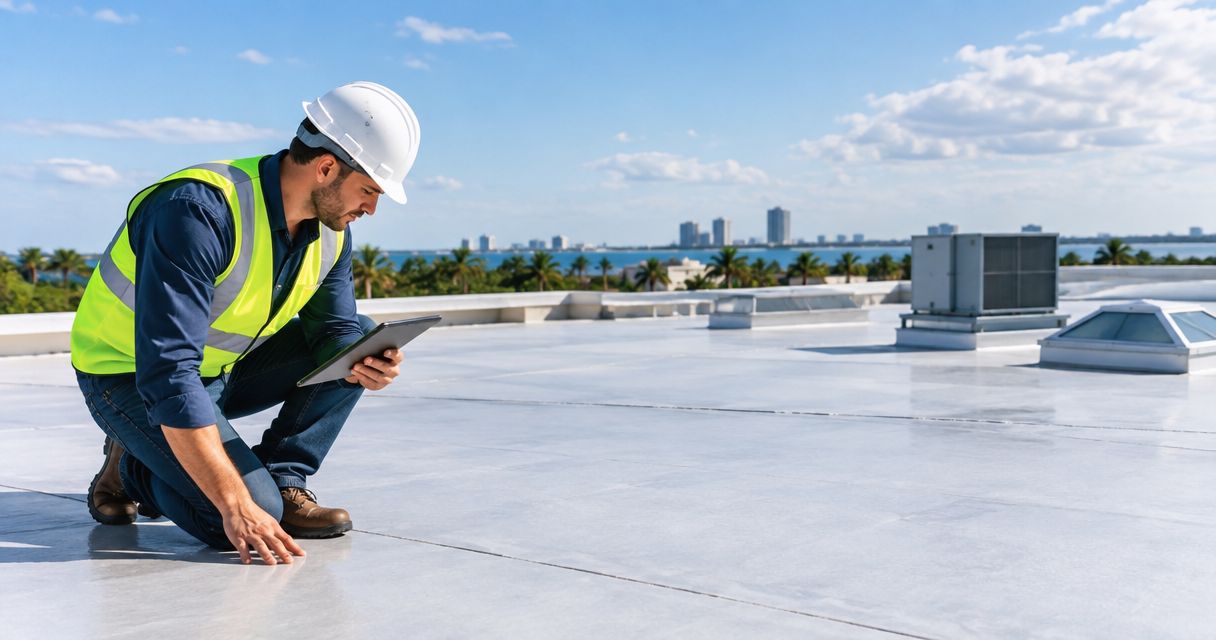
A visual check tells you something is wrong. It doesn't tell you whether the deck underneath is still sound or whether a $600 patch will hold for another five years. This is where emergency roof repair in Port Charlotte service from Roof Smart of SW Florida enters the picture — a technician can probe the deck, check moisture readings under the membrane, and tell you honestly whether patch, coat, or tear-off is the right call.
- Ask for moisture testing under the membrane, not just a surface look
- Get the inspection in writing with photos, not just a verbal estimate
- Ask what caused the failure, not just how to fix the symptom
- Confirm whether the fix addresses drainage slope or just patches the hole
Decide between a patch, a coating, or a full replacement
Not every flat roof problem needs a tear-off. A single failed seam on an otherwise sound membrane is a patch job. Widespread blistering across an aging built-up roof is a replacement conversation.
- Localized seam or flashing failure with a sound deck: patch repair
- Aging membrane with UV wear but no active leaks: roof coating to extend life
- Multiple leak points, soft deck sections, or a membrane past 15-20 years: full replacement
- Read roof repair vs. roof replacement in Florida if you're weighing the two against each other
Schedule the repair ahead of hurricane season, not after damage happens
Florida's hurricane season runs June through November, and Port Charlotte's flat roofs are exposed the whole stretch. Waiting until a named storm is forecast means competing with every other homeowner in Charlotte County for the same repair crews.
- Book inspections in spring, before storm season demand spikes
- Prioritize drainage and seam repairs before summer's heaviest rain
- Keep a copy of your last inspection report for insurance renewal season
- Read maintaining a flat roof in Florida's climate for a year-round checklist
Flat roof repair options for Port Charlotte compared
| Option | Best for | Key limitation |
|---|---|---|
| DIY patch kit | Small, temporary fixes on visible cracks | Doesn't address deck moisture or slope issues; short-term only |
| Professional membrane patch | Localized seam or flashing failure | Won't fix a roof with widespread age-related wear |
| Roof coating (elastomeric/acrylic) | Extending life on a sound but aging membrane | Not a fix for active leaks or a compromised deck |
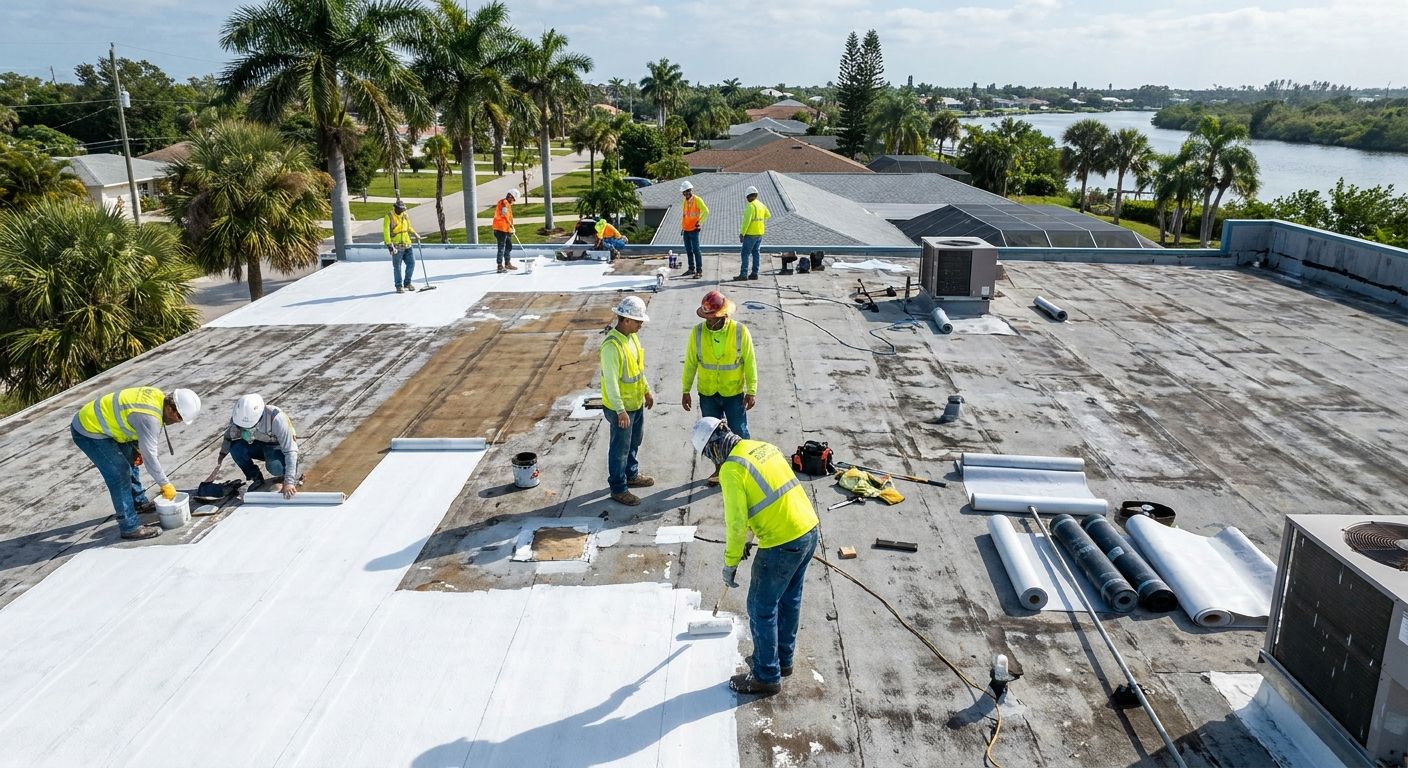
| Full membrane replacement | Roofs past 15-20 years or with multiple failure points | Higher upfront cost than patching, longer job timeline |
Commercial property owners in Port Charlotte weighing coatings against a full tear-off should also compare notes with commercial roofing services in Port Charlotte, since strip malls and multi-tenant buildings often carry different insurance and code requirements than single-family homes.
Get a free flat roof inspection
No-pressure evaluation before you commit to a repair or replacement.
Common mistakes Port Charlotte property owners make
- Ignoring ponding water because it doesn't leak yet. Standing water accelerates membrane breakdown even before it penetrates the deck.
- Patching the same spot repeatedly instead of finding the root cause. A recurring leak in the same location usually means a drainage slope problem, not a membrane problem.
- Hiring whoever shows up after a storm. Post-hurricane Port Charlotte sees a wave of out-of-town crews; verify licensing and insurance before signing anything.
- Skipping the insurance photo documentation step. Adjusters routinely deny claims that arrive without dated, pre-repair evidence.
- Delaying repair until after hurricane season starts. By June, repair crews across Charlotte County are booked out, and untreated damage from the prior season only worsens.
FAQ
How much does flat roof repair cost in Port Charlotte?
Cost depends on the size of the failure, the membrane type, and whether the deck underneath is sound. A localized seam patch runs far less than a full membrane replacement — get an on-site inspection for an exact figure rather than relying on a phone quote.
How long does a flat roof repair take?
A single seam or flashing patch on a Port Charlotte home typically finishes in a day. A full membrane replacement on a larger flat section or commercial building takes longer depending on square footage and weather delays during 2026's rainy season.
Is TPO or modified bitumen better for a Florida flat roof?
TPO handles UV exposure and heat reflection well and suits newer installations, while modified bitumen is common on older Port Charlotte homes and holds up reliably when properly maintained. The better choice depends on your existing roof structure and budget, not a universal rule.
Can I repair a flat roof myself?
Small surface cracks can take a temporary patch kit, but ponding water, deck rot, or seam separation need a professional assessment. A DIY patch over an undiagnosed deck problem often traps moisture and makes the eventual professional repair more expensive.
Does homeowners insurance cover flat roof repair in Port Charlotte?
Coverage depends on whether the damage is storm-related and documented before repairs start, plus your policy's specific roof provisions. Photograph the damage and file promptly — insurers frequently deny claims submitted without dated evidence.
How often should a flat roof be inspected in Southwest Florida?
An annual inspection catches ponding, seam wear, and flashing issues before they become leaks, with an additional check recommended right after any named storm passes through Charlotte County.
What's the difference between roof repair and roof replacement for a flat roof?
Repair addresses a specific failure point — a seam, a flashing gap, a small blister — while replacement removes the entire membrane down to the deck. A roof with multiple failure points or a membrane older than 15-20 years usually needs replacement rather than another patch.
Do commercial flat roofs in Port Charlotte need different repair methods than residential ones?
The membrane systems overlap, but commercial flat roofs are typically larger, carry different drainage requirements, and often need coating systems designed for continuous foot traffic and HVAC equipment loads.
One last thing
The single most overlooked detail on Port Charlotte flat roofs isn't the membrane — it's the drain. A clogged or undersized roof drain turns a healthy membrane into a ponding problem within one heavy 2026 summer storm, and no patch or coating fixes a drainage issue underneath it. Check the drains before you pay for anything else.